
Note: This article is for educational purposes and is not a substitute for medical diagnosis or treatment. Thyroid symptoms can overlap with many other conditions, so a blood test and medical evaluation are the real “plot twist reveal.”
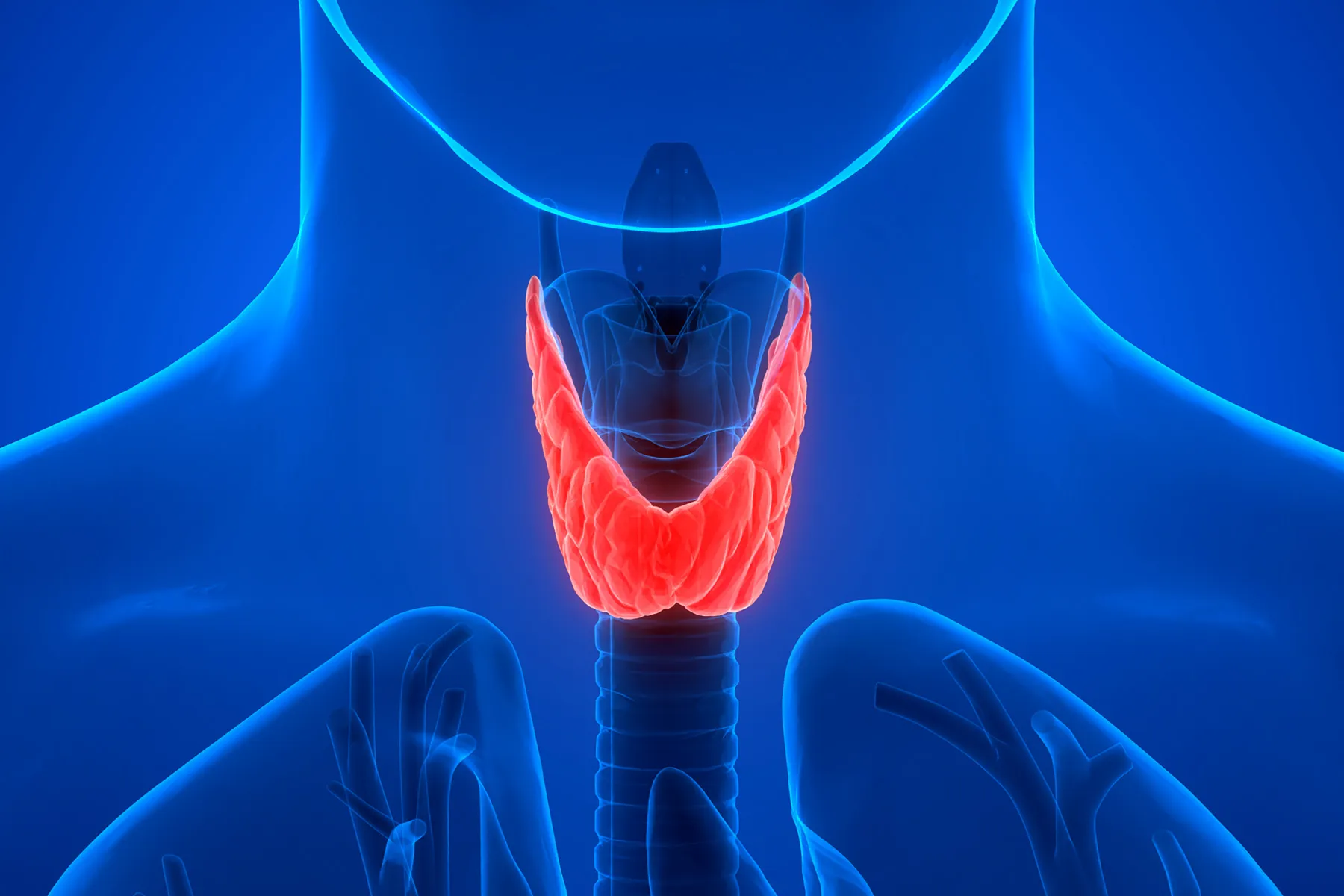
Your thyroid is small, butterfly-shaped, and located at the front of your neck, but do not be fooled by its cute anatomy. This tiny gland has CEO-level influence over your energy, heart rate, digestion, temperature control, mood, skin, hair, and weight. When it underperforms or overperforms, your body may start dropping clues like a mystery novel with excellent lighting.
That is why people search for pictures of surprising signs of thyroid problems. They want to know what thyroid issues can look like in real life: a puffy face, thinning eyebrows, bulging eyes, a swollen neck, dry skin, brittle nails, or unexplained changes in weight. These visible signs can be helpful, but they are not a diagnosis. A photo may point you toward a possibility; a healthcare professional and thyroid blood tests confirm what is actually happening.
In this guide, we will walk through the most common and surprising visual signs of thyroid disease, including symptoms of hypothyroidism, hyperthyroidism, Graves’ disease, thyroid eye disease, goiter, thyroid nodules, and Hashimoto’s disease. Think of it as a friendly field guide to the thyroid’s most dramatic fashion choices.
What Does the Thyroid Do?
The thyroid makes hormones that help regulate metabolism, which is the way your body uses energy. These hormones affect nearly every major system in the body. When thyroid hormone levels are too low, the body may slow down. When they are too high, the body may speed up like it drank three espressos and forgot it had homework.
The two broad categories of thyroid dysfunction are hypothyroidism and hyperthyroidism. Hypothyroidism means the thyroid does not make enough hormone. Hyperthyroidism means it makes too much. Both can create visible signs, but they often look very different.
Why Thyroid Problems Can Show Up in Pictures
Thyroid hormones influence skin moisture, hair growth cycles, fluid balance, circulation, digestion, and the way tissues respond to inflammation. That is why thyroid problems may appear in the mirror before they show up clearly in your daily routine.
For example, a person with hypothyroidism may notice a rounder or puffier face, dry skin, thinning hair, and swelling around the eyes. Someone with hyperthyroidism may notice weight loss, sweating, tremors, wide-looking eyes, or a visible swelling in the neck. These signs can be subtle at first, so comparing older photos with recent ones sometimes reveals changes that happened gradually.
Picture Sign #1: A Puffy Face
One of the classic visual signs of an underactive thyroid is a puffy face. The swelling may be most noticeable around the cheeks, eyelids, lips, or under the eyes. In hypothyroidism, the body can retain fluid and certain substances may build up in the skin, causing a swollen or heavier facial appearance.
This is not the same as waking up with a slightly puffy face after a salty dinner. Thyroid-related puffiness tends to be more persistent. In pictures, the face may look less defined, the eyelids may appear heavier, and the skin may look thicker or drier than usual.
When to pay attention
If facial puffiness comes with fatigue, cold intolerance, constipation, dry skin, weight gain, or a slower heart rate, hypothyroidism may be worth discussing with a healthcare provider.
Picture Sign #2: Thinning Eyebrows
A surprisingly specific sign of hypothyroidism is thinning of the outer third of the eyebrows. Yes, your eyebrows may be trying to send an email, and unfortunately the subject line is “Please Check Thyroid Levels.”
Hair follicles are sensitive to thyroid hormone levels. When the thyroid slows down, the hair growth cycle can be disrupted. This may cause thinning hair on the scalp, but it can also affect the eyebrows. In photos, you may notice that the tails of the brows look sparse, faded, or uneven compared with older pictures.
Eyebrow thinning can also happen from aging, over-plucking, skin conditions, nutritional issues, or genetics, so it should not be treated as proof of thyroid disease. Still, when paired with other symptoms, it can be a useful clue.
Picture Sign #3: Dry, Rough, or Flaky Skin
Dry skin is one of the most common skin signs linked to hypothyroidism. When thyroid hormone levels are low, skin cell turnover may slow, sweating may decrease, and the skin can lose moisture. The result may be rough patches, flaking, itchiness, or skin that looks dull and tight.
In pictures, the skin may appear pale, dry, or slightly yellowish. Hands, elbows, knees, and lower legs can be especially affected. People sometimes spend months blaming their moisturizer, the weather, or “just getting older,” while the thyroid sits in the background wearing sunglasses and pretending it is not involved.
What it may look like
Look for persistent dryness that does not improve much with normal skin care, especially if it appears with fatigue, constipation, cold sensitivity, or hair thinning.
Picture Sign #4: Hair Thinning or Hair Loss
Both hypothyroidism and hyperthyroidism can affect hair. With low thyroid hormone, hair may become dry, coarse, brittle, and thin. With high thyroid hormone, hair may become fine, soft, and fragile. Either way, your brush may start collecting evidence like a tiny crime scene investigator.
In photos, hair may look flatter, less dense at the part line, thinner near the temples, or less full overall. Thyroid-related hair changes usually affect the whole scalp rather than one small patch, although patterns can vary.
The good news is that thyroid-related hair loss often improves once the underlying hormone imbalance is treated, though regrowth can take time. Hair does not read your calendar, which is rude but biologically accurate.
Picture Sign #5: A Swollen Neck or Goiter
A visible swelling at the front of the neck may be a goiter, which means an enlarged thyroid gland. A goiter can occur with hypothyroidism, hyperthyroidism, iodine deficiency, thyroid inflammation, or thyroid nodules.
In pictures, a goiter may look like fullness at the base of the throat, especially when swallowing. Sometimes the swelling is symmetrical; other times one side looks larger. A goiter may be painless, but larger ones can cause tightness, hoarseness, coughing, or trouble swallowing.
Simple visual check
Stand in front of a mirror, tilt your head slightly back, take a sip of water, and swallow. Watch the lower front of your neck. If you see a bulge moving as you swallow, it is worth asking a clinician to examine it.
Picture Sign #6: A Lump in the Neck
A thyroid nodule is a lump or growth in the thyroid gland. Many thyroid nodules are benign and do not cause symptoms, but some can be visible or felt as a bump in the neck. A nodule may appear as a small rounded swelling on one side of the lower neck.
Most nodules are discovered during routine exams or imaging tests done for another reason. However, if a lump grows quickly, feels hard, causes hoarseness, affects swallowing, or comes with swollen lymph nodes, it should be evaluated promptly.
Pictures can help track whether a visible neck lump is changing over time, but they cannot tell whether a nodule is benign or serious. That usually requires a physical exam, ultrasound, thyroid blood tests, and sometimes a fine-needle biopsy.
Picture Sign #7: Bulging or Wide-Looking Eyes
One of the most recognizable signs linked to thyroid disease is bulging eyes, also called proptosis. This can happen with thyroid eye disease, often associated with Graves’ disease, an autoimmune cause of hyperthyroidism.
In photos, the eyes may look more prominent, wide open, or startled. The upper eyelid may pull back, showing more of the white part of the eye. People may also have redness, dryness, watering, irritation, light sensitivity, pain behind the eyes, or double vision.
Thyroid eye disease can be mild, moderate, or severe. Because it can affect vision, eye symptoms should not be ignored. If your eyes look noticeably different in recent pictures, especially with discomfort or vision changes, schedule medical care.
Picture Sign #8: Puffy Eyelids and Under-Eye Swelling
Not all thyroid-related eye changes involve bulging. Hypothyroidism can cause swelling around the eyes, giving the eyelids a puffy or heavy look. This can happen because of fluid retention and changes in skin and connective tissue.
In pictures, the eyes may look smaller, tired, or swollen even after a full night’s sleep. Of course, allergies, lack of sleep, crying, sinus issues, and salty snacks can do the same thing. The thyroid does not get automatic blame for every under-eye bag; sometimes the culprit is simply life.
Still, persistent eyelid puffiness combined with other thyroid symptoms should be checked.
Picture Sign #9: Sudden Weight Changes
Weight change is one of the most searched thyroid symptoms, but it is also one of the most misunderstood. Hypothyroidism can contribute to weight gain, often modest and partly related to fluid retention. Hyperthyroidism can cause weight loss even when appetite increases.
In pictures, changes may show as a fuller face, tighter clothing, or a noticeably thinner frame. However, weight changes have many possible causes, including diet, activity, stress, medications, sleep, growth, and other health conditions. Thyroid disease is one possibility, not the only suspect in the lineup.
Pay attention if weight change happens along with temperature sensitivity, heart rate changes, bowel changes, fatigue, tremor, or mood shifts.
Picture Sign #10: Sweaty, Warm, or Flushed Skin
Hyperthyroidism can make the body run faster than normal. People may feel hot, sweat more, and notice warm, moist skin. In photos, the face may look flushed, shiny, or unusually bright, especially if the person also feels anxious, shaky, or overheated.
This happens because excess thyroid hormone can speed up metabolism and affect circulation. Someone with hyperthyroidism may also have a faster heartbeat, palpitations, increased appetite, frequent bowel movements, trouble sleeping, and muscle weakness.
If you feel like your internal thermostat is stuck on “Florida in July,” and this is new for you, it may be time to ask about thyroid testing.
Picture Sign #11: Brittle Nails or Nail Changes
Thyroid problems can affect nails, too. Hypothyroidism may make nails brittle, dry, slow-growing, or prone to splitting. Hyperthyroidism can sometimes make nails softer or cause separation of the nail from the nail bed.
Photos of the hands may show nails that look thin, ridged, cracked, or unusually fragile. Nail changes alone are rarely enough to suggest thyroid disease, because nutrition, hand washing, nail products, and aging can all play a role. But when nail changes join the thyroid symptom group chat, they deserve attention.
Picture Sign #12: Skin Thickening or Changes on the Legs
Some people with Graves’ disease develop skin changes, most often on the shins or tops of the feet. This is sometimes called pretibial myxedema. It may appear as thickened, swollen, reddish, or waxy-looking skin.
This sign is less common than eye symptoms or weight changes, but it is visually distinctive. If new thickened patches appear on the lower legs along with symptoms of hyperthyroidism or thyroid eye disease, a healthcare provider should evaluate it.
Picture Sign #13: Tired Expression, Slower Movement, or “Not Looking Like Yourself”
Some thyroid signs are hard to capture in one feature but obvious over time. People with hypothyroidism may look more tired, move more slowly, speak more slowly, or seem less expressive. In photos, friends or family may say, “You look exhausted,” even when you are not trying to audition for a documentary about finals week.
Fatigue is not visible in the same way a swollen neck is, but it can change posture, facial expression, and activity level. When fatigue comes with cold intolerance, constipation, dry skin, hair thinning, depression, or weight gain, thyroid testing may be appropriate.
Hypothyroidism vs. Hyperthyroidism: Visual Clues
Hypothyroidism may look like:
- Puffy face or eyelids
- Dry, rough, or flaky skin
- Thinning hair or eyebrows
- Weight gain or facial fullness
- Slower movements or tired appearance
- Swollen neck if a goiter is present
Hyperthyroidism may look like:
- Weight loss despite normal or increased eating
- Warm, sweaty, or flushed skin
- Fine or thinning hair
- Hand tremor
- Wide-looking or bulging eyes in thyroid eye disease
- Visible neck swelling from an enlarged thyroid
When Pictures Are Helpfuland When They Are Not
Pictures can be useful because thyroid changes often happen gradually. Comparing a current photo with one from six months or a year ago may reveal facial puffiness, neck fullness, eye changes, or hair thinning that you did not notice day to day.
But pictures have limits. Lighting, angles, makeup, hydration, sleep, allergies, and camera lenses can all change how someone looks. A selfie taken from below can make anyone’s neck look suspicious. That does not mean your thyroid has filed a formal complaint.
Use photos as supporting evidence, not final proof. The best next step is to discuss symptoms with a healthcare provider, who may order tests such as TSH, free T4, free T3, thyroid antibodies, or imaging if needed.
When to See a Doctor
Make an appointment if you notice persistent symptoms such as unexplained weight changes, fatigue, heat or cold intolerance, hair loss, dry skin, constipation, frequent bowel movements, tremors, palpitations, anxiety, depression, menstrual changes, swelling in the neck, hoarseness, or eye changes.
Seek urgent care if you have severe chest pain, fainting, severe shortness of breath, sudden vision changes, confusion, or a very fast or irregular heartbeat. These symptoms may not be “just thyroid,” and they should not wait for your next free afternoon.
How Thyroid Problems Are Diagnosed
The most common starting point is a blood test called TSH, or thyroid-stimulating hormone. If TSH is abnormal, additional tests such as free T4, free T3, and thyroid antibody tests may help identify the type of thyroid disorder. If there is a lump or swelling in the neck, ultrasound may be used to examine the thyroid’s size and structure.
For thyroid nodules, doctors may recommend monitoring, imaging, or a fine-needle aspiration biopsy depending on the size, appearance, and risk factors. For eye symptoms, an ophthalmologist may be involved, especially if thyroid eye disease is suspected.
Real-Life Experiences: What People Often Notice First
Many people do not wake up one morning and think, “Aha, my thyroid gland is misbehaving.” More often, the experience is slow and confusing. One person may notice that their face looks puffier in every group photo, even though their routine has not changed. Another may realize their eyebrows look thinner at the ends, then remember they have also been freezing in rooms where everyone else is comfortable. Someone else may catch a reflection and notice their eyes look wider or more irritated than usual.
These experiences can be frustrating because thyroid symptoms are easy to explain away. Fatigue becomes “I’m busy.” Dry skin becomes “winter is rude.” Weight change becomes “my jeans betrayed me.” Anxiety or a fast heartbeat becomes “too much caffeine.” Sometimes those explanations are correct. Other times, the thyroid is quietly contributing from behind the curtain.
One common story involves hair changes. A person may first notice extra hair in the shower drain or on a pillow. At first, they may blame stress, shampoo, weather, or styling products. Then they compare older pictures and see that their hairline, part, or brow shape has changed. That visual comparison can be the moment they decide to ask for thyroid testing.
Another common experience is neck awareness. Some people notice tight collars, discomfort when swallowing, or a small swelling in the lower neck. A friend may point it out in a photo before the person notices it in the mirror. Because thyroid swelling can be subtle, pictures taken from the side or during swallowing may make the change easier to see.
Eye symptoms can feel especially strange. People with thyroid eye disease may describe gritty eyes, dryness, tearing, light sensitivity, or the feeling that their eyes look different in photos. They may be told they look surprised, tired, or intense. That can be awkward, because nobody wants their face to become a group project. Still, visible eye changes are important to evaluate because treatment may protect comfort and vision.
The most useful lesson from these experiences is not to panic over one sign. A single symptom rarely tells the whole story. Instead, look for patterns. Puffy face plus cold intolerance plus constipation plus fatigue is more meaningful than puffiness alone. Weight loss plus sweating plus tremor plus palpitations is more concerning than weight loss by itself. A swollen neck plus hoarseness or swallowing trouble deserves medical attention.
It also helps to write symptoms down. Note when they started, whether they are getting worse, and whether they appear in photos. Bring that information to a medical appointment. Doctors do not need a dramatic slideshow, but a few clear examples can help explain what has changed.
The emotional side matters, too. Visible changes can make people feel self-conscious, especially when others comment on their face, eyes, weight, or hair. Thyroid symptoms are medical signals, not personal failures. Your body is not being lazy, vain, or dramatic. It may simply be asking for help in the only language it has: symptoms.
Conclusion
Pictures of surprising signs of thyroid problems can reveal clues that are easy to miss in everyday life. Puffy facial features, thinning eyebrows, dry skin, hair loss, bulging eyes, neck swelling, brittle nails, and sudden weight changes may all point toward a possible thyroid imbalance. However, these signs can also come from many other causes, so they should be treated as conversation startersnot conclusions.
If you notice persistent changes in your appearance along with symptoms like fatigue, temperature sensitivity, palpitations, bowel changes, mood shifts, or menstrual changes, talk with a healthcare provider. Thyroid disorders are common, testable, and often treatable. The earlier you identify the problem, the sooner your thyroid can stop acting like the mysterious villain in your body’s group chat.













