
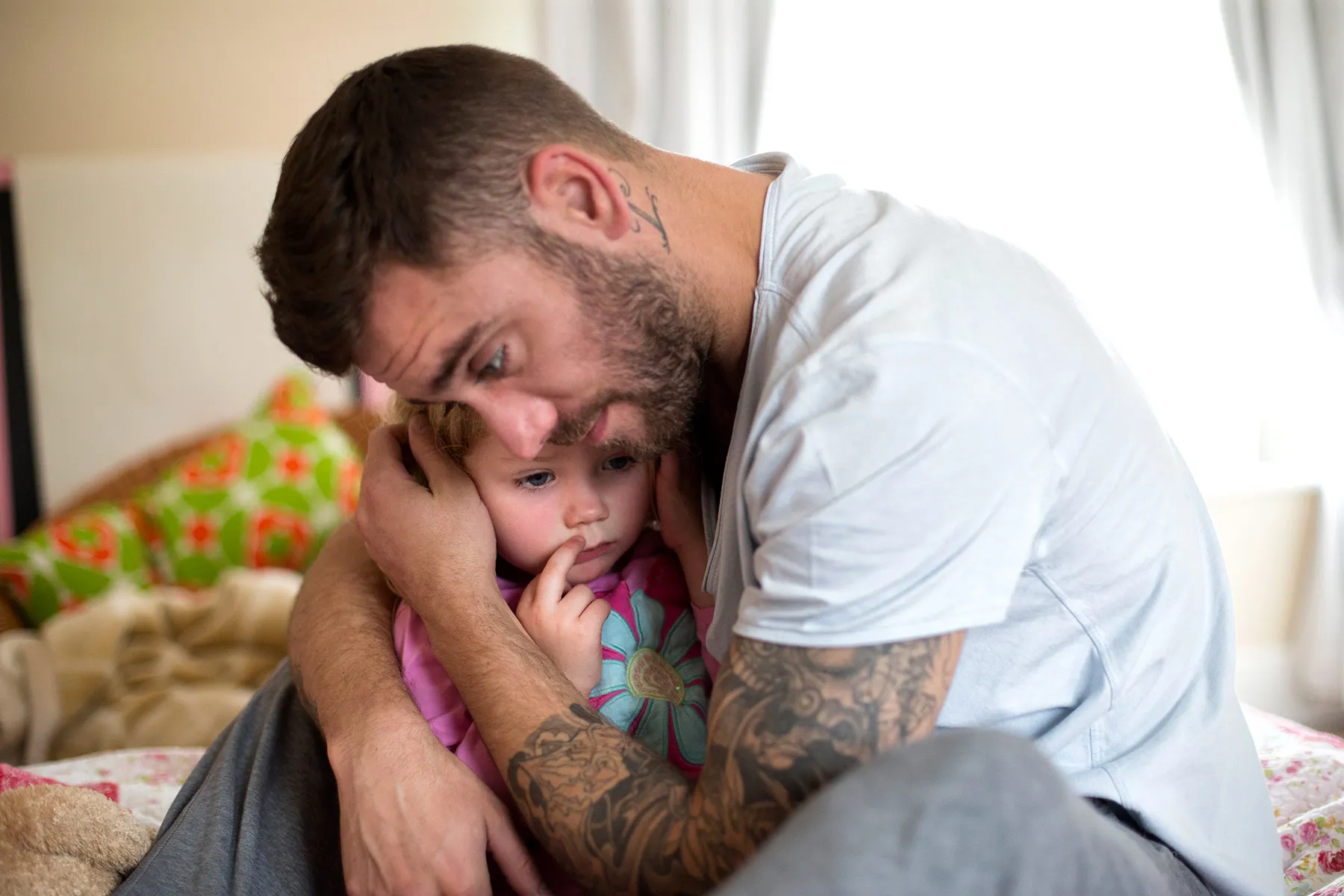
The words pediatric low-grade glioma can create a confusing emotional mix. “Low-grade” sounds reassuring, almost as though the tumor received a mildly disappointing report card. Yet a pediatric low-grade glioma, commonly shortened to pLGG, can still affect vision, movement, hormones, learning, seizures, and everyday childhood development.
The encouraging news is that pLGGs usually grow more slowly than high-grade brain tumors, and long-term survival is generally favorable. Treatment has also become increasingly precise. Doctors no longer look only at what a tumor resembles under a microscope; they consider its location, growth pattern, symptoms, molecular alterations, and the effect treatment may have on a developing child.
What Is a Pediatric Low-Grade Glioma?
A pLGG is not one single disease. It is a broad group of generally slow-growing tumors arising from glial or related cells in the brain or spinal cord. Examples include pilocytic astrocytoma, ganglioglioma, pleomorphic xanthoastrocytoma, and other pediatric-type low-grade tumors.
These tumors may appear in the cerebellum, cerebral hemispheres, brainstem, spinal cord, optic pathway, hypothalamus, or other areas. Location matters enormously. A small tumor beside the optic nerves can threaten vision, while a larger, surgically accessible cerebellar tumor may be removed completely without requiring additional treatment.
Many pLGGs involve abnormal signaling through the RAS–MAPK pathway. Changes involving BRAF, NF1, FGFR, or other genes may help establish the diagnosis and guide treatment. Pediatric tumors should not automatically be managed like adult low-grade gliomas; they have different molecular characteristics and clinical behavior.
Tip 1: Build the Right Treatment Team
Whenever possible, care should be coordinated through a pediatric brain tumor center. A pLGG treatment plan may involve a pediatric neuro-oncologist, neurosurgeon, neuroradiologist, neuropathologist, radiation oncologist, ophthalmologist, endocrinologist, neurologist, rehabilitation specialist, psychologist, and school-support team.
This is not a case of “too many cooks.” Each specialist watches a different burner. The neurosurgeon evaluates whether tissue can be obtained safely. The ophthalmologist measures visual function. The endocrinologist checks growth and puberty when the hypothalamic region is involved. The neuropsychologist helps identify learning or processing difficulties that an MRI cannot display. Multidisciplinary care is especially important because the goal is not merely to control a tumor; it is to protect the child’s development and quality of life for decades.
Tip 2: Understand That Observation Is a Real Treatment Strategy
Not every pLGG requires immediate surgery, chemotherapy, or targeted therapy. Some tumors are discovered incidentally, remain stable for years, or cause no meaningful functional problems. In these situations, doctors may recommend active surveillance with scheduled MRI scans, neurologic examinations, vision testing, and symptom reviews.
Observation does not mean the medical team has placed the chart under a coffee mug and forgotten about it. It means the potential harm of immediate treatment may outweigh the benefit. This approach may be appropriate after complete surgery, after partial surgery when the remaining tumor is stable, or for selected optic pathway gliomas without worsening vision.
Parents should ask what would trigger treatment. Common triggers include documented tumor growth combined with clinical concern, progressive visual loss, worsening neurologic symptoms, uncontrolled seizures, hydrocephalus, endocrine problems, or declining function. MRI growth alone does not always demand immediate intervention, particularly when the child remains stable.
Tip 3: Treat the Child, Not Just the MRI
MRI scans are essential, but they are only part of the story. A tumor can look stable while vision, balance, behavior, hormone function, or school performance changes. Conversely, a scan may show modest enlargement without an immediate decline in function.
For optic pathway glioma, preserving vision is a primary treatment objective. Families should keep scheduled ophthalmology appointments even when the child says everything looks fine. Young children may not recognize gradual visual loss, and they are not always reliable reviewers of their own eyesightespecially when the alternative activity involves dilating drops.
When the hypothalamus or pituitary region is involved, the care team may monitor height, weight, growth velocity, thyroid function, adrenal function, thirst, urination, and pubertal development. For tumors associated with seizures, seizure frequency and medication effects may be as important as tumor measurements.
Tip 4: Ask About “Maximal Safe” Surgery
Surgery can be curative when a pLGG is completely removable without unacceptable injury. A well-defined cerebellar pilocytic astrocytoma is one classic example in which complete resection may provide excellent long-term control.
However, the wisest operation is not always the largest operation. Tumors involving the optic pathway, hypothalamus, brainstem, deep gray structures, or critical blood vessels may be impossible to remove completely without causing serious disability. In such cases, the surgeon may perform a biopsy, partial resection, cyst drainage, or another limited procedure.
Useful questions include:
- Is the goal complete removal, symptom relief, or obtaining tissue?
- Which neurologic functions could be affected by surgery?
- Would additional removal meaningfully improve tumor control?
- Is intraoperative MRI, mapping, or another specialized technique appropriate?
- What symptoms require urgent attention after the operation?
The phrase maximal safe resection matters. “Maximal” without “safe” is not an upgrade.
Tip 5: Request Integrated Pathology and Molecular Testing
When tumor tissue can be obtained safely, modern evaluation often includes histology, immunohistochemistry, and molecular testing. The report may examine BRAF V600E, BRAF fusions or rearrangements, NF1 pathway alterations, FGFR changes, NTRK fusions, and other findings depending on the tumor’s appearance and location.
This information is not decorative laboratory confetti. It can refine the diagnosis, provide prognostic information, identify clinical trials, and determine whether a targeted medicine is appropriate.
A BRAF V600E mutation and a BRAF fusion are not interchangeable. They activate the same broad growth pathway in different ways, and a medicine suitable for one alteration may be ineffective or inappropriate for another. Families should ask for the exact alteration, not simply whether the tumor is “BRAF-positive.”
Tip 6: Compare Systemic Treatment Options Carefully
Traditional Chemotherapy
When a tumor cannot be removed safely and is progressing or causing symptoms, chemotherapy remains an important option. Commonly used approaches have included carboplatin with vincristine, weekly vinblastine, and regimens containing thioguanine, procarbazine, lomustine, and vincristine, often called TPCV.
The best regimen depends on age, tumor location, previous treatment, molecular findings, expected side effects, and institutional experience. Chemotherapy may control pLGG for extended periods, but treatment can involve frequent clinic visits and monitoring for low blood counts, infection, allergic reactions, neuropathy, constipation, nausea, or other regimen-specific effects.
Targeted Therapy
Targeted therapies interfere with specific molecular signals used by tumor cells. In March 2023, the FDA approved dabrafenib plus trametinib for children at least 1 year old with pLGG containing a BRAF V600E mutation when systemic treatment is required.
In April 2024, the FDA granted accelerated approval to tovorafenib for patients at least 6 months old with relapsed or refractory pLGG containing a BRAF fusion, BRAF rearrangement, or BRAF V600 mutation. It was the first FDA-approved systemic treatment specifically covering pediatric low-grade gliomas with BRAF rearrangements, including fusions.
MEK inhibitors and other precision medicines may also be considered in selected circumstances or clinical trials. However, “targeted” does not mean harmless, guaranteed, or appropriate for every tumor. Questions remain about ideal treatment duration, resistance, tumor regrowth after discontinuation, and long-term effects in growing children. The choice between chemotherapy and targeted therapy should therefore be individualized rather than decided by whichever drug name is easiest to pronounce.
| Treatment approach | When it may be considered | Important discussion points |
|---|---|---|
| Observation | Stable or asymptomatic disease | MRI schedule, functional testing, treatment triggers |
| Surgery | Safely accessible tumor, tissue diagnosis, symptom relief | Expected extent of resection and neurologic risks |
| Chemotherapy | Unresectable, progressive, or symptomatic pLGG | Regimen, visit schedule, blood counts, allergies, neuropathy |
| Targeted therapy | Actionable molecular alteration | Exact mutation or fusion, side effects, duration, resistance |
| Radiation therapy | Selected progressive or resistant cases | Age, location, prior therapy, late effects, proton therapy |
Tip 7: Create a Side-Effect Action Plan Before Treatment Starts
Families should receive written instructions explaining which symptoms can wait for the next appointment and which require an immediate call. Treatment-specific concerns may include fever, rash, diarrhea, vomiting, fatigue, bleeding, vision changes, heart symptoms, laboratory abnormalities, infection, or allergic reactions.
Dabrafenib and trametinib, for example, require monitoring for potentially serious fever, skin, eye, bleeding, and cardiac problems. Individual drugs have different rules for missed doses, food timing, temporary interruption, and restarting treatment. Parents should never reduce, stop, double, crush, or restart a medicine without instructions from the oncology team or pharmacist.
A simple treatment notebook can record doses, temperatures, symptoms, bowel movements, appetite, school attendance, photographs of rashes, and questions for the next visit. It may not be glamorous, but neither is trying to remember a Tuesday-night fever three weeks later.
Tip 8: Use Radiation Selectively
Radiation therapy can control pLGG, but it is often delayed or avoided in young children because the developing brain is vulnerable to long-term effects. Depending on the treated area, these may include learning difficulties, endocrine disorders, blood-vessel damage, hearing problems, growth changes, and secondary tumors.
Radiation may still be appropriate for selected older children or adolescents with progressive tumors that cannot be controlled through safer alternatives. Modern techniquesincluding conformal radiation and proton therapymay reduce exposure to surrounding tissue, although they cannot eliminate every late effect.
For children with neurofibromatosis type 1, radiation decisions generally require additional caution because of their underlying tumor and vascular risks. A radiation consultation should address the expected benefit, dose, target area, alternatives, and long-term surveillance plan.
Tip 9: Prepare for Long-Term Monitoring
pLGG care often resembles management of a chronic illness rather than a brief sprint through treatment. Some children need years of MRI surveillance. Others experience periods of stability followed by progression and another treatment decision.
Whenever practical, scans should be compared with several previous studies rather than only the most recent MRI. Differences in scanners, contrast timing, sedation, slice thickness, and measurement techniques can make small changes difficult to interpret. Families may also want copies of imaging, pathology reports, molecular results, medication histories, operative notes, and radiation plans for second opinions or future care.
Follow-up should include more than tumor control. Depending on the child’s history, the plan may cover vision, hearing, seizure management, mobility, speech, hormone function, emotional health, neurocognitive development, and school performance.
Tip 10: Support School, Development, and Ordinary Childhood
Treatment can interrupt concentration, processing speed, memory, energy, attendance, and social confidence. Families should ask early about neuropsychological testing, occupational therapy, physical therapy, speech therapy, low-vision services, counseling, and educational accommodations.
In the United States, eligible students may receive support through a 504 Plan or an Individualized Education Program. Helpful accommodations can include extra time, reduced homework, rest breaks, accessible seating, enlarged materials, recorded instruction, modified physical education, or flexible attendance during treatment.
Children should also have room to remain children. Treatment schedules matter, but so do friends, hobbies, sports when medically safe, birthday parties, and strategically negotiated screen time. Quality of life is not a bonus feature added after tumor control; it is part of the treatment objective.
Tip 11: Consider a Clinical Trial at Each Major Decision Point
Clinical trials may evaluate new targeted medicines, treatment combinations, dosing schedules, imaging methods, or strategies for reducing side effects. Asking about a trial does not obligate a family to enroll, and declining a trial does not mean the family is rejecting modern medicine.
Questions should include the trial phase, purpose, eligibility requirements, known risks, travel demands, additional tests, treatment costs, alternatives, and what happens if the tumor progresses. A trial may be especially relevant when the tumor is recurrent, resistant to standard therapy, molecularly unusual, or associated with a potentially actionable alteration.
Questions to Bring to the Next Appointment
- What is the complete integrated diagnosis?
- Where is the tumor, and which functions are currently at risk?
- Does treatment need to begin now?
- What specific event would trigger treatment during observation?
- Can the tumor be removed safely, and what is the surgical goal?
- Was molecular profiling performed on the tumor?
- Does it contain a BRAF mutation, fusion, or rearrangement?
- What are the benefits and limitations of chemotherapy versus targeted therapy?
- How will vision, hormones, seizures, learning, and development be monitored?
- Which side effects require an urgent call?
- How long is treatment expected to continue?
- Is a clinical trial or second opinion appropriate?
Experience-Based Lessons From the pLGG Treatment Journey
The following section summarizes common, practical experiences reported across pediatric brain tumor care. It is not the story of one identifiable patient and should not replace personalized medical advice.
The First Appointment Often Feels Like Learning a New Language
Families may hear terms such as enhancement, residual disease, progression, MAPK pathway, fusion, mutation, and volumetric measurement within a single conversation. Nobody receives a trophy for understanding all of this immediately. Bringing a second adult, asking permission to record the discussion, and requesting a written summary can help. A useful habit is repeating the plan back to the doctor: “So we are observing because vision is stable, and treatment would begin if testing shows meaningful declineis that correct?”
Waiting Can Feel Harder Than Doing Something
When doctors recommend observation, some parents feel as though they should be fighting more aggressively. In practice, avoiding unnecessary treatment can be an active form of protection. Families often become more comfortable when the team defines the surveillance schedule and explains exactly which symptoms matter. A calendar containing the next MRI, eye examination, endocrine visit, and clinic appointment transforms “wait and worry” into a structured plan.
MRI Day Benefits From Preparation
Children who do not need sedation may benefit from practicing the sounds of an MRI, using child-life services, watching a preparation video, or choosing music beforehand. Younger children may need sedation or anesthesia, which adds fasting instructions and recovery time. Packing a favorite blanket, simple snacks for afterward, and something entertaining for the waiting room can make the day less chaotic. MRI appointments occasionally run behind schedule because medical equipment has apparently never met a calendar it could not challenge.
A Symptom Diary Can Reveal Patterns
Parents commonly wonder whether headaches, fatigue, appetite changes, clumsiness, or mood shifts are caused by the tumor, treatment, school stress, poor sleep, or ordinary childhood. Recording timing and severity can help the team identify patterns. The diary should remain simple enough to use consistently. One sentence per day is more valuable than an elaborate spreadsheet abandoned after Tuesday.
Medication Routines Usually Need Engineering
Oral targeted medicines may have specific storage, food, timing, and missed-dose instructions. Families often use phone alarms, labeled syringes, medication charts, and a designated storage area. School nurses and other caregivers should receive current instructions. When vomiting occurs after a dose, parents should call the oncology team rather than automatically repeating it, because the correct action depends on the drug and timing.
Function May Improve on a Different Schedule Than Imaging
A scan may show tumor shrinkage before a child experiences noticeable improvement, while some children feel better even when the MRI change is modest. Vision, strength, coordination, seizure control, energy, and school participation can follow different timelines. Families often find it helpful to define several treatment goals instead of waiting for one dramatic scan result.
Recurrence Does Not Automatically Mean Disaster
Some pLGGs regrow or progress after a period of control. Although this is frightening, recurrence does not carry the same meaning as recurrence in many aggressive cancers. Additional surgery, chemotherapy, targeted therapy, radiation, or a clinical trial may still provide long-term control. The next decision should be based on the tumor’s behavior, current symptoms, previous treatments, molecular profile, and the child’s stage of development.
Parents Also Need Support
Caregivers frequently become medication managers, appointment coordinators, insurance negotiators, symptom detectives, teachers, and emotional shock absorbers. Counseling, parent groups, social workers, financial navigators, respite care, and practical help from relatives are not signs that a family is failing. They are equipment for a difficult job.
Conclusion
The most important pLGG treatment tip is to avoid one-size-fits-all thinking. Some children need only careful observation. Others benefit from maximal safe surgery, traditional chemotherapy, molecularly matched targeted therapy, radiation, or participation in a clinical trial.
The strongest treatment plan connects tumor control with protection of vision, neurologic function, hormones, learning, emotional health, and ordinary childhood experiences. Families should understand the exact diagnosis, obtain appropriate molecular testing, discuss the purpose of every treatment, and know which functional changes matternot merely what the latest scan measures.
Progress in pediatric low-grade glioma care has produced more choices, but more choices can also create more questions. A skilled multidisciplinary team can help families select the option that offers meaningful control with the least avoidable long-term harm.














