
Note: This original article synthesizes practical pierogi-making techniques, Polish comfort-food traditions, sweet potato cooking methods, and safe storage guidance from reputable cooking and food-safety references. Source links are intentionally omitted as requested.
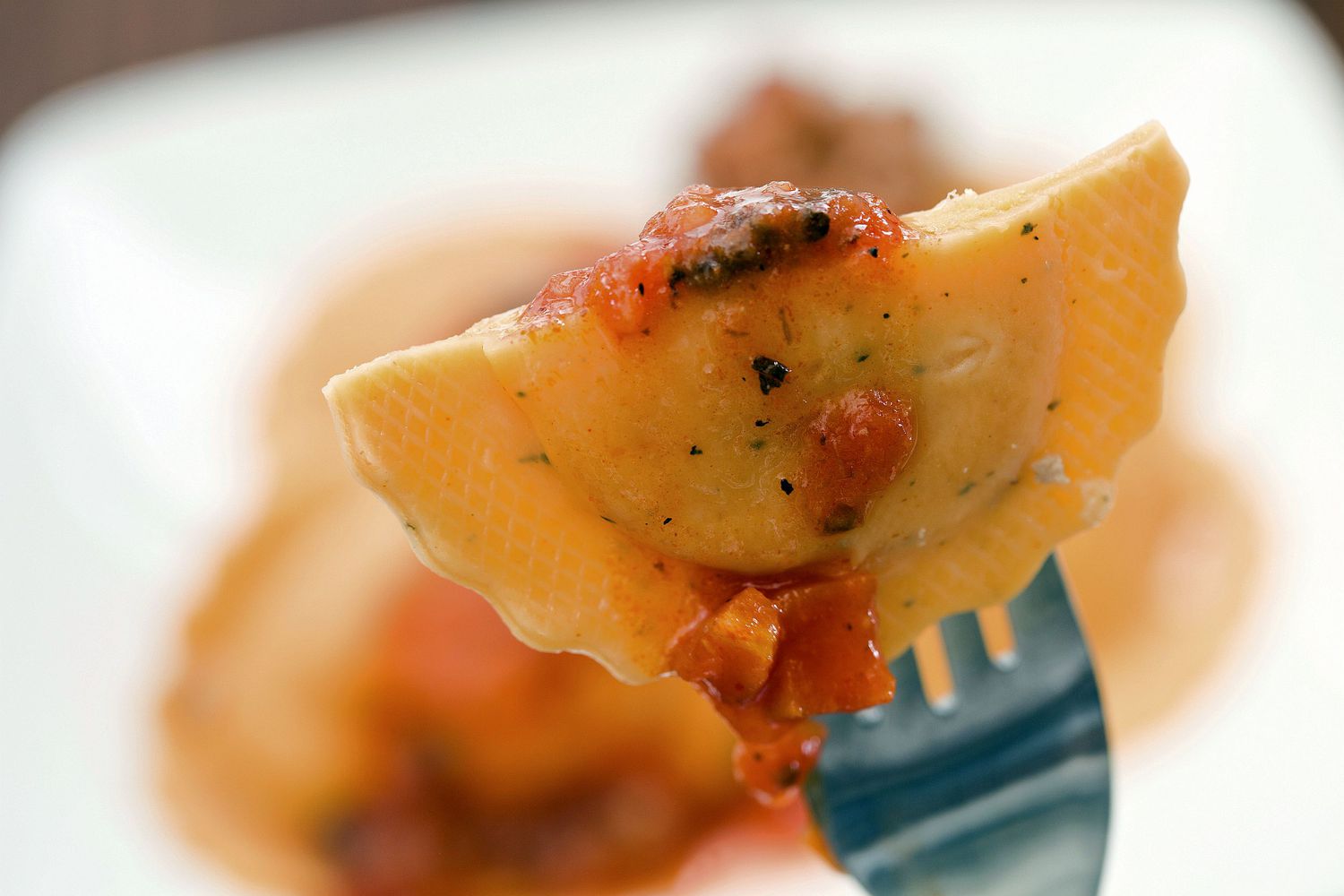
If traditional potato-and-cheese pierogi are the cozy wool blanket of Polish cooking, then sweet potato pierogi filling is the same blanket with a little cinnamon, a golden glow, and perhaps a charming auntie saying, “Try one more, you look hungry.” This Polish sweet potato pierogi filling recipe keeps the heart of classic pierogi intact: soft dough, creamy filling, balanced seasoning, and a filling that tastes homemade in the best possible way.
Sweet potatoes may not be the most old-school pierogi filling in every Polish kitchen, but they fit beautifully into the pierogi world. Their natural sweetness pairs well with farmer’s cheese, ricotta, brown butter, caramelized onions, warm spices, sour cream, and even a touch of fresh herbs. The result is a filling that can lean savory, sweet, or somewhere delightfully in between.
This guide focuses on the filling, but it also explains how to season it, cool it, use it, freeze it, and avoid the dreaded pierogi explosion. Nobody wants dumplings that open in boiling water like tiny orange suitcases.
What Makes Sweet Potato Pierogi Filling So Good?
A great pierogi filling should be creamy but not wet, flavorful but not overpowering, and sturdy enough to sit inside dough without leaking. Sweet potatoes are perfect because they mash into a smooth texture while still holding body. Their earthy sweetness gives the filling character without requiring a long ingredient list.
Classic Polish pierogi often use potatoes, farmer’s cheese, onions, sauerkraut, mushrooms, meat, or fruit. This sweet potato version borrows from both savory potato pierogi and sweet cheese pierogi. Think of it as a friendly bridge between dinner and dessert, with no passport required.
Ingredients for Polish Sweet Potato Pierogi Filling
This recipe makes enough filling for about 36 to 45 pierogi, depending on how generously you fill them.
Main Ingredients
- 2 cups cooked and mashed sweet potatoes, cooled slightly
- 3/4 cup farmer’s cheese or whole-milk ricotta, well drained
- 2 tablespoons unsalted butter, melted
- 1 tablespoon brown sugar or maple syrup
- 1/2 teaspoon fine salt
- 1/4 teaspoon black pepper, optional for a savory version
- 1/4 teaspoon ground cinnamon
- 1/8 teaspoon ground nutmeg
- 1 tablespoon finely chopped fresh chives or parsley, optional
- 1 egg yolk, optional, for a richer and firmer filling
Optional Flavor Add-Ins
- 1/4 cup caramelized onion for a savory Polish-style flavor
- 1/3 cup shredded sharp cheddar, fontina, or smoked gouda
- 1 teaspoon lemon zest for brightness
- A pinch of ground ginger or allspice for a warmer sweet filling
- 1 tablespoon sour cream if the filling is too thick
Best Sweet Potatoes to Use
Orange-fleshed sweet potatoes are the best choice for this pierogi filling because they are creamy, sweet, and easy to mash. Look for firm sweet potatoes with smooth skin and no soft spots. Medium-size potatoes cook more evenly than giant ones, which is helpful unless you enjoy playing “why is the middle still raw?” in your kitchen.
Roasting is the best method for maximum flavor. It concentrates the natural sugars and prevents excess water from sneaking into the filling. Boiling works too, but boiled sweet potatoes should be drained very well and allowed to steam dry before mashing.
How to Make Polish Sweet Potato Pierogi Filling
Step 1: Cook the Sweet Potatoes
Preheat the oven to 400°F. Pierce 2 to 3 medium sweet potatoes with a fork and place them on a baking sheet. Roast for 45 to 60 minutes, or until completely tender. Let them cool until safe to handle, then peel and mash.
If boiling, peel and cut the sweet potatoes into chunks. Simmer in salted water until fork-tender, about 15 to 20 minutes. Drain thoroughly, then return them to the warm pot for a few minutes so extra moisture evaporates.
Step 2: Mash Until Smooth
Use a potato masher, ricer, or fork to mash the sweet potatoes. For the smoothest pierogi filling, a ricer works beautifully. A food processor can also work, but do not overmix or the texture may become gluey.
Step 3: Add Cheese and Seasoning
In a large bowl, combine the mashed sweet potatoes, farmer’s cheese or drained ricotta, melted butter, brown sugar or maple syrup, salt, cinnamon, and nutmeg. Add black pepper if making the savory version.
Mix until the filling is creamy and evenly combined. Taste it before adding the egg yolk. This is your moment of power. More salt makes it savory. More cinnamon makes it dessert-like. More cheese makes it richer. More tasting makes the cook happier.
Step 4: Adjust the Texture
The filling should be thick enough to scoop and hold its shape. If it looks loose, stir in a tablespoon of breadcrumbs, grated Parmesan, or extra farmer’s cheese. If it is too stiff, add a small spoonful of sour cream or melted butter.
Step 5: Cool Completely
Cool the filling before using it in pierogi dough. Warm filling can soften the dough and make sealing harder. If you have time, refrigerate the filling for 30 minutes. Chilled filling is easier to scoop, less messy, and less likely to escape during boiling.
Sweet vs. Savory: Which Version Should You Make?
The beauty of this sweet potato pierogi filling recipe is that it can go in two directions.
Savory Sweet Potato Pierogi Filling
For a savory version, reduce the brown sugar to 1 teaspoon or skip it entirely. Add caramelized onions, black pepper, chives, and a sharper cheese like cheddar or smoked gouda. Serve the pierogi with butter-fried onions, sour cream, crispy bacon, or mushrooms.
Sweet Sweet Potato Pierogi Filling
For a sweeter version, keep the brown sugar or maple syrup, add a little extra cinnamon, and skip the onions and black pepper. Serve with melted butter, sour cream, toasted breadcrumbs, powdered sugar, or a drizzle of honey. It is not quite dessert, not quite dinner, and very much a reason to own stretchy pants.
How Much Filling Goes in Each Pierogi?
Use about 1 1/2 teaspoons to 1 tablespoon of filling per pierogi, depending on the size of your dough circles. A 3-inch round usually needs about 2 teaspoons of filling. The goal is a plump dumpling, not a sweet potato balloon.
Place the filling slightly off-center, fold the dough over, and press out any trapped air before sealing. Air pockets can expand during boiling and cause pierogi to burst. Seal the edges firmly with your fingers, then crimp with a fork if desired.
Best Dough for Sweet Potato Pierogi
This filling works with most homemade pierogi dough recipes. A simple dough made from flour, warm water, salt, and a little oil or butter is a reliable choice. Some American-style recipes include sour cream or egg for tenderness and richness. Both styles can work well.
The dough should be soft, elastic, and easy to roll. If it springs back aggressively, let it rest for 20 to 30 minutes. Dough, like people, behaves better after a short break.
How to Cook Sweet Potato Pierogi
Boiling Method
Bring a large pot of salted water to a gentle boil. Add pierogi in batches, making sure not to overcrowd the pot. Stir gently so they do not stick to the bottom. Once they float, cook for another 2 to 3 minutes, then remove with a slotted spoon.
Pan-Frying Method
For extra flavor, pan-fry boiled pierogi in butter until lightly golden on both sides. Add sliced onions to the skillet and cook until soft and browned. This step turns good pierogi into “please leave me alone with this plate” pierogi.
Serving Ideas
Sweet potato pierogi can be served as a main dish, side dish, holiday dish, or brunch surprise. They are especially good in fall and winter, but honestly, dumplings do not check the calendar.
- Serve savory pierogi with sour cream, caramelized onions, and fresh dill.
- Pair sweet pierogi with cinnamon butter and toasted pecans.
- Add crispy bacon or pancetta for smoky contrast.
- Serve with roasted Brussels sprouts, cabbage, or a simple green salad.
- Top with brown butter and sage for a cozy autumn flavor.
Common Mistakes to Avoid
Using Watery Sweet Potatoes
Too much moisture is the enemy of a good filling. Roast the sweet potatoes when possible, and always let boiled sweet potatoes steam dry before mashing.
Skipping the Cooling Step
Warm filling makes dough sticky and harder to seal. Cool the filling completely before assembling.
Overfilling the Pierogi
It is tempting to pack in more filling, but overfilled pierogi often split. Keep the amount modest and seal the edges well.
Not Tasting Before Filling
Once the filling is sealed inside dough, adjusting seasoning becomes impossible unless you own a tiny dumpling funnel, which you almost certainly do not.
How to Store and Freeze Sweet Potato Pierogi Filling
The filling can be made up to 2 days ahead and stored in an airtight container in the refrigerator. Let it cool completely before covering. If the filling releases liquid after chilling, stir it well and add a spoonful of breadcrumbs or cheese if needed.
You can also freeze the filling for up to 2 months. Thaw it overnight in the refrigerator, then stir before using. For best results, freeze assembled pierogi instead of just the filling. Arrange pierogi in a single layer on a parchment-lined baking sheet, freeze until firm, then transfer to freezer bags.
Cooked leftovers should be refrigerated within 2 hours and eaten within 3 to 4 days. Reheat gently in a skillet with butter or in the microwave until hot throughout.
Recipe Variations
Sweet Potato and Farmer’s Cheese Pierogi
Use farmer’s cheese for a tangier, more traditional Polish-style filling. It gives the pierogi a pleasant richness without making them heavy.
Sweet Potato and Ricotta Pierogi
Ricotta makes the filling creamy and mild. Drain it first so the filling does not become too soft.
Sweet Potato and Onion Pierogi
Fold in caramelized onions for a savory filling that tastes closer to classic potato pierogi. This version is excellent with sour cream and black pepper.
Sweet Potato Dessert Pierogi
Add cinnamon, nutmeg, brown sugar, and a little vanilla. Serve with melted butter, powdered sugar, or sweetened sour cream.
Why This Recipe Works
This filling works because it balances moisture, richness, sweetness, and structure. Sweet potatoes provide the creamy base. Cheese adds tang and body. Butter rounds out the flavor. Salt keeps the filling from tasting flat. Warm spices bring depth without turning the pierogi into pie filling.
The recipe also gives you flexibility. You can make it more Polish-inspired with farmer’s cheese and onions, more American holiday-style with maple and cinnamon, or more gourmet with brown butter and sage. It is a forgiving recipe, which is good news for anyone whose kitchen personality is “confident but occasionally chaotic.”
Experiences and Practical Kitchen Notes
The first time you make sweet potato pierogi filling, the biggest surprise may be how familiar it feels. Even though sweet potatoes are not the most traditional pierogi filling, the process feels very close to making classic potato-and-cheese pierogi. You cook, mash, season, cool, scoop, seal, boil, and then wonder why you did not start earlier in the afternoon.
One helpful experience is learning that roasted sweet potatoes make a noticeably better filling than boiled ones. Boiled sweet potatoes can work, especially when time is short, but they tend to bring extra moisture. That moisture may not seem like a big problem while mixing, but it becomes obvious when the dough refuses to seal or the filling tries to slide out like it has somewhere important to be. Roasting gives a deeper flavor and a thicker mash, which makes assembly easier.
Another lesson is that the filling should taste slightly stronger before it goes into the dough. Pierogi dough is mild, so it softens the flavor of whatever is inside. If the filling tastes perfect in the bowl, it may taste a little quiet after boiling. A pinch more salt, a touch more cheese, or a little extra spice can make the finished pierogi more satisfying.
Texture matters just as much as flavor. A good filling should be scoopable and soft, but not runny. If you press a spoon through it, it should leave a gentle trail. If it spreads like soup, it needs help. Add more farmer’s cheese, breadcrumbs, or even a spoonful of mashed regular potato. If it is too stiff, loosen it with melted butter or sour cream. Think creamy mashed potatoes, not cake batter.
Assembly also gets easier with patience. Roll the dough thin, but not paper-thin. Keep unused dough covered so it does not dry out. Use a small cookie scoop or teaspoon for even portions. Press the edges firmly and check for little gaps. A tiny opening may not look dramatic on the counter, but in boiling water it can become a dumpling disaster documentary.
Cooking in small batches is another practical trick. Crowding the pot can cause pierogi to stick together or break. A gentle boil is better than a wild, bubbling volcano. Once the pierogi float, give them a couple more minutes so the dough finishes cooking and the filling warms through.
For serving, butter is not optional in spirit, even if it is optional on paper. A skillet with butter and onions brings out the best in savory sweet potato pierogi. For a sweeter version, brown butter with cinnamon or toasted breadcrumbs makes the dish feel special without being fussy.
Sweet potato pierogi are also excellent for gatherings because they can be made ahead. In fact, the process feels less overwhelming when split into stages. Make the filling one day, prepare the dough and assemble the next, then freeze extras for future comfort-food emergencies. Few things feel more heroic than discovering homemade pierogi in the freezer on a busy night.
Most importantly, this recipe invites personalization. Some families will prefer it with farmer’s cheese and onions. Others may love it with maple, cinnamon, and ricotta. Both versions are valid. Pierogi are humble, generous food. They do not demand perfection. They only ask that you seal the edges, boil them gently, and serve them with something delicious on top.
Conclusion
This Polish sweet potato pierogi filling recipe is creamy, flavorful, flexible, and perfect for anyone who loves homemade comfort food with a creative twist. Sweet potatoes bring natural sweetness and beautiful color, while cheese, butter, salt, and spices create balance. Whether you make the filling savory with onions and herbs or sweet with cinnamon and maple, it fits beautifully inside tender pierogi dough.
The best part is that the recipe is practical. You can prepare the filling ahead, freeze assembled pierogi, and serve them for holidays, family dinners, or cozy weekends. Once you master the texture and seasoning, you can adjust the recipe endlessly. That is the magic of pierogi: simple ingredients, big comfort, and just enough kitchen effort to make everyone think you are a culinary legend.














