
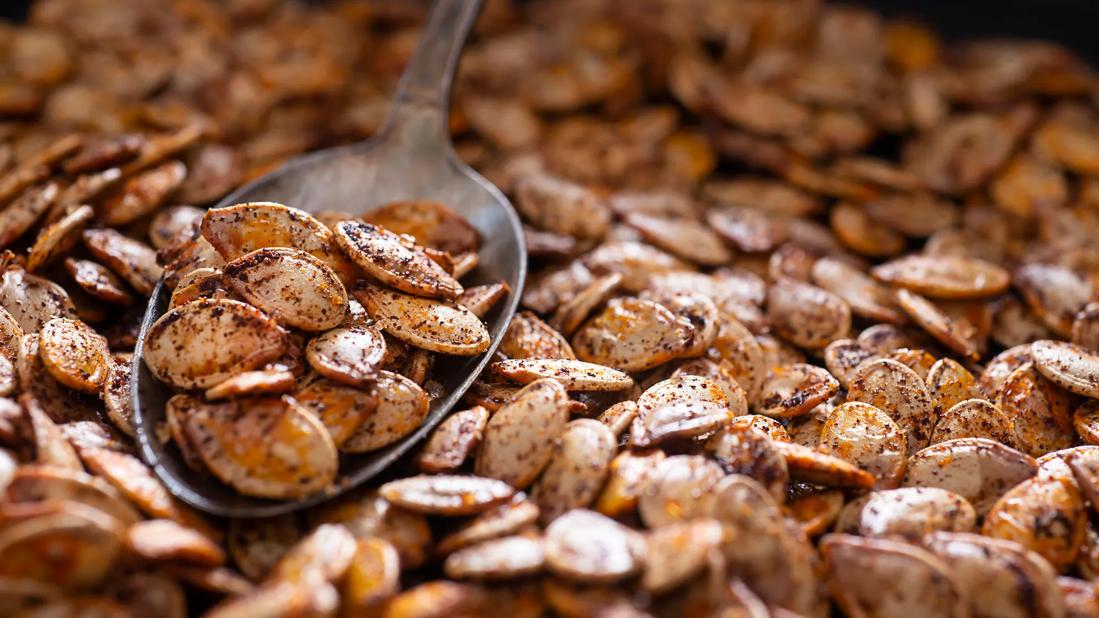
Pumpkin seeds may be tiny, but nutritionally speaking, they arrive with the confidence of a marching band. Also known as pepitas when hulled, these crunchy little seeds are packed with plant-based protein, healthy fats, magnesium, zinc, iron, fiber, antioxidants, and enough snack potential to rescue a boring salad from a very sad lunch break.
So, are pumpkin seeds good for you? For most people, yes. They are nutrient-dense, versatile, naturally low in sugar, and easy to add to everyday meals. They may support heart health, better digestion, steady energy, immune function, sleep quality, bone health, and healthy blood pressure as part of a balanced diet. They are not magic medicine, of course. No seed, no matter how adorable, can replace sleep, exercise, vegetables, or a doctor’s advice. But pumpkin seeds are one of those simple foods that can quietly improve the quality of your diet without requiring a blender, a subscription box, or a complicated morning ritual involving moonlight.
Let’s break down the real benefits of pumpkin seeds, how much to eat, whether raw or roasted is better, and how to enjoy them without accidentally turning your “healthy snack” into a sodium festival.
What Are Pumpkin Seeds?
Pumpkin seeds are the edible seeds found inside pumpkins. They may be eaten with their white shell intact or hulled, which reveals the green inner seed often called a pepita. Shell-on pumpkin seeds tend to offer more fiber, while hulled pepitas are softer, easier to chew, and often higher in calories and fat per ounce because they are more concentrated.
You can eat pumpkin seeds raw, roasted, salted, unsalted, spiced, ground into seed butter, blended into smoothies, sprinkled over oatmeal, or tossed into trail mix. Their flavor is nutty, mild, and slightly earthy, which means they work in both sweet and savory dishes. Basically, pumpkin seeds are the friend who can hang out at breakfast, lunch, dinner, and snack time without making things awkward.
Pumpkin Seeds Nutrition: What Makes Them So Healthy?
The exact nutrition depends on whether the seeds are shelled, unshelled, raw, roasted, salted, or oil-roasted. In general, pumpkin seeds provide a strong mix of protein, unsaturated fats, minerals, and antioxidants. A typical one-ounce serving of pumpkin seeds or pepitas may provide roughly 125 to 170 calories, 5 to 9 grams of protein, several grams of healthy fats, and meaningful amounts of magnesium, zinc, iron, phosphorus, copper, and manganese.
That nutrient profile matters because many people do not get enough magnesium, fiber, or mineral-rich plant foods in their regular diet. Pumpkin seeds offer an easy way to add more nutrition to meals without changing your whole lifestyle. You do not have to become a wilderness forager or a person who says “mouthfeel” too often. You just need a spoonful or two.
Key nutrients in pumpkin seeds include:
- Magnesium: Supports muscle function, nerve function, energy production, bone health, and healthy blood pressure.
- Zinc: Helps support immune function, wound healing, normal growth, and cellular repair.
- Plant-based protein: Helps with fullness, muscle maintenance, and balanced meals.
- Healthy fats: Mostly unsaturated fats that fit well into a heart-supportive eating pattern.
- Fiber: Especially in shell-on seeds, fiber supports digestion and helps meals feel more satisfying.
- Iron: Important for oxygen transport and energy metabolism.
- Antioxidants: Pumpkin seeds contain plant compounds that may help protect cells from oxidative stress.
Top Pumpkin Seeds Benefits
1. Pumpkin Seeds May Support Heart Health
One of the biggest pumpkin seeds benefits is their heart-friendly nutrient package. They contain magnesium, unsaturated fats, fiber, potassium, and plant compounds that may support healthy cholesterol and blood pressure levels when eaten as part of an overall balanced diet.
Magnesium is especially important for cardiovascular health because it helps regulate muscle and nerve function, including the heart muscle. Diets rich in magnesium-containing foods are often associated with better blood pressure control. Pumpkin seeds also provide unsaturated fats, which are generally preferred over saturated fats in heart-conscious eating patterns.
Of course, pumpkin seeds cannot “cancel out” a diet built on greasy takeout and heroic portions of processed meat. But sprinkled over salads, soups, whole grains, or yogurt, they can be part of a smarter eating pattern that supports your heart without making meals taste like cardboard with ambition.
2. They Are Rich in Magnesium
If pumpkin seeds had a nutrition résumé, magnesium would be listed near the top in bold. Magnesium is involved in hundreds of processes in the body, including energy production, muscle contraction, nerve signaling, blood sugar regulation, and bone structure.
Many adults fall short on magnesium-rich foods. Pumpkin seeds make it easy to add more because they require almost no prep. A small handful can contribute a useful amount of magnesium, especially when paired with other magnesium-rich foods such as leafy greens, beans, oats, nuts, and whole grains.
This does not mean everyone needs a magnesium supplement. In fact, food-first is usually the smarter starting point. Pumpkin seeds bring magnesium along with protein, healthy fats, fiber, and flavor. Supplements bring magnesium and, occasionally, a surprise bathroom sprint. Food tends to be friendlier.
3. Pumpkin Seeds Can Help You Feel Full
Pumpkin seeds offer a satisfying combination of protein, fat, and fiber. That trio can help slow digestion and keep you feeling full longer than a snack made mostly of refined carbohydrates.
For example, a bowl of oatmeal topped with pumpkin seeds, berries, and cinnamon will usually keep you satisfied longer than plain toast with jam. A salad with pumpkin seeds, beans, vegetables, and grilled chicken or tofu feels more complete than lettuce alone, which is basically a crispy weather report.
This fullness factor can support balanced eating because snacks that actually satisfy you may reduce the urge to keep grazing. Portion still matters, though. Pumpkin seeds are calorie-dense, so a small handful is plenty for most people.
4. They May Support Better Sleep
Pumpkin seeds contain tryptophan, an amino acid the body uses to help produce serotonin and melatonin, both of which are involved in mood and sleep regulation. They also provide magnesium and zinc, two minerals connected to normal nervous system function.
Does this mean eating pumpkin seeds will knock you out like a fairy-tale sleeping spell? No. Sleep quality depends on many things, including stress, light exposure, caffeine, bedtime habits, room temperature, and whether you decided to watch “just one more episode” at 11:47 p.m.
Still, pumpkin seeds can be a smart evening snack when paired with a balanced routine. Try a small serving with Greek yogurt, a banana, or warm oatmeal. Keep it light, unsalted, and not too close to bedtime if your stomach dislikes late-night snacks.
5. Pumpkin Seeds May Benefit Digestive Health
Fiber is essential for digestive regularity, gut health, and comfortable fullness. Shell-on pumpkin seeds are especially fiber-rich, while hulled pepitas contain less fiber but are still a nutritious choice.
If you are not used to eating much fiber, start slowly. Adding a large amount of shell-on seeds all at once may lead to gas, bloating, or stomach discomfort. Your digestive system appreciates a polite introduction, not a surprise party.
Also, drink enough water when increasing fiber-rich foods. Fiber works best when fluid is part of the plan. A handful of pumpkin seeds plus a glass of water is a better strategy than eating half a bag and hoping your intestines improvise.
6. They Provide Zinc for Immune Support
Zinc plays an important role in immune function, cell growth, wound healing, and normal taste and smell. Pumpkin seeds are one of the better plant-based sources of zinc, making them especially useful for people who eat little or no meat.
Getting zinc from food is generally safer than overdoing it with supplements. Too much supplemental zinc can interfere with copper status and cause unwanted effects. Pumpkin seeds offer zinc in a food-based package with other helpful nutrients.
For a zinc-friendly meal, add pumpkin seeds to lentil soup, black bean chili, roasted vegetables, quinoa bowls, or avocado toast. The seeds add crunch, flavor, and the satisfying feeling that your lunch has its life together.
7. Pumpkin Seeds May Support Bone Health
Bone health is not just about calcium. Magnesium, phosphorus, zinc, protein, and other nutrients also play important roles in building and maintaining strong bones. Pumpkin seeds provide several of these minerals, making them a helpful addition to a bone-supportive diet.
This is especially useful for people who do not consume much dairy or who want more mineral-rich plant foods. Pair pumpkin seeds with leafy greens, fortified foods, beans, tofu, yogurt, sardines, or other calcium-rich options for a more complete bone-health approach.
8. They May Help With Blood Sugar Balance
Pumpkin seeds are naturally low in sugar and contain protein, fat, fiber, and magnesium. This mix can help make meals more balanced and may support steadier blood sugar compared with snacks high in refined carbohydrates.
For example, eating fruit with pumpkin seeds can be more satisfying than eating fruit alone. Adding them to oatmeal, smoothie bowls, or whole-grain toast can help slow digestion and create a more balanced breakfast.
People with diabetes or blood sugar concerns should still follow their clinician’s guidance and pay attention to portions, total carbohydrates, and overall meal patterns. Pumpkin seeds are helpful, but they are not a replacement for a personalized plan.
9. Pumpkin Seeds May Support Prostate and Bladder Health
Pumpkin seeds and pumpkin seed oil have been studied for possible benefits related to urinary comfort, overactive bladder symptoms, and benign prostatic hyperplasia, also called BPH. Some research suggests they may offer mild support, likely due to plant compounds, minerals, and fats found in the seeds and oil.
However, this is an area where expectations should stay realistic. Pumpkin seeds are food, not a guaranteed treatment. Anyone with frequent urination, pain, blood in the urine, sudden urinary changes, or prostate concerns should talk with a healthcare professional. Snacks are wonderful. Medical evaluation is better when symptoms are serious.
10. They Add Antioxidants to Your Diet
Pumpkin seeds contain antioxidants, including phenolic compounds, flavonoids, carotenoids, and vitamin E-related compounds. Antioxidants help the body manage oxidative stress, which is part of normal metabolism but can become harmful when excessive.
Rather than thinking of antioxidants as tiny superheroes flying through your bloodstream in capes, think of them as part of a broad defense system supported by a varied diet. Pumpkin seeds can contribute, but they work best alongside colorful fruits, vegetables, herbs, spices, legumes, whole grains, nuts, and other seeds.
Raw vs. Roasted Pumpkin Seeds: Which Is Better?
Both raw and roasted pumpkin seeds can be healthy. Raw seeds may retain slightly more heat-sensitive nutrients, while roasted seeds often taste better and feel crunchier. The healthiest choice is usually the one you will actually eat in reasonable portions.
If buying packaged pumpkin seeds, check the sodium content. Salted varieties can be tasty, but sodium adds up quickly. Dry-roasted, unsalted pumpkin seeds are often a better everyday choice. If roasting at home, use a light touch with oil and seasoning. Smoked paprika, cinnamon, garlic powder, cumin, chili powder, or rosemary can add big flavor without turning the snack into a salt lick.
How Many Pumpkin Seeds Should You Eat Per Day?
A common serving is about one ounce, or roughly a small handful. For hulled pepitas, that may be around a quarter cup. For shell-on pumpkin seeds, the volume may look larger because the shells take up space.
Most people do well with one to two tablespoons as a topping or about one small handful as a snack. If you are watching calories, sodium, or digestive comfort, measure once or twice until you learn what a serving looks like. Pumpkin seeds are healthy, but they are also energy-dense. Eating them straight from the bag can lead to the classic “where did they all go?” experience.
Possible Side Effects of Pumpkin Seeds
Pumpkin seeds are safe for most people, but there are a few things to keep in mind.
Digestive discomfort
Large portions, especially of shell-on seeds, may cause bloating, gas, or stomach discomfort if your body is not used to much fiber. Start with a small serving and increase gradually.
Calories can add up
Because pumpkin seeds contain healthy fats, they are calorie-dense. This is not a bad thing, but portion size matters if you are managing weight or total energy intake.
Salted varieties may be high in sodium
Choose unsalted or lightly salted pumpkin seeds most often, especially if you are trying to support healthy blood pressure.
Allergies are possible
Seed allergies are less common than some other food allergies, but they can happen. Anyone with symptoms such as swelling, hives, breathing trouble, or severe stomach symptoms after eating seeds should seek medical help.
Easy Ways to Eat More Pumpkin Seeds
Pumpkin seeds are wonderfully low-maintenance. They do not require peeling tiny fruit, massaging kale, or pretending plain rice cakes are exciting. Here are simple ways to use them:
- Sprinkle them over oatmeal, yogurt, or smoothie bowls.
- Add them to salads for crunch instead of croutons.
- Mix them into homemade granola or trail mix.
- Blend them into pesto with basil, olive oil, garlic, and lemon.
- Use them as a topping for roasted squash, carrots, or sweet potatoes.
- Stir them into whole-grain muffins or quick breads.
- Add ground pumpkin seeds to soups for texture and nuttiness.
- Make spicy roasted pumpkin seeds with paprika and cayenne.
- Pair them with fruit for a balanced snack.
Are Pumpkin Seeds Good for Weight Management?
Pumpkin seeds can fit well into a weight-conscious eating plan because they are filling, flavorful, and nutrient-dense. Their protein, fat, and fiber can make snacks more satisfying, which may help reduce mindless eating later.
The key is portion control. A small handful can be helpful; several large handfuls can quietly become a meal’s worth of calories. For weight management, use pumpkin seeds as a topping rather than the entire event. Add one tablespoon to a salad, sprinkle two tablespoons over oatmeal, or pack a small portion instead of carrying the full bag around like an edible emotional support pillow.
Who Should Be Careful With Pumpkin Seeds?
People with seed allergies should avoid pumpkin seeds unless cleared by a healthcare professional. People who need to limit fiber temporarily due to certain digestive conditions or medical procedures should ask their clinician before eating large amounts of shell-on seeds. Anyone following a low-sodium diet should choose unsalted varieties.
For children, pumpkin seeds should be served in an age-appropriate way to reduce choking risk. Ground pumpkin seeds, seed butter, or finely chopped seeds may be safer for younger kids than whole seeds.
Real-Life Experience: What It’s Like Adding Pumpkin Seeds to Your Diet
In real life, pumpkin seeds are one of the easiest “healthy upgrades” because they do not demand a complete personality change. You can add them to foods you already eat. That matters, because the best nutrition habits are the ones that survive a busy Tuesday.
For breakfast, pumpkin seeds work beautifully on oatmeal. The first thing you notice is texture. Oatmeal can be comforting, but without toppings it sometimes has the personality of wet beige. A spoonful of pumpkin seeds adds crunch, nuttiness, and staying power. Add sliced banana, cinnamon, and a little peanut butter, and suddenly breakfast feels intentional instead of accidental.
At lunch, pumpkin seeds can rescue a salad from boredom. A basic bowl of greens, chicken or chickpeas, tomatoes, cucumbers, and vinaigrette becomes more satisfying with a sprinkle of pepitas. They act like tiny croutons with better nutrition and less drama. The same trick works for grain bowls. Brown rice, quinoa, roasted vegetables, beans, avocado, and pumpkin seeds make a filling meal with protein, fiber, minerals, and flavor in every bite.
As a snack, pumpkin seeds are convenient but require a little honesty. They are easy to overeat. The bag may say “about 15 servings,” but your hand may strongly disagree. A good habit is to portion them into a small bowl instead of eating from the package. Pair them with fruit, such as an apple or orange, for a snack that feels complete. The fruit gives freshness and natural sweetness; the seeds bring crunch and richness.
For dinner, pumpkin seeds are surprisingly useful. Toasted pepitas taste great on soups, especially butternut squash soup, black bean soup, tomato soup, or chili. They also pair well with roasted vegetables. Try roasted sweet potatoes with pumpkin seeds, lime, cilantro, and a little Greek yogurt. It tastes restaurant-level, but without the restaurant bill or the tiny decorative smear of sauce no one asked for.
One practical lesson is that unsalted seeds are more flexible. Salted pumpkin seeds are tasty, but they can overpower sweet breakfasts and push sodium higher than expected. Unsalted seeds can go anywhere. You can make them savory with garlic powder and smoked paprika, sweet with cinnamon, or spicy with chili powder.
Another experience-based tip: store pumpkin seeds properly. Because they contain healthy fats, they can go rancid if left too long in a warm pantry. Keep them in an airtight container in a cool, dark place. For longer storage, the refrigerator or freezer works well. Fresh pumpkin seeds should smell nutty and mild, not paint-like, bitter, or stale.
People with sensitive digestion may prefer hulled pepitas over shell-on seeds. Shell-on seeds provide more fiber, but they can feel rough if eaten in large amounts. Pepitas are softer and easier to sprinkle into meals. Ground pumpkin seeds are another option for smoothies, yogurt, sauces, and baked goods.
The biggest benefit of pumpkin seeds may be how simple they make better eating feel. They do not require perfection. They just make common meals a little more nutritious, more satisfying, and more interesting. That is the kind of health habit that tends to stick.
Final Verdict: Are Pumpkin Seeds Good for You?
Yes, pumpkin seeds are good for most people. They are rich in magnesium, zinc, plant-based protein, healthy fats, fiber, iron, and antioxidants. They may support heart health, digestion, immune function, sleep quality, bone health, and balanced meals. They are also affordable, shelf-stable, and easy to use in both sweet and savory recipes.
The smartest way to eat pumpkin seeds is simple: choose unsalted or lightly salted varieties, keep portions reasonable, and use them as part of a varied diet. Think of pumpkin seeds as a small daily upgrade, not a miracle cure. They will not solve every health problem, but they can make your meals crunchier, tastier, and more nutrient-rich. And honestly, that is a pretty impressive résumé for something small enough to hide in a muffin.
Note: This article is for general educational purposes only and should not replace personalized medical advice. If you have allergies, digestive conditions, kidney disease, urinary symptoms, or specific nutrition concerns, speak with a qualified healthcare professional.













