
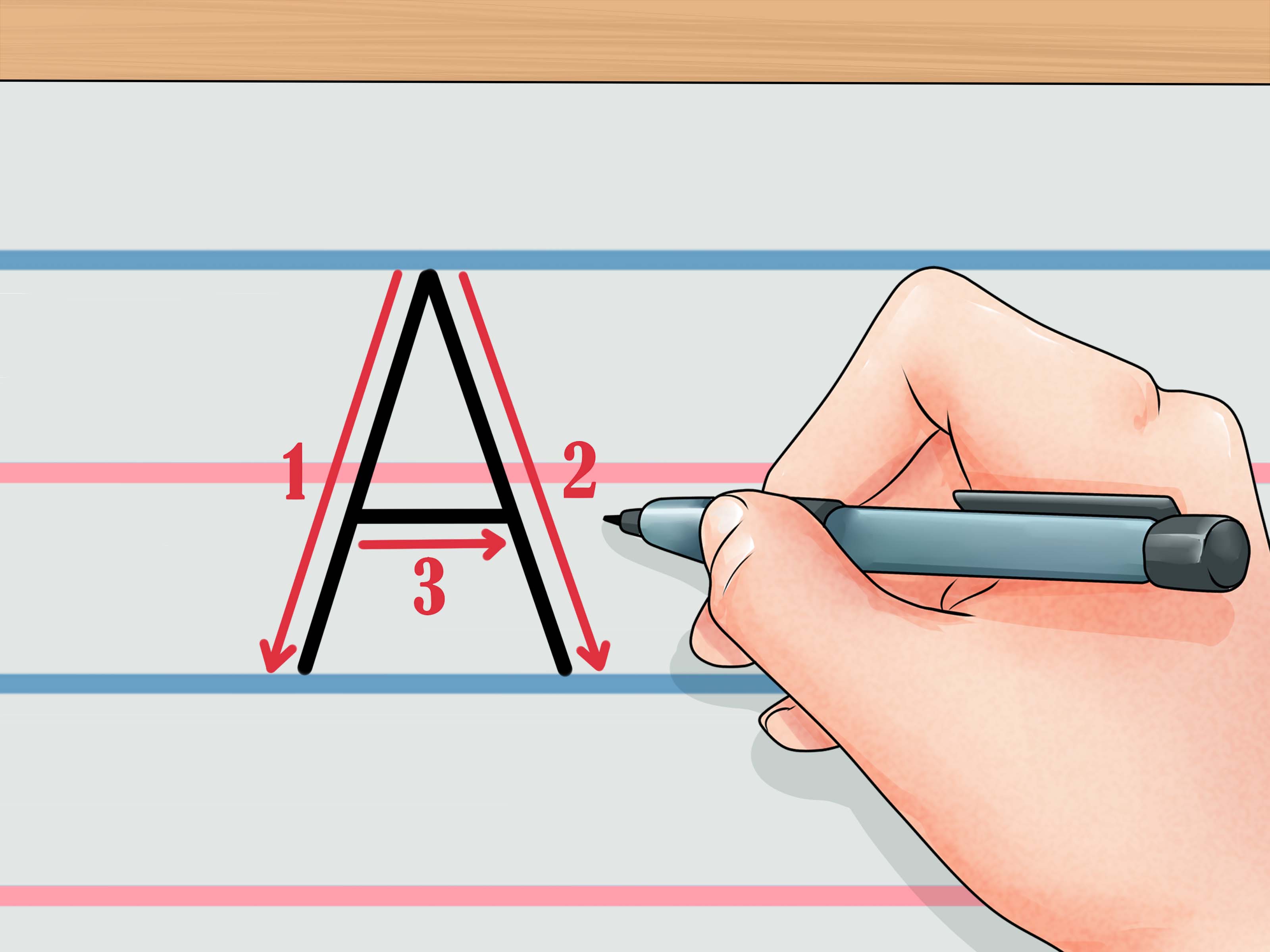
Need a single letter, a surprise writing prompt, a classroom warm-up, or a tiny spark of chaos that does not require assembling furniture from Sweden? A random letter generator can help.
What Is a Random Letter Generator?
A random letter generator is a simple online tool that selects one or more letters from the alphabet, usually from A to Z. You click a button, the tool chooses a letter, and suddenly your brain has a job. Maybe you need a starting letter for a game. Maybe you are teaching phonics. Maybe you are naming a fictional wizard, a startup, a pet goldfish, or a suspiciously dramatic sourdough starter. Whatever the mission, the random letter generator removes choice fatigue and adds a little unpredictability.
At its most basic, a random letter picker works by connecting the 26 letters of the English alphabet to numbers. For example, A may equal 1, B may equal 2, and Z may equal 26. The tool then selects a number at random and displays the matching letter. Some generators allow uppercase letters, lowercase letters, vowels only, consonants only, repeated letters, no repeated letters, or multiple letters at once. A more advanced random alphabet generator may also let users exclude letters, set a quantity, copy results, or generate printable lists.
The beauty of the tool is that it is small but surprisingly useful. A random letter generator A-Z can support education, games, brainstorming, writing exercises, passwords, icebreakers, spelling practice, and creative challenges. It is the digital version of pulling a tile from a bag, except nobody has to crawl under the table looking for the missing Q.
Why Random Letters Are More Useful Than They Look
Letters are the building blocks of written language. The English alphabet has 26 letters arranged in a familiar order from A to Z, and those letters help represent sounds, words, names, codes, and ideas. A random letter generator takes that familiar structure and adds chance. That tiny twist can make routine activities feel fresh.
Randomness is powerful because it interrupts predictable thinking. When someone chooses a letter manually, they may unconsciously favor common letters like A, S, T, or M. A random letter picker does not care about your preferences, your favorite initials, or your secret grudge against the letter X. It simply selects according to its design. That makes it useful for fair games, unbiased prompts, and fast decisions.
In classrooms, random letters can help children practice letter recognition, phonics, vocabulary, spelling, and alphabet order. In word games, they create constraints that make players think faster and more creatively. In writing, they can start a prompt: “Write a story where every character’s name begins with B,” or “List ten objects beginning with R.” In design and branding, random letters may become inspiration for logos, initials, abbreviations, or project names.
How a Random Letter Generator Works
1. The Alphabet Becomes a List
The tool begins with a defined list of characters. For a standard random letter generator, that list is usually:
A, B, C, D, E, F, G, H, I, J, K, L, M, N, O, P, Q, R, S, T, U, V, W, X, Y, Z
Some tools use lowercase letters instead. Others combine uppercase and lowercase results. For educational purposes, uppercase letters are often easier for young learners to recognize first, while lowercase letters are important because they appear more frequently in normal reading.
2. The Tool Selects a Random Position
After creating the list, the generator selects a random position. If there are 26 options, the tool chooses one value between 1 and 26. If it selects position 3, the result is C. If it selects 26, the result is Z. If it selects 17, congratulations, Q has entered the chat wearing a cape.
3. The Result Appears Instantly
Most online letter generators display the result immediately. Some include animation, sound effects, copy buttons, or history logs. A basic tool is enough for quick use, but extra features are helpful when generating many letters for worksheets, games, or classroom activities.
4. Optional Settings Add Control
A good random letter generator often includes settings such as number of letters, uppercase or lowercase, vowels only, consonants only, allow duplicates, remove duplicates, or custom character sets. These settings turn a simple letter picker into a flexible alphabet tool.
True Random vs. Pseudo-Random: The Tiny Nerd Corner
Most everyday random letter generators use pseudo-random number generation. That means a computer algorithm produces results that appear random enough for ordinary uses such as games, classroom exercises, writing prompts, and quick decisions. For casual purposes, pseudo-random is perfectly fine. Your vocabulary game will not collapse because the computer did not consult atmospheric noise before choosing the letter P.
True random systems, on the other hand, draw randomness from physical processes, such as atmospheric noise, electronic noise, or other unpredictable natural signals. These systems matter in fields like cryptography, scientific research, security, and lottery-style drawings where stronger randomness may be required.
For a random letter generator A-Z, the distinction usually does not matter unless the tool is being used for high-stakes selection. If you are picking a letter for alphabet bingo, pseudo-random is more than enough. If you are generating cryptographic keys or running a legal sweepstakes, you need a more carefully designed random system with proper auditability and security practices.
Popular Uses for a Random Letter Generator A-Z
Classroom Learning
Teachers can use a random letter generator to make alphabet practice more interactive. Instead of asking students to recite the alphabet in order, the teacher can generate a letter and ask students to name it, write it, say its sound, identify whether it is a vowel or consonant, or find an object in the room that begins with it.
This supports alphabet knowledge, which includes recognizing letter names, letter shapes, and letter sounds. For early readers, connecting letters to sounds is an important step toward decoding words. A random letter tool turns that practice into a quick game rather than another worksheet quietly plotting revenge from the printer tray.
Vocabulary Games
Random letters are excellent for word challenges. Generate a letter and ask players to list animals, foods, countries, cities, verbs, adjectives, movie titles, or household objects beginning with that letter. For example, if the generator gives “T,” players might write tiger, tomato, Thailand, tornado, trumpet, and toaster. Bonus points if someone explains why their toaster deserves its own movie franchise.
Writing Prompts
Writers often need constraints to get started. A blank page can feel like a haunted mansion with no Wi-Fi. A random letter creates a simple rule: write a poem using five words that begin with L, create a character whose name starts with D, or describe a place beginning with M. The prompt is small enough to be friendly but specific enough to get the imagination moving.
Icebreakers and Party Games
At parties, meetings, camps, or online events, random letters can power fast icebreakers. Generate a letter and ask everyone to share a favorite food, travel destination, hobby, or fictional character beginning with that letter. It is low-pressure, quick, and much better than asking everyone to “say one fun fact,” which usually makes half the room forget every fact they have ever known.
Design and Branding Ideas
Designers, marketers, and business owners can use random letters as creative prompts. A letter may inspire a logo shape, brand initial, product code, campaign name, or visual theme. For example, the letter “V” could suggest victory, velocity, valley, vision, or vintage. Randomness can shake loose ideas that would not appear during a normal brainstorming session.
Games for Adults
Random letters are not only for children. Adults use them in trivia nights, word races, charades, Scattergories-style games, writing clubs, improv exercises, and team-building activities. The generator creates a neutral starting point, which helps prevent arguments over whether someone “picked an easy letter.” Nobody can blame the host. Blame the algorithm. It has no feelings.
Examples of Random Letter Activities
A-Z Word Race
Generate one random letter. Set a timer for one minute. Players write as many words as possible that begin with that letter. To make it harder, choose a category such as animals, verbs, kitchen items, sports, or emotions. The player with the most valid words wins.
Letter Sound Hunt
Generate a letter and ask children to search the room for objects that begin with that sound. If the letter is B, they might find a book, backpack, bottle, blanket, or ball. This activity connects printed letters to real-world sounds and objects.
Story Starter Challenge
Generate three random letters. Use them to create a character, setting, and problem. For example, letters C, M, and S could become “Clara,” “mountain,” and “storm.” Now the writer has a story seed: Clara is trapped on a mountain during a storm. That is already more interesting than “Write anything,” which is how many notebooks become decorative furniture.
Random Initial Name Game
Generate two letters and use them as initials. Players invent a name, job, and personality for a fictional person. If the letters are J and R, someone might create Jamie Rivers, a marine biologist who secretly writes opera reviews. This game is great for drama classes, writing groups, and creative warm-ups.
Alphabet Fitness
Assign an exercise to each letter group. A-F could mean jumping jacks, G-L squats, M-R stretches, and S-Z jogging in place. Generate a random letter and do the matching movement. It is simple, active, and mildly suspicious when Z keeps appearing right after leg day.
Features to Look for in a Good Random Letter Generator
Clean Design
A random letter generator should be easy to use. The best tools have a clear button, readable results, and simple settings. Nobody should need a three-hour tutorial to generate the letter K.
Multiple Letter Options
Users may need one letter or many. A strong tool should allow users to choose how many letters to generate at once. This is especially useful for spelling games, classroom worksheets, coding examples, and creative prompts.
Vowel and Consonant Filters
Vowel-only and consonant-only settings are very useful. Teachers may want students to practice A, E, I, O, and U. Word game players may want to generate consonants for a puzzle. Writers may want a particular sound pattern. Filters make the generator more flexible.
No Duplicate Option
If someone needs a random alphabet sequence, the tool should be able to generate letters without repeats. This creates a shuffled alphabet, useful for codes, games, classroom ordering activities, and puzzle design.
Copy and Reset Buttons
Copy buttons save time. Reset buttons clear results. These small features matter when someone is using the generator repeatedly, especially in a classroom or while preparing materials.
Mobile-Friendly Layout
Many users will open the tool on a phone during a meeting, lesson, game night, or commute. A good A-Z letter generator should work smoothly on mobile devices without tiny buttons or chaotic formatting.
Random Letter Generator for Teachers and Parents
For teachers and parents, a random letter generator can turn alphabet practice into a playful routine. Children often learn best when they are engaged, moving, speaking, drawing, sorting, and discovering. A random letter gives them a reason to interact with the alphabet in different ways.
One day, the letter can become a sound challenge: “What sound does M make?” Another day, it can become handwriting practice: “Write uppercase M and lowercase m.” It can also become a vocabulary builder: “Name three animals that begin with M.” For advanced learners, it can become a spelling challenge: “Write five words that start with M and have more than five letters.”
The tool is also helpful for small groups. Each student can receive a different random letter, then draw an object, write a word, or present a sentence. This keeps practice varied and reduces the classic classroom chorus of “I already did that one.”
Parents can use the generator at home during short learning sessions. Five minutes after dinner can become a letter hunt. A car ride can become a random letter naming game. Bedtime can include one silly sentence using the chosen letter. The goal is not to turn the living room into a testing center. The goal is to make letters familiar, useful, and fun.
Random Letter Generator for Writers
Writers face two enemies: the blank page and the snack cabinet. A random letter generator cannot stop you from eating crackers over your keyboard, but it can help with the blank page. By forcing a small constraint, it gives the brain something to push against.
Try generating one letter and writing a paragraph where five important words begin with that letter. Or generate a letter for a character name, another for a city, and another for the central conflict. For example, letters H, R, and B might lead to Hazel, Riverside, and betrayal. Suddenly, a story begins forming.
Poets can use random letters for alliteration. Copywriters can use them for slogan practice. Bloggers can use them to create headline variations. Fiction writers can use them to avoid naming every character Jack, Emma, or Max. The random letter does not write for you; it simply opens a door. You still have to walk through, preferably with coffee.
Random Letter Generator for Word Games
Word games become more exciting when players must respond quickly to a random letter. The letter creates a fair limitation. Everyone works from the same starting point, and the results reveal who has a giant vocabulary, who watches too many cooking shows, and who thinks “xylophone” is a solution to every X-related problem.
Here are a few game ideas:
- Category Sprint: Generate a letter and name as many items as possible in one category.
- Last Letter Chain: Generate a starting letter, then each new word must begin with the last letter of the previous word.
- Forbidden Letter: Generate a letter that players are not allowed to use in their answers.
- Alphabet Debate: Generate a letter and argue why it is the best letter. This is ridiculous and surprisingly entertaining.
- One-Letter Story: Generate a letter and write a sentence packed with words beginning with it.
These games are easy to run because they require almost no materials. One phone, one generator, and a group of willing players are enough.
Best Practices for Using a Random Letter Picker
Match the Tool to the Task
If you are teaching vowels, use a vowel filter. If you are creating a code, use no-repeat generation. If you are playing a party game, keep it simple and fast. The best tool is the one that fits the purpose without making users feel like they accidentally opened a spaceship control panel.
Use Time Limits
For games and classroom activities, time limits make random letters more exciting. A 30-second or one-minute round keeps energy high and prevents overthinking.
Adjust Difficulty
Some letters are easier than others. B, M, S, and T usually produce many words. Q, X, and Z are trickier. For young learners, start with common letters. For older players, include the whole alphabet and enjoy the dramatic silence when X appears.
Combine Letters with Categories
A single letter is useful. A letter plus a category is better. “Name words beginning with C” is fine. “Name foods beginning with C” is more focused. “Name fancy foods beginning with C” is how someone confidently says “caviar” and wins the round.
Common Questions About Random Letter Generators
Can a random letter generator pick more than one letter?
Yes. Many tools can generate multiple letters at once. Some allow duplicate letters, while others create a unique random sequence.
Can I generate only vowels?
Yes, if the tool includes a vowel filter. The standard English vowels are A, E, I, O, and U. Sometimes Y is treated as a vowel depending on the word, but most basic tools keep Y with the consonants unless custom settings are available.
Can I generate only consonants?
Yes. A consonant filter removes vowels and generates from the remaining letters. This is useful for spelling games, phonics practice, and puzzle creation.
Is a random letter generator good for kids?
Yes, when used appropriately. It can support letter recognition, sound practice, vocabulary building, and playful learning. Adults should choose activities that match the child’s age and reading level.
Is it truly random?
Most online tools use pseudo-random algorithms. For everyday games and learning, that is usually enough. High-stakes uses require stronger randomization methods and careful verification.
Experiences Related to Using a Random Letter Generator: A-Z
Using a random letter generator sounds like a tiny activity, but it can change the mood of a lesson, game, or writing session almost immediately. The best experiences usually happen when the tool is treated not as a gimmick, but as a prompt machine. It gives people a starting point, and that starting point removes the awkward pause where everyone stares at the ceiling hoping inspiration will politely arrive.
In classroom-style activities, the random letter generator works especially well because it feels fair. When a teacher chooses a letter, students may assume the easy ones were picked on purpose or the hard ones were assigned as punishment. When the generator chooses, the result feels neutral. If the letter is S, everyone cheers because there are many possible words. If the letter is Q, everyone groans, laughs, and suddenly learns that “quail,” “quilt,” “question,” and “quiet” are useful words after all. That emotional reaction helps make the activity memorable.
One useful experience is the “letter of the minute” challenge. Generate a random letter and ask learners to write as many words as they can before the timer ends. At first, people usually write obvious words. Then they begin searching deeper in memory. With the letter B, a young learner might start with ball, bat, and bag. An older student might add brave, brittle, biology, and bargain. The same random letter can serve different levels without changing the basic activity.
Another strong experience comes from family game nights. A random letter generator can replace cards, dice, spinners, or homemade slips of paper. Someone opens the tool, taps the button, and the round begins. The simplicity matters. There are no missing pieces, no complicated setup, and no argument about whether Dad shuffled the deck correctly. The generator becomes the referee, and the family can focus on laughing at answers instead of managing rules.
For writers, the experience is quieter but just as useful. Many writing prompts are too broad. “Write a story” can freeze the brain. “Write a story featuring a character whose name begins with V, an object beginning with C, and a place beginning with R” is much easier. The random letters create a puzzle. The writer starts connecting pieces: Violet, compass, railway station. Suddenly there is atmosphere, conflict, and direction. The generator did not create the story, but it gave the imagination something to grip.
Random letters can also be helpful in meetings and workshops. A facilitator might generate a letter and ask participants to name a value, goal, challenge, or idea beginning with that letter. If the topic is customer service and the letter is P, people might say patience, process, personalization, politeness, or problem-solving. This turns a predictable brainstorming session into something more playful. It also encourages participation from people who might not speak up during open-ended discussion.
One surprisingly effective use is creative naming. People often get stuck naming projects, teams, files, folders, pets, newsletters, and imaginary detective agencies. A random letter gives the naming process a direction. If the generated letter is L, a team might brainstorm names like Launch Lab, Letter Lane, Lively Logic, or Lucky Lantern. Many names will be terrible, of course. That is part of the process. Bad names are the compost pile where good names grow.
The best tip from experience is to combine randomness with a clear rule. A random letter alone is useful, but a random letter plus a category, timer, or challenge is much stronger. Instead of simply generating “D,” ask: “What are five verbs that begin with D?” or “Create a superhero whose name starts with D.” That extra structure makes the activity easier to understand and more fun to complete.
Another lesson is to respect difficulty. Not every letter is equally friendly. Young learners may feel discouraged if they repeatedly receive Q, X, or Z. For beginners, it helps to start with common letters or use custom sets. For advanced learners and adults, the full A-Z alphabet adds humor and challenge. The key is matching the generator to the people using it.
Overall, the random letter generator A-Z proves that small tools can create big engagement. It is quick, flexible, and easy to use. Whether you are teaching children, warming up a writing group, planning a party game, or trying to name a project before everyone loses patience, a random letter can do what a blank page cannot: it gives you somewhere to begin.
Conclusion
A random letter generator is simple, but its uses are surprisingly wide. It can support alphabet learning, phonics practice, vocabulary games, writing prompts, icebreakers, creative brainstorming, and fast decision-making. By selecting letters from A to Z, the tool adds fairness, surprise, and structure to activities that might otherwise feel repetitive.
For teachers and parents, it makes letter recognition and sound practice more playful. For writers, it turns the blank page into a challenge. For game lovers, it creates instant rounds of word-based fun. For teams and creators, it can spark names, themes, and ideas. The tool may be small, but in the right hands, it becomes a pocket-sized creativity button.
Note: This article synthesizes real information from reputable educational, dictionary, standards, and developer documentation sources. Source links are intentionally omitted from the publishing draft for a clean reader experience.














