
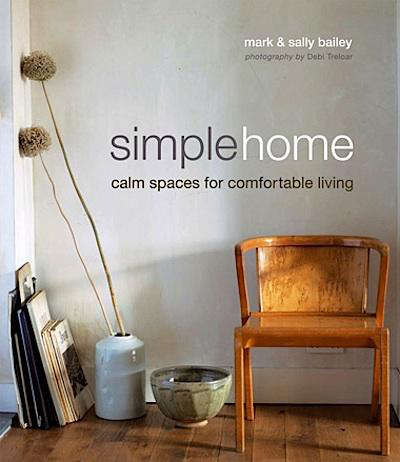
Some decorating books shout. Simple Home: Calm Spaces for Comfortable Living by Mark and Sally Bailey does something much more persuasive: it lowers its voice, clears a little visual clutter from the room, and reminds you that a beautiful home does not need to arrive in twelve boxes with a hex key and a mild identity crisis.
The book is a thoughtful guide to living with fewer, better, more useful things. It is not about making your home look empty, expensive, or so painfully minimalist that even your houseplants feel underdressed. Instead, Simple Home celebrates comfort, craft, natural materials, reclaimed objects, quiet colors, and the kind of furniture that looks better after real life has leaned on it for a while.
Mark and Sally Bailey, the creative minds behind Baileys Home & Garden in Herefordshire, England, have long been associated with a practical, soulful approach to interiors. Their philosophy is often summarized as “repair, reuse, and rethink,” and that spirit runs through this book like a well-worn wooden floorboard: sturdy, honest, and full of character.
What Is Simple Home About?
Simple Home is a design book for readers who love calm interiors but do not want to live inside a showroom. The Baileys argue that a simple home is not necessarily a minimalist home. It is a considered home. It has edited spaces, yes, but also texture, warmth, history, and usefulness. It leaves room for muddy boots, morning coffee, stacks of books, children, pets, crumbs, and the occasional chair that has seen things.
The book explores the building blocks of this way of living: natural color schemes, durable materials, handmade objects, comfortable textiles, practical storage, and old-fashioned cleaning methods. Its rooms are not decorated for a single perfect photograph; they are designed to be lived in, repaired, rearranged, and appreciated over time.
The Main Idea: Plain, Useful, and Beautiful
The Baileys’ version of simplicity is rooted in utility. A chair should be comfortable. A table should work hard. A shelf should hold what you actually use. A basket should earn its keep. The design lesson is refreshingly direct: when objects have a purpose and are made with care, they rarely need extra decoration.
This is why Simple Home feels relevant even years after its original publication. Trends come and go with the speed of a paint-chip panic attack, but good timber, linen, ceramic, metal, glass, and woven storage have staying power. They do not beg for attention. They simply do their job beautifully.
Who Are Mark and Sally Bailey?
Mark and Sally Bailey are designers, retailers, authors, and longtime advocates for interiors that value function as much as form. Their store, Baileys Home & Garden, has become known among design lovers for its carefully edited mix of vintage, salvaged, handmade, and utilitarian goods. Think linen tea towels, enamelware, wooden tables, old hooks, honest lighting, and home objects that look as if they would rather be useful than famous.
The Baileys’ background in architecture, interiors, furniture, and retail gives Simple Home a grounded authority. This is not a book built on vague lifestyle slogans. It is built on the experience of finding, restoring, displaying, and living with objects that have substance. Their style is rustic but not rough, spare but not cold, elegant but not fussy.
Why Simple Home Still Feels Modern
It may seem funny to call a book centered on old wood, natural fibers, vintage finds, and traditional craftsmanship “modern,” but that is exactly why it works. Many homeowners today are tired of disposable decor, fast furniture, and rooms that look outdated the moment a new algorithm declares beige “over.”
Simple Home offers an antidote. It encourages readers to buy less, choose better, reuse creatively, and let materials age with dignity. A repaired table is not a failure of perfection; it is a story with legs. A chipped enamel jug is not trash; it may be tomorrow’s vase. A plain linen curtain can soften a room more gracefully than a dramatic window treatment that appears to be auditioning for a period drama.
Sustainability Without the Lecture
One of the strongest parts of the book is that it presents sustainability as a practical pleasure rather than a homework assignment. The Baileys do not suggest that every home must become a museum of reclaimed objects. Instead, they show how old and new pieces can work together when chosen thoughtfully.
A reclaimed cabinet can sit beside a modern sink. A handmade bowl can live on a simple open shelf. A vintage bench can make an entryway feel relaxed and useful. These choices reduce waste, but they also create rooms with more personality than a cart full of identical decor ever could.
The Design Lessons Inside Simple Home
The best design books do more than show pretty rooms. They change the way you look at your own space. Simple Home does that by asking readers to slow down and examine what they already own, what they truly need, and what kind of atmosphere they want to create.
1. Start With Calm Colors
The Baileys favor color palettes inspired by nature: chalky whites, soft grays, warm browns, weathered wood, stone, linen, clay, and muted greens. These shades do not compete for attention, which makes them excellent backdrops for texture and form.
In a real home, this might mean painting walls in a soft neutral instead of a trendy color that looked fabulous online and alarming at breakfast. It might mean choosing natural linen curtains, a jute rug, or a wooden dining table with visible grain. The result is not boring. It is restful. There is a difference, and your nervous system knows it.
2. Choose Materials That Age Well
Wood, metal, linen, wool, stone, glass, and ceramic are central to the simple home aesthetic because they improve with use. They can be cleaned, repaired, polished, patched, or repurposed. They do not pretend to be something else.
This material honesty is one of the book’s most useful ideas. Instead of hiding the life of an object, let it show. A wooden worktop with a few marks can feel warmer than a flawless surface that makes everyone afraid to put down a spoon. Homes are for living, not silently guarding furniture from fingerprints.
3. Let Storage Be Beautiful and Practical
Storage is where many homes lose the battle. We buy bins to organize bins, then need a bin for the bin labels. Simple Home takes a calmer route: use visible, sturdy, attractive storage that makes daily life easier.
Open shelving, baskets, hooks, crates, peg rails, and simple cupboards can all work beautifully when they are used with restraint. A row of hooks near the door is not just decorative; it prevents the “coat mountain” from forming on the nearest chair. A basket for shoes is not glamorous, but neither is tripping over sneakers while carrying groceries.
4. Mix Old and New With Confidence
The Baileys’ interiors rarely feel like they were ordered in one afternoon. That is part of the appeal. A simple home develops over time. It welcomes the useful old object, the handmade new piece, the inherited chair, the flea-market lamp, and the modern sofa that can survive actual humans.
The trick is to look for common qualities: honest materials, calm colors, good proportions, and usefulness. When those elements align, different eras can sit together comfortably. Your room does not need to match; it needs to make sense.
Room-by-Room Inspiration From the Simple Home Philosophy
One reason Simple Home works so well as required reading is that its ideas can be applied to almost any room. You do not need a country house, a converted barn, or a collection of antique French enamelware. Though, admittedly, the enamelware would not hurt.
Entryway: Make the First Five Feet Work
A simple entryway should help people arrive and leave without chaos. Add hooks for coats, a bench for shoes, a tray for keys, and a basket for the items that otherwise migrate mysteriously across the house. Choose durable materials because this space takes a beating. If your entryway can survive wet umbrellas and school bags, it deserves applause.
Kitchen: Keep the Useful Things Close
The simple kitchen is not about hiding every object. It is about keeping the right objects visible. Wooden spoons in a crock, pans on a rail, everyday plates on open shelving, and jars of pantry staples can make a kitchen feel both practical and inviting.
The Baileys’ approach favors hardworking surfaces, natural textures, and tools that are attractive because they are well made. A good cutting board, a sturdy table, and a few plain bowls can create more charm than a dozen novelty gadgets that perform one task and then retire to the back of a drawer.
Living Room: Comfort Comes First
A simple living room should not look like a place where conversation goes to behave itself. It should feel relaxed. Choose seating that invites people to stay, textiles that add softness, and lighting that flatters both the room and the humans in it.
Layering is important. A plain sofa can become warm with linen cushions, a wool throw, a wooden side table, and a lamp with a soft glow. The goal is not to impress guests into silence. The goal is to make them say, “I could sit here for a while,” which is the highest compliment a living room can receive.
Bedroom: Quiet the Room Down
Bedrooms benefit enormously from the simple home philosophy. Natural bedding, uncluttered bedside tables, soft lighting, and calm colors can turn a bedroom into a place that actually supports rest. Revolutionary, yes: a bedroom designed for sleeping rather than storing laundry in various emotional stages.
Instead of overdecorating, focus on touch. Washed linen, cotton, wool, wood, and ceramic bring quiet luxury without shouting. A simple bedroom should feel like an exhale.
What Makes the Book a “Required Reading” Pick?
Simple Home deserves the phrase “required reading” because it gives readers a vocabulary for an instinct many people already have: the desire to live with fewer but better things. It is inspirational without being unrealistic. It respects beauty, but it respects usefulness more.
The photography by Debi Treloar supports the message beautifully. The images are atmospheric, tactile, and lived-in. They show rooms with patina, restraint, and soul. You can almost hear the quiet clink of cups, the scrape of a chair on old floorboards, and the faint sound of someone deciding not to buy another decorative pillow. Growth is possible.
How to Bring the Simple Home Look Into Your Own Space
You do not need to renovate your house or replace everything you own. In fact, that would be completely against the point. Start small. Edit one surface. Repair one object. Replace one flimsy item with something durable. Move one beloved piece where you can actually enjoy it.
Try a “Usefulness Audit”
Walk through a room and ask three questions: Do I use this? Do I love this? Does it improve the room? If the answer is no to all three, the object may be ready for donation, recycling, repair, or relocation. This is not about punishment. It is about giving your home breathing room.
Shop Slower
The Baileys’ style rewards patience. Instead of filling every gap immediately, wait for the right piece. Look at thrift stores, architectural salvage shops, local makers, estate sales, and independent home stores. Choose items with materials and shapes that will last beyond the current trend cycle.
Celebrate Imperfection
A simple home does not need to be flawless. In fact, it is better when it is not. Scratches, repairs, faded finishes, and softened fabrics can make a room feel human. Perfection is stressful. Patina, on the other hand, has excellent manners.
Experience Notes: Living With the Simple Home Mindset
After spending time with the ideas behind Simple Home, the biggest lesson is that simplicity is less about style and more about decision-making. A room becomes calmer when every object has a reason to be there. That reason can be practical, emotional, or beautiful, but it should be real.
One practical experience is starting with the kitchen counter. Most counters collect evidence of modern life: mail, chargers, bottles, receipts, mystery screws, and at least one object nobody in the household admits owning. Applying the Baileys’ approach means clearing the surface, then putting back only what supports daily life. A wooden board, a jar of utensils, a bowl of fruit, and a coffee setup may be enough. Suddenly the kitchen looks calmer, and cooking feels less like negotiating with clutter.
Another useful experiment is replacing decorative storage with working storage. A pretty box that hides chaos is still chaos wearing a hat. A simple basket near the door for scarves, a row of hooks for bags, or a sturdy shelf for everyday dishes can change how a room functions. The beauty comes from the object doing its job well.
The simple home mindset also changes shopping habits. Instead of asking, “Is this cute?” the better question becomes, “Will this still be useful and beautiful in five years?” That question has saved many people from buying things that looked charming in a store but became confusing at home. Not every ceramic animal needs rescuing. Some can remain bravely on the shelf.
There is also emotional relief in accepting imperfection. A dining table with marks from meals, homework, and family projects is not ruined. It is participating. Linen that wrinkles is not failing; it is being linen. A repaired chair is not second-best; it is proof that the object mattered enough to keep. This shift makes home feel more forgiving.
For small apartments, the philosophy is especially helpful. When space is limited, every object must work harder. A bench can offer seating and storage. A wall hook can replace a bulky coat rack. A plain table can serve as desk, dining area, and project zone. Simple design is not about having less personality. It is about removing the things that get in the way of living well.
The most satisfying part of using the Simple Home approach is that it does not require a dramatic reveal. There is no need for a weekend makeover montage, although snacks are always encouraged. The progress is slower and more personal: a repaired lamp here, a clearer shelf there, a better basket by the sofa, a calmer bedroom, a kitchen that finally stops arguing with you before breakfast.
In the end, the experience of a simple home is not emptiness. It is ease. It is knowing where things are. It is enjoying materials that feel good to touch. It is buying fewer objects and caring for them more. It is making a home that supports real life instead of performing for it. That is why Mark and Sally Bailey’s message continues to feel useful, charming, and quietly radical.
Conclusion: A Beautiful Reminder to Live With Less, Better
Simple Home by Mark and Sally Bailey remains a valuable design book because it treats simplicity as warmth, not austerity. It shows that a home can be calm without being cold, edited without being empty, and stylish without being precious. Its best ideas are wonderfully practical: repair what you can, reuse what has value, rethink what you truly need, and choose materials that become more beautiful with age.
For anyone interested in simple home design, sustainable decor, rustic minimalism, handmade objects, or interiors with soul, this book is more than a pretty volume for the coffee table. It is a gentle but persuasive invitation to live with intention. And if that invitation comes with old wood, linen, enamelware, and fewer things to dust, even better.














