
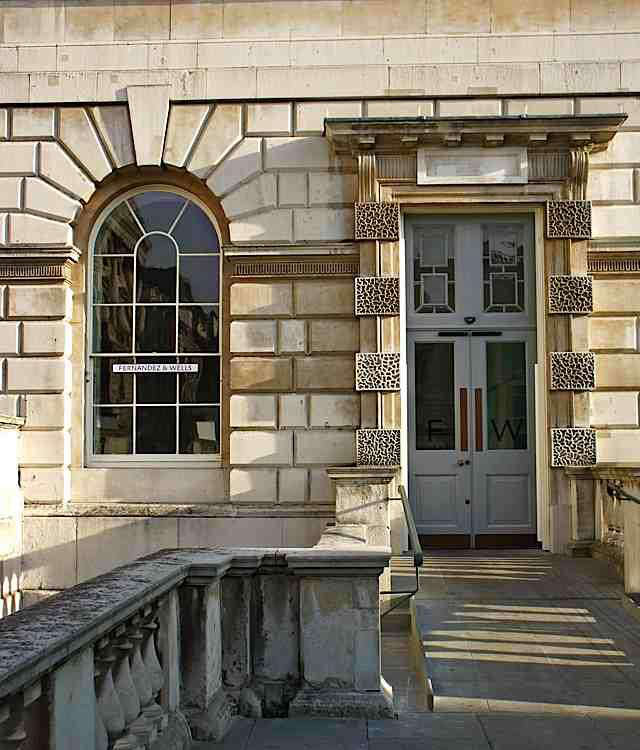
Editor’s note: Fernandez & Wells at Somerset House is now closed. The following restaurant visit is a retrospective look at the food, coffee, design, and atmosphere that made this London café memorable.
Some restaurants demand attention with neon signs, celebrity chefs, or dishes that arrive under clouds of theatrical smoke. Fernandez & Wells at Somerset House took a quieter approach. It placed excellent coffee, Spanish-inspired food, European wine, and understated design inside one of London’s most impressive historic buildingsand trusted visitors to notice.
That confidence was justified. Located in the East Wing of Somerset House, the café occupied a corner of a grand neoclassical complex overlooking a courtyard that has hosted everything from art exhibitions to concerts and winter ice skating. Fernandez & Wells did not compete with the architecture. It settled into it, like a stylish guest who understands that shouting at a dinner party is rarely necessary.
Founded by former BBC journalist Rick Wells and Monmouth Coffee veteran Jorge Fernandez, the business began in Soho in 2007. Its Somerset House branch opened in late 2011, bringing the company’s formula of carefully sourced food, specialty coffee, charcuterie, and wine to a much larger architectural stage. Somerset House itself was rebuilt under architect Sir William Chambers beginning in the 1770s and became home to institutions including the Royal Academy, Royal Society, and Society of Antiquaries.
A Restaurant Hidden Inside a London Landmark
Finding Fernandez & Wells was part of the experience. Visitors entered Somerset House from the Strand and crossed the vast courtyard before reaching the café in the East Wing. That short walk performed a useful reset. The traffic, buses, and determined London pedestrians faded behind you, replaced by stone façades, arched windows, and the feeling that lunch had somehow become a cultural activity.
The restaurant’s location worked especially well for museum visitors, designers, office workers, tourists, and anyone searching for a civilized place to pause near Covent Garden. You could arrive after an exhibition, before an evening performance, or simply because London weather had once again confused “light drizzle” with “horizontal aquatic assault.”
Unlike a formal destination restaurant, Fernandez & Wells encouraged flexible visits. A customer could stop for an espresso, linger over a sandwich, meet a friend for wine, or assemble a meal from cured meats, cheese, bread, and small plates. It was a café, deli, wine bar, and informal restaurant sharing the same elegant address.
Historic Architecture Meets Restrained Modern Design
The interior was one of the strongest reasons to visit. William Tozer Architecture & Design approached the listed building with restraint, preserving the scale and character of the rooms instead of filling them with unnecessary decoration. Modern shelving was integrated into the old architecture, while counters clad in Yorkstone referenced the materials used at the original Fernandez & Wells location.
The café extended through a series of tall rooms rather than presenting itself as one enormous dining hall. High ceilings, existing fireplaces, broad windows, and pale walls created an airy background. Contemporary fixtures added definition without making the place feel like a design showroom where sitting in the wrong chair might trigger a security alarm.
Artist David Tremlett created large wall drawings using pastel applied directly to the walls. Their geometric color blocks brought warmth to rooms that could otherwise have felt overly formal. Galvanized steel grilles referenced urban street furniture, hanging hams made use of the vertical space, and strategically placed mirrors increased the sense of depth. The result was a carefully designed interior that still appeared relaxed and practical.
A Design That Let Somerset House Remain the Star
Many restaurants inside historic buildings fall into one of two traps. They either become museum-like, treating every wall as too precious to touch, or they attempt such an aggressive contemporary makeover that the original architecture disappears. Fernandez & Wells found the more difficult middle ground.
The additions were clearly modern, but they did not imitate or overpower the building. Stone, steel, timber, simple furniture, and graphic artwork created a visual conversation between old London grandeur and modern European café culture. Even the whiteboard of daily specials, positioned around an existing fireplace, seemed to say that soup and sandwiches were perfectly entitled to occupy a room with architectural pedigree.
The Food: Simple Ingredients Taken Seriously
Fernandez & Wells built its reputation around food that appeared straightforward but depended heavily on ingredient quality. Its guiding idea resembled a good farmers’ market stall: buy well, prepare carefully, and avoid adding twelve decorative components when three delicious ones will do.
The Somerset House menu centered on rustic sandwiches, soups, toast, baked goods, European cheeses, and an impressive selection of cured meats. Spanish influence ran through the offering, particularly in the jamón, chorizo, morcilla, and other Iberian specialties. Italian salami, European cheeses, wine, and sherry broadened the menu without making it feel unfocused.
Contemporary reviews highlighted the dedicated “ham room,” carved meats such as lomito ibérico and jamón, grilled morcilla, simple breakfasts, daily soups, rustic sandwiches, and tapas-style plates. Meat played a starring role, but the broader philosophy was less about excess than about serving recognizable food at its best.
Sandwiches That Behaved Like Proper Meals
The sandwiches were not apologetic desk lunches wrapped in plastic and filled with one lonely lettuce leaf. They were substantial combinations built around sourdough, quality meats, cheese, roasted vegetables, and assertive condiments.
A grilled chorizo sandwich offered spice, smoke, and enough richness to make a small salad seem like responsible planning. Pulled pork provided tenderness and depth, while black pudding or cured ham delivered the salty, savory flavors for which the brand was known. The bread mattered just as much as the filling. It supplied chew, structure, and a crisp exterior rather than collapsing after the first bite.
The most successful dishes followed a simple formula: one excellent main ingredient, one or two thoughtful accompaniments, and bread capable of handling the situation. There was no need for edible flowers, miniature pipettes, or a waiter explaining the emotional journey of the mustard.
Charcuterie, Cheese, and Wine
For a slower meal, a plate of charcuterie and cheese made excellent sense. The cured meats were sliced thin enough to soften on the tongue, allowing their fat, salt, and seasoning to unfold gradually. Paired with bread, pickles, or a glass of European wine, they transformed a café stop into something closer to a leisurely continental lunch.
The wine offering complemented the food rather than competing with it. European bottles, sherry, and food-friendly pours suited the rustic menu. A glass of red wine beside jamón and cheese felt entirely natural, especially in the late afternoon when the courtyard light began moving across the high windows.
Coffee Was Not an Afterthought
Fernandez & Wells emerged during an important period in London’s specialty coffee development. By the time the Somerset House branch opened, customers were becoming more interested in bean origins, roasting, extraction, and milk texture. This was no longer an era when “coffee” automatically meant a scorched beverage large enough to bathe a small dog.
The café used coffee from Has Bean, including a house espresso blend, and served the familiar lineup of espresso, flat whites, cappuccinos, and longer black coffees. Reviewers consistently treated the coffee as a central attraction rather than a beverage added merely because cake looked lonely.
A well-made flat white was particularly suited to the setting: compact, balanced, and serious without becoming self-important. The espresso brought enough character to remain present through the milk, while the smaller serving size prevented the drink from becoming a warm dairy reservoir.
Coffee also gave Fernandez & Wells an all-day rhythm. Morning customers arrived for caffeine and breakfast. Lunchtime brought sandwiches and soup. In the afternoon, coffee and cake occupied the tables. By evening, wine and small plates took over. Few restaurants transition gracefully between those identities, but this one was designed to do exactly that.
Cakes, Toast, and the Case for an Afternoon Pause
The baked goods matched the restaurant’s rustic philosophy. Cakes were generally unfussy, recognizable, and not excessively sweet. Orange cake, brownies, madeleines, cookies, and other counter-top temptations provided enough variety to derail even the strongest intention to order “just coffee.”
Toast was treated with similar respect. Rather than regarding it as the thing people eat when the refrigerator is empty, Fernandez & Wells used good bread as a platform for sardines, tomatoes, cured meats, spreads, butter, or cheese. The approach demonstrated how satisfying a basic dish can become when each component is chosen carefully.
An afternoon visit might include a slice of cake, a short coffee, and a seat near a window. Outside, people crossed the courtyard carrying exhibition brochures and umbrellas. Inside, the smell of espresso mingled with bread and cured ham. It was a strong argument for leaving several unscheduled minutes in any London itinerary.
Service and Atmosphere
The service style matched the restaurant: informal, knowledgeable, and generally efficient. This was not white-tablecloth hospitality with synchronized plate placement. Customers often ordered at a counter, inspected the day’s food, selected a drink, and found a place to sit.
That informality made the grand setting more approachable. Somerset House can look intimidating from the courtyard, particularly if you arrive wearing rain-soaked sneakers while everyone else appears to be attending a design conference. Fernandez & Wells softened the experience. A cup of coffee is a remarkably effective cure for architectural intimidation.
The dining rooms could feel peaceful during quieter hours and energetic at lunch. Conversations echoed slightly beneath the tall ceilings, but the separation between rooms prevented the atmosphere from becoming one undifferentiated roar. Solo visitors could read or work, while groups could share food without feeling they had accidentally occupied a library.
Who Would Have Enjoyed Fernandez & Wells?
The restaurant was particularly well suited to visitors who valued setting and ingredient quality more than elaborate plating. Coffee enthusiasts had a legitimate reason to stop. Architecture and design fans could study the interior. Museum visitors gained a convenient lunch without leaving Somerset House, and wine drinkers could turn an afternoon break into a more leisurely occasion.
Committed carnivores had the greatest range of choices because cured and grilled meats were central to the menu. Vegetarians could usually find soup, cheese, toast, salads, and baked items, although the restaurant’s identity was never primarily plant-based. Customers seeking a large formal dinner menu, elaborate desserts, or highly customized dietary options might have preferred another venue.
Prices reflected the central London location, premium ingredients, and historic surroundings. Still, the flexible format allowed visitors to control the scale of the experience. An espresso and cake offered an affordable taste of the place, while wine, charcuterie, and several plates created a more substantial meal.
The Legacy of Fernandez & Wells at Somerset House
The Somerset House branch ultimately closed, and WatchHouse took over the East Wing site in February 2020. Somerset House continues to host independent restaurants, cafés, and bars, but the Fernandez & Wells era remains a notable chapter in the building’s modern food history.
Its influence was not based on one spectacular signature dish. Instead, it demonstrated how an independent café could combine specialty coffee, serious sourcing, European food culture, and thoughtful architecture without becoming stiff or inaccessible.
The restaurant also arrived before the all-day café-and-wine-bar model became quite so common. Its transition from breakfast to lunch, coffee to wine, and quick visits to slow grazing now feels familiar, but at the time it represented a modern and appealing alternative to both chain cafés and conventional restaurants.
Extended Experience: An Afternoon at Fernandez & Wells
The ideal Fernandez & Wells experience began before reaching the counter. Imagine approaching Somerset House from the Strand on a cool afternoon. London is busy in its usual highly organized state of chaos: buses sigh at traffic lights, bicycle bells ring, and someone walks directly toward you while studying a phone with the confidence of a person protected by invisible diplomatic immunity.
Passing through the entrance to Somerset House changes the mood. The courtyard opens dramatically, framed by pale stone and rows of classical windows. Depending on the season, fountains may be active, an installation may occupy the square, or preparations may be underway for a concert, film screening, or winter skating rink.
Inside the East Wing café, the first impression is vertical. The ceilings rise far above the tables, giving even a simple lunch a sense of ceremony. Then the smaller details appear: the modern counter, old fireplace, muted furniture, geometric wall drawing, hanging hams, wine bottles, and handwritten specials.
Ordering requires a few decisions. Coffee now or wine? Sandwich or charcuterie? Cake immediately or after pretending to consider whether cake is necessary? The sensible approach is to order in stages. Begin with coffee while studying the menu. Add a sandwich if the bread looks particularly goodwhich it usually does. Then recognize that walking through an exhibition later will technically qualify as physical activity and select a cake.
A seat near the window offers the best connection to Somerset House. Light travels across the courtyard and changes the rooms throughout the day. Visitors come and go carrying tote bags, catalogs, cameras, and the slightly dazed expression produced by ambitious contemporary art.
The food arrives without unnecessary ceremony. A grilled sandwich smells of toasted bread and cured meat. The crust crackles, the filling is warm, and the condiments provide enough acidity to cut through the richness. Nothing on the plate is attempting to become social-media famous. It simply tastes good.
Later, a small glass of wine changes the character of the visit. What began as lunch becomes an afternoon pause. The café’s mixed identity suddenly makes complete sense: it is casual enough for coffee, attractive enough for a date, quiet enough for a solo visit, and substantial enough for a meal.
After eating, there is no urgent need to leave Somerset House. You can walk through an exhibition, explore the riverside terrace, cross Waterloo Bridge, or continue toward Covent Garden. The location turns the restaurant into part of a larger London experience rather than an isolated dining appointment.
That combination explains why the café was remembered fondly. The architecture improved the meal, the meal made the building feel welcoming, and the cultural surroundings gave even a modest coffee stop a sense of occasion. Fernandez & Wells understood that restaurants are not only collections of dishes. They are places where food, timing, design, and location briefly cooperateand, on a good day, make an ordinary afternoon feel unusually well planned.
Conclusion
Fernandez & Wells at Somerset House succeeded because it respected both its ingredients and its surroundings. The coffee was carefully sourced, the food was rustic but purposeful, and the wine and charcuterie encouraged visitors to slow down. Meanwhile, the restrained interior design allowed one of London’s great architectural landmarks to remain visible.
Although the restaurant is no longer open, it remains a useful example of how to create a memorable hospitality experience without relying on gimmicks. Give people excellent bread, good coffee, properly sliced ham, interesting wine, intelligent design, and a magnificent courtyard. Apparently, that is more than enough.













