
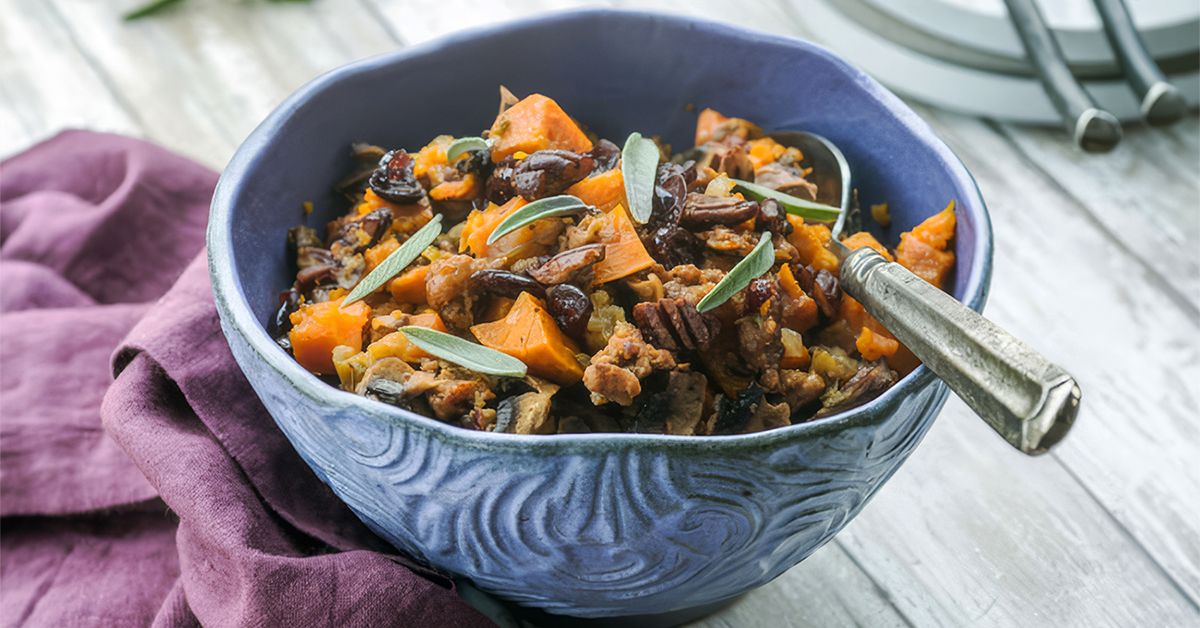
Some side dishes politely sit on the holiday table and wait to be noticed. Sausage and sweet potato stuffing is not one of them. This dish barges in like it pays rent, smelling like browned sausage, fresh sage, toasted bread, caramelized onions, and sweet potatoes that have finally discovered their true purpose in life. Yes, sweet potato casserole has its marshmallow-loving fan club, but this stuffing takes those cozy fall flavors and gives them a savory, deeply satisfying upgrade.
If you are looking for a holiday side that feels traditional without being sleepy, this is it. A great sausage and sweet potato stuffing brings together crisp edges, a tender center, and big, layered flavor. You get the rich saltiness of sausage, the mellow sweetness of roasted sweet potatoes, the classic backbone of celery and onion, and enough herbs to make your kitchen smell like Thanksgiving moved in early. It is comforting, practical, make-ahead friendly, and sturdy enough to stand next to turkey, roast chicken, pork, or even a weeknight salad if you are feeling unusually balanced.
This article breaks down what makes the dish work, how to build the best texture, mistakes to avoid, and how to make a version that feels homemade in the best possible way. In other words, we are not here for bland bread mush. We are here for stuffing with personality.
Why Sausage and Sweet Potato Stuffing Works So Well
At first glance, sausage and sweet potatoes sound like they belong in two different family group texts. One is rich and savory. The other is earthy and sweet. But together, they create exactly the kind of balance that good stuffing needs. Traditional stuffing can sometimes lean too salty, too buttery, or too soft. Sweet potatoes fix that. They add color, body, and a subtle sweetness that keeps the dish from tasting heavy.
Sausage does the rest of the heavy lifting. It seasons the bread, perfumes the pan with fat and spices, and adds the kind of hearty bite that turns stuffing from “nice side dish” into “please move the turkey, I’m going back for more.” Sweet or mild Italian sausage works beautifully, but breakfast sausage can also deliver that classic holiday flavor. If you like a little edge, hot sausage adds contrast without turning the whole dish into a fire drill.
Bread is the structure. Sweet potatoes are the softness. Sausage is the swagger. Aromatics like onion and celery tie everything together. Herbs such as sage, thyme, and parsley keep the dish from feeling flat. Broth brings moisture, and eggs can help bind the mixture if you like a more cohesive, sliceable stuffing. It is a beautifully sensible system, which is a very fancy way of saying every ingredient has a job.
The Flavor Blueprint
1. Bread with backbone
The best stuffing starts with dry, sturdy bread. Soft, fresh bread is lovely for sandwiches and terrible at holding its shape in a pan of broth. Use country bread, sourdough, French bread, or another loaf with enough structure to absorb liquid without dissolving into pudding. Dry cubes overnight or toast them lightly so they can soak up flavor while still keeping some integrity. A good stuffing should be tender, not tragic.
2. Sausage that seasons the whole dish
Sausage contributes more than meat. It brings fat, salt, herbs, and often fennel or pepper. Brown it properly instead of gray-steaming it in a crowded pan. Those caramelized bits matter. They create depth, and depth is what separates holiday stuffing from cafeteria stuffing.
3. Sweet potatoes with real texture
Roasting sweet potatoes is better than boiling them for this kind of dish. Roasting concentrates flavor and keeps the cubes from turning into orange baby food. You want tender pieces that hold their shape and tuck into the bread mixture like little savory-sweet treasures.
4. Aromatics and herbs
Onion and celery are the classic base for a reason. They create that familiar holiday aroma almost instantly. Sage is the star herb, thyme adds woodsy warmth, and parsley brightens the whole situation so it does not taste like it spent three days under a gravy blanket.
5. Moisture with restraint
Broth is essential, but too much turns the pan into spoonable regret. Add enough to moisten the bread thoroughly, then stop before it becomes soup. The mixture should feel hydrated, not swampy. A little melted butter does not hurt either. We are cooking, not filing taxes.
How to Make Sausage and Sweet Potato Stuffing
Ingredients
- 10 to 12 cups dry bread cubes
- 1 pound sausage, casings removed if needed
- 2 medium sweet potatoes, peeled and cut into small cubes
- 1 large yellow onion, diced
- 3 to 4 celery stalks, diced
- 3 cloves garlic, minced
- 4 tablespoons unsalted butter
- 2 to 3 cups low-sodium chicken broth
- 2 eggs, lightly beaten (optional, for a more set texture)
- 2 tablespoons chopped fresh sage
- 1 tablespoon chopped fresh thyme
- 1/4 cup chopped parsley
- Salt and black pepper, to taste
Method
- Dry the bread. If your bread is fresh, spread the cubes on baking sheets and dry them in a low oven until they are lightly crisp on the outside.
- Roast the sweet potatoes. Toss the cubes with a little oil, season lightly, and roast until tender and lightly caramelized. Set aside.
- Brown the sausage. Cook it in a large skillet, breaking it into bite-size pieces. Once browned, transfer it to a bowl.
- Build the flavor base. In the same pan, add butter, onion, celery, and garlic. Cook until softened and fragrant. Stir in sage and thyme.
- Combine everything. In a large bowl, mix the dry bread cubes, sausage, sweet potatoes, cooked vegetables, and parsley.
- Add liquid gradually. Pour in broth a little at a time, tossing gently. Add the beaten eggs if using. The mixture should be moist throughout but never drenched.
- Bake until golden. Transfer to a buttered baking dish, cover for part of the baking time, then uncover so the top gets crisp and browned.
The final texture should be soft in the middle with crisp, toasty edges on top. That contrast is the entire game. When people say a stuffing is “so good,” that is usually what they mean, even if they are too busy chewing to explain themselves properly.
Best Tips for a Better Stuffing
Use the right bread
A rustic loaf is ideal. Sandwich bread can work in a pinch, but it tends to collapse faster. If you love sourdough, use a mild one so the tang does not bulldoze the sweeter notes from the potatoes.
Roast, do not steam, the sweet potatoes
Dry heat gives you concentrated flavor and helps prevent the stuffing from becoming overly wet. This matters more than people think. Moisture control is the quiet hero of every good stuffing.
Season in layers
Sausage is already seasoned, broth is often salted, and bread is usually bland. Taste as you go. The goal is savory and balanced, not sodium roulette.
Do not overmix
Stuffing needs a gentle hand. Aggressive stirring breaks down both the bread and the sweet potatoes. Fold instead of mash.
Make it ahead
This dish is a gift to anyone juggling a holiday menu. You can prep the bread, roast the sweet potatoes, brown the sausage, and chop the vegetables ahead of time. Assemble and bake later, or fully bake and reheat before serving.
Common Mistakes to Avoid
Mistake one: using fresh bread straight from the bag. That is how you get soggy stuffing with the emotional depth of wet cardboard.
Mistake two: under-seasoning the sweet potatoes. They need salt and herbs to join the savory conversation. Otherwise, they sit in the corner tasting polite and faintly confused.
Mistake three: flooding the bowl with broth. Bread will continue absorbing liquid as it sits. Start conservatively and add more only if needed.
Mistake four: skipping texture contrast. Covering the stuffing for the entire bake traps steam and can leave the top soft. Uncover it near the end so you get those golden edges everybody fights over.
Mistake five: treating food safety casually. If you bake stuffing separately, it still needs to be thoroughly heated. If you cook it inside poultry, the center should reach 165°F. Many cooks prefer baking it in a casserole dish for easier texture control and simpler food safety.
Easy Variations
Add apples or pears
For a slightly sweeter, more autumnal version, fold in diced apple or pear. Tart varieties work best because they keep the dish from becoming candy in a casserole dish.
Try cornbread
Swap part of the bread for unsweetened cornbread if you want a Southern-style spin. It pairs especially well with sausage and sage.
Bring in crunch
Pecans or walnuts add welcome contrast. Sprinkle them on top before baking if you like a more textured finish.
Use different sausage styles
Sweet Italian, mild breakfast sausage, hot sausage, or even chicken sausage can all work. Choose based on how bold you want the final flavor to be.
Make it vegetarian-ish
All right, once you remove the sausage it is not exactly sausage stuffing anymore, but roasted mushrooms and a vegetarian broth can still produce a deeply savory sweet potato stuffing with excellent texture.
What to Serve with Sausage and Sweet Potato Stuffing
This stuffing naturally shines on a holiday table, but it is not limited to Thanksgiving. It pairs beautifully with roast chicken, pork tenderloin, glazed ham, or even a simple green salad when you want dinner to feel more “I have my life together” than usual.
It also gets along with cranberry sauce, Brussels sprouts, green beans, and gravy. In fact, sausage and sweet potato stuffing is one of those rare side dishes that can stand next to a very loud main course and still hold your attention. Leftovers are excellent too. Warm a scoop in a skillet until the edges crisp, top it with a fried egg, and suddenly you have brunch worth bragging about.
Make-Ahead and Storage Advice
If you are planning for a holiday meal, this dish is a dream. Dry the bread a day or two ahead. Roast the sweet potatoes and cook the sausage the day before. Store each component separately, then assemble when ready. This keeps the bread from absorbing too much liquid too early.
You can also assemble the stuffing ahead of time and refrigerate it before baking, as long as the ingredients have been cooled properly first. Once baked, leftovers should be refrigerated promptly and reheated until hot throughout. The texture is often even better the next day, which feels unfair to every other leftover in the fridge.
Why This Recipe Earns a Spot on the Holiday Table
Sausage and sweet potato stuffing works because it feels familiar and a little special at the same time. It respects the rules of classic stuffing without acting like it is trapped in culinary witness protection. The sausage brings savory depth. The sweet potatoes add color and natural sweetness. The herbs keep everything grounded. The bread ties it all together in a dish that is hearty, flexible, and undeniably comforting.
If your usual stuffing recipe feels a little too safe, this version is a smart next step. It still tastes like the holidays, but with more contrast, more character, and more “who made this?” energy. And that, frankly, is what a great side dish should do.
Kitchen Experiences: Why Sausage and Sweet Potato Stuffing Becomes the Dish People Remember
There are some foods people compliment because they are being polite, and then there are foods that make them stop mid-sentence, point with a fork, and ask who brought that. Sausage and sweet potato stuffing belongs to the second category. One of the reasons this dish sticks in people’s memory is that it delivers multiple experiences at once. It smells nostalgic, looks inviting, and tastes more layered than many holiday sides. The first spoonful is usually where the magic happens: the crispy top gives way to a soft, savory middle, and then the sweet potato slips in with just enough sweetness to make the sausage taste even richer.
In many kitchens, stuffing is the side dish that starts family debates. Some people want it plain and traditional. Others want fruit, nuts, sausage, herbs, cornbread, or enough butter to qualify as a personality trait. Sausage and sweet potato stuffing often ends the argument because it gives both camps something to love. It feels rooted in tradition thanks to the bread, celery, onion, and sage. At the same time, the sweet potatoes make it feel updated, colorful, and just interesting enough that people remember it after the meal instead of lumping it into the generic category of “holiday carbs.”
It also tends to create a better cooking experience for the person making it. Roasting the sweet potatoes fills the kitchen with a warm, earthy aroma. Browning sausage in a skillet feels immediately comforting, like you are building something substantial. Chopping herbs and tossing everything together in a giant bowl is the kind of tactile cooking that people genuinely enjoy. This is not fussy food. It does not require tweezers, a culinary degree, or an identity crisis over microgreens. It is honest, practical cooking with a very high reward-to-effort ratio.
Another reason people connect with this dish is that it adapts well to real life. Maybe one year it is made with sourdough because that is what is on hand. Another year it includes apples because somebody wants more sweetness, or hot sausage because the family has finally admitted they enjoy flavor. It is resilient. It can be dressed up for a holiday table or reheated in a skillet the next morning and eaten standing at the stove in pajamas. Both experiences are valid. Both are wonderful.
Perhaps the most memorable thing about sausage and sweet potato stuffing is that it feels generous. It feeds a crowd. It perfumes the house. It looks abundant in the baking dish, all golden and crisp on top. It invites second helpings without apology. Even people who claim they are “just taking a little taste” somehow return with a larger spoon the second time. That is the true sign of a great dish: it quietly becomes the one everyone keeps circling back to.
And then there are the leftovers, which deserve their own fan club. Cold stuffing tucked into a sandwich with turkey is deeply underrated. Reheated stuffing with a fried egg on top feels like the breakfast equivalent of finding money in your coat pocket. In that sense, the experience of sausage and sweet potato stuffing does not end when dinner does. It keeps showing up, making itself useful, and reminding everyone that a good holiday dish should do more than fill a plate. It should create a moment, a memory, and ideally a tiny bit of competitive behavior over who gets the last crispy corner.
Conclusion
Sausage and sweet potato stuffing is the kind of dish that makes a holiday meal feel fuller, warmer, and far more interesting. It balances savory and sweet, soft and crisp, classic and modern. Whether you serve it at Thanksgiving, alongside roast chicken on a Sunday, or as the star of your leftovers the next day, it brings comfort without being boring. And in a world full of forgettable side dishes, that is a very good thing.










