
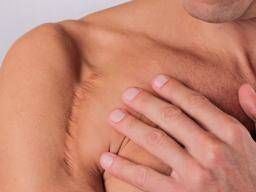
Scars are proof that your skin survived a tiny battleor sometimes a dramatic one involving a kitchen knife, a skateboard, a surgery, a curling iron, or a pimple you promised yourself you would not pick. The big question is simple: Are scars preventable? The honest answer is: not always. But many scars can be minimized, softened, flattened, faded, or made far less noticeable with smart wound care, patience, and a little less “let me just check it again” energy.
A scar forms when the body repairs damaged skin. Collagen rushes in like an overenthusiastic construction crew, rebuilding the injured area as quickly as possible. That repair job saves the skin, but it rarely matches the original surface perfectly. The result may be a flat pale line, a red raised ridge, a dark mark, a dented acne scar, or a thick keloid that keeps growing beyond the original wound.
The good news: you can influence how a wound heals. You cannot control every factorgenetics, skin tone, wound depth, infection risk, location, age, and medical history all matterbut you can control the basics. Clean it, keep it moist, protect it, avoid picking, reduce tension, use sunscreen, and know when to call a professional. In other words, scar prevention is not magic. It is mostly boring, consistent care. Annoying? Yes. Effective? Often.
What exactly is a scar?
A scar is the body’s natural patch after skin has been injured. When damage reaches deeper layers of skin, the body produces collagen fibers to close the gap. Unlike normal skin, scar tissue usually has a different texture, color, and flexibility. It also does not contain the same arrangement of hair follicles, sweat glands, or oil glands as uninjured skin.
Not every mark is a true scar. A dark spot after acne, for example, may be post-inflammatory hyperpigmentation rather than permanent scar tissue. A red mark may fade over time as blood vessels calm down. A true scar, however, usually changes the texture of the skin: raised, sunken, tight, thick, shiny, or uneven.
Are scars preventable?
Some scars are preventable, some are not, and many are manageable. A shallow scrape may heal with almost no trace if cared for properly. A deep cut, burn, surgical incision, infected wound, or severe acne lesion is more likely to leave a scar because the deeper skin structure has been disturbed.
The goal is not always “zero scar.” That is unrealistic, and frankly, skin is not a Photoshop file. The better goal is the smallest, softest, flattest, least noticeable scar possible. The earlier you care for a wound correctly, the better your odds.
Why some people scar more than others
Two people can get the same injury and heal completely differently. One person gets a faint line. The other gets a raised scar that looks like the skin hired a sculptor with questionable taste. Several factors explain why.
1. Genetics
If your family has a history of keloids or thick raised scars, your risk is higher. Keloids can grow beyond the original wound and may continue thickening over time.
2. Skin tone
People with more melanin-rich skin may be more prone to keloids and post-inflammatory hyperpigmentation. This does not mean scars are guaranteed; it means prevention and early treatment are especially important.
3. Wound depth
Surface-level injuries often heal cleanly. Deeper wounds, burns, punctures, surgical cuts, and injuries that remove tissue are more likely to scar.
4. Infection
Infection prolongs inflammation. Longer inflammation usually means messier healing, and messier healing can mean more visible scarring.
5. Location on the body
Scars over joints, the chest, shoulders, jawline, and upper back may be more likely to stretch or thicken because these areas move, pull, or naturally develop more tension.
6. Picking and scratching
Picking a scab is basically telling your skin, “Great work, now start over.” Repeated trauma increases inflammation and delays healing, which can make scars worse.
How to prevent scars after a cut, scrape, or minor wound
For everyday wounds, scar prevention starts immediately. You do not need a luxury skin-care ritual, a crystal wand, or a $90 cream with a French name. You need clean hands, gentle care, moisture, and protection.
Step 1: Clean the wound gently
Wash your hands first. Then gently rinse the wound with clean water and mild soap. Remove visible dirt or debris. Avoid harsh scrubbing, hydrogen peroxide, or alcohol on routine wounds because they can irritate healing skin. Your wound is trying to recover, not audition for a chemistry experiment.
Step 2: Keep it moist
Dry wounds form hard scabs, and thick scabs can slow healing. A thin layer of petroleum jelly helps keep the wound moist and protected. Moist wound healing often supports better repair and may reduce the chance of a large, itchy, or overly dry scar.
Step 3: Cover it
Use a clean adhesive bandage or nonstick gauze. Covering the wound helps protect it from dirt, friction, and accidental scratching. Change the bandage daily or whenever it becomes wet or dirty.
Step 4: Do not pick the scab
This deserves its own paragraph because humans are terrible at it. Do not pick, peel, scratch, or “just trim the edge.” Let healing skin do its work. Picking increases the risk of bleeding, infection, inflammation, and scarring.
Step 5: Protect the new skin from the sun
Fresh scars and healing skin can darken when exposed to ultraviolet light. Once the wound is closed, use broad-spectrum sunscreen, protective clothing, or both. Sun protection is one of the most underrated scar-care tools. It is not glamorous, but neither is a dark scar that overstays its welcome.
When stitches may help prevent a worse scar
Some wounds need medical attention. A deep, gaping, jagged, dirty, or bleeding wound may heal better with stitches, adhesive strips, skin glue, or professional cleaning. Closing the wound properly can reduce tension and help the edges heal in a more controlled way.
Seek medical care if a cut is deep, won’t stop bleeding, was caused by a bite, contains dirt you cannot remove, crosses a joint, exposes fat or muscle, or is on the face. Also get care if you notice increasing redness, swelling, warmth, pus, fever, red streaks, or worsening pain. Infection is not a “wait and vibe” situation.
Silicone sheets and gels: the scar-care MVP
Once a wound is fully closednot open, bleeding, or drainingsilicone gel or silicone sheets may help reduce raised scars and improve scar texture. Silicone works by creating a protective, flexible barrier that helps regulate moisture around the healing skin. It is commonly used for hypertrophic scars and keloid-prone areas.
Consistency matters. Silicone products often need to be used for weeks or months. A sheet worn once while you watch two episodes of a show is not a treatment plan; it is a brief relationship. Follow package instructions or your clinician’s advice, especially after surgery.
Scar massage: helpful, but only at the right time
Scar massage may help soften and loosen some healed scars, especially surgical scars, but timing matters. Do not massage an open wound or a fresh incision unless your doctor tells you to. Once the skin is fully closed and cleared for massage, gentle pressure with a plain moisturizer or recommended product may improve flexibility and comfort.
Massage should never feel like punishment. If it causes bleeding, sharp pain, opening of the wound, or worsening redness, stop and contact a healthcare professional.
Can acne scars be prevented?
Acne scars are often more preventable than people think. The best strategy is to treat acne early and avoid squeezing, popping, or digging at pimples. Inflamed acne lesions, cysts, and nodules can damage deeper skin layers, creating pitted or raised scars.
If over-the-counter acne products are not working after several weeks, or if acne is painful, cystic, or leaving marks, seeing a dermatologist early can make a major difference. Preventing new acne is often easier than correcting scars later. Translation: do not wait until your face is hosting a full rebellion.
Types of scars and how prevention differs
Flat scars
Flat scars may start pink or red and fade over time. Good wound care and sun protection can help them mature more evenly.
Hypertrophic scars
Hypertrophic scars are raised but stay within the boundary of the original wound. Silicone therapy, pressure, careful wound closure, and reducing tension may help lower the risk.
Keloid scars
Keloids grow beyond the original injury. They can occur after piercings, burns, acne, surgery, or even small skin injuries. If you are keloid-prone, avoid unnecessary skin trauma when possible and ask a dermatologist about prevention after injury or procedures.
Atrophic scars
Atrophic scars are sunken or pitted, often caused by acne or chickenpox. Prevention focuses on controlling inflammation early and avoiding picking. Treatments may include microneedling, laser therapy, fillers, chemical peels, or subcision depending on the scar type.
Contracture scars
Contracture scars can occur after burns and may tighten the skin, limiting movement. These scars often require medical treatment, physical therapy, pressure garments, or surgical care.
What about scar creams?
The scar-care aisle can be dramatic. Creams promise fading, smoothing, repairing, renewing, and possibly making you believe in miracles before breakfast. Some products may help with moisture and comfort, but the strongest over-the-counter evidence generally supports silicone-based gels or sheets for raised scars.
Onion extract gels, vitamin E, and botanical creams are popular, but results vary. Vitamin E can irritate some people’s skin. If a product causes itching, rash, burning, or worsening redness, stop using it. The best scar cream is not the fanciest one; it is the one that is safe, appropriate for your scar type, and used consistently.
Professional treatments for scars
If a scar is painful, itchy, thick, growing, restricting movement, or causing emotional distress, professional treatment can help. Dermatologists and plastic surgeons may recommend one or more options based on the scar.
Corticosteroid injections
These may flatten thick hypertrophic scars or keloids by reducing inflammation and collagen overgrowth.
Laser therapy
Lasers can reduce redness, improve texture, and support collagen remodeling. Different lasers target different scar problems, so evaluation matters.
Pressure therapy
Pressure garments or dressings may be used for burns, keloids, or post-surgical scar prevention, especially when guided by a clinician.
Scar revision surgery
Scar revision does not erase a scar, but it may improve its appearance, reposition it, reduce tightness, or restore function. The new scar still needs careful aftercare.
Microneedling, peels, and resurfacing
These treatments are often used for acne scars and texture issues. They should be performed by qualified professionals, especially for darker skin tones, because aggressive treatment can worsen pigmentation.
Common scar prevention mistakes
Letting wounds dry out
A dry, cracked wound can take longer to heal. Moist, covered healing is usually better for minor cuts and scrapes.
Using harsh disinfectants repeatedly
Alcohol and hydrogen peroxide may damage healing cells when used repeatedly on routine wounds. Gentle cleaning is usually enough for minor injuries.
Skipping sunscreen
Sun exposure can darken healing skin and make discoloration more stubborn. Protect scars for months, not just days.
Starting silicone too early
Silicone should not go on open, infected, or draining wounds. Wait until the skin is closed.
Ignoring high-risk scars
If you have a history of keloids, do not wait for a raised scar to become huge before seeking advice. Early prevention can be much easier than late correction.
How long do scars take to fade?
Scars mature slowly. Many scars look pink, red, dark, or raised at first, then gradually flatten and fade over months. Full scar maturation can take a year or longer. This is why patience is part of scar care, even though patience is nobody’s favorite skin-care ingredient.
During this time, scars may itch, feel tight, or change color. Mild changes can be normal, but severe pain, rapid growth, drainage, or signs of infection deserve medical attention.
Real-life experiences: what scar prevention looks like in everyday life
Here is the part nobody tells you: scar prevention is less about one heroic product and more about tiny decisions repeated when you are bored, busy, annoyed, or tempted to pick. The kitchen scrape that heals beautifully usually belongs to the person who rinsed it, covered it, changed the bandage, and resisted turning the scab into a hobby. The acne mark that does not become a crater often belongs to the person who treated the breakout early and walked away from the mirror before performing “bathroom surgery.”
Think about a simple shaving cut on the ankle. It seems minor, so it gets ignored. Then a sock rubs it all day, the area dries out, a scab cracks, and the healing process keeps restarting. A better approach is boring but effective: clean it, apply a thin layer of petroleum jelly, cover it with a small bandage, and protect it from friction. Suddenly the skin can heal without being interrupted every time you put on shoes.
Or consider a surgical incision. Many people expect the surgeon to do all the scar prevention in the operating room. Skillful closure matters, of course, but aftercare matters too. Following lifting restrictions, avoiding unnecessary stretching, keeping follow-up appointments, using silicone when cleared, and protecting the incision from sun can influence the final result. The scar is not finished when the stitches come out. It is just entering its long “please don’t mess this up” era.
Acne brings another lesson. A painful cyst on the chin can feel personal, like it arrived with bad intentions. Squeezing it may feel satisfying for six seconds, but the skin often pays for it later with inflammation, discoloration, or a depressed scar. The better experience is less dramatic: use acne treatment consistently, apply warm compresses if recommended, avoid picking, and see a dermatologist if cystic acne keeps returning. Future you will appreciate not having to negotiate with a pitted scar.
Burns are another example. A small cooking burn may seem harmless, but burns can scar if they are deep or repeatedly irritated. Cooling the burn properly, keeping it clean, covering it, and seeking care for blistering or severe burns can make a difference. Butter belongs on toast, not on burns. That old home remedy needs to retire somewhere peaceful.
The emotional side matters too. Scars can carry stories, but not every story feels empowering. A scar on the face, chest, hand, or another visible area can affect confidence. Wanting to minimize a scar is not vanity. It is normal to want your skin to heal as well as possible. At the same time, scars are not failures. They are repaired places. The goal is not to hate them; the goal is to care for your skin wisely, give it the best chance to heal, and get help when a scar becomes painful, restrictive, or distressing.
Conclusion
So, scars: are they preventable? Sometimes. More often, they are reducible. The best scar prevention begins before the scar is fully formed: clean the wound gently, keep it moist, cover it, avoid picking, reduce tension, use sunscreen, and consider silicone after the skin closes. For acne, prevention means early treatment and hands-off healing. For keloid-prone skin, prevention may require a dermatologist’s guidance after even small injuries.
No product can promise invisible skin after every wound. But consistent care can help scars become flatter, softer, lighter, and less noticeable. Skin is excellent at repair, but it appreciates cooperation. Give it the right conditions, stop interrupting the construction crew, and your future scar may become more of a whisper than a headline.














