
Note: This article is written for web publication in standard American English and is based on real product, furniture design, wood-finishing, Shaker-style, and interior styling information researched from reputable design, furniture, woodworking, and home decor references.
Introduction: When a Sideboard Decides to Wear a Little Drama
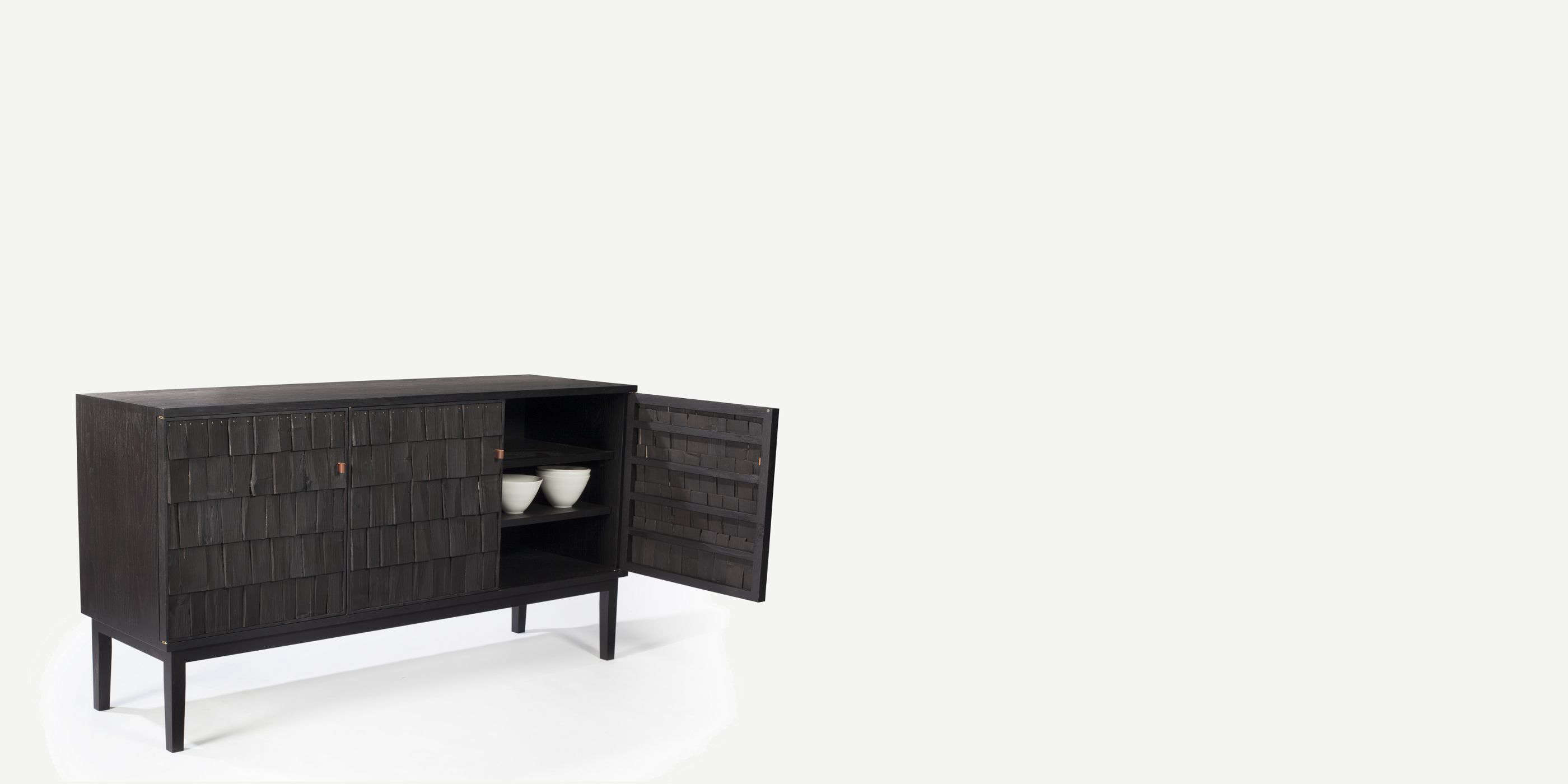
The Scorched Shake Sideboard is not the kind of furniture that quietly asks permission to enter a room. It arrives like a well-dressed dinner guest with a mysterious past: dark, textured, handcrafted, and oddly calm despite the fact that fire was involved. At first glance, it looks like a modern sideboard with architectural confidence. Look closer, and the surface begins to tell a more interesting storyone about split wood, hand-scorched texture, sustainable materials, and the surprisingly elegant relationship between furniture and flame.
In a world full of glossy cabinets, flat-pack storage, and sideboards that look like they were designed by a spreadsheet, the Scorched Shake Sideboard feels refreshingly human. It has irregularity. It has shadow. It has grain. It has that “please do not put a plastic fruit bowl on me” energy. Inspired by traditional wooden shakes, Japanese architectural cladding, and the enduring beauty of simple storage furniture, this piece bridges craft and contemporary design in a way that feels both ancient and modern.
This guide explores what the Scorched Shake Sideboard is, why it matters, how it fits into interior design, what makes scorched wood so appealing, and how to style a dramatic sideboard without making your dining room look like a moody art gallery that refuses to serve snacks.
What Is the Scorched Shake Sideboard?
The Scorched Shake Sideboard is a contemporary storage cabinet associated with designer Sebastian Cox and Benchmark Furniture. The design is known for its distinctive door fronts made from thin, cleft chestnut shakes that are hand-scorched to create a blackened, tactile surface. These dark, textured panels are typically paired with an ash timber frame, producing a strong contrast between pale wood structure and charred, architectural detail.
The word “shake” is important here. In building language, shakes are split wooden pieces commonly used as cladding or roofing. Unlike perfectly uniform sawn boards, cleft shakes are split along the natural grain of the timber. That gives them an organic, uneven surface. When used on a sideboard, they create depth, rhythm, and texture across the doors. It is storage furniture borrowing a move from architecture, which is a bit like your cabinet deciding to study abroad and come back more interesting.
The scorched finish is not simply black paint pretending to be dramatic. The surface is produced by carefully burning or blackening the wood, giving it a tactile quality that paint alone cannot copy. The result is a sideboard that works as functional storage and as a sculptural statement piece.
Why the Design Stands Out
It Turns Storage Into a Focal Point
Most sideboards are asked to do quiet jobs: hold plates, hide napkins, store serving bowls, support a lamp, and occasionally rescue a room from clutter. The Scorched Shake Sideboard does all of that while also acting as a visual anchor. Its charred doors make it ideal for dining rooms, living rooms, entryways, and open-plan spaces that need one strong piece to organize the eye.
The texture catches light differently throughout the day. Morning light may reveal the grain and ridges. Evening light may turn the surface into a deep charcoal silhouette. This makes the sideboard feel alive in a subtle way, not like it is going to start talking, but enough to keep the room from feeling flat.
It Combines Craft With Modern Minimalism
The sideboard’s form is restrained, but the surface is expressive. That balance is what makes it special. The cabinet is not loaded with unnecessary decoration, ornate carving, or shiny hardware. Instead, the drama comes from the material itself. This approach connects naturally with Shaker-inspired design principles: honesty, utility, simplicity, and respect for craftsmanship.
Shaker furniture has long been admired for its clean lines and practical elegance. The Scorched Shake Sideboard is not a traditional Shaker sideboard, but it shares the same spirit of purpose. Nothing feels random. The frame provides order. The doors provide movement. The storage provides usefulness. The charred surface provides personality, because even minimalism deserves a little eyebrow raise.
The Beauty of Scorched Wood
Scorched wood has become increasingly popular in modern interiors, partly because it offers depth without relying on artificial gloss. Techniques often associated with shou sugi ban or yakisugi involve charring wood to create a darkened, preserved surface. Traditionally, this method has been linked with Japanese timber cladding, especially exterior boards. In contemporary design, the idea has expanded into furniture, wall treatments, cabinetry, and decorative accents.
What makes scorched wood so compelling is its layered character. It is dark, but not plain. Rustic, but not rough in a careless way. Modern, but not cold. When properly finished, a charred wood surface can feel sophisticated, earthy, and architectural all at once. It gives designers a way to use black without making a room feel like a nightclub bathroom.
On the Scorched Shake Sideboard, the blackened wood also highlights the cleft texture. Every ridge and split line becomes more visible because shadow is built into the surface. The finish turns small pieces of timber into a repeating pattern that feels almost like scales, shingles, or woven armor.
Materials: Chestnut, Ash, and the Case for Honest Wood
One of the reasons the Scorched Shake Sideboard has such strong design credibility is its material story. Chestnut is used for the shakes because it can be split into thin pieces while preserving natural texture. Ash provides a strong, pale frame that contrasts beautifully with the dark door fronts. Together, the two woods create a conversation between light and shadow, smoothness and roughness, structure and surface.
This material pairing also supports the growing demand for sustainable furniture. Instead of relying on anonymous composite boards covered in imitation veneer, this kind of sideboard celebrates real timber and traditional woodworking methods. The cleft shakes show the natural behavior of wood rather than hiding it. That honesty matters because modern buyers increasingly want furniture with provenance, durability, and a lower environmental impact.
Of course, sustainable furniture does not automatically mean boring furniture. The Scorched Shake Sideboard proves that responsible material choices can still look dramatic enough to make guests pause mid-conversation and say, “Wait, what is that?”
Sideboard, Buffet, or Credenza: What Should We Call It?
The furniture world loves overlapping names. Sideboard, buffet, credenza, console cabinetsometimes these terms are used as if they are cousins who keep borrowing each other’s clothes. In general, a sideboard is a low storage piece often used in dining rooms for serving food and storing dinnerware. A buffet usually serves a similar dining function and may be slightly taller or deeper. A credenza is often lower, sleeker, and commonly used in living rooms or offices.
The Scorched Shake Sideboard fits comfortably into the sideboard category because it offers practical storage with a generous top surface. But stylistically, it can also behave like a credenza in a modern living room. Place it under art, behind a sofa, along a hallway wall, or beneath a statement mirror, and it instantly becomes more than dining storage.
Where to Use a Scorched Shake Sideboard
Dining Room
The dining room is the most obvious home for a sideboard. Use it to store plates, serving trays, table linens, candles, and glassware. The top can hold a pair of lamps, a ceramic bowl, or a rotating display of flowers. Because the scorched doors already carry strong texture, keep the styling clean. A single oversized vase may do more than a cluttered lineup of tiny objects.
Living Room
In a living room, the Scorched Shake Sideboard can function as a media cabinet, storage console, or sculptural anchor. Its dark front pairs beautifully with linen sofas, wool rugs, pale oak floors, and warm white walls. If your living room feels too soft or beige, this sideboard adds backbone. Think of it as the espresso shot in your oat-milk interior.
Entryway
In an entryway, the sideboard creates an immediate design statement. It can hold keys, mail trays, baskets, and seasonal accessories while setting the tone for the rest of the home. A round mirror above it softens the geometry. A slim table lamp adds warmth. A small tray keeps everyday clutter from turning the top into a tiny airport security bin.
Home Office
A scorched sideboard can also work in a home office, especially if you want storage that does not look like office storage. It can hide files, chargers, notebooks, and tech accessories while giving the room a more residential, high-design feeling. Pair it with a simple desk, a good chair, and art that does not say “corporate motivational poster” in twelve different fonts.
How to Style the Scorched Shake Sideboard
Use Contrast
The dark, textured doors look best when contrasted with lighter surroundings. White, cream, sand, pale gray, soft taupe, and natural plaster tones all help the sideboard stand out. If the wall behind it is also very dark, the texture may disappear unless carefully lit.
Add Warm Materials
Because scorched wood can feel dramatic, balance it with warm and tactile materials. Try ceramic lamps, linen shades, handmade bowls, woven baskets, brass accents, or a wool runner nearby. These soften the intensity of the charred surface.
Keep Accessories Simple
The sideboard already has visual movement. Do not overload it with too many objects. A good formula is one tall item, one low item, and one organic element. For example: a lamp, a shallow tray, and a branch arrangement. Congratulationsyou have styled a sideboard without needing seventeen decorative pumpkins.
Light It Properly
Lighting is crucial. A textured black surface comes alive when light grazes it from the side. Wall sconces, picture lights, or table lamps can reveal the ridges and depth of the shakes. Without thoughtful lighting, the sideboard may read as a flat black rectangle, which would be a terrible waste of all that craftsmanship.
Design Styles That Pair Well With It
Modern Rustic
The sideboard’s natural texture makes it perfect for modern rustic interiors. Pair it with stone, linen, reclaimed wood, leather, and handmade ceramics. The key is restraint. Modern rustic should feel collected, not like a barn exploded politely indoors.
Japandi
Japandi design blends Japanese restraint with Scandinavian warmth. The Scorched Shake Sideboard fits beautifully here because it combines dark natural texture with simple form. Use it with pale woods, low furniture, neutral textiles, and minimal accessories.
Contemporary Minimalism
In a minimalist home, one strong texture can prevent the space from feeling sterile. The sideboard adds depth while keeping the overall silhouette clean. It is ideal for people who like minimalism but still want guests to believe they have a pulse.
Organic Modern
Organic modern interiors rely on natural forms, curved silhouettes, warm neutrals, and earthy materials. The scorched sideboard provides a grounding element. Add rounded chairs, sculptural lighting, and soft rugs to balance its linear shape.
Buying Considerations
Measure the Room First
A sideboard should feel proportional to the wall and room. If it is too small, it may look lost. If it is too large, it may dominate the space like a very stylish barricade. Leave enough walking clearance around it, especially in dining rooms where chairs need to slide back comfortably.
Think About Storage Needs
Before choosing a sideboard, decide what it needs to hold. Dinnerware requires different storage than media equipment. Linens need drawers or shelves. Electronics need ventilation and cable access. Beautiful furniture is still furniture; it should earn its keep.
Check Finish and Maintenance
Scorched wood surfaces vary. Some are heavily charred and textured; others are brushed, sealed, or oiled to reduce transfer. For indoor furniture, the finish should be stable enough for everyday use. Always follow the maker’s care instructions. Avoid harsh cleaners, soaking wet cloths, and aggressive scrubbing. This is a sideboard, not a cast-iron skillet.
Care and Maintenance Tips
To maintain a scorched or textured wood sideboard, dust it regularly with a soft, dry cloth. If needed, use a slightly damp cloth and dry the surface immediately. Avoid silicone polishes unless recommended by the maker, as they can build up over time. Keep the sideboard away from prolonged direct sunlight, which may affect both dark and pale wood finishes.
Use coasters, trays, and placemats on the top surface. Hot dishes, wet vases, and spilled wine are not part of the intended patina, no matter how creatively someone tries to explain it. If the piece has leather pulls or oiled wood, those materials may age naturally, which can add character when cared for properly.
Why the Scorched Shake Sideboard Feels Timeless
The Scorched Shake Sideboard feels timeless because it does not depend on a passing color trend or decorative gimmick. Its appeal comes from essential design ingredients: real wood, visible craft, useful storage, strong proportions, and texture created by process rather than surface trickery.
It also reflects a broader movement in interiors: the desire for furniture that feels grounded, tactile, and meaningful. People are increasingly drawn to pieces that show how they are made. The split shakes reveal the grain. The scorched finish reveals the hand. The frame reveals structure. Nothing about it feels anonymous.
That is the real charm of the Scorched Shake Sideboard. It is dramatic, but not flashy. Practical, but not plain. Dark, but not gloomy. It understands that storage can be useful and beautiful at the same timean idea that many junk drawers are still working hard to accept.
Experiences With the Scorched Shake Sideboard: Living With a Piece That Has Presence
Living with a Scorched Shake Sideboard, or even a similar charred-wood sideboard, changes how a room feels. The first experience is usually visual. You notice the texture before anything else. It does not behave like a smooth painted cabinet. The surface has tiny shadows, ridges, and variations. From across the room, it may look like a bold charcoal plane. Up close, it becomes a landscape of split wood. That transition from simple to complex is exactly what makes it rewarding over time.
In a dining room, the sideboard can make everyday rituals feel more intentional. Pulling out napkins, serving dishes, or candles from a cabinet this tactile feels different from opening a generic storage unit. It gives even casual dinners a sense of ceremony. Suddenly, setting the table for pasta on a Tuesday feels like a small design event. The spaghetti may still be slightly overcooked, but at least the furniture is bringing gravitas.
Guests tend to respond to the sideboard quickly. Some ask whether the wood is burned. Others want to touch the surface. A few may worry that it will leave soot on their fingers, which is understandable if their only reference for charred material is a campfire log. A properly finished piece should not behave like fireplace debris. Instead, the scorched texture becomes a conversation starter about craft, wood, Japanese-inspired finishing methods, sustainability, and why furniture with a story often feels more valuable than furniture with only a barcode.
One of the most enjoyable experiences is styling the piece through the seasons. In spring, it pairs beautifully with pale branches, white ceramics, and fresh greenery. In summer, it looks crisp with clear glass, linen, and warm natural light. In fall, it becomes rich and atmospheric with amber tones, dried grasses, and stoneware. In winter, the dark texture feels cozy beside candles, brass, wool, and low evening light. The sideboard does not need a full seasonal costume change. A few thoughtful objects are enough.
The piece also teaches restraint. Because the front surface is visually active, clutter looks especially loud against it. Owners quickly learn that fewer objects make the sideboard look better. This is a useful lesson for the entire home. The Scorched Shake Sideboard gently says, “Maybe we do not need six tiny vases, three picture frames, a bowl of keys, and that one mystery charger from 2018 sitting on top of me.” And honestly, the sideboard is right.
In smaller spaces, the experience is different but still effective. A dramatic sideboard can make a compact room feel more designed, as long as the surrounding palette is calm. It provides storage without sacrificing style. In apartments, it can serve multiple roles: dining storage, bar cabinet, media console, entryway organizer, or even a room divider in an open-plan layout. The key is to let it breathe. Give it wall space, light, and a little visual silence around it.
Another practical experience is learning how the finish interacts with light. The sideboard may look best near indirect natural light or under a warm lamp. Side lighting reveals the shake texture beautifully. Overhead lighting alone can flatten the surface. For that reason, many owners find that a lamp placed at one end of the sideboard makes the whole piece feel warmer and more dimensional.
Perhaps the most lasting experience is emotional. The Scorched Shake Sideboard feels less disposable than ordinary furniture. Its handmade character encourages care. You become more aware of placing a coaster under a vase, wiping dust gently, and choosing objects that deserve to sit on it. That may sound dramatic for a storage cabinet, but good furniture has a way of improving behavior. It quietly raises the standards of the roomand occasionally of the person who lives with it.
Conclusion
The Scorched Shake Sideboard is a memorable example of how furniture can combine function, craft, sustainability, and visual drama. Its hand-scorched chestnut shakes, ash frame, architectural texture, and practical storage make it more than a cabinet. It is a statement piece with depth, warmth, and purpose.
For homeowners, designers, and furniture lovers, this sideboard offers a valuable lesson: strong design does not need to shout, sparkle, or follow every trend. Sometimes it simply needs honest materials, skilled hands, and a little controlled fire. Used in a dining room, living room, entryway, or office, the Scorched Shake Sideboard brings texture and sophistication to modern interiors while remaining useful every day.
If your home needs storage with soul, this is the kind of piece that can carry the roomquietly, confidently, and with just enough smoky attitude to keep things interesting.













