
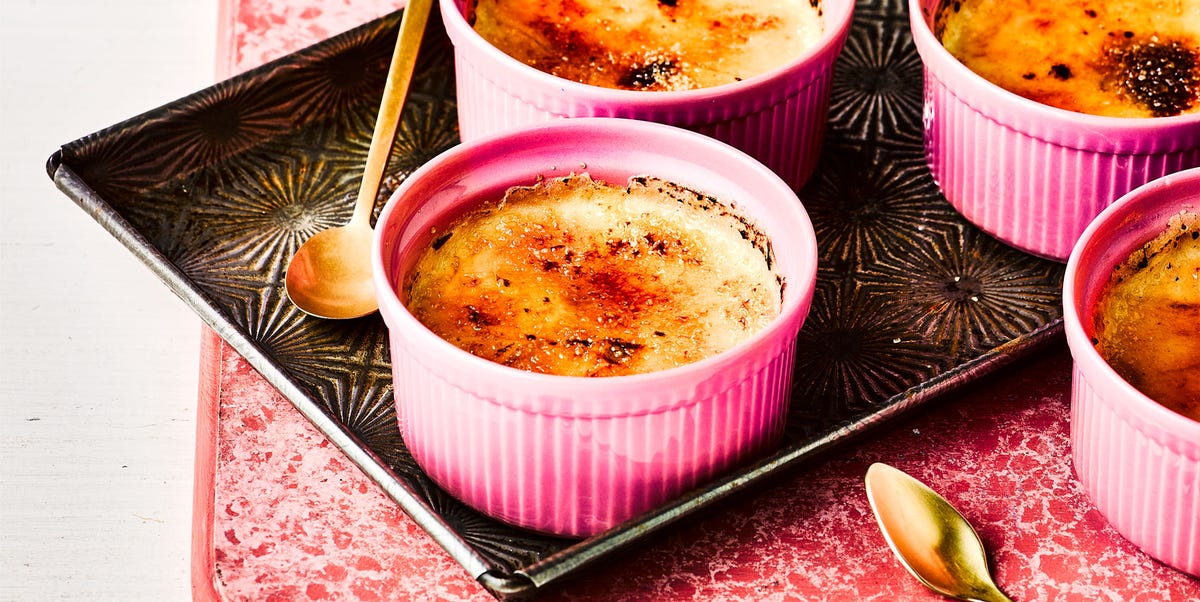
Semolina Crème Brulée sounds like the kind of dessert that arrives at the table wearing a tiny velvet jacket. It is elegant, a little dramatic, and absolutely ready for its close-up. But behind the caramelized sugar curtain, this dessert is surprisingly practical: creamy semolina pudding meets the crisp, glassy top of classic crème brulée. The result is a spoonable treat with comfort-food softness, French-dessert flair, and just enough crunch to make every bite feel like a tiny applause break.
Traditional crème brulée is known for its silky baked custard, usually made with cream, egg yolks, sugar, and vanilla. Semolina pudding, meanwhile, is thickened with semolina flour, a durum wheat product with a naturally golden color and gently nutty flavor. Bring the two together and you get something special: a dessert that is richer than ordinary pudding, easier to stabilize than a delicate custard, and more interesting than yet another vanilla ramekin trying to look mysterious under burnt sugar.
This guide explores what Semolina Crème Brulée is, why it works, how to make it, how to avoid common mistakes, and how to serve it like you casually host dinner parties in a sunlit farmhouse kitchen. Spoiler: no farmhouse required.
What Is Semolina Crème Brulée?
Semolina Crème Brulée is a hybrid dessert that combines the thick, creamy texture of semolina pudding with the caramelized sugar topping of crème brulée. Instead of relying only on egg yolks to set the custard, this version uses semolina as a thickener. That small change gives the dessert more body, a subtle grain-like silkiness, and a warm, comforting flavor.
Think of it as the charming middle child between French custard and old-fashioned milk pudding. It has the drama of crème brulée, thanks to the crackly sugar crust, but it also has the cozy personality of a stovetop pudding. It is refined enough for a dinner party and simple enough for a Tuesday night when your biggest achievement was not ordering takeout for the third time this week.
Why Semolina Works So Well in a Brulée Dessert
Semolina is made from durum wheat, the same hard wheat commonly used for pasta. In desserts, it adds texture, structure, and a mild nutty taste. When cooked with milk or cream, semolina absorbs liquid and thickens into a smooth, spoonable base. This makes it perfect for a crème brulée-inspired dessert because it can hold its shape while still feeling creamy.
Unlike cornstarch pudding, which can sometimes taste flat or overly firm, semolina brings character. Its texture is not gritty when cooked properly; instead, it feels plush and slightly substantial. The key is to add it slowly, whisk constantly, and let it cook long enough for the grains to soften. Rush this step and the dessert may taste like it has unresolved issues. Give it time, and it becomes beautifully creamy.
The Flavor Profile: Creamy, Toasty, Vanilla-Rich
The best Semolina Crème Brulée balances three main qualities: creaminess, warmth, and contrast. The base should be smooth and rich, with vanilla leading the way. The semolina adds a gentle toasted-wheat note, especially if you lightly toast it in butter before adding milk or cream. The sugar topping should be thin, crisp, and amber-colored, not a thick roofing tile of caramel.
Vanilla is the classic choice, but this dessert also welcomes lemon zest, orange blossom water, cardamom, cinnamon, almond extract, honey, or even espresso. The semolina base is friendly like that. It does not panic when introduced to other flavors.
Ingredients for Semolina Crème Brulée
Core Ingredients
- Fine semolina: Fine semolina gives the smoothest texture. Coarse semolina can work, but it needs more cooking time.
- Whole milk: Milk keeps the dessert creamy without making it too heavy.
- Heavy cream: Cream adds richness and helps mimic classic crème brulée.
- Egg yolks: Yolks add custard flavor, color, and luxurious texture.
- Granulated sugar: Used in the base and on top for caramelizing.
- Vanilla: Vanilla bean paste, vanilla extract, or a scraped vanilla bean all work well.
- Salt: A small pinch sharpens the flavor and keeps sweetness from going full cartoon villain.
Optional Flavor Additions
- Lemon zest for brightness
- Orange zest for a sunny citrus note
- Cardamom for a warm, aromatic twist
- Brown butter for deeper nuttiness
- Fresh berries for serving
- Chopped pistachios or almonds for garnish
Basic Semolina Crème Brulée Recipe
Yield
Serves 4 to 6, depending on ramekin size and how generous your idea of “just a little dessert” happens to be.
Ingredients
- 3 tablespoons fine semolina
- 1 1/2 cups whole milk
- 1 cup heavy cream
- 4 large egg yolks
- 1/3 cup granulated sugar, plus more for topping
- 1 teaspoon vanilla extract or vanilla bean paste
- 1 tablespoon unsalted butter, optional
- 1/8 teaspoon fine salt
- Optional: 1/2 teaspoon lemon zest or orange zest
Instructions
- Warm the dairy: In a medium saucepan, combine the milk, heavy cream, salt, and half of the sugar. Warm over medium heat until steaming, but do not boil.
- Toast the semolina: In a separate small pan, melt the butter over medium-low heat. Add the semolina and stir for 1 to 2 minutes until lightly fragrant. This step is optional, but it gives the dessert a richer, nuttier flavor.
- Whisk in the semolina: Slowly sprinkle the semolina into the warm dairy while whisking constantly. Cook for 5 to 7 minutes, stirring often, until the mixture thickens into a smooth pudding-like consistency.
- Temper the egg yolks: In a bowl, whisk the egg yolks with the remaining sugar until slightly lighter in color. Slowly add a small amount of the hot semolina mixture into the yolks while whisking. Then whisk the tempered yolks back into the saucepan.
- Cook gently: Continue cooking over low heat for 1 to 2 minutes, stirring constantly. Do not let the mixture boil. It should become glossy and thick enough to coat the back of a spoon.
- Add vanilla: Remove from heat and stir in vanilla and citrus zest if using.
- Strain if desired: For an extra-smooth finish, pass the mixture through a fine-mesh sieve. This is not mandatory, but it is a good move if you want a restaurant-style texture.
- Portion and chill: Divide the mixture among shallow ramekins. Cover and refrigerate for at least 3 hours, preferably overnight.
- Caramelize the top: Just before serving, sprinkle a thin, even layer of granulated sugar over each chilled custard. Use a kitchen torch to melt and caramelize the sugar until golden and crisp.
- Rest briefly: Let the caramelized sugar harden for 1 to 2 minutes before serving. Then crack in with a spoon and enjoy the tiny dessert thunderstorm.
Kitchen Torch or Broiler: Which Is Better?
A kitchen torch gives the most control. It melts the sugar quickly and evenly without warming the custard too much. That matters because the joy of crème brulée is contrast: cold, creamy base under a warm, crisp sugar shell.
A broiler can work, but it is less precise. If using a broiler, make sure the custards are very cold and place them close to the heat. Watch carefully because sugar can go from golden caramel to “smoke alarm solo performance” in seconds. Use shallow, broiler-safe dishes and rotate as needed for even coloring.
Common Mistakes and How to Avoid Them
Using Too Much Semolina
More semolina does not mean more luxury. It means a dessert that may set like breakfast porridge wearing formalwear. Start with a modest amount. The goal is creamy, not concrete.
Adding Semolina Too Fast
Sprinkle semolina slowly while whisking. Dumping it in all at once can create lumps. Lumps are not the end of the world, but they are also not invited to the dinner party.
Boiling the Egg Mixture
Egg yolks are delicate. If the mixture boils after the yolks are added, it can curdle. Keep the heat low and stir constantly. Gentle heat is the secret handshake of custards.
Caramelizing Too Thick a Sugar Layer
A thin layer of sugar caramelizes better and cracks more elegantly. Too much sugar creates a hard cap that feels less like dessert and more like excavation work.
Serving Too Soon
The custards need time to chill and set. Three hours is the minimum, but overnight is better. The flavor deepens, the texture firms, and your future self gets to feel organized.
Texture Tips for a Silky Semolina Custard
For the smoothest Semolina Crème Brulée, use fine semolina and cook it completely before chilling. If the grains are undercooked, the dessert may feel sandy. If the heat is too high, the base may thicken unevenly. Medium-low heat and steady whisking are your best friends here.
Straining the custard is another smart step. Even if your mixture looks smooth, a sieve catches tiny egg bits or semolina clumps. It is a small effort with a big payoff, like putting sheets on the bed before you get sleepy instead of wrestling with elastic corners at midnight.
Flavor Variations Worth Trying
Cardamom Semolina Crème Brulée
Add 1/4 teaspoon ground cardamom to the milk and cream. The result is warm, fragrant, and especially good with pistachios on top.
Lemon-Vanilla Semolina Crème Brulée
Add finely grated lemon zest to the custard after cooking. Lemon brightens the richness and makes the dessert feel lighter.
Chocolate Semolina Crème Brulée
Whisk 2 ounces of finely chopped dark chocolate into the hot custard before portioning. This creates a deeper, more indulgent version with a pudding-like personality.
Espresso Semolina Crème Brulée
Add 1 teaspoon instant espresso powder to the warm dairy. The coffee flavor pairs beautifully with caramelized sugar.
Serving Ideas
Semolina Crème Brulée is rich, so small servings work beautifully. Serve it in shallow ramekins or small ceramic dishes. Add fresh raspberries, sliced strawberries, roasted figs, or poached pears for contrast. A little acidity helps balance the cream and sugar.
For crunch beyond the sugar crust, sprinkle chopped toasted almonds or pistachios around the edge after caramelizing. Avoid placing nuts under the sugar before torching because they can burn. Burnt nuts are dramatic, yes, but not in the way dessert wants to be dramatic.
Make-Ahead and Storage Tips
The custard base can be made one day ahead and refrigerated. In fact, it improves with time because the semolina fully hydrates and the flavors settle. Cover each ramekin tightly after the custard has cooled slightly. Add and caramelize the sugar only right before serving. If you torch the sugar too early, the crust may soften in the refrigerator.
Store un-torched custards in the refrigerator for up to 3 days. Because this dessert contains dairy and eggs, keep it chilled and do not leave it sitting at room temperature for long periods. For the best texture and food safety, serve shortly after caramelizing.
Food Safety Notes for Custard Desserts
Because Semolina Crème Brulée uses egg yolks, gentle but proper cooking matters. The custard should be heated enough to thicken safely, and the finished dessert should be refrigerated promptly. Use clean utensils, avoid cross-contamination, and keep eggs cold before cooking. If serving to very young children, older adults, pregnant people, or anyone with a weakened immune system, be especially careful with egg-based desserts.
A food thermometer is useful if you want extra confidence. Custard mixtures with eggs are generally considered safer when they reach an appropriate internal temperature. The practical home-cook rule is simple: cook gently until thickened, chill promptly, and do not let the dessert lounge on the counter like it pays rent.
Why This Dessert Belongs on Your Table
Semolina Crème Brulée is memorable because it feels familiar and new at the same time. The caramelized sugar top delivers the classic crack people love. Underneath, the semolina custard offers a creamy texture with more warmth and body than standard crème brulée. It is not trying to replace the classic. It is more like the classic’s charming cousin who studied abroad and came back with excellent dessert opinions.
It also solves a practical problem. Classic crème brulée can be fussy: overbake it and it turns rubbery; underbake it and it refuses to set. Semolina provides structure, making the dessert a little more forgiving. That makes it ideal for home cooks who want elegance without needing a pastry diploma, a French accent, or emotional support ramekins.
Experiences With Semolina Crème Brulée: What It Feels Like to Make and Eat
The first time you make Semolina Crème Brulée, the process feels almost suspiciously simple. You stir milk, cream, sugar, and semolina in a saucepan, and suddenly the mixture thickens as if it has remembered its purpose in life. There is a lovely moment when the custard changes from thin and splashy to glossy and spoon-coating. That is the point where the kitchen starts to smell like vanilla, warm wheat, and the kind of dessert that makes people wander in asking, “What are you making?” even if they have ignored you for the previous 42 minutes.
The real magic happens after chilling. When the ramekins come out of the refrigerator, the surface is smooth and calm. Then the sugar goes on. At first, it looks plain. A spoonful of granulated sugar does not exactly scream luxury. But once the torch hits it, the sugar bubbles, melts, and turns amber. The transformation is fast, theatrical, and deeply satisfying. It is the dessert equivalent of putting on eyeliner and suddenly becoming the main character.
Eating it is all about contrast. The spoon taps the top, and the caramel shell cracks with that famous little snap. Underneath, the semolina custard is cool, creamy, and fuller-bodied than classic custard. It does not vanish instantly on the tongue; it lingers. The flavor is vanilla-forward, but the semolina adds a mellow nuttiness that makes the dessert feel grounded. It is elegant, but not fragile. Sweet, but not silly. Creamy, but not heavy enough to make you question your life choices.
One of the best experiences with this dessert is serving it to people who think they already know crème brulée. They expect the usual custard, and then they notice the texture is slightly different. In a good way. The semolina gives it a soft, pudding-like body that feels nostalgic, especially for anyone who grew up eating warm milk puddings, Cream of Wheat, or similar comfort desserts. It creates a bridge between restaurant dessert and family kitchen memory.
It is also a great recipe for experimenting. A little lemon zest makes it brighter. Cardamom makes it cozy. Dark chocolate turns it into a richer dessert that tastes like it should be eaten slowly, preferably while pretending you are not checking your phone. Fresh berries make it feel balanced and colorful. Toasted pistachios make it look fancy with almost no effort, which is one of the finest achievements in home cooking.
The biggest lesson from making Semolina Crème Brulée is patience. Cook the semolina gently. Chill the custard long enough. Torch the sugar only at the end. None of the steps are hard, but each one rewards calm attention. That is part of the pleasure. It is not a frantic dessert. It asks you to slow down, stir, wait, and then crack through caramel like a person who has earned something wonderful.
Conclusion
Semolina Crème Brulée is a beautiful dessert for anyone who loves creamy custards, caramelized sugar, and recipes with a little personality. It takes the elegance of crème brulée and adds the comforting texture of semolina pudding, creating a dessert that is both sophisticated and deeply cozy.
The secret is balance: fine semolina for smoothness, gentle heat for a creamy base, enough chilling time for structure, and a thin sugar layer for the perfect crack. Make it with vanilla for a classic version, or add citrus, cardamom, chocolate, or espresso for a personal twist. However you serve it, this dessert proves that semolina deserves more attention than it usually gets. Pasta may be its famous career, but dessert might be its secret talent.














