
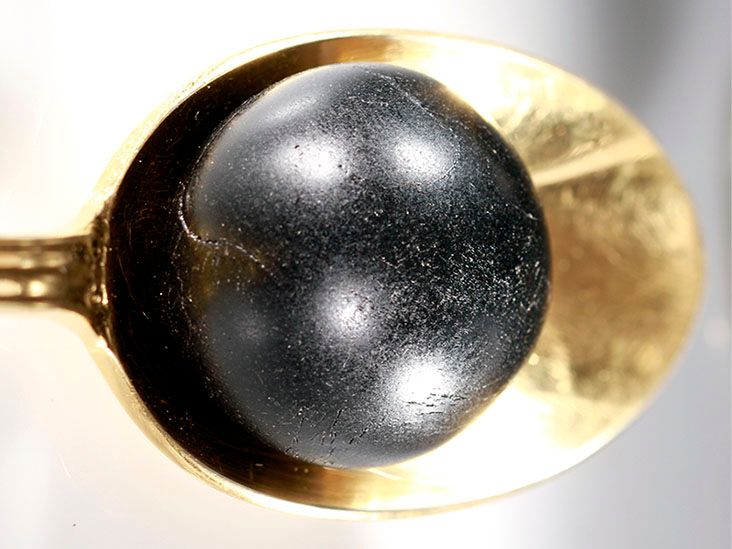
Shilajit has one of those names that sounds like it should either unlock a secret level in a video game or come with a wizard. Instead, it is a sticky, mineral-rich substance traditionally used in Ayurvedic medicine and now sold in capsules, powders, and glossy little jars of resin. The marketing around it can be dramatic. The science around it is more complicated. That is exactly why this guide matters.
If you have been seeing shilajit everywhere and wondering whether it is a smart wellness tool or just another supplement having a loud moment online, here is the grounded answer: it may offer some real benefits, but most of the evidence is still early, small, or condition-specific. It is not magic mountain tar. It is not a cure-all. And it definitely should not be treated like a free pass to ignore sleep, nutrition, exercise, or actual medical care.
This article breaks down what shilajit is, eight potential benefits researchers are studying, how adults typically use it, and the safety rules that matter more than the hype. Because when a supplement is sold as if it can fix everything from fatigue to aging, a little skepticism is not negativity. It is cardio for your critical thinking.
What is shilajit, exactly?
Shilajit is a dark, resin-like phytocomplex found in high mountain regions, especially around parts of the Himalayas and nearby ranges. It forms over a very long time as plant material and organic matter break down and become concentrated in rock crevices. Traditional systems of medicine have used it for centuries. Modern supplement companies usually highlight one of its key components: fulvic acid.
That matters because fulvic acid is often linked to shilajit’s proposed antioxidant and transport-related effects. Shilajit also contains a mix of trace minerals and other compounds, which is part of the reason it is marketed as a broad “vitality” supplement. The catch is that natural origin does not automatically mean reliable composition. Depending on sourcing and processing, one product can look very different from another. That is why quality and purification are not side notes here. They are the headline.
8 potential benefits of shilajit
1. It may provide antioxidant support
One reason shilajit gets so much attention is its antioxidant profile, especially because of fulvic acid and other bioactive compounds. Antioxidants help neutralize oxidative stress, which is involved in aging, inflammation, and many chronic conditions. That does not mean shilajit “stops aging,” despite what some supplement ads would love for you to believe in bold all caps. It means researchers are interested in whether its compounds help reduce cellular wear and tear in meaningful ways.
In practical terms, antioxidant support is one of the most believable parts of the shilajit conversation. It is also one of the most often exaggerated. Think of it as a possible contributor to a healthy routine, not a replacement for fruits, vegetables, sleep, and not treating your body like a rental car.
2. It may help calm inflammation
Shilajit is also studied for anti-inflammatory effects. That does not make it an anti-inflammatory medication, but it does help explain why it shows up in discussions about recovery, joint comfort, immune balance, and general wellness. Early research suggests its compounds may influence inflammatory pathways, which could be useful in certain contexts.
Still, this is a good place to keep your expectations humble. “May help with inflammation” is not the same as “will fix every ache you have ever had.” If your knee hurts because you tried to become a weekend athlete after six straight months of sitting like a decorative houseplant, shilajit is not going to out-negotiate physics.
3. It may support energy and fatigue management
Many people turn to shilajit because they want more energy, less brain fog, or better stamina. That interest partly comes from research into mitochondrial function, since mitochondria are involved in how your cells produce energy. Some animal and exercise-related studies suggest shilajit may help support energy metabolism or reduce fatigue-related decline.
This is one of the more appealing claims, but it is also one of the easiest to oversell. There is a difference between helping the body manage energy production and acting like a stimulant. Shilajit is not coffee. It is not an energy drink. It is better understood as a supplement being studied for subtle, longer-term support rather than instant fireworks. If you are sleeping five hours a night and calling it “the grind,” no supplement is going to fix that strategy.
4. It may support cognitive health
Shilajit has attracted research interest in cognitive aging because fulvic acid may interact with processes linked to abnormal protein buildup in the brain. Some laboratory and theoretical work suggests it could have a role in brain health, especially around neuroprotection and healthy aging.
That sounds promising, and it is. But promising is not proven. Most of the attention in this area comes from preclinical work and early-stage scientific interest, not from large, definitive human trials proving shilajit prevents dementia. So this benefit belongs in the “worth watching” category, not the “go tell everyone at brunch” category.
5. It may support male fertility and testosterone in limited studies
Human studies have helped drive shilajit’s reputation in men’s health. Some research has reported improvements in sperm parameters in men with infertility and increases in testosterone markers in specific adult male groups after structured supplementation. That is a major reason shilajit often appears in conversations about reproductive health and vitality.
But context matters. These findings do not mean every man will see the same result, and they certainly do not mean it is a quick fix for low testosterone, infertility, or sexual health problems. Hormones are not simple, fertility is not simple, and the internet’s favorite shortcut usually turns out to be less shortcut and more detour. Shilajit may be part of a broader conversation with a clinician, but it should not replace actual evaluation.
6. It may help preserve strength during hard training
Some sports nutrition research suggests shilajit may help reduce the drop in strength that can happen after fatiguing exercise. In other words, it may support recovery or help athletes maintain performance during demanding training periods. That does not make it a miracle performance enhancer, but it does make it interesting for people who train consistently and want every legal edge that does not involve living in an ice bath.
For active adults, this may be one of the more practical areas of interest. The key word, though, is support. The best recovery tools are still the boring champions: progressive programming, enough protein, enough sleep, hydration, and not trying to PR every Tuesday because your playlist got emotional.
7. It may support bone health in certain adults
One of the more notable human findings is in postmenopausal women with osteopenia, where a controlled study reported that standardized shilajit extract helped preserve bone mineral density over time. That is a meaningful area of research because bone loss is a major health issue with real consequences.
This does not mean shilajit is now the king of bone care. It means the ingredient is being studied seriously enough to deserve attention, especially in targeted populations. Bone health is still built on a much bigger foundation that includes weight-bearing exercise, adequate nutrition, vitamin D when appropriate, calcium intake, and medical guidance when risk is high.
8. It may contribute trace minerals and broader “resilience” support
Shilajit is often described as a mineral-rich substance, and that is part of its traditional appeal. Some formulations may contribute trace minerals, and that may be one reason it is used as a general vitality supplement. Historically, it has also been linked with resilience in physically demanding environments, including high-altitude conditions.
That said, this benefit needs the most caution in how it is framed. Trace minerals are useful, yes. But shilajit should not be treated like a guaranteed mineral therapy, and it is not a substitute for diagnosing deficiencies such as iron deficiency anemia. In fact, mineral content can be part of the quality problem if a product is poorly purified. A supplement cannot brag about minerals if it is also bringing uninvited guests to the party.
How adults typically use shilajit
Choose the form that fits your routine
Shilajit is commonly sold as resin, capsules, tablets, and powder. Resin is the most traditional-looking form and often has the strongest taste and smell. Some people like that because it feels closer to the original material. Others try it once, make a face, and immediately understand why capsules were invented. Capsules and tablets are simpler and more consistent for many adults, while powders are more flexible but sometimes less convenient.
Purified beats raw
The biggest rule is to choose purified shilajit from a company that clearly explains testing and sourcing. Raw or poorly processed products may contain heavy metals or other contaminants. This is not a tiny technical concern. It is the safety issue most worth respecting.
Follow the label, not random internet bravado
There is no universally agreed-upon dose of shilajit that applies to everyone, and supplement quality varies a lot. Adults who choose to use it should follow the product label and avoid taking more just because someone online said it “hits better” that way. That is not science. That is how people end up making preventable mistakes.
Take stock of your medications and health conditions first
Shilajit may interact with medications or be inappropriate for certain health conditions. People who are pregnant or breastfeeding, taking blood thinners, using immunosuppressive drugs, managing thyroid issues, or dealing with autoimmune conditions should get medical guidance before using it. The same goes for anyone planning surgery. This is especially important because supplements can change how medications work.
Know who should be extra cautious
Children and teenagers should not treat shilajit like a casual wellness trend. Research in younger people is limited, product quality varies, and the safety data are not strong enough to make it a carefree choice. Adults should also stop using it and get medical help if they notice signs of an allergic reaction, unusual skin changes, or anything that feels off rather than “normal adjustment.”
What are the risks and side effects?
Shilajit’s biggest drawback is not that it comes from a mountain. It is that supplements are not regulated like prescription drugs before they hit the market. That means purity, potency, and contamination can vary. Some Ayurvedic products tested by authorities have contained lead, mercury, arsenic, and other dangerous substances. That is why buying the cheapest mystery resin from a dramatic label is not adventurous. It is careless.
Side effects may include digestive discomfort, headaches, sore throat, skin reactions, or rare allergic responses. There are also concerns about possible effects in people with autoimmune disease, thyroid issues, or certain medication regimens. If you want the shortest, most useful safety rule, here it is: natural does not equal harmless. Poison ivy is natural too, and nobody is blending that into a wellness latte.
Is shilajit worth trying?
For healthy adults who choose a purified product carefully and use it with reasonable expectations, shilajit may be worth exploring. The strongest interest appears to be around energy support, exercise recovery, male reproductive markers, antioxidant activity, and bone health in specific groups. But the total evidence is still mixed, and it is nowhere near strong enough to justify miracle language.
So the smartest approach is balanced: be curious, but not gullible. Respect tradition, but also respect modern evidence. And remember that the best supplement routine in the world still struggles to beat the basics if the basics are missing.
Experiences people often describe with shilajit
One of the most interesting parts of the shilajit conversation is how people describe the experience of using it, because those experiences are often much less dramatic than the marketing. The first thing many notice is the form. Resin feels “serious” and traditional, but it is also earthy, smoky, and not exactly a flavor that makes people write poetry. Some adults enjoy the ritual of dissolving a small amount in warm water or another beverage. Others take one whiff, decide life is too short, and move to capsules immediately. That alone tells you a lot about real-world supplement use: convenience often wins.
Another common experience is that shilajit does not usually feel like a dramatic overnight change. People expecting the supplement version of a lightning bolt are often disappointed. Those who stick with it tend to describe subtler patterns instead, such as feeling a little more steady during the day, a little less wiped out after workouts, or a little less reliant on that third cup of coffee that feels less like a beverage and more like a negotiation tactic. In other words, when people feel something, it is often described as gradual support rather than a sudden transformation.
There is also a big difference between people who use shilajit thoughtfully and people who use it like a social media challenge. Thoughtful users usually spend time checking the label, reading about purification, and asking whether it makes sense with their health history. They are more likely to view it as one part of a broader routine that includes sleep, training, hydration, and actual meals that contain nutrients. People in the second group sometimes expect a supplement to rescue them from habits that would exhaust a battery-powered robot. That rarely ends well, and when they do not feel instantly “optimized,” the supplement gets blamed for failing to do the impossible.
Some adults also report that the most useful part of trying shilajit is not even the supplement itself. It is the behavior change that comes with paying attention. Once someone starts tracking energy, sleep, workouts, digestion, and focus, they often notice patterns they missed before. Maybe they feel better when they are consistent with breakfast. Maybe their afternoon slump has more to do with sleep debt than any supplement. Maybe their training fatigue disappears when they stop pretending recovery is optional. Shilajit becomes less of a miracle and more of a mirror.
And of course, not everyone keeps using it. Some stop because they dislike the taste. Some stop because the cost does not match the benefit. Some stop because they realize they would rather spend that money on better food, a gym membership, or a mattress that is not actively ruining their back. Honestly, that is a perfectly respectable outcome. The “best” supplement is not the one with the most dramatic claims. It is the one that fits safely into a real life and still seems worthwhile after the excitement wears off.
That may be the most realistic experience-based takeaway of all: shilajit is not usually a magic trick. For some adults, it may be a useful addition. For others, it is a fascinating traditional substance with limited practical payoff. Either way, approaching it with patience, caution, and a sense of humor is smarter than treating it like a mythical shortcut in a jar.
Conclusion
Shilajit is an old remedy meeting modern wellness culture, which means it sits at the exact intersection where tradition, science, curiosity, and marketing all start talking at once. The good news is that some of the interest is justified. Early research suggests potential benefits in areas like antioxidant support, fatigue, cognition, male reproductive health, exercise recovery, and bone health. The less exciting but more important news is that product quality, contamination risk, and evidence limits still matter a lot.
If you are an adult considering shilajit, the smart move is not to ask whether it is trendy. It is to ask whether the product is purified, whether it fits your health history, and whether your expectations are realistic. Used carefully, it may offer value. Used casually, it can become yet another supplement surrounded by more enthusiasm than judgment.














