
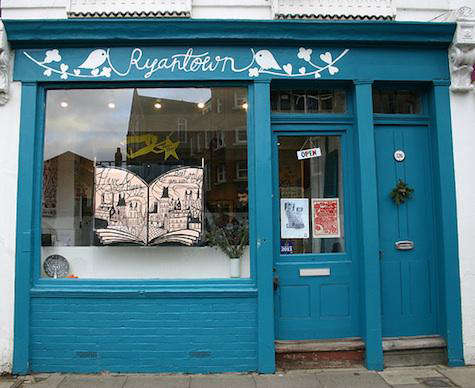
Ryantown in London was never just a shop. It was the sort of tiny, imaginative place that made visitors slow down, tilt their heads, and suddenly feel emotionally attached to a ceramic tile. Located at 126 Columbia Road in East London, Ryantown was the gallery-shop of British artist Rob Ryan, best known for his intricate papercuts, screen prints, tender lettering, and the kind of poetic phrases that make even a shopping bag feel like it has read a novel.
For anyone who loves independent boutiques, handmade home decor, British illustration, or stores with a personality larger than their square footage, Ryantown remains a memorable name in London shopping culture. The original Columbia Road shop is no longer open as a physical retail space, but its spirit continues through Rob Ryan’s studio, online shop, prints, ceramics, and devoted following. Think of this article as a shopper’s diary with a little time travel: part design guide, part East London love letter, and part reminder that the best shops often feel like stepping inside someone’s imagination.
What Was Ryantown?
Ryantown was opened by Rob Ryan in 2008 on Columbia Road, a street already famous for its Sunday flower market, Victorian shopfronts, independent retailers, and cheerful chaos. The shop sold Ryan’s own work across a wide range of objects: paper cuts, screen prints, cards, tiles, cushions, mugs, vases, homewares, wooden keys, limited-edition prints, textiles, and small gift pieces. In other words, it was a dangerous place for anyone who says, “I’m only browsing.” Famous last words.
The appeal of Ryantown came from the way it blurred the line between gallery and gift shop. You could walk in for a card and leave thinking deeply about love, loneliness, birds, houses, stars, and whether your kitchen needed a poetic tile. The answer, according to Ryantown, was usually yes.
Rob Ryan’s work is instantly recognizable. His designs often combine delicate silhouettes, handwritten text, trees, people, birds, hearts, flowers, and tiny domestic scenes. The result is sentimental but not sugary, romantic but not silly, decorative but still deeply personal. His art has appeared in books, prints, album covers, exhibitions, ceramics, textiles, and collaborations with major fashion and design brands.
Why Columbia Road Was the Perfect Home for Ryantown
Columbia Road is one of London’s most characterful shopping streets. On Sundays, it transforms into Columbia Road Flower Market, a lively East End institution packed with flower stalls, houseplants, herbs, shrubs, traders shouting prices, locals carrying armfuls of tulips, and tourists trying to look casual while photographing every doorway.
The street’s energy made it a natural home for Ryantown. Columbia Road is not the place for sterile shopping. It is a place for impulse, conversation, color, and discovery. The flower market brought in visitors who were already in the mood to be charmed, and Ryantown gave them something longer-lasting than a bouquet. Flowers fade. A Rob Ryan print can quietly emotionally ambush you for years.
Ryantown’s weekend opening rhythm also matched the market’s personality. It became part of the Sunday ritual: coffee, flowers, a wander through independent shops, and a stop inside a little universe of papercut poetry. For shoppers who preferred personality over polished sameness, it was exactly the sort of place that made East London feel special.
Inside the Ryantown Shopping Experience
Walking into Ryantown was like entering a storybook that had been carefully cut with a scalpel and then printed onto everything you suddenly wanted to own. The shop was intimate, visual, and full of small discoveries. A customer might notice a greeting card first, then a tile, then a print, then a phrase that somehow felt suspiciously written for them.
1. The Art Was Personal
Rob Ryan’s best-known pieces often use words as part of the image. The language is simple, emotional, and direct. Rather than sounding like advertising copy, the phrases feel like private thoughts that wandered onto paper and decided to stay. This gave Ryantown’s products a strong gift appeal. A print or card could feel specific, even when it was made for many people.
2. The Objects Felt Collectible
Ryantown worked because it gave shoppers many ways into the artist’s world. Not everyone can buy a major original artwork, but many people can buy a card, tea towel, tile, mug, or small print. That range made the shop welcoming. It invited both serious collectors and casual visitors who simply wanted something beautiful, useful, or emotionally accurate enough to make them say, “Oh no, this is me.”
3. The Store Had a Handmade Soul
Ryan’s practice is rooted in papercutting and printmaking, disciplines that require patience, planning, and a steady hand. The work’s handmade quality translated well into shop objects. Even when designs appeared on ceramics or fabric, they carried the feeling of having begun as a drawn line, a cut shape, and a carefully considered phrase.
Who Is Rob Ryan?
Rob Ryan is a British visual artist associated with papercutting, screen printing, illustration, and design. He studied fine art and specialized in printmaking at the Royal College of Art in London. Over time, he developed a style that made traditional papercutting feel contemporary, graphic, literary, and emotionally accessible.
His work often explores love, separation, hope, domestic life, memory, and the strange tenderness of everyday things. That may sound like heavy material for a mug, but Ryan has a gift for making ordinary objects feel quietly meaningful. His pieces can be playful, melancholic, funny, romantic, and slightly odd all at once, which is exactly the emotional range of a good London Sunday.
Ryan’s designs have also appeared through collaborations with brands and retailers, including fashion, homeware, stationery, and gallery projects. This broad adaptability is one reason Ryantown made sense. His visual language works beautifully on a wall, but it also survives the leap onto a plate, cushion, calendar, or card without losing its charm.
What Could Shoppers Find at Ryantown?
Ryantown’s product mix was part of the fun. It felt less like a standard art shop and more like a cabinet of thoughtful, useful, whimsical things. The selection typically included decorative and giftable items that carried Ryan’s signature silhouettes and lettering.
Prints and Papercut-Inspired Art
For many visitors, the prints were the main attraction. Rob Ryan’s screen prints and paper-cut imagery are ideal for people who want art that feels warm without becoming bland. His compositions often combine architecture, natural forms, figures, and text in a way that rewards close looking.
Ceramics and Tiles
Ceramics were a major part of the Ryantown appeal. Plates, tiles, mugs, and decorative objects allowed shoppers to bring the artwork into daily life. A tile with a poetic message could turn a plain wall into a tiny conversation. A mug could make morning coffee feel slightly more profound, which is helpful when the coffee itself is doing most of the emotional labor.
Cards and Small Gifts
Greeting cards were among the most accessible pieces. They were easy to buy, easy to gift, and easy to justify even when one had already spent too much on flowers. The cards worked especially well because Ryan’s art often says what people want to say but cannot quite phrase elegantly without sounding like a Victorian ghost.
Textiles and Homewares
Cushions, fabrics, and other home goods extended the Ryantown look into interiors. These pieces suited homes that favor character over minimal blankness. They also offered a clever bridge between fine art and domestic design: beautiful enough to admire, practical enough to live with.
Why Ryantown Still Matters
Even though the physical Ryantown shop closed in 2016, it remains important as an example of how an artist-led retail space can create a loyal audience. In the age of endless online shopping, Ryantown represented something harder to duplicate: atmosphere. It gave people a place to encounter the work in context, surrounded by the street, the market, the neighborhood, and the artist’s visual world.
That matters because shopping is not always just about buying. Sometimes it is about discovery. Sometimes it is about finding an object that holds a mood. Sometimes it is about walking into a store and realizing that someone has built a whole tiny universe around paper, ink, and feelings, and somehow you are completely on board.
How Ryantown Fits Into London’s Independent Shopping Scene
London has no shortage of shopping, but the city’s most memorable retail experiences often happen away from the obvious streets. Oxford Street may have scale, but places like Columbia Road have texture. Independent shops, small galleries, markets, cafés, florists, and design boutiques create the feeling of a neighborhood that is alive rather than merely open for business.
Ryantown belonged to that tradition. It gave shoppers a reason to explore East London beyond the major attractions. It also showed how a shop can become a destination by being specific. Ryantown did not try to sell everything to everyone. It sold one artist’s world, clearly and confidently. That focus made it stronger.
A Shopper’s Guide to the Ryantown Aesthetic
If you are drawn to the Ryantown style, you probably like objects with a story. You may enjoy hand-lettering, folk-art details, romantic phrases, monochrome silhouettes, delicate linework, and designs that look sweet at first but reveal deeper emotion on a second glance. You may also be the kind of person who cannot pass a good stationery display without “just checking.” We see you. We respect the struggle.
Look for Meaningful Text
Words are central to Ryan’s visual language. When shopping for pieces inspired by this aesthetic, look for text that feels sincere rather than decorative filler. The best phrase-based art does not simply say something cute; it creates a mood.
Choose Objects You Will Actually Use
Ryantown’s charm came partly from practical art. A plate, mug, tile, or card could carry the same emotional weight as a framed print while fitting naturally into everyday life. When shopping for similar pieces, prioritize items that will become part of your routine.
Mix Whimsy With Simplicity
Rob Ryan’s work has plenty of detail, so it often looks best against simple surroundings. A single print on a clean wall, a decorated tile near a kitchen shelf, or a patterned cushion on a plain chair can make the artwork stand out without turning the room into a visual marching band.
Visiting Columbia Road Today
Ryantown may no longer be open at its original address, but Columbia Road remains worth visiting. The Sunday flower market continues to draw crowds, and the street still offers independent shops, cafés, galleries, and design stops. It is especially rewarding for travelers who prefer neighborhoods with personality, not just landmarks with queues.
For the best experience, go early if you want space to browse, or later if you enjoy bargaining energy and do not mind crowds. Bring patience, comfortable shoes, and enough tote-bag capacity to handle both flowers and unexpected homeware decisions. Columbia Road has a way of turning “I don’t need anything” into “Apparently I needed a fern and a ceramic dish.”
Shopping Lessons From Ryantown
Ryantown offers useful lessons for shoppers, designers, and anyone interested in creative retail. First, a strong point of view matters. The shop was memorable because it had a clear identity. Second, small objects can carry big emotional value. Third, location matters when the place and the product tell the same story.
Most importantly, Ryantown proved that retail can be intimate. A store does not have to be large to feel complete. It does not need hundreds of brands if the world it presents is coherent. In Ryantown’s case, the world was made from paper, print, poetry, and a little East London weather.
Extra Diary: Personal Shopping Experiences Inspired by Ryantown
A Ryantown-style shopping trip begins before you even reach the door. Imagine arriving on Columbia Road on a Sunday morning. The street is already awake. Buckets of flowers lean into the pavement, traders call out prices, people carry eucalyptus like they are returning from a very fragrant battle, and somewhere nearby a coffee machine is working harder than most office managers.
The first experience connected to Ryantown is the pleasure of slowing down. This is not supermarket shopping, where you grab, scan, and flee. This is browsing as a sport, browsing as therapy, browsing as a mild personality test. You notice the lettering on a card. You pause over a tile. You pick up a mug, put it down, walk away, then return because apparently the mug has unfinished business with you.
The second experience is emotional recognition. Rob Ryan’s work often feels like it catches thoughts people rarely say aloud. A shopper might find a phrase about longing, hope, home, or distance and immediately think of a friend, partner, parent, or former version of themselves. That is powerful retail. It turns a purchase into a message.
The third experience is the joy of buying small but meaningful things. Not every souvenir needs to scream “I went to London” in giant letters. Sometimes the best travel purchase is a card, print, or ceramic object that quietly reminds you of a particular street, a particular morning, and a particular mood. Ryantown specialized in that kind of memory object.
The fourth experience is the connection between art and everyday life. Many galleries ask you to admire from a respectful distance. Ryantown invited you to take the art home, pour tea into it, hang it near your desk, send it to someone, or prop it on a shelf. That accessibility made the shop feel democratic without making the work feel ordinary.
The final experience is nostalgia. Because the physical shop has closed, writing about Ryantown now feels like opening a drawer and finding a postcard from a favorite trip. It reminds us that beloved shops do not disappear completely when their doors close. They live on in the objects people bought, the photos they took, the gifts they gave, and the way they talk about the place years later.
That is the true charm of Ryantown in London. It was not just a retail address. It was a small creative landmark where shoppers could meet an artist’s imagination in physical form. And honestly, in a world of identical stores and algorithm-approved recommendations, a shop like that feels almost heroic. Give it a tiny cape. Preferably papercut.
Conclusion
Ryantown in London remains a beautiful case study in artist-led shopping, independent retail, and the lasting power of a strong creative identity. Rob Ryan’s Columbia Road shop gave visitors more than products; it offered atmosphere, emotion, craft, and a reason to believe that a card, tile, print, or mug could carry a small piece of poetry into everyday life.
For shoppers, Ryantown was a reminder to seek out stores with personality. For design lovers, it showed how illustration can move across media without losing its soul. For travelers, it proved that the best London memories are often found on smaller streets, tucked between flower stalls, coffee cups, and independent shop windows. Ryantown may no longer trade from 126 Columbia Road, but its influence continues wherever people choose thoughtful, artful, human-made objects over forgettable things with barcodes and no heartbeat.
Note: Ryantown’s original physical shop on Columbia Road is no longer open; this article presents its history, shopping experience, and lasting design legacy for readers interested in London retail, Rob Ryan’s art, and independent creative stores.














