
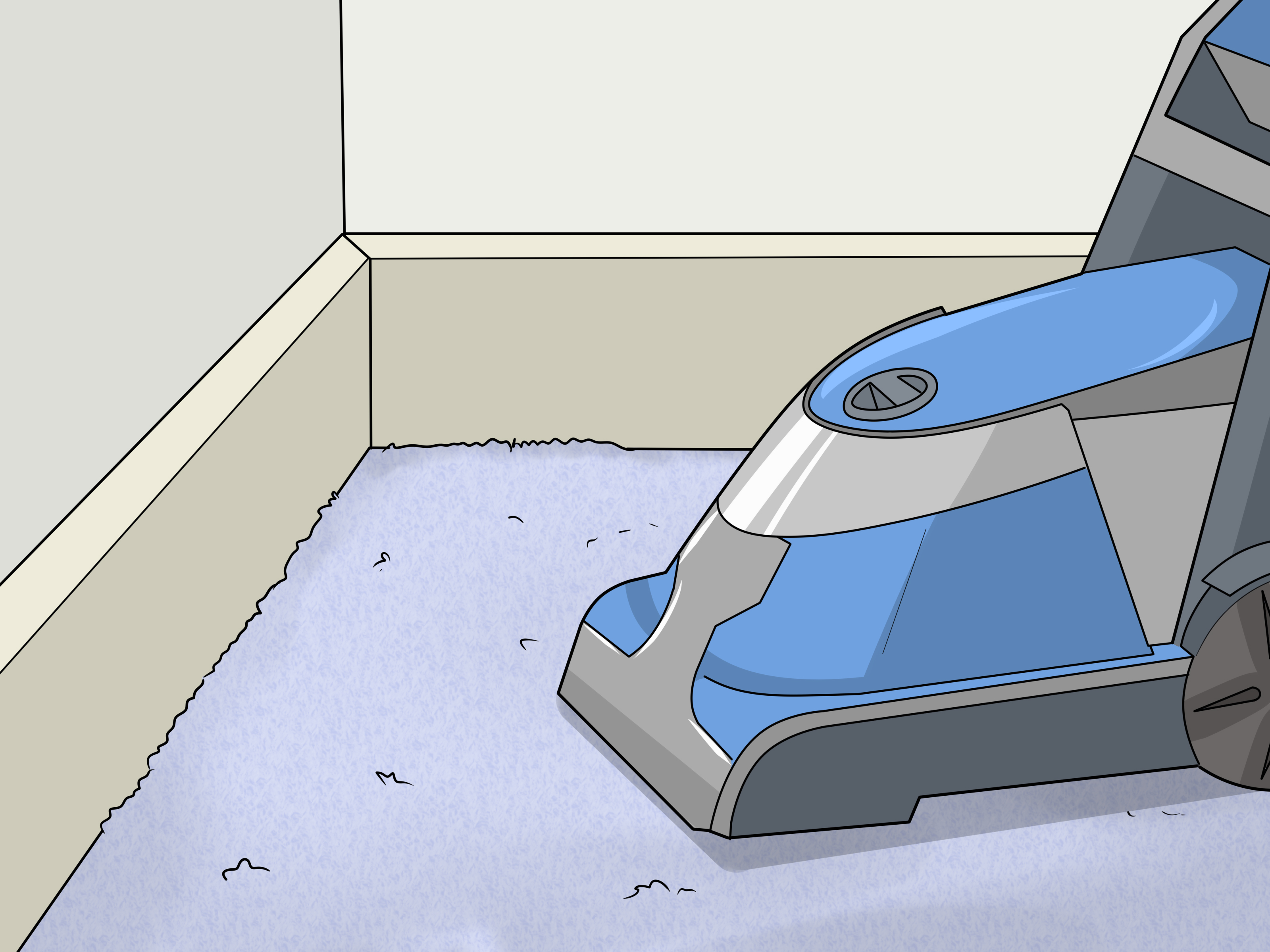
Carpet edges are the tiny crime scenes of home cleaning. The middle of the room may look perfectly respectable, but the borders along the baseboards can collect dust, pet hair, crumbs, lint, dark lines, and mysterious fuzz that looks like it has been plotting since 2009. The good news? You do not need a professional truck-mounted machine every time your carpet edges start looking gray. With the right tools, a little patience, and a smarter routine, you can make those neglected strips look cleaner, brighter, and much less suspicious.
This guide explains simple ways to clean carpet edges in 11 practical steps. It covers vacuuming, loosening embedded dust, treating dark edge lines, cleaning near baseboards, drying correctly, and preventing the dirt from coming back. Whether you are preparing for guests, moving out of a rental, or simply tired of seeing shadowy lines around the room, these carpet edge cleaning tips will help you refresh your floors without turning your Saturday into a home-improvement documentary.
Why Carpet Edges Get So Dirty
Carpet edges get dirty for several reasons. First, standard vacuum heads often do not reach tightly against walls, corners, stairs, and baseboards. That narrow strip becomes a dust parking lot. Second, airflow in the home can push tiny particles through gaps near walls, under doors, and around baseboards. Over time, the carpet fibers act like a filter, trapping dust, soot, pet dander, cooking residue, and other airborne particles. This is often called filtration soiling, and it commonly appears as gray or black lines along carpet edges.
Another reason is simple daily life. Shoes track in soil. Pets nap along walls like tiny furry landlords. Kids drop snack crumbs in places that defy physics. Even clean homes can develop dirty carpet edges because these areas are hard to reach and easy to ignore. Regular maintenance matters because dry soil can settle deep into carpet fibers, making it harder to remove later.
What You Need to Clean Carpet Edges
Before starting, gather your tools. You do not need anything fancy, but using the right supplies will make the job easier and safer for your carpet.
- Vacuum cleaner with hose attachment
- Crevice tool
- Soft-bristled brush or old toothbrush
- Clean white microfiber cloths
- Mild dish soap
- Warm water
- Spray bottle
- Small bowl or bucket
- Baking soda, optional for odor control
- Carpet-safe spot cleaner, optional
- Fan for drying
Always use white cloths when cleaning carpet. Colored towels can transfer dye, especially when damp. Also, test any cleaning solution in a hidden area first. Carpet fibers vary, and wool, natural fibers, and delicate rugs may react differently than standard synthetic wall-to-wall carpet.
Simple Ways to Clean Carpet Edges: 11 Steps
Step 1: Move Furniture Away From the Walls
Start by pulling furniture a few inches away from the wall. You do not need to rearrange the entire room like you are filming a makeover show, but you do need enough space to reach the carpet edges comfortably. Move chairs, side tables, floor lamps, baskets, pet beds, and anything else blocking the baseboards.
This step matters because dirt hides behind furniture. If a sofa has been sitting in the same place for years, the carpet edge behind it may hold dust, hair, snack crumbs, and possibly the missing earring you gave up on last spring.
Step 2: Dust the Baseboards First
Before touching the carpet, clean the baseboards. If you vacuum the carpet first and then wipe dusty trim, the dust will fall right back onto the freshly cleaned edge. That is not cleaning; that is a sequel.
Use a microfiber cloth, duster, or vacuum brush attachment to remove loose dust from the baseboards. For sticky grime, lightly dampen a cloth with water and a drop of mild dish soap. Wipe gently, then dry the trim with a clean cloth. Avoid soaking wood baseboards because excess moisture can damage paint, stain, or MDF trim.
Step 3: Vacuum the Room Normally
Vacuum the main carpet area first. This removes loose dirt before you focus on the edges. Use slow, overlapping passes instead of racing across the room. A slow vacuum pass gives the machine more time to lift dust and debris from the carpet pile.
For high-traffic rooms, vacuum at least once a week. Homes with pets, kids, allergies, or lots of outdoor dirt may need vacuuming more often. Regular vacuuming is one of the easiest ways to protect carpet appearance and indoor air quality because it removes dry soil before it grinds deeper into the fibers.
Step 4: Use the Crevice Tool Along the Edges
Now switch to the vacuum hose and crevice tool. Run the narrow attachment slowly along the carpet edge where the flooring meets the baseboard. Press lightly, but do not jam the tool into the carpet. The goal is to lift dust from the border, not excavate a trench.
Work in small sections. Corners often need extra attention because dust and hair collect there. If your vacuum has adjustable suction, use enough power to pull debris from the edge without tugging aggressively at the carpet fibers. For stairs, use the crevice tool where each step meets the riser.
Step 5: Loosen Embedded Dirt With a Soft Brush
If the carpet edge still looks dusty after vacuuming, use a soft-bristled brush or old toothbrush to gently loosen debris. Brush toward the center of the room so particles move away from the baseboard and into an area the vacuum can reach.
Do not scrub like you are punishing the carpet for its life choices. Aggressive scrubbing can fuzz the fibers, damage the pile, or push soil deeper. Gentle agitation is enough. Once the dirt is loosened, vacuum the edge again with the crevice tool.
Step 6: Treat Dark Lines With a Mild Cleaning Solution
For light gray or brown lines along carpet edges, mix a mild cleaning solution: one cup of warm water with a few drops of clear dish soap. Dampen a white microfiber cloth with the solution, then blot the dirty edge. Do not pour water directly onto the carpet, and do not soak the area.
Dark edge lines can be stubborn because filtration soil is often made of very fine particles trapped deep in the carpet. A damp cloth may improve the appearance, but it may not remove every trace, especially on light-colored carpet. Work slowly and blot rather than rub. If needed, use a soft brush to gently work the solution into the surface fibers, then blot again with a clean damp cloth.
Step 7: Rinse Lightly to Remove Residue
Soap residue attracts dirt, so rinsing is important. Dampen a fresh white cloth with plain water and blot the cleaned area. You are not trying to flood the carpet; you are simply removing leftover cleaner. Follow with a dry cloth to absorb moisture.
This small rinse step can make a big difference. If you leave detergent in the carpet edge, the area may look clean for a few days and then become dirty again faster than before. Residue is basically a welcome mat for dust.
Step 8: Use Baking Soda for Odors, Not Heavy Soil
If the carpet edge smells musty or stale, sprinkle a light layer of baking soda along the border after the carpet is dry. Let it sit for 15 to 30 minutes, then vacuum thoroughly with the crevice tool. Baking soda can help absorb odors, but it is not a miracle eraser for black filtration lines.
Use baking soda sparingly. Too much powder can clog some vacuums or settle into the carpet backing. If you have a bagless vacuum, check the filter afterward. Also, avoid using baking soda on damp carpet because it can clump and become harder to remove.
Step 9: Spot-Clean Stains Near the Edge
Carpet edges sometimes collect actual stains, not just dust. Coffee splashes, pet accidents, makeup, shoe marks, and food drips can all end up near walls. For stains, remove any solid debris first, then blot liquids with a dry white cloth. Apply a carpet-safe spot cleaner according to the product label, or use a mild soap-and-water solution for general soil.
Always blot from the outside of the stain toward the center to prevent spreading. Avoid rubbing, which can distort the fibers and make the stain look larger. After cleaning, rinse lightly with a damp cloth and blot dry.
Step 10: Dry the Edges Completely
Drying is not optional. Damp carpet edges can develop odors, attract dirt, or create conditions where mildew becomes a concern. After cleaning, press a dry towel into the edge to absorb moisture. Turn on a fan, open interior doors, or improve air circulation until the carpet is completely dry.
Avoid pushing furniture back immediately if the carpet is damp. Wood furniture legs can leave stains, and metal legs can create rust marks. Give the edges time to dry fully before returning the room to normal.
Step 11: Prevent Dirt From Coming Back
Once the edges are clean, keep them that way with a simple routine. Use the vacuum crevice tool along baseboards once a month, or more often in busy rooms. Change HVAC filters regularly so fewer airborne particles circulate through your home. Dust baseboards before vacuuming. Use doormats at entrances, remove shoes indoors if possible, and keep pet beds washed.
If dark lines return quickly, check for gaps between the carpet and baseboards, airflow issues, or dirty air filters. Filtration soiling may require professional hot water extraction, especially if the lines are old, oily, or deeply embedded. Professional cleaners have stronger equipment and specialty products that can reduce edge lines more effectively than basic home cleaning.
How to Clean Black Lines Along Carpet Edges
Black lines along carpet edges are usually not regular dirt. They are often filtration soiling. This happens when air moves through tiny gaps near the wall, under closed doors, or around the edge of the carpet. The carpet acts like a filter and traps microscopic particles. Over time, those particles create dark streaks.
To clean black carpet edge lines, begin with dry soil removal. Vacuum slowly with a crevice tool, brush gently, then vacuum again. Next, blot the area with a mild carpet-safe cleaner. Rinse lightly and dry thoroughly. If the line remains, do not keep scrubbing. Heavy scrubbing can damage the carpet and still fail to remove the discoloration. At that point, professional cleaning may be the smartest option.
Prevention is just as important as cleaning. Replace HVAC filters, improve ventilation, reduce indoor dust, and vacuum edges regularly. If you have a fireplace, candles, heavy cooking residue, or smoking in the home, airborne particles may contribute to faster buildup along carpet edges.
Common Mistakes to Avoid
Using Too Much Water
Carpet edges are close to baseboards, tack strips, and wall materials. Too much water can seep where it does not belong. Always use damp cloths, not soaking wet ones.
Scrubbing Too Hard
Scrubbing can fray fibers and make the carpet edge look fuzzy. Gentle brushing and blotting are safer.
Skipping the Rinse
Cleaner residue causes rapid resoiling. After using soap or carpet cleaner, blot with plain water and dry well.
Ignoring the Baseboards
Dirty baseboards shed dust onto clean carpet. Clean trim first, then vacuum the edge.
Expecting Old Filtration Lines to Vanish Instantly
Some dark lines are deeply embedded. You can improve them at home, but complete removal may require professional equipment.
How Often Should You Clean Carpet Edges?
For most homes, vacuum carpet edges once a month with a crevice tool. Clean visible dirt or stains as soon as you notice them. Deep clean high-traffic rooms every 6 to 12 months, depending on use, pets, and household allergies. Professional cleaning every 12 to 18 months can help maintain carpet appearance and extend its life.
Homes with pets, smokers, fireplaces, or lots of outdoor dust may need more frequent edge cleaning. Light-colored carpet also shows edge soil faster than darker carpet. If your carpet edges look dirty even after regular cleaning, your home may have airflow patterns that push dust through gaps near the walls.
Best Homemade Solution for Carpet Edges
A simple homemade cleaner works for many light soil problems: mix one cup of warm water with a few drops of clear dish soap. For odor, use a small amount of baking soda only after the carpet is dry. For many stains, plain water and patient blotting can be surprisingly effective.
Be careful with vinegar, hydrogen peroxide, and other DIY stain removers. They can help in certain situations, but they can also affect carpet color or texture if used incorrectly. Always test first in a hidden area. When in doubt, use a cleaner labeled safe for your carpet type.
When to Call a Professional Carpet Cleaner
Call a professional if the carpet edge has deep black filtration lines, old pet stains, persistent odor, water damage, mold concerns, or delicate fibers such as wool. Professional cleaners can use hot water extraction, specialty filtration soil treatments, and stronger extraction equipment to remove soil without over-wetting the carpet.
Professional help is also wise if you are preparing a home for sale or trying to restore expensive carpet. DIY cleaning is great for maintenance, but some problems need more suction, better rinsing, and expert judgment.
Extra Experience: Real-Life Lessons From Cleaning Carpet Edges
After cleaning many carpet edges in bedrooms, hallways, rental units, home offices, and living rooms, one lesson stands out: the edge is rarely dirty by accident. It tells the story of the room. The black line near the bedroom wall may reveal poor airflow. The dusty strip behind the sofa may prove that the vacuum has never met that corner socially. The crunchy area near the snack chair may confirm that someone has been eating crackers with the confidence of a raccoon.
The easiest rooms to clean are the ones maintained in small doses. A monthly crevice-tool pass takes only a few minutes, but it prevents the dramatic gray border that makes a carpet look older than it is. Waiting a year turns a quick chore into a mini restoration project. The difference is like brushing your teeth daily versus trying to solve everything with one heroic dentist visit.
Another experience-based tip: always clean the baseboards before judging the carpet. Many people think their carpet edge is stained when the baseboard is actually coated in dust. Once the trim is wiped and the edge is vacuumed, the room often looks noticeably brighter. Clean baseboards frame the floor the way a good haircut frames a face. Suddenly everything seems more intentional.
Pet homes need special attention. Pet hair loves carpet edges because air movement pushes it toward walls, and paws carry fine soil into corners. A rubber pet-hair tool or slightly damp microfiber cloth can help gather hair before vacuuming. However, do not drag a wet cloth aggressively along the carpet, especially on light fibers. Moisture plus dirt can create muddy streaks, which is the opposite of progress and very emotionally inconvenient.
For renters, carpet edge cleaning can be surprisingly valuable before move-out inspections. Landlords and property managers often notice dark borders because they make a room look neglected, even when the rest of the carpet is clean. A careful edge-cleaning session with a vacuum hose, soft brush, mild cleaner, and good drying can improve the overall impression of the room. It may not fix permanent damage, but it can make normal wear look much more manageable.
In older homes, filtration soiling can be stubborn. If a dark line returns after cleaning, the issue may not be your cleaning technique. Air may be moving through gaps under the baseboard or around the carpet edge. In that case, prevention is about more than vacuuming. Changing HVAC filters, improving dust control, sealing drafts where appropriate, and keeping interior airflow balanced can slow the return of those lines.
One final practical habit: keep the crevice tool where you can actually find it. Many people own one, but it lives in a closet dimension beyond human reach. Store vacuum attachments in a small basket near the vacuum. The easier the tool is to grab, the more likely you are to use it. Carpet edges are not difficult to clean; they are just easy to forget. Make them part of your normal routine, and your carpet will look cleaner from wall to wall.
Conclusion
Cleaning carpet edges is not glamorous, but it has a big visual payoff. Those narrow strips along baseboards can collect dust, pet hair, crumbs, and filtration soil that make the whole room look tired. By dusting baseboards first, vacuuming slowly, using a crevice tool, loosening embedded dirt, blotting with a mild cleaner, rinsing away residue, and drying thoroughly, you can refresh carpet edges without stress.
The secret is consistency. A monthly edge-cleaning routine prevents buildup, protects carpet fibers, and keeps rooms looking cleaner for longer. For old black lines or severe filtration soiling, professional carpet cleaning may be needed, but routine maintenance will always make the job easier. Your carpet edges may never become the star of your home, but they can stop looking like the villain.










