
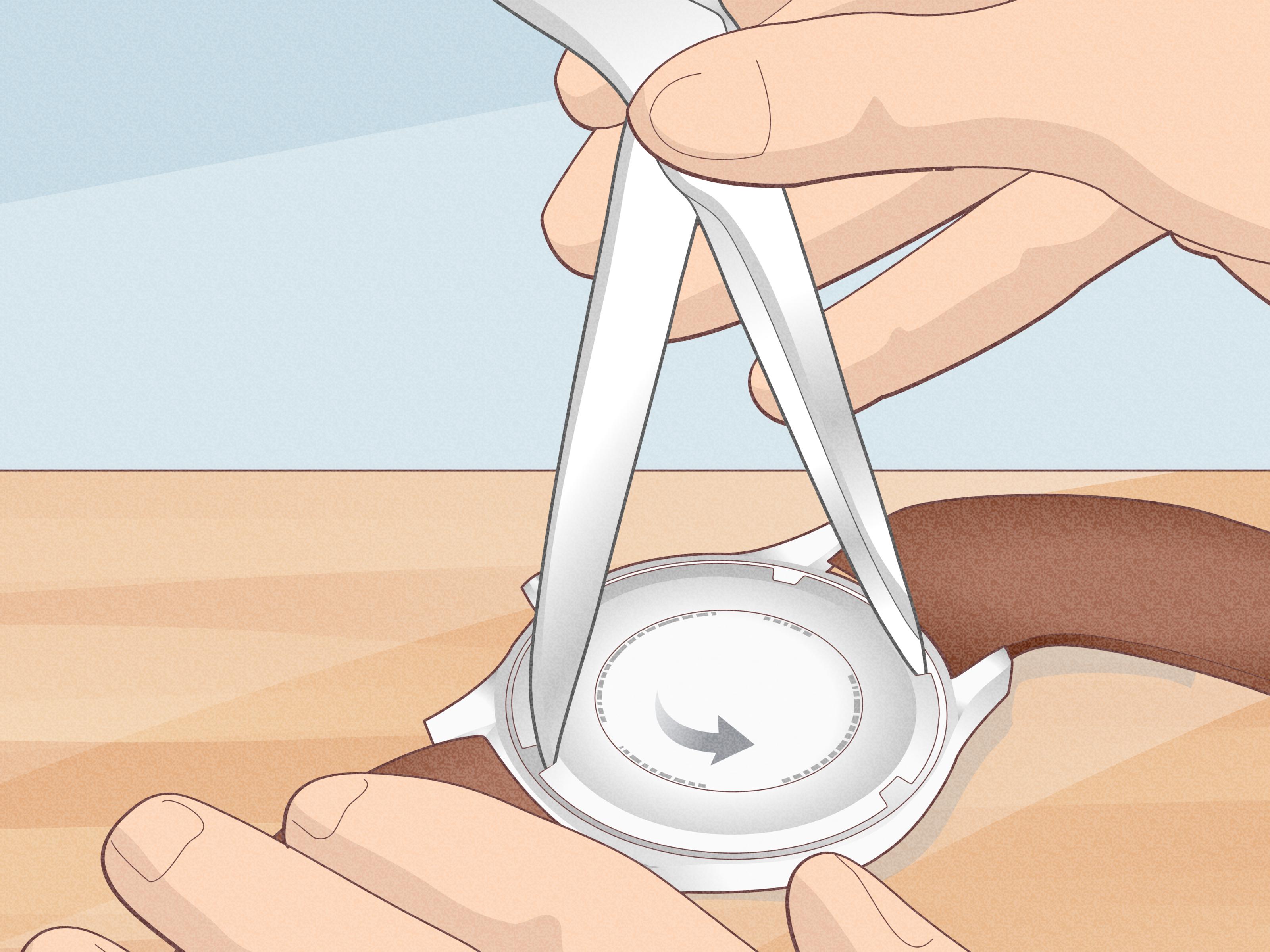
A screw back watch is a tiny mechanical fortress. It looks simple from the outside, but that round metal lid on the back is doing serious work: protecting the movement, holding the gasket in place, and helping keep dust, moisture, and pocket lint from turning your watch into a very small paperweight. The good news? With the right tools, a calm hand, and a little patience, you can learn how to open a screw back watch safely at home.
The bad news? If you attack it with scissors, a steak knife, or the “I saw this online once” method, you can scratch the case, slip into your thumb, ruin the threads, damage the gasket, or compromise the watch’s water resistance. In other words, the watch may survive, but your pride may need a warranty claim.
This guide explains the simple ways to open a screw back watch in 8 clear steps. It is written for beginners who want to replace a battery, inspect a case back, clean around the seal, or simply understand how a screw-down watch case works. We will cover tools, setup, safe turning technique, common mistakes, and what to do if the back refuses to budge.
What Is a Screw Back Watch?
A screw back watch has a threaded case back that twists into the watch case. Instead of snapping on like a pressure-fit cover or being held by several tiny screws, the entire back plate rotates into place like a jar lid. Most screw backs have small notches around the outer edge. These notches allow a case back opener or watch case wrench to grip the back and turn it counterclockwise.
Screw back cases are popular because they create a firm seal and are commonly used on sports watches, dive-style watches, field watches, and many everyday quartz watches. However, “screw back” does not automatically mean “safe to swim with forever.” Water resistance depends on the condition of the gasket, case threads, crown, crystal, and whether the watch has been properly resealed and pressure tested.
Tools You Need to Open a Screw Back Watch
Before opening a screw back watch, gather the right tools. A proper setup makes the job easier and greatly reduces the risk of scratches, slipping, or turning a quick battery change into a tragic little metal opera.
Recommended Tools
- Adjustable watch case back wrench or Jaxa-style opener
- Friction ball for lightly tightened screw backs
- Watch case holder or soft rubber watch block
- Microfiber cloth or soft pad
- Non-magnetic tweezers
- Dust blower or clean air bulb
- Small parts tray
- Silicone grease for gaskets, if appropriate
- Bright desk lamp or magnifying glass
Avoid using pliers, kitchen knives, razor blades, random coins, or scissors. They may work once in a heroic emergency, but they also love to slip. A scratched stainless steel case is forever, and it will stare at you every time you check the time.
Simple Ways to Open a Screw Back Watch: 8 Steps
Step 1: Confirm That the Watch Really Has a Screw Back
Turn the watch over and inspect the back. A screw back usually has several evenly spaced notches around the outer edge. These notches are designed for a case back opener. Some screw backs may also have coin-style slots or brand-specific patterns.
Do not confuse a screw back with a snap back. A snap back usually has a small lip or opening where a case knife can be inserted. A screw back turns. A snap back pries off. If you pry a screw back, you may damage the case. If you twist a snap back, you may invent a new hobby called “scratching metal angrily.”
Also check whether the case back has tiny screws around the perimeter. That is a different design. For those watches, you remove the screws with a watchmaker’s screwdriver instead of twisting the whole back.
Step 2: Prepare a Clean, Stable Workspace
Work on a clean table with good lighting. Lay down a microfiber cloth, rubber mat, or soft pad to protect the crystal and case. If your watch has a bracelet, open the clasp and position the watch so it sits flat. If it has a leather or fabric strap, move the strap out of the way.
A stable workspace matters because most damage happens when the tool slips. You are not trying to win a strength contest. You are trying to apply steady rotational pressure. The cleaner and more controlled the setup, the easier the case back will come off.
Keep a small tray nearby for any loose parts. If you are opening the watch for a battery change, take a photo of the inside before removing anything. That quick photo can save you from wondering where a tiny spring or insulator belongs later.
Step 3: Try a Friction Ball First
A friction ball is one of the safest simple ways to open a screw back watch if the back is not extremely tight. It is a soft, grippy rubber ball that presses against the back and uses friction to turn it. Because it does not bite into the metal notches, it is less likely to scratch the case.
Place the watch face down on your soft pad or hold it securely in your hand. Press the friction ball firmly against the case back. Turn the ball counterclockwise while keeping downward pressure on it. If the case back is lightly tightened, it may begin to loosen. Once it moves, continue turning until you can unscrew the back with your fingers.
If the ball slips repeatedly, stop. Do not keep rubbing until the back looks polished by desperation. Move to a proper adjustable case back wrench.
Step 4: Secure the Watch in a Case Holder
For tighter screw backs, use a watch case holder. The holder keeps the watch steady while you apply turning force with the wrench. Adjust the holder so the case is supported firmly but not crushed. The goal is stability, not medieval punishment.
If you do not have a case holder, use a rubber block or a folded cloth to prevent sliding. However, a real holder is strongly recommended because it helps keep the tool aligned. Misalignment is one of the fastest ways to slip out of the notches and scratch the back.
Make sure the crystal is protected. If the watch has a domed crystal, avoid pressing it hard against a flat table. Support the case edges instead.
Step 5: Adjust the Case Back Wrench to Fit the Notches
Open the adjustable wrench until its tips match two or three opposing notches on the case back. A three-point wrench usually gives better grip than a two-point tool, but either can work when properly fitted.
The tips should sit fully in the notches. If they barely touch the edges, they can slip. If they are too narrow or too wide, they can chew up the metal. Take your time here. Tool fit is not glamorous, but it is the difference between “nice battery change” and “why does my watch look like it fought a raccoon?”
Hold the wrench level. Downward pressure should be firm but controlled. Avoid leaning the tool at an angle, because angled force can damage the notches or push the wrench out of position.
Step 6: Turn Counterclockwise Slowly
With the wrench seated in the notches, turn the case back counterclockwise. Use slow, steady pressure. Do not jerk the tool. A stuck back often needs controlled torque, not drama.
Once the back breaks free, stop using the wrench and finish unscrewing it by hand. This reduces the chance of scratching the back after it has already loosened. Lift the case back straight up and place it inside your parts tray with the inside facing up.
Be careful not to touch the watch movement with your fingers. Skin oils, dust, and small fibers can interfere with delicate parts. If you are opening a quartz watch for a battery replacement, avoid bending battery contacts or disturbing tiny springs.
Step 7: Inspect the Gasket and Interior
Most screw back watches have a gasket, often a thin rubber or plastic ring. This gasket helps seal the case. It may sit in a groove in the case or on the back itself. Do not stretch it, pinch it, lose it, or casually flick it across the room like a tiny rubber frisbee.
Inspect the gasket for cracks, dryness, flattening, or dirt. If it is damaged, it should be replaced with the correct size. If it is in good condition, it may be cleaned gently and seated properly before closing. Some gaskets benefit from a very light coating of silicone grease, but too much grease can attract dirt or make a mess inside the case.
This is also the moment to check for dust, corrosion, or moisture signs. If you see fogging, rust, greenish corrosion, or white residue, stop and consider professional service. Moisture inside a watch is not a cute quirk; it is a countdown timer.
Step 8: Close the Case Back Correctly
To close the watch, make sure the gasket is seated evenly. Place the case back on the threads and turn it clockwise with your fingers first. This is important because it helps prevent cross-threading. If the back does not catch smoothly, back it off and try again.
Never force the first turns. Cross-threading can ruin the case. Once the back turns smoothly by hand, tighten it gently with the wrench. It should be snug, not brutally over-tightened. Over-tightening can flatten the gasket, damage threads, or make the next opening much harder.
If the watch is rated for water resistance and you plan to swim, shower, dive, or do anything wetter than washing your hands, have the watch pressure tested by a professional after opening it. Opening a case can affect the original seal, especially if the gasket is old, dry, or incorrectly seated.
Common Mistakes to Avoid When Opening a Screw Back Watch
Using the Wrong Tool
The most common mistake is using whatever sharp object is nearby. A case back wrench is made to fit notches. A steak knife is made to disappoint your future self. Use the right tool whenever possible.
Forcing a Stuck Case Back
If the back will not move, stop and reassess. Make sure the wrench is fitted correctly. Try a better case holder. Apply steady pressure. If the back is corroded, overtightened, or factory-sealed, a watchmaker may be the safer option.
Touching the Movement
Watch movements are small, precise, and easily contaminated. Avoid touching gears, coils, contacts, springs, and circuit boards. Use non-magnetic tweezers when necessary and keep dust away.
Ignoring the Gasket
A gasket is not decoration. It helps protect the watch from moisture and debris. If it is missing, twisted, cracked, or pinched, the case may not seal properly. Always check it before closing the watch.
Assuming Water Resistance Is Still Guaranteed
A watch marked “water resistant” was tested under specific conditions when assembled. After the case is opened, that protection may change. For dive watches, expensive watches, or watches used in water, professional resealing and pressure testing are the smart move.
When Should You Take the Watch to a Professional?
DIY watch opening is fine for many inexpensive quartz watches, especially if you are careful and using proper tools. However, some situations call for a professional watchmaker.
- The watch is expensive, sentimental, vintage, or rare.
- The case back is extremely tight or corroded.
- The notches are already damaged.
- The watch is a dive watch or high water-resistance model.
- You see moisture, rust, or battery leakage.
- You are unsure how to reseat the gasket.
- The case back uses a brand-specific opener.
A professional has better tools, replacement gaskets, pressure-testing equipment, and the experience to avoid expensive mistakes. Sometimes the cheapest repair is the one you do not attempt with a screwdriver from a sunglasses kit.
Best Practices for Replacing a Watch Battery After Opening
If your reason for opening the screw back watch is battery replacement, identify the battery number before removing it. Most watch batteries have a code printed on the top, such as SR626SW, CR2016, or 377. Replace it with the same type unless the manufacturer specifies an equivalent.
Remove the old battery carefully using plastic or non-magnetic tweezers. Avoid shorting the battery by touching both sides with metal tools. Check for a small retaining clip and do not force it. After inserting the new battery, confirm that it sits flat and the contacts are in place.
Before closing the case, check whether the watch starts running. Some quartz watches require an AC reset after battery replacement. If there is a tiny “AC” marking inside the movement, the reset procedure may involve briefly touching a contact point to the positive battery side with tweezers. If you are unsure, look up the movement instructions or ask a watch repair technician.
Extra Experience: What Opening Screw Back Watches Teaches You
The first time you open a screw back watch, you learn one important lesson immediately: small things demand big patience. From the outside, the job looks like opening a jar. Press, twist, done. But the moment the wrench slips or the rubber ball skids across the back, you realize watch work is less about muscle and more about control.
A good experience starts with preparation. Many beginners fail not because they lack skill, but because they rush the setup. They try to hold the watch in one hand, turn the wrench with the other, dodge the bracelet, protect the crystal, and maintain tool pressure all at once. That is too much. A case holder changes the entire process. Suddenly the watch is steady, the tool is level, and your hands can focus on turning instead of wrestling.
Another useful lesson is that friction balls are wonderful, but they are not magic. They are best for backs that are already reasonably loose. On a watch that was tightened firmly at the factory or by a repair shop, the ball may simply spin. That does not mean you failed. It means the case back needs a wrench. Think of the friction ball as the polite knock on the door. The case wrench is the key.
Gasket care is also something you appreciate more after doing the job yourself. That little ring looks unimpressive, but it carries a lot of responsibility. A clean, flexible, correctly seated gasket can help protect the movement. A dry, twisted, or pinched gasket can invite moisture into the case. Even if you do everything right, water resistance should not be treated as guaranteed unless the watch is professionally tested.
One practical habit is to work like you are documenting a tiny science experiment. Take a photo before removing the back. Take another photo after the back is off. If you remove a battery clip, spacer, or insulator, photograph that too. These photos are boring until you need them. Then they become priceless.
It also helps to know when to stop. If the back is stuck, if the wrench keeps slipping, or if you feel yourself getting annoyed, pause. Frustration is when scratches happen. A five-minute break can save a case back from tool marks. If the watch is valuable, vintage, or water-rated for serious use, handing it to a professional is not defeat. It is good judgment wearing a loupe.
After opening a few screw back watches, you may develop a quiet respect for simple tools. A soft pad, a case holder, a properly adjusted wrench, and clean tweezers can make the task feel almost elegant. There is satisfaction in opening the case smoothly, replacing a battery, checking the gasket, and closing everything without a mark. It is the kind of small victory that makes you look at your wrist and think, “Yes, I did that.” Then you check the time three times in ten minutes because pride apparently runs on quartz.
Final Thoughts
Learning how to open a screw back watch is useful, practical, and surprisingly satisfying. The key is to identify the case type, use the right tool, secure the watch properly, turn counterclockwise with steady pressure, protect the gasket, and close the case without forcing the threads.
For simple battery changes on inexpensive watches, a careful DIY approach can work well. For luxury watches, dive watches, vintage pieces, or anything with meaningful water resistance, professional service is the safer choice. A watch may be small, but the repair bill can grow impressively large when enthusiasm outruns technique.
Treat the watch gently, respect the gasket, and remember: the goal is not just to open the screw back. The goal is to open it, do the job, and close it so cleanly that nobody can tell you were ever there.










