
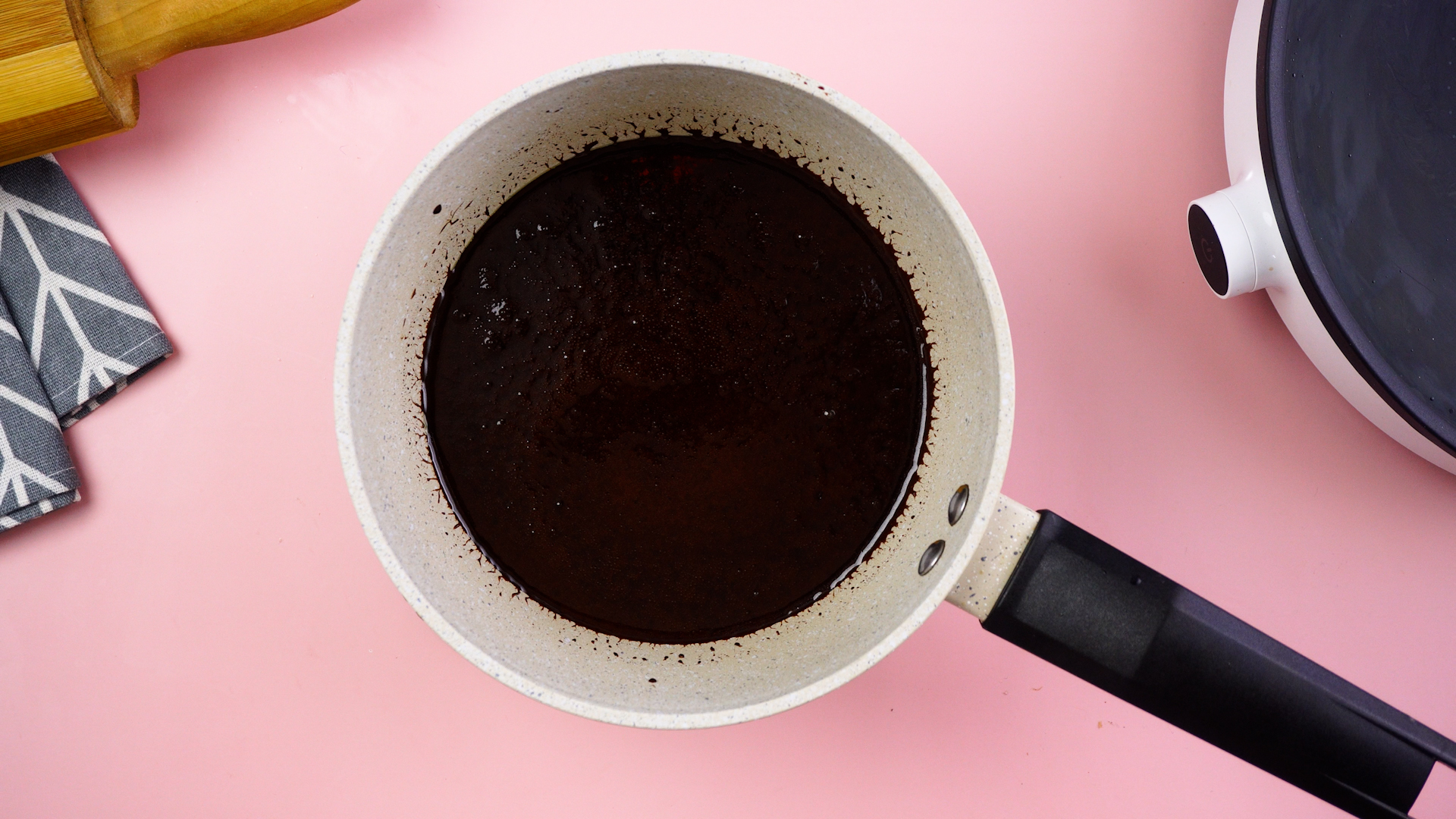
A thin glaze is one of those tiny kitchen dramas that feels much bigger than it should. You planned a glossy drizzle for roasted ham, grilled chicken, doughnuts, cookies, salmon, vegetables, or a beautiful bundt cake. Instead, the glaze slides off like it has somewhere more important to be. The good news? You do not need culinary school, a lab coat, or a motivational speech from a celebrity chef to fix it. You just need to understand what kind of glaze you are making and which thickening trick fits the job.
Whether you are working with a sweet powdered sugar glaze, a sticky teriyaki-style coating, a balsamic reduction, a fruit glaze, a savory pan glaze, or a glossy dessert drizzle, the basic goal is the same: create a mixture thick enough to cling, coat, and shine without turning into paste. In this guide, you will learn simple ways to thicken a glaze using reduction, starch slurries, powdered sugar, butter, cooling time, and ingredient adjustments. These eight steps are practical, beginner-friendly, and designed for real kitchens where the measuring spoon is sometimes hiding in the dishwasher.
Why Glaze Gets Too Thin
Before fixing a glaze, it helps to know why it went watery in the first place. A glaze can become too thin when it contains too much liquid, not enough sugar or thickener, too much heat, or ingredients that release moisture as they cook. Fruit, meat juices, vinegar, citrus, broth, and dairy can all loosen a glaze. Sometimes the glaze is not actually wrong; it simply needs a few minutes to cool because many glazes thicken as their temperature drops.
The right solution depends on the type of glaze. A powdered sugar glaze for cookies usually needs more confectioners’ sugar. A balsamic glaze usually needs more simmering time. A teriyaki glaze may need a cornstarch slurry. A buttery pan glaze may need reduction and a finishing knob of butter. Translation: do not throw every thickener in the pantry into one saucepan and hope for peace. Choose the method that matches the glaze.
Step 1: Identify the Type of Glaze You Are Making
The first step to thickening a glaze is figuring out what category it belongs to. Sweet baking glazes, such as doughnut glaze, cookie glaze, cinnamon roll glaze, and cake drizzle, are often made with powdered sugar and a small amount of liquid. These glazes thicken when you add more powdered sugar and thin when you add more milk, cream, water, citrus juice, or vanilla extract.
Savory glazes, such as teriyaki glaze, barbecue glaze, maple-mustard glaze, honey garlic glaze, or pan glaze for meat, usually thicken through simmering, sugar concentration, starch, or butter. Vinegar-based glazes, such as balsamic glaze, become thicker when water evaporates and the flavors concentrate. Fruit glazes may rely on reduction, jam, pectin, or a small amount of starch.
Once you know the glaze family, the fix becomes much easier. A watery cake glaze does not need cornstarch. A thin pan glaze probably does not need three cups of powdered sugar unless you are trying to invent chicken frosting, which is a bold but questionable life choice.
Step 2: Simmer the Glaze to Reduce Extra Liquid
Reduction is one of the simplest ways to thicken a glaze. To reduce a glaze, pour it into a saucepan and simmer it uncovered over low to medium-low heat. As steam escapes, the water content decreases and the glaze becomes thicker, more flavorful, and more concentrated. This method works especially well for balsamic glaze, fruit glaze, maple glaze, honey glaze, soy-based glaze, wine glaze, and pan sauces.
Use a wide pan if you want the glaze to reduce faster. More surface area means more evaporation. Stir occasionally so the sugars do not scorch on the bottom. Keep the heat moderate; boiling aggressively may reduce the glaze too quickly, burn the sugars, or make the flavor harsh. A gentle simmer is usually the sweet spot.
A good test is the spoon-coating method. Dip a spoon into the glaze and lift it out. If the glaze lightly coats the back of the spoon instead of running off immediately, it is getting close. Remember that many glazes continue to thicken as they cool, so remove the pan from the heat just before the glaze reaches your dream consistency.
Step 3: Add a Cornstarch Slurry for Quick Thickening
A cornstarch slurry is a fast, reliable fix for many savory and sweet glazes. It is especially useful for teriyaki glaze, sweet-and-sour glaze, fruit sauce, barbecue-style glaze, pineapple glaze, and glossy meat coatings. The key is to mix cornstarch with cold liquid before adding it to the hot glaze. If you add dry cornstarch directly to hot liquid, it can clump faster than guests gather near the snack table.
Start with 1 teaspoon of cornstarch mixed with 1 teaspoon of cold water for a small batch of glaze. For about 1 cup of liquid, you can use up to 1 tablespoon cornstarch mixed with 1 tablespoon cold water, depending on how thick you want the result. Whisk the slurry until smooth, then slowly pour it into the simmering glaze while stirring constantly.
Let the glaze bubble gently for a minute or two. Cornstarch needs heat to activate, so patience matters. The glaze should become glossy and thicker. If it is still too thin, add a little more slurry, but do it gradually. Too much cornstarch can make a glaze rubbery, cloudy, or oddly pudding-like. Delicious? Maybe. Elegant? Not exactly.
Step 4: Use Powdered Sugar for Dessert Glazes
For a thin cookie glaze, doughnut glaze, cake drizzle, or pastry icing, powdered sugar is usually the best thickener. Powdered sugar dissolves smoothly and adds body without needing heat. Add it slowly, about 1 tablespoon at a time, whisking after each addition. If the glaze is extremely thin, sift in 1/4 cup at a time until it becomes thick but still spreadable.
The ideal dessert glaze should move slowly but not sit like cement. For cookies, it should settle gently after spreading. For doughnuts, it should cling to the surface and drip slightly at the edges. For bundt cakes, it should pour in ribbons and hold visible lines for a moment before relaxing. That is the glaze version of good manners.
If you accidentally make it too thick, add milk, cream, water, lemon juice, or another liquid in tiny amounts, such as 1/2 teaspoon at a time. It is much easier to thin a thick glaze than to rescue a watery one, so start with less liquid than you think you need.
Step 5: Add Sugar, Honey, Maple Syrup, or Jam for Body
Sweeteners can help thicken a glaze while adding flavor. Granulated sugar, brown sugar, honey, maple syrup, molasses, and jam all contribute body. This works well for fruit glazes, ham glaze, pork glaze, chicken glaze, roasted vegetable glaze, and dessert sauces. Sugar thickens as it dissolves and concentrates, creating that sticky, shiny texture people associate with a great glaze.
For a fruit glaze, a spoonful of jam or jelly can work beautifully because it already has sweetness, fruit flavor, and natural thickening power. Apricot jam is a classic choice for fruit tarts and pastries because it melts into a glossy, golden coating. For berry glazes, raspberry or strawberry jam can deepen both color and flavor.
Use sweeteners carefully in savory glazes. A little honey can make grilled chicken shine; too much can turn dinner into candy with protein. Add a small amount, simmer, taste, and adjust. If the glaze becomes too sweet, balance it with acid such as vinegar, lemon juice, or a small splash of mustard, depending on the recipe.
Step 6: Finish with Butter for a Glossy Pan Glaze
Butter is not always a thickener in the same way cornstarch is, but it can help a glaze feel richer, silkier, and more luxurious. This method works best for pan glazes made from drippings, broth, wine, vinegar, citrus, or aromatics. After reducing the liquid, remove the pan from direct high heat and whisk in a small piece of cold butter.
The butter adds body and shine while rounding out sharp flavors. It also helps the glaze cling to meat, vegetables, or seafood. For a small pan glaze, start with 1 teaspoon to 1 tablespoon of butter. Whisk until the glaze looks smooth and glossy. Avoid boiling the glaze hard after adding butter, because the emulsion can break and turn greasy.
This trick is perfect for pork chops with apple cider glaze, chicken with lemon pan glaze, steak with red wine glaze, or carrots with honey-butter glaze. It is the culinary equivalent of putting on a nice jacket before leaving the house: not always required, but it makes everything look more polished.
Step 7: Let the Glaze Cool Before Judging It
One of the most common mistakes is deciding a glaze is too thin while it is still very hot. Many glazes thicken as they cool, especially those made with sugar, vinegar, chocolate, fruit, or syrup. A balsamic glaze that looks slightly loose in the pan may become perfectly syrupy after five to ten minutes. A powdered sugar glaze may also firm up once it sits on cooled baked goods.
Before adding more thickener, spoon a small amount onto a plate and let it cool for a minute. Drag your finger or spoon through it. If it leaves a clean line or slowly flows back together, the glaze may already be thick enough. This tiny test can prevent over-thickening.
Cooling time matters for baked goods too. If you pour glaze onto warm cookies, cake, or pastry, the heat can melt the glaze and make it run. Let baked goods cool completely before glazing unless the recipe specifically calls for a warm glaze. Your patience will be rewarded with cleaner drips, better coverage, and fewer sad puddles.
Step 8: Adjust the Balance and Texture Gradually
The final step is to adjust slowly. A glaze is about balance: thickness, sweetness, acidity, salt, shine, and flow. Add thickening ingredients in small amounts and test often. If using reduction, simmer for a few more minutes rather than cranking the heat. If using cornstarch, add a small slurry instead of dumping in a full tablespoon. If using powdered sugar, whisk in small portions until the glaze holds its shape.
Pay attention to flavor as the texture changes. Reducing a glaze concentrates everything, including salt, vinegar, spice, and sweetness. A soy-based glaze can become too salty if reduced too far. A vinegar glaze can become too sharp if it lacks enough sweetness. A dessert glaze can become overly sweet if you add powdered sugar without balancing it with a pinch of salt, citrus, or vanilla.
The best glaze should match the food. For cookies, it should be thick enough to set. For doughnuts, it should cling but remain tender. For ham or chicken, it should brush on smoothly and become sticky in the oven or pan. For vegetables, it should coat without drowning them. For desserts, it should look inviting rather than like it made a dramatic escape attempt.
Best Thickening Methods by Glaze Type
Powdered Sugar Glaze
Use more powdered sugar to thicken and tiny splashes of milk, cream, lemon juice, or water to thin. This method is best for cookies, cakes, doughnuts, scones, cinnamon rolls, and quick breads.
Balsamic Glaze
Simmer balsamic vinegar gently until reduced and syrupy. Remove it from the heat before it looks fully thick because it will continue to firm up as it cools. Add a little sugar or honey if you want a sweeter, thicker glaze.
Teriyaki or Soy-Based Glaze
Reduce the sauce first, then use a cornstarch slurry if needed. Because soy sauce is salty, avoid reducing too aggressively unless the recipe includes enough sweetener or liquid to balance it.
Fruit Glaze
Use jam, jelly, reduction, or a small amount of cornstarch slurry. Strain if you want a smooth finish. Let it cool slightly before brushing over fruit tarts, cakes, or pastries.
Meat Glaze
Use reduction, sugar, honey, maple syrup, mustard, vinegar, or a starch slurry depending on the recipe. Brush on in layers so the glaze builds up instead of sliding off.
Common Mistakes to Avoid
Do not add dry starch directly to hot glaze. It can form lumps that are nearly impossible to whisk out. Always make a slurry first. Do not over-reduce sugary glazes, either. They can go from glossy to burnt very quickly, and burnt sugar is not subtle. It announces itself loudly.
Another mistake is glazing hot baked goods too soon. A perfect icing can become thin and transparent when it hits a warm cake. Let the cake cool unless the recipe says otherwise. Also, avoid adding too much liquid to powdered sugar glaze at the beginning. Start thick, then thin gradually.
Finally, do not forget that flavor changes as texture changes. Thickening is not only about mouthfeel; it affects intensity. Always taste after adjusting. A glaze that looks perfect but tastes too salty, too sweet, or too acidic still needs a little kitchen diplomacy.
Practical Kitchen Experience: What Actually Works Best
After making many glazes for weeknight dinners, holiday meats, cookies, doughnuts, roasted vegetables, and quick desserts, one lesson stands above the rest: the best fix is usually the simplest one. If a glaze is too thin because it is watery, reduction almost always improves it. If it is too thin because the ratio is wrong, add the ingredient that gives that particular glaze structure. For powdered sugar glaze, that means more powdered sugar. For teriyaki glaze, that often means a cornstarch slurry. For balsamic glaze, that means simmering and cooling.
In real kitchens, timing matters as much as ingredients. A glaze that looks thin in the pan may be perfect on the plate. This happens often with balsamic reductions and maple glazes. They look loose while hot, then suddenly become thick enough to drizzle once they cool. The plate test is one of the most useful habits: spoon a little glaze onto a cool plate, wait briefly, and check the texture. It saves you from turning a beautiful sauce into sticky glue.
For baked goods, experience says to start with a thicker glaze than you think you need. A runny glaze can disappear into a warm muffin or slide off a doughnut, leaving only a sweet memory and a messy counter. A slightly thick glaze gives you control. You can always loosen it with a few drops of milk or lemon juice. Adding more powdered sugar later works too, but it may make the glaze sweeter than planned.
For meat glazes, layers are better than one heavy coating. Brush on a thin layer, let it cook or set briefly, then add another. This is especially useful for ham, chicken wings, pork chops, salmon, and grilled foods. A thick layer added too early can burn because sugar caramelizes quickly. Building the glaze gradually gives better shine, better flavor, and fewer blackened edges.
Another practical tip is to match the thickener to the final look you want. Cornstarch gives a glossy, smooth finish, which is great for Asian-style glazes and fruit sauces. Flour is less ideal for clear glazes because it can look cloudy. Powdered sugar is perfect for dessert drizzles but not for savory sauces. Butter gives pan glazes a restaurant-style finish, but it should be whisked in at the end rather than boiled hard.
Flavor balance is the final real-world secret. A glaze should not only be thick; it should taste complete. If it is too sweet, add acidity. If it is too sharp, add sweetness. If it tastes flat, add a pinch of salt. If it is too intense, loosen it with a splash of water, broth, juice, or cream, depending on the recipe. Texture gets the glaze onto the food, but balance makes people ask for seconds.
Conclusion
Learning how to thicken a glaze is less about memorizing one magic trick and more about choosing the right fix for the right glaze. Simmer watery glazes to reduce them. Add a cornstarch slurry for quick gloss and body. Use powdered sugar for dessert glazes. Add honey, maple syrup, sugar, or jam when sweetness fits the recipe. Finish pan glazes with butter for shine, and always give hot glazes a moment to cool before judging their thickness.
With these eight steps, you can rescue a runny glaze before it ruins your cookies, chicken, ham, vegetables, or cake. The next time your glaze refuses to cooperate, do not panic. Stir, test, adjust, and remember: even the fanciest-looking drizzle is usually just a few smart tweaks away from greatness.













