
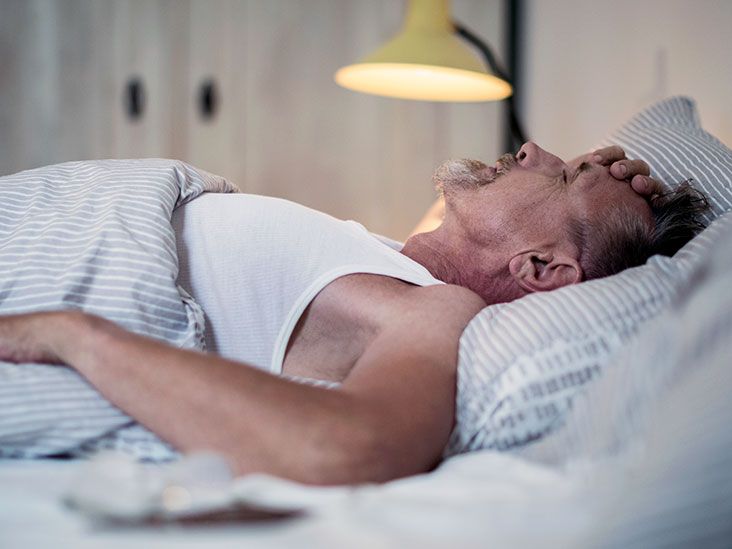
Snoring may be famous for disturbing the person on the other side of the bed, but its effects can sometimes reach beyond lost sleep and a strategically placed pillow over the ears. Obstructive sleep apnea, a condition that repeatedly interruced sexual desire, fatigue, and relationship strain.
The connection is not simply “bad sleep equals bad sex.” Erections depend on healthy blood vessels, responsive nerves, balanced hormones, sufficient energy, and the ability to relax. Sleep apnea can interfere with several of those systems at once. Repeated drops in oxygen may stress blood vessels, nighttime awakenings can disturb hormone production, and chronic exhaustion can make intimacy feel like another task on an already crowded schedule.
Fortunately, both sleep apnea and erectile dysfunction are treatable. Identifying the connection may improve sexual health while also uncovering cardiovascular, metabolic, or hormonal problems that deserve attention.
The Quick Answer: Can Sleep Apnea Cause Erectile Dysfunction?
Sleep apnea may contribute to erectile dysfunction, particularly when obstructive sleep apnea is moderate, severe, or untreated. Research has repeatedly found that ED is more common among men with obstructive sleep apnea than among men without it.
That does not mean sleep apnea is always the only cause. Erectile dysfunction can result from diabetes, cardiovascular disease, obesity, low testosterone, medication side effects, smoking, depression, anxiety, relationship difficulties, prostate treatment, or several factors acting together.
Think of sleep apnea as one possible member of an unwanted committee. It may not be running the entire meeting, but it can still have a surprisingly loud vote.
Understanding the Two Conditions
What is obstructive sleep apnea?
Obstructive sleep apnea, commonly shortened to OSA, occurs when the muscles and tissues in the upper airway relax enough to partially or completely block airflow during sleep. Breathing may stop or become shallow repeatedly, sometimes dozens of times per hour.
Each breathing interruption can lower blood oxygen and trigger the brain to briefly wake the body so the airway reopens. These awakenings are often so short that the person does not remember them. However, the repeated cycle can prevent restorative sleep and place stress on the cardiovascular and nervous systems.
Common signs of obstructive sleep apnea include:
- Loud, persistent snoring
- Gasping, choking, or snorting during sleep
- Breathing pauses noticed by a partner
- Morning headaches or dry mouth
- Daytime sleepiness and poor concentration
- Irritability, anxiety, or depressed mood
- Frequent nighttime urination
- Reduced libido or erectile difficulties
Most research concerning sleep apnea and erectile dysfunction focuses on OSA. Central sleep apnea, in which the brain temporarily fails to send appropriate breathing signals, is a different disorder and requires its own medical evaluation.
What is erectile dysfunction?
Erectile dysfunction is the persistent difficulty getting or maintaining an erection firm enough for satisfying sexual activity. An occasional erection problem after stress, poor sleep, heavy drinking, or a heroic late-night meal is common. ED becomes a medical concern when the problem happens repeatedly or creates personal or relationship distress.
An erection requires coordinated activity among the brain, nerves, hormones, blood vessels, and smooth muscle tissue. Sexual stimulation causes the release of nitric oxide, which helps penile arteries relax and allows more blood to enter. Anything that disrupts blood flow, nerve signals, hormone levels, or arousal may interfere with this process.
How Sleep Apnea May Affect Erections
1. Repeated oxygen drops may damage vascular function
Erections are fundamentally blood-flow events. During arousal, penile blood vessels need to widen efficiently and remain responsive long enough to produce and maintain firmness.
Sleep apnea repeatedly lowers oxygen levels during the night, a pattern known as intermittent hypoxia. Over time, intermittent hypoxia may promote inflammation, oxidative stress, and dysfunction in the lining of blood vessels. This lining, called the endothelium, helps regulate circulation and nitric oxide activity.
When endothelial function declines, arteries may not widen as effectively. The effect is not limited to the penis; it can be part of a wider cardiovascular problem involving blood pressure, heart health, and circulation throughout the body.
2. The nervous system stays on high alert
Each apnea event can activate the sympathetic nervous system, which controls the body’s “fight or flight” response. Heart rate and blood pressure may surge as the brain reacts to reduced oxygen and reopens the airway.
Healthy sexual function generally works best when the parasympathetic, or “rest and digest,” system is active. A body that spends the night repeatedly sounding an internal alarm may have greater difficulty shifting into the relaxed physiological state needed for an erection.
3. Fragmented sleep can interfere with hormones
Normal testosterone production is linked to healthy sleep architecture. Levels generally rise during sleep and are influenced by the amount and quality of restorative sleep a person receives.
Obstructive sleep apnea can fragment sleep and reduce time spent in important sleep stages. Some men with untreated OSA also have low testosterone, especially when obesity, diabetes, or other metabolic conditions are present.
Low testosterone more commonly affects sexual desire, energy, mood, and spontaneous erections than it directly explains every case of ED. A man can have sleep-apnea-related erectile dysfunction with a normal testosterone level, so hormones are one piece of the puzzle rather than the entire puzzle box.
4. Sleep apnea may reduce nighttime erections
Men normally experience several involuntary erections during sleep, particularly during rapid eye movement, or REM, sleep. These nocturnal erections help maintain healthy penile tissue and can provide doctors with clues about whether ED is more likely to have a physical or psychological component.
Sleep apnea can repeatedly interrupt REM sleep. Fewer or shorter REM periods may reduce normal nighttime erections, although the presence or absence of morning erections alone cannot diagnose either OSA or the cause of ED.
5. Fatigue can weaken desire and performance
Sexual activity requires interest, energy, attention, and at least a modest willingness to remain awake. Severe daytime sleepiness can reduce libido and make intimacy less frequent.
Fatigue may also create performance concerns. After one or two unsuccessful sexual experiences, a person may begin anticipating another problem. Anxiety then adds a psychological barrier to an existing physical one, creating a frustrating feedback loop.
6. Mood and relationship changes can contribute
Untreated sleep apnea is associated with irritability, reduced concentration, anxiety, and depressive symptoms. These changes may affect sexual desire and communication between partners.
Snoring can also lead couples to sleep in separate rooms. Separate sleeping is not automatically harmful, and sometimes it is the only way anyone gets rest. However, reduced nighttime closeness may unintentionally decrease opportunities for affection and intimacy.
7. The two conditions share risk factors
Sleep apnea and erectile dysfunction frequently occur alongside the same underlying health conditions, including:
- Obesity, particularly excess weight around the neck and abdomen
- High blood pressure
- Type 2 diabetes
- High cholesterol
- Cardiovascular disease
- Smoking
- Low physical activity
- Heavy alcohol use
- Depression and chronic stress
- Increasing age
This overlap makes it difficult to say that sleep apnea directly causes every erection problem. In many cases, OSA worsens vascular or metabolic problems that were already affecting erectile function.
How Common Is Erectile Dysfunction in Men With Sleep Apnea?
Studies conducted in sleep clinics have often found erectile dysfunction in roughly half or more of men diagnosed with OSA. Some research involving severe sleep apnea has reported even higher rates.
These figures should be interpreted carefully. Sleep-clinic patients may be older, have a higher body mass index, or have more medical conditions than the general population. Studies also use different definitions of ED and different questionnaires, making exact percentages difficult to compare.
Still, the overall pattern is consistent: erectile difficulties are common among men with obstructive sleep apnea, and the likelihood may rise with worsening apnea severity, lower nighttime oxygen levels, older age, obesity, and cardiovascular risk.
Signs That Your ED May Be Connected to Sleep Apnea
Consider discussing a sleep evaluation with a healthcare professional when erectile dysfunction occurs with one or more of the following:
- Your partner reports loud snoring or breathing pauses.
- You wake up choking, gasping, or short of breath.
- You regularly wake with headaches or a dry mouth.
- You sleep for seven or eight hours but still feel exhausted.
- You struggle to stay awake while driving, reading, or working.
- You have obesity, resistant high blood pressure, or type 2 diabetes.
- Your libido, mood, and concentration have also declined.
- ED appeared around the same time as worsening snoring or weight gain.
Do not wait for every symptom to appear. Some people with clinically important sleep apnea do not consider themselves sleepy, and not everyone with OSA snores dramatically enough to audition for a chainsaw commercial.
How Doctors Diagnose Sleep Apnea and ED
Sleep apnea evaluation
A clinician may ask about snoring, witnessed breathing pauses, daytime sleepiness, sleep schedule, alcohol use, medications, and medical history. The airway, neck circumference, blood pressure, weight, and other physical findings may also be assessed.
Diagnosis usually requires a sleep study. Depending on the individual, testing may be performed overnight in a sleep center or with an approved home sleep apnea test. The study records breathing patterns, oxygen levels, heart rate, airflow, and other measurements.
The apnea-hypopnea index, or AHI, estimates how many breathing disruptions occur per hour. Doctors interpret this number along with oxygen levels, symptoms, medical conditions, and the type of breathing events detected.
Erectile dysfunction evaluation
An ED assessment may include questions about when the problem began, whether it occurs consistently, the firmness and duration of erections, sexual desire, morning erections, relationship concerns, and medications.
A clinician may check blood pressure, circulation, genital anatomy, and signs of hormonal or neurological conditions. Blood tests may be used to assess glucose, cholesterol, morning testosterone, thyroid function, or other factors based on the person’s symptoms.
Because ED can be an early sign of blood-vessel disease, the evaluation should involve more than receiving a prescription and sprinting out of the office. Cardiovascular risk deserves attention, especially when ED is new, persistent, or occurring at a younger age.
Does CPAP Improve Erectile Dysfunction?
Continuous positive airway pressure, or CPAP, delivers pressurized air through a mask to prevent the upper airway from collapsing during sleep. It is one of the most effective treatments for moderate to severe obstructive sleep apnea.
Research suggests that consistent CPAP use may improve erectile function in some men, particularly those with severe OSA, significant nighttime oxygen drops, and strong treatment adherence. Improvements may result from better oxygenation, more stable sleep, reduced sympathetic activation, improved endothelial function, and increased daytime energy.
However, CPAP does not work like an overnight switch for ED. Some studies have found modest benefits, while others have reported mixed results. Improvement may take weeks or months, and erections may remain affected by diabetes, cardiovascular disease, medication side effects, low testosterone, anxiety, or other conditions.
The practical conclusion is that CPAP should be used to treat diagnosed sleep apnea, not marketed as a guaranteed stand-alone cure for erectile dysfunction. When both conditions are present, treating them together usually makes more sense than asking one therapy to do two full-time jobs.
Treating Both Conditions
Follow the prescribed sleep apnea treatment
Depending on the severity and cause of OSA, treatment may include:
- CPAP or another positive airway pressure device
- A custom oral appliance that moves the lower jaw forward
- Weight management when appropriate
- Side sleeping or positional therapy
- Avoiding alcohol and sedating drugs near bedtime
- Treating chronic nasal congestion
- Upper-airway surgery in selected cases
- Hypoglossal nerve stimulation for eligible patients
People struggling with CPAP should not quietly abandon the machine in a closet where it becomes an expensive hat rack. Mask leaks, dryness, pressure discomfort, and claustrophobia can often be improved through mask refitting, humidification, gradual acclimation, or adjustments made by a sleep specialist.
Address cardiovascular and metabolic risks
Regular physical activity, improved nutrition, smoking cessation, better blood pressure control, and diabetes management can support both breathing during sleep and erectile function. Weight loss may reduce OSA severity in people with overweight or obesity, while also improving circulation, insulin sensitivity, inflammation, and testosterone levels.
Weight loss does not eliminate OSA in every patient, so repeat testing or medical guidance may be needed before changing prescribed treatment.
Use ED-specific treatment when appropriate
Doctors may recommend medications such as sildenafil, tadalafil, vardenafil, or avanafil. These phosphodiesterase type 5 inhibitors improve blood flow in response to sexual stimulation, but they do not automatically create desire or treat the airway obstruction causing sleep apnea.
ED medications must not be combined with nitrate medications such as nitroglycerin because the combination can cause a dangerous drop in blood pressure. People with heart disease, very low blood pressure, certain eye conditions, or complex medication regimens should obtain individualized medical advice.
Other ED treatments include vacuum erection devices, injectable medications, urethral medication, counseling, sex therapy, and penile implants when less invasive options are unsuccessful.
Do not assume testosterone is the answer
Testosterone treatment is appropriate only when symptoms and properly timed blood tests support a diagnosis of testosterone deficiency. It is not a universal treatment for erectile dysfunction.
Testosterone therapy may worsen untreated sleep apnea in some patients and can raise red blood cell levels. Anyone with suspected OSA should discuss sleep symptoms before beginning testosterone. Treating sleep apnea may itself improve low testosterone or reduced libido in certain men.
Experiences: What This Connection Can Look Like in Real Life
The following scenarios are educational composites based on patterns commonly reported by patients. They are not quotations from specific individuals and should not be interpreted as guaranteed treatment outcomes.
Experience 1: The problem that looked like stress
A 44-year-old office manager begins having difficulty maintaining erections. He assumes work stress is responsible because his schedule has become demanding. He also notices that he is more irritable, needs several cups of coffee to function, and occasionally dozes off while watching television.
His partner mentions that his snoring has become louder and that he sometimes stops breathing before making a choking sound. He laughs it off at first. After all, plenty of people snore, and he believes he sleeps deeply because he cannot remember waking during the night.
When the erection problems continue, he visits his primary care clinician. His blood pressure is elevated, and a home sleep study identifies moderate obstructive sleep apnea. He begins CPAP treatment, improves his exercise routine, and reduces evening alcohol.
After several months, his energy and mood improve. His erectile function becomes more reliable but does not return completely to normal, so his clinician also prescribes an ED medication after reviewing his cardiovascular health. The important lesson is not that CPAP magically fixed everything. It is that ED led to the discovery of a broader health problem, and combined treatment produced a better result than addressing either condition alone.
Experience 2: The CPAP machine that nearly lost the argument
A 58-year-old man with obesity, type 2 diabetes, and severe OSA receives a CPAP machine. He uses it for three nights, finds the mask uncomfortable, and decides that sleeping with what he calls “a small leaf blower attached to my face” is impossible.
His daytime exhaustion continues, and so does his ED. A sleep specialist reviews his equipment and discovers that the mask is the wrong size and the pressure settings need adjustment. With a different mask, heated humidification, and gradual daytime practice, he becomes able to wear CPAP through most of the night.
Over the next few months, his alertness improves and his morning erections occasionally return. His sexual function still varies because diabetes has affected his circulation and nerves. He continues CPAP, improves glucose control, and works with a urologist to find an effective ED treatment.
His experience illustrates why CPAP adherence matters and why improvement may be partial. Sleep apnea was an important contributor, but it was not the only medical factor involved.
Experience 3: When embarrassment delayed both diagnoses
A 36-year-old man develops erection difficulties but avoids seeing a doctor because he believes ED only happens to much older men. He becomes anxious before sex, begins avoiding intimacy, and tells his partner he is simply tired.
He is, in fact, extremely tired. He wakes with headaches, struggles to concentrate, and has recently gained weight. His partner has also noticed breathing pauses, but conversations about snoring usually turn into jokes rather than action.
Eventually, the couple discusses the problem without blame. He seeks medical care and learns that younger men can have both ED and sleep apnea, especially when other risk factors are present. Testing confirms OSA, while blood work also reveals previously unrecognized high blood sugar.
Treatment includes positive airway pressure, nutrition changes, increased activity, diabetes management, and temporary ED medication. Counseling helps reduce the performance anxiety that developed after months of unsuccessful sexual experiences.
The relationship improves partly because erections improve, but also because the couple stops treating the subject as a private failure. They begin viewing it as a shared health problem with several manageable components.
When to Talk to a Healthcare Professional
Schedule an evaluation when erectile dysfunction persists for several weeks, happens frequently, or causes distress. Mention any snoring, witnessed breathing pauses, morning headaches, daytime sleepiness, weight changes, or reduced libido, even if the appointment was originally made for ED.
Seek prompt medical care if you experience chest pain, severe shortness of breath, fainting, or neurological symptoms. An erection lasting four hours or longer requires emergency treatment. Severe sleepiness while driving is also dangerous; stop driving and arrange medical evaluation rather than attempting to defeat biology with an oversized coffee.
Conclusion
Obstructive sleep apnea and erectile dysfunction are connected through several overlapping pathways. Repeated oxygen drops can impair vascular function, fragmented sleep may disrupt hormones and nighttime erections, and chronic fatigue can reduce desire and increase performance anxiety. Obesity, diabetes, high blood pressure, smoking, and cardiovascular disease can further strengthen the link.
Treating sleep apnea may improve erectile function, particularly when CPAP is used consistently, but results vary. Many men benefit from a combined plan that addresses sleep-disordered breathing, cardiovascular risks, psychological factors, and ED directly.
An erection problem may feel intensely personal, but it can also be useful health information. Discussing it openly may lead not only to better intimacy, but also to earlier detection of sleep apnea and cardiovascular disease. That is a conversation worth staying awake for.
Medical note: This article provides general educational information and is not a substitute for diagnosis or treatment by a qualified healthcare professional. Treatment decisions should be based on individual symptoms, medical history, examination, and appropriate testing.













