
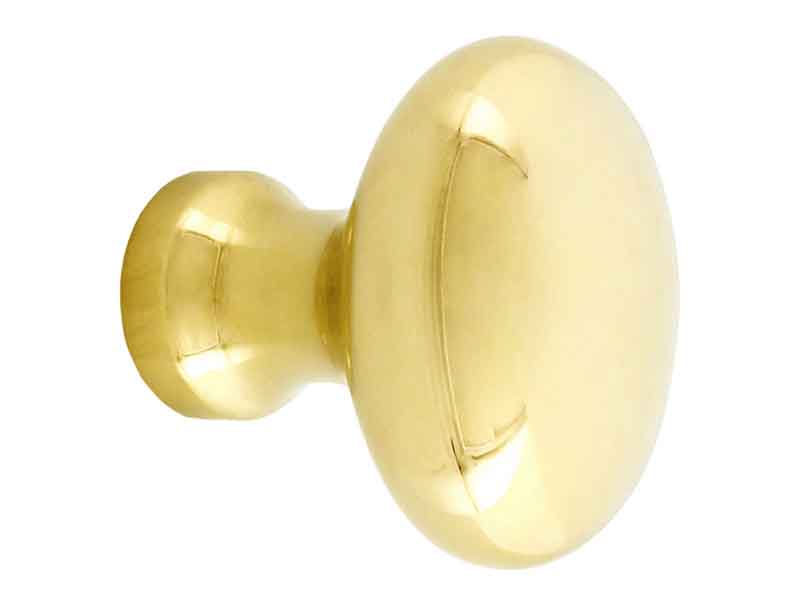
A solid brass oval cabinet knob may be small enough to hide in your palm, but do not let its size fool you. In a kitchen, bathroom, laundry room, built-in bookcase, or vintage dresser makeover, this tiny piece of hardware can do the design equivalent of putting on a tailored blazer. Suddenly, everything looks more intentional.
Cabinet hardware is one of those details homeowners often choose at the end of a remodel, usually when the budget is tired, the coffee is cold, and everyone has already argued about grout color. But the right knob matters. It affects how a cabinet feels when you open it, how the finish ages, how the room catches light, and whether your cabinetry looks thoughtfully finished or simply “close enough.”
The oval shape, especially in solid brass, has a rare advantage: it feels classic without looking boring. It works in traditional homes, modern kitchens, farmhouse bathrooms, cottage-style laundry rooms, and even sleek urban apartments where every item must earn its square inch. A round knob can feel simple. A bar pull can feel modern. An oval brass knob sits somewhere in the delicious middle: graceful, useful, warm, and just fancy enough to make your drawers feel like they have manners.
What Is a Solid Brass Oval Cabinet Knob?
A solid brass oval cabinet knob is a cabinet or drawer knob made from brass rather than a thin brass-colored coating over another metal. Its face is shaped like an oval, ellipse, egg, or softly rounded capsule, depending on the design. Some versions are plain and smooth. Others have stepped edges, beveled rims, hammered textures, rope borders, backplates, or a concave face that gives your fingers a comfortable place to land.
The word “solid” is important. Solid brass hardware generally means the knob is made from brass through the body, not merely plated to look like brass. That usually gives it better weight, durability, and aging character. Pick one up and you can often feel the difference. A hollow or lightweight knob may do the job, but solid brass has that satisfying “tiny treasure chest” feeling. It is the hardware equivalent of a firm handshake.
Why Choose Solid Brass for Cabinet Hardware?
Durability That Does Not Feel Disposable
Kitchen and bath hardware gets touched constantly. Think about how many times a day someone opens the silverware drawer, grabs a towel, reaches for coffee mugs, or performs the classic “stand in front of the pantry and hope snacks appear” ritual. Solid brass is valued because it is strong, long-lasting, and resistant to everyday wear when properly finished and maintained.
Unlike cheaper hardware that may chip, flake, or reveal a different metal underneath, solid brass can age more gracefully. Even when the surface changes over time, the core material remains brass. That makes it especially appealing for high-touch spaces where hardware must do more than look good in the first week after installation.
Warmth That Works With Many Cabinet Colors
Brass has a warmth that stainless steel and chrome rarely offer. On white cabinets, it adds contrast without shouting. On navy or forest green cabinets, it looks rich and tailored. On walnut, oak, or painted beige cabinetry, it brings out cozy undertones. On black cabinets, brass creates a crisp, dramatic look that says, “Yes, this kitchen owns a pepper grinder and probably knows how to use it.”
The oval shape softens that warmth even more. Straight-edged pulls can feel architectural and bold, while oval knobs feel welcoming. If your room already has a lot of hard linestile, shaker cabinet rails, stone countertops, appliance panelsoval brass knobs can introduce a subtle curve that keeps the space from feeling too stiff.
Oval Cabinet Knob vs. Round Knob vs. Pull
Choosing between knobs and pulls is not only a style decision. It is also about function, scale, and the personality of the room.
Oval Knobs
Oval knobs are easy to grip, visually soft, and slightly more distinctive than standard round knobs. They can be mounted vertically or horizontally depending on the design and the cabinet style. On narrow cabinet doors, a vertical oval can look elegant. On small drawers, a horizontal oval can feel balanced and comfortable.
Round Knobs
Round knobs are simple and familiar. They work almost everywhere, but they can sometimes look too plain on detailed cabinetry. If you want a small upgrade without moving into decorative hardware territory, an oval knob is a natural step up.
Cabinet Pulls
Pulls offer more gripping surface, making them helpful for wide drawers, heavy pantry doors, and modern kitchen designs. However, they require two screw holes and more careful measuring. A solid brass oval cabinet knob uses one screw, which makes installation easier and replacement less stressful. Translation: fewer opportunities to drill a hole in the wrong spot and stare at it in silence.
Best Places to Use Solid Brass Oval Cabinet Knobs
Kitchen Cabinets
The kitchen is the most obvious place to use brass oval knobs. They work beautifully on upper cabinets, glass-front cabinets, spice drawers, appliance garages, and small doors around the island. For lower drawers, many designers like combining knobs on cabinet doors with pulls on wider drawers. This creates a practical mix while keeping the brass finish consistent.
Bathroom Vanities
Bathrooms are excellent candidates for solid brass hardware because a small knob can elevate an ordinary vanity. A warm brass oval knob against white, cream, gray, sage, or deep blue cabinetry creates a polished look without making the room feel overdecorated.
Built-Ins and Bookcases
Built-ins often need subtle hardware that does not compete with books, art, baskets, and decorative objects. Oval brass knobs add just enough shine to make cabinet doors feel finished, especially in living rooms, home offices, mudrooms, and dining rooms.
Dressers, Nightstands, and Vintage Furniture
One of the easiest furniture upgrades is replacing tired hardware with solid brass knobs. A vintage dresser with scratched wooden knobs can look completely refreshed with oval brass hardware. The shape feels historically friendly, so it does not clash with antique or traditional furniture. It also works on modern pieces that need warmth.
Popular Finishes for Solid Brass Oval Cabinet Knobs
Unlacquered Brass
Unlacquered brass is loved for its living finish. It changes over time as air, moisture, oils from hands, and cleaning habits affect the surface. The result is a natural patina that can look rich, aged, and personal. If you enjoy character and do not mind variation, unlacquered brass may be your soulmate in knob form.
Polished Brass
Polished brass gives a bright, reflective look. It feels dressier and more formal than aged brass. It can look stunning in traditional kitchens, powder rooms, and furniture pieces where a little shine is welcome. Just remember that polished finishes tend to show fingerprints more easily, because apparently beautiful things enjoy making us work.
Satin Brass or Brushed Brass
Satin and brushed brass finishes are softer and less reflective. They are very popular because they deliver warmth without looking too shiny. This finish pairs well with modern farmhouse, transitional, contemporary, and organic-modern interiors.
Antique Brass
Antique brass has a darker, aged appearance. It is excellent for traditional homes, vintage furniture, cottage kitchens, and moody color palettes. If polished brass is the cheerful extrovert, antique brass is the person reading a leather-bound book by a fireplace.
How to Choose the Right Size
Solid brass oval cabinet knobs come in many sizes, often around 1 inch to nearly 2 inches wide, though specialty designs may vary. A small knob can look delicate on a narrow cabinet door, while a larger oval knob can feel more substantial on a big drawer or tall cabinet.
For standard kitchen cabinet doors, a knob around 1 1/4 inches to 1 1/2 inches wide often feels balanced. For small drawers, compact knobs can work well. For oversized drawers or tall pantry doors, consider either a larger knob, a pair of knobs, or a coordinating pull from the same finish family.
The best test is simple: order one sample before buying the entire batch. Hold it against your cabinet. Open and close the door. Look at it in daylight and evening light. Then ask yourself the most important design question: does this make the cabinet look better, or did I just buy jewelry for wood?
Installation Tips for a Clean, Professional Look
Use a Cabinet Hardware Template
A template is inexpensive and extremely helpful. It keeps spacing consistent from door to door and drawer to drawer. Without one, even a small measuring mistake can make hardware look slightly off. And once you notice a crooked knob, your eyes will find it every time you enter the room. Forever. Possibly from across the street.
Typical Door Placement
For many cabinet doors, knobs are placed near the corner opposite the hinges. On lower cabinets, the knob is commonly positioned a few inches down from the top edge. On upper cabinets, it is often placed a few inches up from the bottom edge. The goal is easy reach, good leverage, and visual consistency.
Drawer Placement
For small and medium drawers, a single knob is usually centered horizontally and vertically on the drawer face or drawer panel. For wider drawers, two knobs can look more balanced and make opening easier. When in doubt, painter’s tape is your best friend. Mark the placement, step back, and check the spacing before drilling.
Check Screw Length
Cabinet knobs usually come with mounting screws, but drawer fronts and cabinet doors vary in thickness. If the screw is too short, the knob will not fasten securely. If it is too long, the knob may wobble. Keep extra breakaway screws or different screw lengths nearby when installing hardware across a full kitchen.
How to Care for Solid Brass Cabinet Knobs
Care depends on the finish. For most brass cabinet knobs, routine cleaning should be gentle. Use a soft cloth, mild soap, and water when needed, then dry the hardware thoroughly. Avoid harsh abrasives unless the manufacturer specifically recommends them for that finish.
If the knob is unlacquered brass, expect patina. That is not a flaw; it is part of the charm. Some homeowners polish unlacquered brass regularly to keep it bright. Others let it darken naturally. Both approaches are valid. Your cabinet knobs, your tiny kingdom.
For lacquered or coated brass finishes, avoid aggressive polishing compounds because they may damage the protective layer. Once that coating is scratched or worn, the knob may age unevenly. A gentle cleaning routine is usually the safest choice.
Design Ideas for Solid Brass Oval Cabinet Knobs
Pair With White Shaker Cabinets
White shaker cabinets and brass oval knobs are a reliable combination because the clean cabinet profile lets the hardware shine. The result feels bright, classic, and fresh. Add a marble-look countertop or butcher block surface, and the room instantly feels warmer.
Use With Dark Painted Cabinets
Deep green, navy, charcoal, and black cabinets love brass hardware. The contrast looks intentional and upscale. Oval knobs soften the drama so the room does not feel too severe.
Mix Knobs and Pulls
Try oval knobs on upper cabinet doors and matching brass pulls on lower drawers. This layout gives you the charm of knobs and the practicality of pulls. Keep the finish consistent so the mix looks designed rather than accidental.
Add Backplates for Vintage Character
An oval brass knob with a backplate can look especially handsome on furniture, built-ins, and traditional cabinetry. Backplates also help cover old hardware marks when replacing existing knobs. That is not just design; that is strategic camouflage.
Common Mistakes to Avoid
The first mistake is buying hardware without checking scale. A tiny knob on a large pantry door can look timid, while an oversized knob on a narrow drawer can look like it is trying to take over the kitchen.
The second mistake is mixing brass finishes carelessly. Brass does not need to match perfectly across lighting, faucets, and cabinet hardware, but the undertones should feel intentional. Warm brass, champagne bronze, antique brass, and polished brass can each read differently.
The third mistake is drilling too quickly. Always measure twice, tape once, step back, and drill only when you are confident. Cabinet doors are not known for forgiving enthusiasm.
Real-Life Experience: Living With Solid Brass Oval Cabinet Knobs
After installing solid brass oval cabinet knobs in a busy kitchen or bathroom, the first thing many people notice is not the color. It is the feel. A good brass knob has weight. It does not feel flimsy, hollow, or temporary. When you open a cabinet, the knob gives a small but satisfying sense of quality, like closing the door on a well-built car or using a pen that writes smoothly.
In daily use, the oval shape is surprisingly practical. Round knobs are easy to grab, but oval knobs often provide a little more surface for the fingers. That matters when your hands are wet from washing dishes, dusty from baking flour, or full of laundry-room chaos. The elongated shape gives a natural grip without needing a large pull.
Another experience worth mentioning is how brass changes the mood of a room. In photos, cabinet hardware looks like a finishing detail. In real life, it catches light all day. Morning sun can make polished or satin brass glow softly. Evening lighting can make antique brass look deeper and richer. On a vanity, brass knobs can make even a simple cabinet feel boutique. On a dresser, they can make an old piece look collected rather than forgotten.
Unlacquered brass is especially personal. At first, it may look bright and golden. Over time, areas touched most often become smoother and slightly polished by use, while recessed areas darken. This creates natural variation. Some people love that immediately. Others panic the first time the finish changes and wonder if they have ruined it. They have not. Patina is the story of use. It says the room is lived in, not sealed inside a catalog.
For families, solid brass knobs also tend to feel more forgiving than trendy painted hardware. Matte black can look sharp, but scratches may be more obvious. Low-cost plated hardware can wear at the edges. Solid brass, especially in aged or unlacquered finishes, often handles small marks with more grace. It is not indestructible, but it has character when used.
One practical lesson from real installations: always buy a few extra knobs. Styles can be discontinued, finishes can vary slightly between batches, and future repairs are much easier when you have spares. Keep them in a labeled bag with extra screws. Your future self will be impressed by your organization and may briefly believe you have your life together.
Another lesson is to test placement with actual hands, not just measurements. A knob may look perfect on paper but feel awkward if it sits too close to a cabinet edge or too high on a drawer. Before drilling a whole kitchen, install one sample or tape a paper template in place. Open the cabinet several times. Ask the person who cooks most often to test it. Ask the shortest adult in the house. Ask the tallest. Good hardware placement should serve real people, not just ruler-based optimism.
Finally, the best thing about a solid brass oval cabinet knob is that it offers a high-impact upgrade without requiring a full remodel. You can replace hardware in an afternoon and make cabinets feel dramatically fresher. No demolition. No dust cloud. No contractor asking where you want the dumpster. Just a screwdriver, a little patience, and a row of cabinets suddenly looking much more expensive than they did yesterday.
Conclusion
A solid brass oval cabinet knob is a small design choice with lasting influence. It brings warmth, durability, comfort, and classic style to cabinets, drawers, vanities, built-ins, and furniture. Whether you prefer polished brass, satin brass, antique brass, or unlacquered brass that develops a natural patina, the oval shape offers a timeless balance of beauty and usability.
For homeowners who want an upgrade that feels premium but does not require a full renovation, brass oval knobs are an excellent place to start. They are easy to install, easy to coordinate, and surprisingly powerful in the overall look of a room. In other words, they are proof that sometimes the smallest details really do get the best lighting.













