
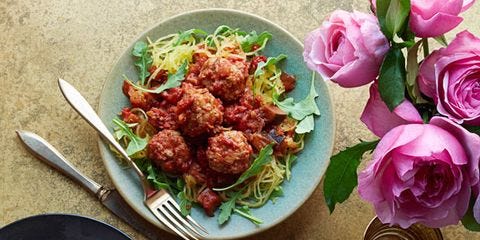
There are dinners that politely enter the room, and then there is "Spaghetti" and Meatballsthe comfort-food celebrity that kicks open the kitchen door wearing a red sauce cape. It is cozy, saucy, hearty, and dramatic in the best possible way. This recipe gives you juicy homemade meatballs, a rich tomato sauce, and perfectly coated strands of spaghettior “spaghetti,” if you want to use spaghetti squash, zucchini noodles, or another lighter noodle-style swap.
The beauty of this dish is that it feels old-school without being fussy. You do not need a Nonna, a copper pot, or an opera soundtrack, although nobody is stopping you from adding the soundtrack. What you do need is good ground meat, a smart binder, gentle hands, a tomato sauce with patience, and the wisdom to not boil the pasta into sadness. This guide walks you through the full recipe, the technique behind tender meatballs, common mistakes, serving ideas, storage tips, and a long practical experience section at the end for real-life cooking confidence.
Why This "Spaghetti" and Meatballs Recipe Works
A great spaghetti and meatballs recipe is not just ground beef rolled into balls and dropped into tomato sauce. That is technically dinner, but so is cereal eaten over the sink. The goal here is flavor, tenderness, and balance. The meatballs should be savory and juicy, the sauce should taste bright but developed, and the pasta should cling to the sauce instead of sitting underneath it like a shy intern.
This recipe uses a mixture of ground beef and ground pork for richness. Breadcrumbs soaked with milk create a soft panade, which helps keep the meatballs tender. Parmesan cheese adds salty depth, garlic and parsley bring freshness, and a quick browning step builds flavor before the meatballs finish gently in the sauce. That final simmer lets the sauce and meatballs become best friends without drying anything out.
Ingredients for Homemade "Spaghetti" and Meatballs
For the Meatballs
- 1 pound ground beef, preferably 80/20 or 85/15
- 1/2 pound ground pork
- 3/4 cup plain or Italian-style breadcrumbs
- 1/2 cup whole milk
- 1 large egg
- 1/2 cup finely grated Parmesan cheese
- 3 garlic cloves, minced
- 2 tablespoons finely chopped fresh parsley
- 1 teaspoon kosher salt
- 1/2 teaspoon black pepper
- 1/2 teaspoon dried oregano
- 1/4 teaspoon crushed red pepper flakes, optional
- 2 tablespoons olive oil, for browning
For the Tomato Sauce
- 2 tablespoons olive oil
- 1 small yellow onion, finely diced
- 4 garlic cloves, minced
- 2 tablespoons tomato paste
- 1/2 cup dry red wine or low-sodium beef broth, optional
- 1 can crushed tomatoes, 28 ounces
- 1 can tomato sauce, 15 ounces
- 1 teaspoon dried basil
- 1 teaspoon dried oregano
- 1/2 teaspoon sugar, optional, to balance acidity
- Salt and black pepper, to taste
- Fresh basil leaves, torn, for finishing
For the "Spaghetti"
- 12 ounces dried spaghetti
- Salt, for pasta water
- Reserved pasta water, as needed
- Extra Parmesan cheese, for serving
Optional noodle-style swaps: Use roasted spaghetti squash, zucchini noodles, chickpea pasta, lentil pasta, or whole wheat spaghetti if you want a lighter, gluten-free, or higher-protein variation. That is where the playful quotation marks around “spaghetti” come in. The meatballs and sauce are classic; the noodle base can be traditional or flexible.
How to Make "Spaghetti" and Meatballs
Step 1: Make the Panade
In a large mixing bowl, combine the breadcrumbs and milk. Let them sit for 5 minutes until the crumbs soften into a thick paste. This small step does big work. A panade traps moisture and gives the meatballs a tender texture instead of turning them into tiny edible golf balls.
Step 2: Mix the Meatball Ingredients Gently
Add the egg, Parmesan, garlic, parsley, salt, pepper, oregano, and red pepper flakes to the soaked breadcrumbs. Stir these ingredients together first so the seasoning is evenly distributed. Then add the ground beef and ground pork. Mix gently with your hands or a fork just until everything is combined. Do not knead the mixture like bread dough unless your goal is meatball-flavored rubber.
Step 3: Shape the Meatballs
Lightly oil your hands and form the mixture into meatballs about 1 1/2 inches wide. You should get around 20 to 24 meatballs. Try to keep them similar in size so they cook evenly. Place them on a tray while you prepare the sauce base.
Step 4: Brown the Meatballs
Heat 2 tablespoons olive oil in a large Dutch oven or heavy skillet over medium heat. Brown the meatballs in batches, turning carefully so they develop color on several sides. They do not need to cook all the way through at this stage. Browning adds savory depth and helps the meatballs hold their shape in the sauce.
Step 5: Build the Tomato Sauce
In the same pot, add the onion and cook for 4 to 5 minutes until softened. Stir in the garlic and tomato paste, cooking for about 1 minute until fragrant. If using wine or broth, pour it in and scrape up the browned bits from the bottom of the pot. Those browned bits are tiny flavor coupons. Redeem them.
Add the crushed tomatoes, tomato sauce, basil, oregano, sugar if needed, salt, and pepper. Stir well and bring the sauce to a gentle simmer.
Step 6: Simmer the Meatballs in Sauce
Return the browned meatballs to the pot, nestling them into the sauce. Cover partially and simmer gently for 25 to 35 minutes, stirring occasionally and carefully. The meatballs should reach an internal temperature of 160°F. A thermometer is the easiest way to confirm doneness without sacrificing a meatball to guesswork.
Step 7: Cook the Spaghetti
Bring a large pot of salted water to a boil. Add the spaghetti and cook until al dente according to the package directions. Before draining, reserve about 1 cup of pasta water. This starchy water helps loosen the sauce and makes it cling to the pasta beautifully.
Step 8: Toss, Serve, and Accept Applause
Toss the drained spaghetti with a few ladles of sauce and a splash of reserved pasta water. Plate the pasta, top with meatballs and extra sauce, then finish with Parmesan and fresh basil. Serve hot with garlic bread, a crisp green salad, or the confidence of someone who just made a restaurant-worthy dinner at home.
Chef-Style Tips for Tender Meatballs
Do Not Overmix the Meat
Overmixing is the fastest route to tough meatballs. Mix the binder, seasonings, and aromatics first, then add the meat last. Use a light touch. The mixture should look combined, not beaten into submission.
Use Enough Moisture
Breadcrumbs alone can make meatballs dry if they are not hydrated. Milk, egg, grated onion, or even a spoonful of ricotta can help create tenderness. In this recipe, milk and egg do the job cleanly and reliably.
Brown for Flavor, Simmer for Juiciness
Browning meatballs creates a savory crust, but cooking them entirely in a hot pan can dry them out. A short sear followed by a gentle simmer gives you the best of both worlds: flavor on the outside, tenderness inside.
Season the Sauce Gradually
Tomatoes vary in acidity and saltiness. Taste the sauce before adding too much salt or sugar. A pinch of sugar can soften sharp acidity, but the goal is balance, not dessert marinara.
Traditional Spaghetti vs. "Spaghetti" Alternatives
Classic spaghetti is the obvious choice because it twirls well and gives the dish its familiar Italian-American charm. But the quotation marks in "Spaghetti" and Meatballs Recipe leave room for creativity. If you are avoiding gluten, reducing carbs, or simply trying to sneak more vegetables onto the plate without issuing a public announcement, there are several smart swaps.
Spaghetti squash is mild, slightly sweet, and naturally forms noodle-like strands after roasting. Cut the squash lengthwise, scoop out the seeds, brush with olive oil, season with salt and pepper, and roast cut-side down at 400°F until tender. Scrape the flesh with a fork and use it as your pasta base.
Zucchini noodles, also called zoodles, cook quickly and pair well with meatballs, but they release water. For best results, sauté them briefly and avoid drowning them in sauce too early. Chickpea or lentil spaghetti offers more protein and fiber than traditional pasta, while whole wheat spaghetti adds a nuttier flavor and firmer bite.
Make-Ahead, Storage, and Freezing Tips
This homemade spaghetti and meatballs recipe is excellent for meal prep. In fact, the sauce often tastes even better the next day because the flavors have had time to mingle, gossip, and become more interesting.
To make ahead, prepare the meatballs and sauce up to 2 days in advance. Store them together in an airtight container in the refrigerator. Reheat gently on the stovetop over medium-low heat, adding a splash of water or broth if the sauce thickens too much.
For freezing, let the meatballs and sauce cool completely. Transfer them to freezer-safe containers or bags and freeze for up to 3 months. Thaw overnight in the refrigerator before reheating. For best texture, cook fresh pasta on the day you serve it rather than freezing cooked spaghetti with the sauce.
Common Mistakes to Avoid
Using Meat That Is Too Lean
Extra-lean ground beef sounds virtuous, but it can make dry meatballs. A little fat gives flavor and moisture. Ground beef around 80/20 or 85/15 works well, especially when combined with ground pork.
Boiling the Sauce Aggressively
A roaring boil can break meatballs apart and make the sauce splatter like a tiny tomato volcano. Keep the sauce at a gentle simmer. You want small bubbles, not a crime scene on the stovetop.
Skipping the Pasta Water
Reserved pasta water is not glamorous, but it is powerful. The starch helps sauce cling to noodles and gives the final dish a glossy, cohesive texture. Always save a cup before draining.
Serving Pasta Naked Under Sauce
Pouring sauce on top of plain noodles is common, but tossing pasta with sauce first gives every strand flavor. Finish with extra sauce and meatballs on top for the classic look.
Serving Ideas for Spaghetti and Meatballs
This dish is hearty enough to stand alone, but side dishes can turn it into a complete dinner. Garlic bread is the obvious companion because someone needs to rescue the extra sauce from the plate. A Caesar salad, arugula salad, roasted broccoli, or simple cucumber-tomato salad adds freshness. For a cozy family meal, serve with grated Parmesan, red pepper flakes, and a little bowl of fresh basil so everyone can customize their plate.
If you have leftovers, meatballs can become meatball subs, pizza toppings, baked pasta, stuffed peppers, or a quick lunch bowl with rice and vegetables. Leftover sauce can also be spooned over roasted eggplant, chicken cutlets, or polenta.
Recipe Variations
Turkey Meatballs
Use ground turkey instead of beef and pork for a lighter version. Because turkey is leaner, add 1 tablespoon olive oil or a few tablespoons of ricotta to the meatball mixture to help preserve moisture.
Spicy Arrabbiata Style
Add 1/2 to 1 teaspoon crushed red pepper flakes to the sauce for a spicy kick. This is perfect for people who believe tomato sauce should have a little attitude.
Cheese-Stuffed Meatballs
Press a small cube of mozzarella into the center of each meatball before browning. Seal the meat mixture around the cheese completely so it melts inside instead of escaping into the pan like a dairy Houdini.
Vegetable-Boosted Sauce
Add finely chopped mushrooms, carrots, or bell peppers to the sauce base. Mushrooms are especially good because they add umami and make the sauce taste deeper without overpowering the meatballs.
Experience Notes: What Cooking "Spaghetti" and Meatballs Teaches You
Making "Spaghetti" and Meatballs at home is one of those cooking experiences that starts with simple ingredients and somehow turns into a whole personality. The first thing you learn is that meatballs are not difficult, but they are emotional. They react to how you treat them. Handle them gently and they reward you with tenderness. Overwork them, and they become dense enough to qualify as patio furniture.
The second lesson is that sauce has a mood. A rushed tomato sauce can taste sharp and flat, while a sauce that gets even 25 or 30 minutes to simmer becomes rounder and richer. You do not always need an all-day Sunday sauce, but you do need enough time for garlic, onion, tomato paste, and tomatoes to stop acting like separate ingredients and start acting like dinner. When the meatballs simmer in the sauce, the whole pot becomes more savory. It smells like someone cleaned the house even if they absolutely did not.
Another real-life lesson is that pasta timing matters. Many home cooks finish the sauce, then panic-cook the spaghetti, then let the noodles sit in a colander until they clump into one tragic pasta sweater. The better rhythm is to start the pasta when the meatballs are nearly done. Save pasta water, toss the noodles with sauce immediately, and serve while everything is hot. This one change makes the dish feel less like cafeteria spaghetti and more like something from a neighborhood restaurant with red-checkered napkins and dangerously good bread.
If you use spaghetti squash or zucchini noodles, the experience changes in a good way. Spaghetti squash feels lighter and slightly sweet, so it pairs best with extra Parmesan and basil. Zucchini noodles are fresher and quicker, but they need careful handling because too much cooking makes them watery. The trick is to treat vegetable noodles as a base, not as a perfect pasta impersonator. They are delicious when you let them be themselves.
Cooking this recipe for guests is also surprisingly forgiving. You can make the meatballs and sauce ahead, keep them warm, and cook fresh pasta at the last minute. People love a pot of meatballs because it feels generous. It says, “I planned this,” even if 40 minutes earlier you were staring into the refrigerator like it owed you money.
The best experience, though, is the leftover experience. The next day, the sauce tastes deeper, the meatballs slice beautifully, and a toasted meatball sandwich suddenly becomes possible. Add mozzarella, broil it until bubbly, and you have lunch that makes sad desk salads question their purpose. That is the magic of homemade spaghetti and meatballs: one dinner becomes several meals, and every one of them feels like comfort.
Conclusion
This "Spaghetti" and Meatballs Recipe gives you everything a classic comfort dinner should have: juicy meatballs, rich tomato sauce, flexible noodle options, and enough flavor to make the table go quiet for the first few bites. The secret is not complicated. Use a moist binder, season well, mix gently, brown for flavor, simmer slowly, and toss the pasta with sauce instead of leaving it plain. Whether you serve it with traditional spaghetti, spaghetti squash, zucchini noodles, or protein-rich pasta, this dish delivers the same cozy promise: a big bowl of happiness with Parmesan on top.
Note: This article is original, publish-ready content synthesized from established American cooking practices and food-safety guidance. Source links and unnecessary reference markers have been intentionally omitted from the HTML copy.













