
Editor’s note: The Lightology Spring Sweepstakes described in this article was a limited-time promotion published in May 2022. Entries closed at midnight Eastern Time on May 15, 2022, and the reported winner was Theresa F. of Oregon. The contest is no longer accepting entries. Always confirm any new promotion on the organizer’s official website and read its current rules before submitting personal information.
A thousand dollars for designer lighting sounds like the sort of prize that could turn a gloomy room into a magazine spread—or at least stop everyone from squinting over dinner. That was the appeal of the Spring Sweepstakes to win $1,000 to spend at Lightology, a home-design giveaway centered on one of the easiest ways to change how a room looks and feels: better light.
The original promotion paired Remodelista with Lightology and offered one winner a $1,000 shopping code for design-forward lighting. The prize could be used toward wall sconces, pendants, table lamps, task lights, outdoor fixtures, and other products sold by the retailer. While the giveaway has ended, its premise remains useful. A carefully planned $1,000 lighting budget can produce a surprisingly noticeable home refresh without requiring demolition, a dumpster, or a contractor who disappears for three weeks.
What Was the Lightology Spring Sweepstakes?
The promotion launched on May 3, 2022, and invited eligible readers to enter for a chance to receive a $1,000 Lightology shopping code. The entry period ended on May 15, 2022. The campaign highlighted lighting as a practical spring upgrade for interiors, patios, and porches, with the prize positioned as enough to buy one statement fixture or a coordinated group of smaller lights.
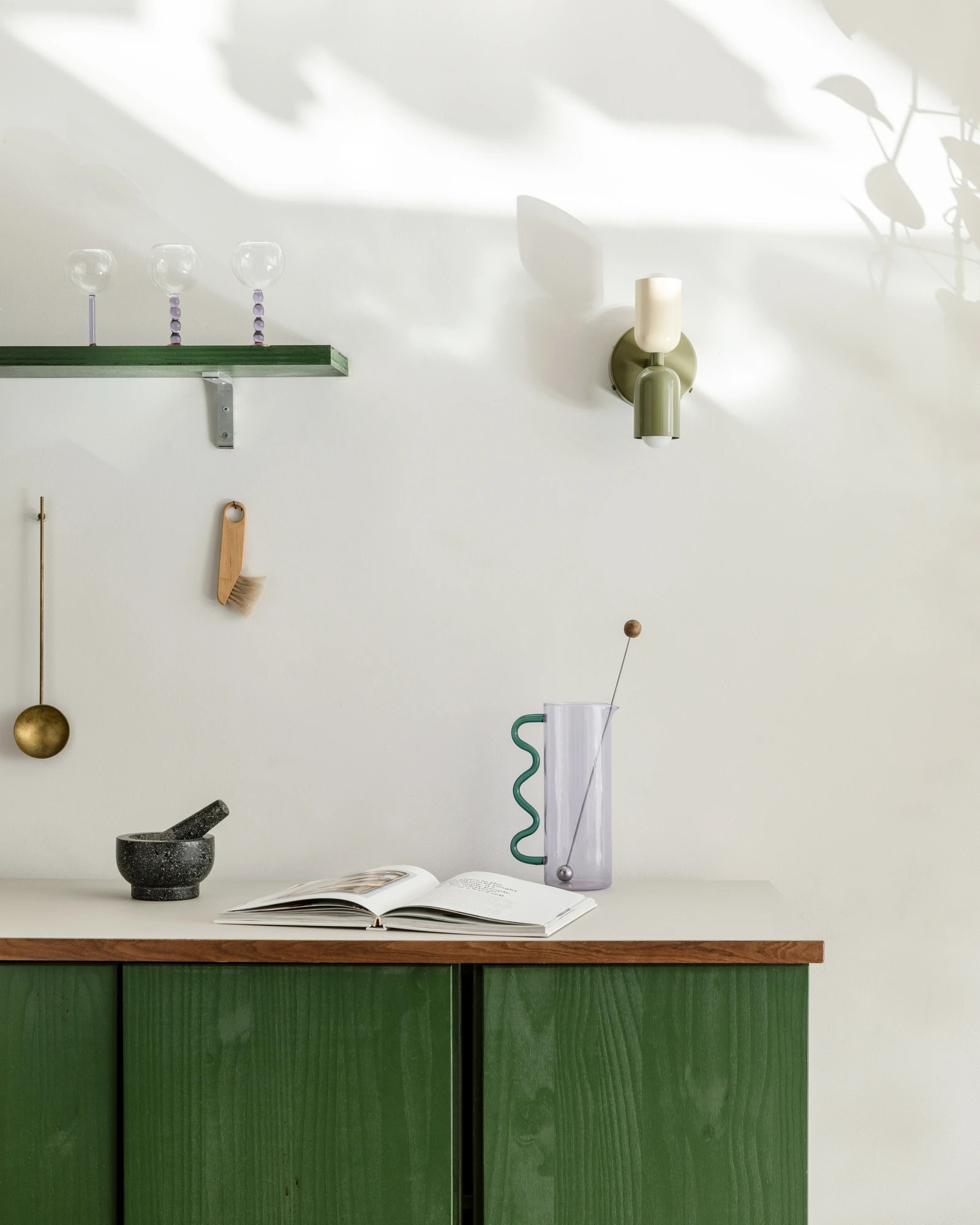
The featured selection illustrated just how different a lighting makeover could look. Historical examples included a compact up-and-down wall sconce in numerous color combinations, a sculptural table lamp inspired by a hot-air balloon, a linen pendant influenced by Japanese paper lanterns, a bone-china pendant, and a rechargeable portable lamp suitable for carrying onto a porch or into a garden. Prices and availability have changed since the promotion, but the broader lesson still shines: a lighting budget can support anything from one dramatic centerpiece to several flexible, layered sources.
Because this specific sweepstakes is closed, pages that still carry the original headline should be treated as archives, not active entry forms. That distinction matters. Old giveaway pages often continue appearing in search results long after the confetti has been swept away.
Why Lighting Is Such a Powerful Spring Upgrade
Paint changes color. Furniture changes function. Lighting changes nearly everything you see, from wall color and texture to artwork and faces. A good plan combines several sources instead of asking one ceiling fixture to do every job.
Ambient Lighting Sets the Foundation
Ambient light helps people move safely through a room and establishes the overall brightness level. Chandeliers, ceiling fixtures, recessed lights, and broad-glow wall lights commonly fill this role. The goal is not maximum brightness at all times. It is comfortable, even illumination that can be adjusted for the activity.
Task Lighting Makes Rooms Work Better
Task lighting puts useful light exactly where it is needed. Think of a desk lamp aimed at a keyboard, pendants over a kitchen island, bedside sconces for reading, or under-cabinet lighting above a countertop. A beautiful room that leaves you chopping onions in your own shadow is not fully designed; it is merely posing.
Accent Lighting Adds Depth
Accent lights highlight artwork, textured walls, shelves, plants, and architectural details. They also prevent a room from feeling flat. Even a modest table lamp in a dark corner can make the entire space feel larger because it extends the visual boundary of the room.
How Far Can a $1,000 Lightology Budget Go?
The answer depends on whether you want a hero fixture or a supporting cast. Designer lighting spans a wide price range, and installation costs may be separate, so the smartest approach is to decide what problem the budget should solve before browsing.
Option 1: Buy One Statement Fixture
A sculptural pendant or chandelier can anchor a dining room, entry, bedroom, or kitchen when the rest of the room already has adequate light. Measure ceiling height, table dimensions, fixture diameter, suspension length, and nearby clearances before ordering. A pendant that looks charming online can become an indoor obstacle course when hung too low.
Option 2: Create a Layered Living Room
Depending on the products, the budget may cover a floor lamp, two table lamps, and upgraded LED bulbs. This flexible mix supports reading, evening ambience, and the occasional search for the remote everyone insists they did not lose.
Option 3: Upgrade Bedside Lighting
Matching plug-in or hardwired sconces free up space on nightstands and create a polished, hotel-like effect. Pair them with warm, dimmable light for nighttime comfort. Renters can look for plug-in models, while homeowners considering hardwired fixtures should include electrician labor in the total project budget.
Option 4: Improve a Kitchen Work Zone
Pendants over an island can provide both task light and visual rhythm. However, glare, spacing, height, and countertop shadows matter more than the number of pendants currently trending on social media. Sometimes two appropriately sized fixtures outperform three tiny ones. Sometimes one linear fixture is cleaner. The kitchen does not award bonus points for symmetry if nobody can see the cutting board.
Option 5: Add Portable Light Indoors and Out
Rechargeable table lamps are useful for patios, balconies, dining tables, reading corners, and rooms without convenient outlets. For outdoor use, verify that the product is rated for the actual environment. A fixture intended for a dry interior should not be promoted to rain duty merely because it looks brave.
A Smart Checklist Before Spending the Prize
1. Start With the Room’s Job
List the activities that happen in the space: cooking, reading, entertaining, working, relaxing, dressing, or navigating at night. Then identify where the existing light fails. This turns shopping from an aesthetic scavenger hunt into a design plan.
2. Measure More Than Once
Record ceiling height, room dimensions, table width, mounting-box location, shade diameter, cord length, and clearance above walking paths. Use painter’s tape or a cardboard template to visualize the fixture’s scale. It is far cheaper to discover that a chandelier is enormous while it is still imaginary.
3. Shop by Lumens, Not Just Watts
Watts describe energy use, while lumens describe light output. Modern LEDs can deliver substantial brightness with far less power than traditional incandescent bulbs. When comparing products, focus on the amount and direction of light, not merely the wattage printed in large type.
4. Choose a Suitable Color Temperature
Color temperature is measured in kelvins. Lower values appear warmer and more golden; higher values look cooler and whiter. Warm light is popular in living rooms, bedrooms, and dining areas, while somewhat cooler light may suit kitchens, workspaces, and detailed tasks. The best choice depends on the room, finishes, natural daylight, and how the space is used.
5. Confirm Dimming Compatibility
Not every LED works smoothly with every dimmer. An incompatible combination may flicker, buzz, refuse to dim very low, or turn your relaxing dinner into an unplanned light show. Check the fixture, bulb, driver, and dimmer specifications before purchase, especially for integrated LED products.
6. Check Dry, Damp, or Wet Ratings
Bathrooms, covered porches, and exposed outdoor areas have different moisture conditions. Select a fixture rated for its location and follow applicable electrical requirements. Product beauty does not overrule physics, moisture, or the electrical code.
7. Budget for Installation
A $1,000 code may cover merchandise but not labor, new wiring, ceiling reinforcement, junction-box changes, wall repair, or specialty controls. If the project involves hardwired fixtures, ask a qualified electrician for an estimate before committing the entire budget to the fixture itself.
8. Review Returns, Lead Times, and Replacement Parts
Designer fixtures may have special-order finishes, long lead times, restocking conditions, or integrated light sources. Review current retailer policies before ordering. Also check whether shades, drivers, diffusers, bulbs, and other parts can be replaced. A fixture should ideally remain useful longer than the trend cycle that introduced it.
How to Recognize a Legitimate Sweepstakes
Real promotions have official rules, eligibility requirements, an entry period, a sponsor, a prize description, and an explanation of how winners are selected or contacted. Legitimate sweepstakes do not require winners to pay a fee, buy gift cards, wire money, or provide bank details simply to claim a prize. A request for “processing money” is not a quirky administrative step; it is a parade of red flags wearing matching uniforms.
For any current Lightology giveaway, begin from the company’s official website or a clearly identified partner page. Read the current rules rather than assuming an archived promotion still applies. Enter only through the stated method, keep a copy of the confirmation, and check the email address used for entry after the drawing. Winner notices can be missed when they land in spam or in an inbox last opened during the previous geological era.
A Realistic $1,000 Lighting-Makeover Experience
Imagine a homeowner named Maya who has spent two years blaming her living room’s dullness on the beige sofa. The sofa is innocent. The actual problem is one ceiling fixture with a cool, glaring bulb and a lonely table lamp trapped behind a stack of books. The room is bright in the middle, gloomy at the edges, and somehow makes every evening feel like paperwork.
Maya begins with the sensible question: what does the room need to do? Her family reads on the sofa, watches movies, hosts friends, and occasionally turns the coffee table into a homework station. She decides against spending the entire budget on a dramatic chandelier. It would be beautiful, but it would not solve the dark reading corner or the shadowy wall behind the armchair.
Instead, she divides the hypothetical $1,000 budget into four categories. About half goes toward a well-made floor lamp with an adjustable shade for reading. A smaller portion goes toward a pair of compact table lamps for opposite sides of the room. She reserves money for dimmable, warm-white LED bulbs and leaves a buffer for shipping, taxes, or a compatible dimmer. This buffer feels boring until it prevents the project from exceeding the budget, at which point it becomes the most attractive item in the cart.
Before ordering, Maya measures the space beside the sofa and tapes the floor lamp’s approximate footprint onto the floor. She checks the shade height while seated to make sure the light source will not glare directly into anyone’s eyes. For the table lamps, she compares the total lamp height with the side tables and sofa arms. She also checks cord paths because an elegant lamp with a cord stretched across a walkway is simply a stylish trip hazard.
When the fixtures arrive, the first lesson is that lighting should be evaluated at night, not only in sunny product photos. Maya tests the floor lamp near the armchair, then moves it behind the sofa. The second position creates better reading light and bounces a soft glow off the wall. One table lamp goes near the entry side of the room, visually connecting the seating area to the hallway. The other brightens a formerly dead corner and makes a framed print look intentional rather than forgotten.
She experiments with brightness and discovers that the room rarely needs every light at full output. For conversation, the two table lamps and one dimmed floor lamp are enough. For reading, the floor lamp becomes the strongest source. During movies, one table lamp stays on at a low level so the room remains comfortable without reflecting on the screen. The old ceiling fixture is still useful for cleaning, locating dropped objects, and interrogating dust.
The biggest surprise is not that the room looks more expensive. It is that the furniture, paint, and artwork look better without being replaced. Warm, layered illumination reveals texture in the rug, gives depth to the wall color, and makes faces appear less washed out. The sofa is acquitted of all charges.
This experience demonstrates the practical value behind a prize such as the Lightology sweepstakes. The best use of $1,000 is not automatically the most dramatic product. It is the combination that addresses the room’s actual needs, fits its scale, works with its electrical setup, and creates several useful scenes. Planning first also reduces the chance of buying a gorgeous fixture that spends its future in a return box.
A similar process works in other rooms. In a bedroom, the budget might support two sconces and a small ambient lamp. In a dining room, one pendant plus a dimmer could have the greatest impact. On a covered porch, a weather-appropriate ceiling light and portable table lamps could extend evening use. The specific products change, but the sequence remains reliable: identify the problem, measure the space, choose the light layers, verify compatibility, and preserve part of the budget for installation or accessories.
Final Thoughts
The 2022 Spring Sweepstakes offered one winner an appealing opportunity: $1,000 to spend on design-conscious lighting from Lightology. Although that entry window has closed, the idea behind it still holds up. Lighting is one of the fastest ways to improve comfort, function, and atmosphere, and a four-figure budget can make a meaningful difference when it is directed by a clear plan.
Start with how the room is used, not with the trendiest fixture. Layer ambient, task, and accent light. Measure carefully, compare lumens and color temperature, verify dimmer and location compatibility, and remember installation costs. Do that, and even without winning a sweepstakes, your home can look brighter, work better, and stop treating every evening like a poorly lit mystery novel.
Research verification: original promotion, dates, featured products, and winner were checked against Remodelista and Lightology records. Lighting guidance was synthesized from U.S. Department of Energy, ENERGY STAR, Illuminating Engineering Society, American Lighting Association, UL Solutions, Federal Trade Commission, Better Homes & Gardens, Houzz, Lutron, Architectural Digest, and Philips Hue materials.














