
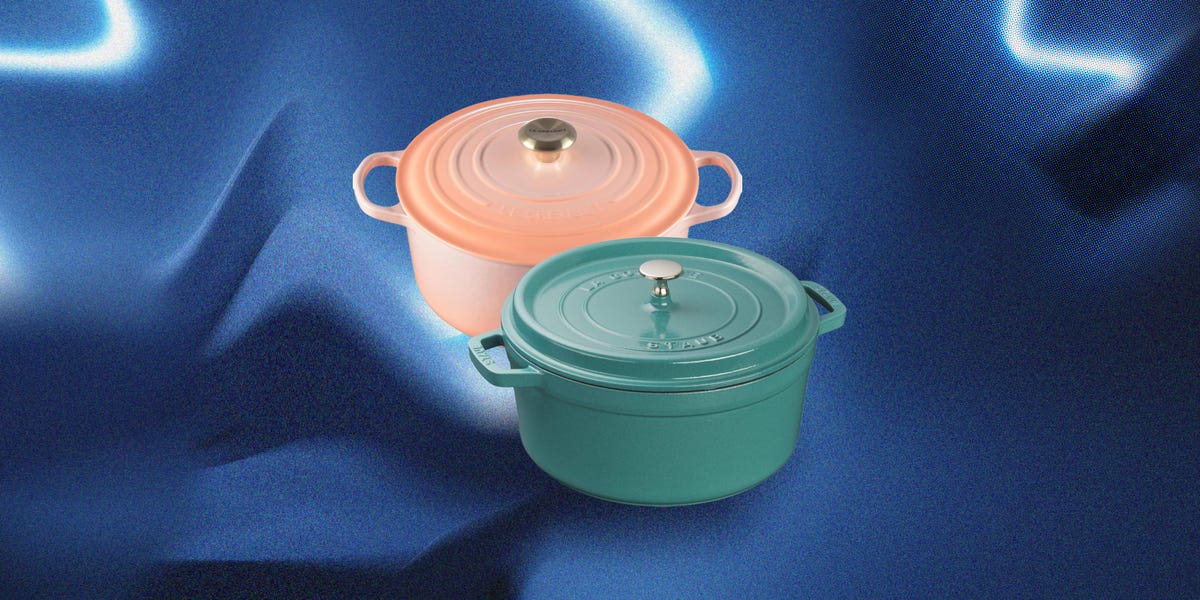
Note: This article is based on real manufacturer information and synthesized hands-on testing insights from reputable cookware review sources, including official Staub and Le Creuset product guidance, Good Housekeeping, Food & Wine, Epicurious, Serious Eats, Delish, House Beautiful, and Eater.
Staub vs Le Creuset: The Dutch Oven Battle Worth Having
If kitchen cookware had a red carpet, Staub and Le Creuset Dutch ovens would arrive in chauffeured cars, wearing enamel so glossy it could make a backsplash jealous. These two French enameled cast iron legends have been simmering stews, baking bread, braising short ribs, and quietly judging our flimsy saucepans for decades. But when shoppers ask, “Which Dutch oven is better: Staub or Le Creuset?” the honest answer is not as simple as picking the prettier pot.
We tested their Dutch ovens side-by-side in the ways home cooks actually use them: browning meat, simmering soup, baking bread, reducing sauce, cleaning sticky residue, lifting them in and out of the oven, and staring at them on the stovetop like they were luxury sports cars that happen to make beef stew. Both are excellent. Both are expensive. Both can last for years if treated well. But they behave differently enough that the best Dutch oven for you depends on how you cook.
Le Creuset is the friendlier, brighter, easier-to-monitor Dutch oven. Its light-colored interior makes browning simple to see, its handles are roomy, and its color range is practically a paint deck for people who think “flame orange” is a personality trait. Staub is heavier, darker, moodier, and slightly more chef-like. Its matte black enamel interior hides stains, develops a cooking patina over time, and its spiked lid is designed to return condensation to the food as it cooks.
So, is Staub better than Le Creuset? Sometimes. Is Le Creuset better than Staub? Also sometimes. Welcome to premium cookware, where the answer is “it depends,” but at least dinner smells amazing.
Quick Verdict: Which Dutch Oven Wins?
For most beginners and everyday home cooks, Le Creuset is the easier Dutch oven to use. It heats beautifully, browns reliably, offers better visibility inside the pot, and is easier to lift because it is generally lighter than Staub in similar sizes. If your cooking style includes lots of searing, sauces, caramelization, and visual cues, Le Creuset gives you more control.
For slow cooking, braising, deep flavor development, and long oven sessions, Staub has a slight edge. Its heavier build, dark textured enamel, and self-basting lid design make it feel like a serious braising machine. It is especially good for cooks who already know what fond should smell like before it crosses the line into “oops, we are ordering pizza.”
The final winner? Le Creuset for ease of use, Staub for slow-cooked richness. If we had to choose one Dutch oven for a first-time buyer, we would pick Le Creuset. If we had to choose one for a confident cook who makes braises, stews, and roasts every weekend, we would pick Staub.
What We Tested
To compare Staub vs Le Creuset fairly, we focused on classic round enameled cast iron Dutch ovens in the popular 5.5-quart to 7.25-quart range. This size is the sweet spot for most households: large enough for chili, chicken and rice, sourdough bread, beef stew, pasta sauce, and a respectable amount of mashed potatoes, but not so enormous that lifting it feels like qualifying for an Olympic event.
Our Testing Categories
- Browning: How well each Dutch oven seared beef and chicken.
- Braising: How tender and flavorful slow-cooked dishes became.
- Soup and beans: How evenly ingredients softened without turning mushy.
- Bread baking: How well the pot trapped steam and produced crust.
- Ease of use: Weight, handles, lid comfort, and stovetop maneuverability.
- Cleaning: How easily fond, starch, and oil residue came off.
- Durability: How the enamel handled everyday utensils and repeated cooking.
Both Dutch ovens performed like premium cookware should. They retained heat well, moved smoothly from stovetop to oven, and made food taste like we had planned dinner before 5:47 p.m. But the differences became obvious once we looked closely.
Design and Build Quality
Both Staub and Le Creuset are made from enameled cast iron, which means they combine the heat retention of cast iron with a non-reactive enamel coating. Unlike raw cast iron, they do not require seasoning, and they can handle acidic ingredients such as tomatoes, wine, vinegar, and citrus without turning dinner into a chemistry experiment.
Le Creuset Design
Le Creuset’s Signature Dutch Oven has a smooth, light-colored enamel interior, a rounded shape, large loop handles, and a lid that fits securely without feeling overly heavy. The design is polished and approachable. It feels like cookware made for people who want great performance but do not want to wrestle their pot every time they move it from burner to oven.
The light interior is one of Le Creuset’s biggest advantages. When browning meat, onions, tomato paste, or butter, you can easily see what is happening. That matters. The difference between golden fond and burnt fond is often only a few minutes, and Le Creuset gives you a clear view before your sauce starts whispering, “I have regrets.”
Staub Design
Staub’s Dutch oven, often called a cocotte, has a darker, more rugged personality. Its matte black enamel interior is slightly textured, and its lid is heavier and flatter than Le Creuset’s. Under the lid, Staub uses small spikes designed to collect condensation and drip moisture evenly back onto the food.
Staub feels dense and professional. The dark interior hides stains better and can produce excellent browning, but it also makes it harder to see what is happening at the bottom of the pot. For experienced cooks, that is not a dealbreaker. For newer cooks, it can be a little like cooking in a stylish cave.
Interior Enamel: Light vs Dark
The biggest practical difference in the Staub vs Le Creuset debate is the interior enamel.
Le Creuset’s Light Enamel
Le Creuset’s pale enamel makes cooking more visual. You can watch onions turn translucent, butter brown, meat form a crust, and tomato paste darken. This is especially helpful for recipes that rely on color cues, such as beef bourguignon, gumbo, risotto, caramelized onions, pan sauces, and braises.
The downside is staining. Over time, Le Creuset’s light interior can discolor. This does not usually affect performance, but it may bother cooks who want their Dutch oven to look showroom-new forever. In real kitchens, a well-used Le Creuset eventually develops the cookware equivalent of laugh lines.
Staub’s Matte Black Enamel
Staub’s dark enamel hides stains beautifully. Tomato sauce, browned bits, chili oil, and long braises do not leave the same obvious marks. The textured surface also helps with browning and food release when used with enough fat.
The trade-off is visibility. Browning meat in Staub requires more attention to smell, sound, and timing. You cannot see fond as clearly, and beginners may find it easier to over-brown ingredients. However, once you learn the pot, Staub rewards you with deep color and rich flavor.
Browning Test: Which One Sears Better?
For browning, Le Creuset was easier to control. The light enamel made it simple to see when beef cubes had developed a deep brown crust and when the fond was ready to deglaze. This is a major advantage for everyday cooking because so many recipes begin with browning aromatics or protein.
Staub also browned extremely well, especially once fully preheated. Its darker surface encouraged strong searing, but visual feedback was harder. We had to rely more on timing and smell. For confident cooks, that is fine. For beginners, Le Creuset is more forgiving.
In our side-by-side test, Le Creuset felt faster and more transparent. Staub felt more powerful but less obvious. Think of Le Creuset as a sunny kitchen window and Staub as a French chef who refuses to explain himself but somehow makes excellent stew.
Braising Test: Which Makes Better Stew?
Braising is where Staub starts flexing. Its heavy lid and self-basting spikes help keep moisture circulating inside the pot. In long-cooked dishes such as short ribs, pot roast, lamb shanks, and beef stew, Staub produced a slightly richer, more concentrated flavor. The broth tasted deeper, and the sauce had a rounder feel.
Le Creuset also braised beautifully. Meat turned tender, vegetables cooked evenly, and sauces reduced predictably. However, its lighter build and smoother interior made it feel a bit more responsive. That is helpful if you like to adjust heat frequently or move between stovetop and oven.
The difference was not dramatic enough to make Le Creuset “bad” at braising. Far from it. Le Creuset makes wonderful braises. But if your dream weekend involves a slow-cooked ragu bubbling for three hours while you pretend folding laundry is optional, Staub has a slight advantage.
Soup, Beans, and Everyday Cooking
For soups and beans, the results were split. Staub created rich broth and excellent flavor concentration, but delicate ingredients softened faster. Beans became very tender, sometimes approaching creamy before we expected them to. That can be wonderful for rustic bean soup but less ideal if you want every bean to hold its shape.
Le Creuset gave us more control over texture. Vegetables held their structure nicely, beans softened evenly, and broth stayed lighter. For minestrone, chicken soup, lentils, and weeknight chili, Le Creuset felt slightly easier to manage.
If you like hearty, thick, deeply cooked dishes, Staub is your friend. If you prefer brightness, texture, and visibility, Le Creuset is easier to love.
Bread Baking: Steam, Crust, and Oven Spring
Both Staub and Le Creuset can bake excellent bread. A Dutch oven works for bread because it traps steam during the first part of baking, helping dough expand before the crust sets. The cast iron stores heat, while the lid creates a mini bread oven.
Staub’s heavier lid and tight moisture retention gave us a crisp, deeply colored crust. It felt especially strong for rustic sourdough and no-knead bread. Le Creuset also produced a lovely loaf with good oven spring and crust, and its lighter weight made handling easier when screaming-hot cookware was involved.
For bread only, Staub may have a tiny edge in steam retention. For safer handling and easier lifting, Le Creuset is more comfortable. Either way, use parchment paper, oven mitts, and common sense. A preheated Dutch oven is not a place to discover your inner daredevil.
Weight and Handling
Weight matters more than many buyers realize. A Dutch oven is already heavy before you add stew, broth, chicken, or a loaf of bread. Once full, it can become a two-handed commitment.
Le Creuset is generally lighter than Staub in comparable sizes. Its handles are also wide and easy to grip with oven mitts. This makes a real difference when transferring a full pot from stovetop to oven or from oven to table.
Staub feels heavier and more compact. Its handles can be slightly tighter depending on the model, which may be less comfortable with bulky mitts. The extra weight contributes to heat retention, but it also makes Staub less convenient for cooks with wrist issues, small kitchens, or a strong dislike of surprise arm workouts.
Lid Performance: Domed vs Self-Basting
Le Creuset uses a well-fitting domed lid that traps moisture effectively. It is simple, elegant, and easy to clean. You can also set it slightly ajar when you want evaporation, which is useful for reducing sauces.
Staub’s lid is flatter and heavier, with small interior spikes designed to collect condensation and drip it evenly back onto food. In long braises, this helps maintain moisture and intensify flavor. Whether the spikes are dramatically better than a regular tight lid is debatable, but in testing, Staub did excel in slow-cooked richness.
For soups, sauces, and everyday use, Le Creuset’s lid is easier and more flexible. For braises and roasts, Staub’s lid feels purpose-built.
Cleaning and Maintenance
Both Dutch ovens are technically dishwasher safe in many product lines, but handwashing is the smarter move if you want the enamel to stay glossy and beautiful. Use warm water, dish soap, and a non-abrasive sponge. Avoid metal scouring pads, harsh cleaners, and sudden temperature shocks.
Le Creuset’s light interior shows residue more clearly, which is helpful when cleaning but also makes stains more visible. Baking soda paste or a gentle enamel cleaner can help remove discoloration.
Staub hides stains better, but its dark surface can make it harder to tell whether all browned residue has been removed. Because the interior is textured, stuck-on bits may need a short soak. In daily use, Staub often looks cleaner longer, while Le Creuset looks cleaner only when it is actually cleaner. Philosophical? Yes. Useful? Also yes.
Durability: Which Dutch Oven Lasts Longer?
Both Staub and Le Creuset are heirloom-quality Dutch ovens when used properly. Their enamel coatings are durable, their cast iron bodies retain heat extremely well, and both brands have reputations for long service lives.
Staub’s dark interior is excellent at hiding wear, stains, and minor marks. Some tests have found Staub especially resistant to visible scuffing. Le Creuset’s interior can show scratches or dullness more clearly, although cosmetic changes do not necessarily reduce cooking performance.
Neither pot should be treated like raw cast iron. Do not use metal whisks aggressively. Do not bang spoons against the rim like you are summoning dinner spirits. Do not heat an empty enameled Dutch oven on high for a long time. Respect the enamel, and both brands can serve you for decades.
Colors and Kitchen Style
If color selection matters, Le Creuset is the clear winner. The brand is famous for its shades, from Flame and Cerise to Sea Salt, Marseille, Nectar, Artichaut, Meringue, and more. Le Creuset is cookware for people who want their Dutch oven to match their kitchen, their mood, or possibly their dog’s bandana.
Staub also offers gorgeous colors, often deeper and glossier, with a slightly more understated European look. Staub colors tend to feel rich, classic, and restaurant-adjacent. Le Creuset feels brighter and more design-forward.
Both are beautiful enough to live on the stovetop. That is good, because at these prices, hiding one in a cabinet feels rude.
Price and Value
Staub and Le Creuset are premium Dutch ovens, and neither is what most people would call cheap. Prices vary by size, color, retailer, and sale timing. Staub is sometimes slightly less expensive, especially in standard colors, but limited editions and certain finishes can narrow the gap.
Le Creuset often costs more, but it also offers a huge color range, excellent usability, and strong brand recognition. Staub may offer better value for cooks who care more about braising performance than color variety.
The real value question is how often you cook. If you make soups, stews, braises, bread, pasta sauce, beans, roasts, and one-pot meals regularly, either Dutch oven can justify its cost over time. If you cook once a month and mostly reheat takeout, a budget Dutch oven may be a wiser choice. Premium cookware deserves a life beyond looking photogenic next to a wooden spoon.
Staub Pros and Cons
Staub Pros
- Excellent for braising and slow cooking.
- Matte black enamel hides stains and discoloration.
- Textured interior encourages strong browning.
- Self-basting lid helps return moisture to food.
- Durable, heavy, professional feel.
- Often slightly more affordable than Le Creuset.
Staub Cons
- Heavier than Le Creuset in comparable sizes.
- Dark interior makes browning harder to monitor.
- Handles may feel smaller with thick oven mitts.
- Less beginner-friendly.
- Color range is beautiful but not as broad as Le Creuset.
Le Creuset Pros and Cons
Le Creuset Pros
- Light interior makes browning easy to see.
- Generally lighter and easier to handle.
- Large handles are comfortable with oven mitts.
- Excellent all-purpose performance.
- Huge color selection.
- Great choice for beginners and visual cooks.
Le Creuset Cons
- Usually more expensive.
- Light enamel can stain over time.
- May show scratches or dullness more clearly.
- Not quite as moisture-focused as Staub for long braises.
Best Dutch Oven for Different Cooks
Best for Beginners: Le Creuset
Le Creuset is easier to read, easier to lift, and easier to control. The light enamel interior helps new cooks learn browning, deglazing, and sauce reduction. If you are buying your first premium Dutch oven, Le Creuset is the safer choice.
Best for Braising: Staub
Staub’s heavy construction and self-basting lid make it ideal for short ribs, pot roast, pork shoulder, lamb shanks, and slow-cooked beans. It creates rich, deep flavors and handles long oven sessions beautifully.
Best for Bread: Slight Edge to Staub
Both brands bake excellent bread, but Staub’s heavy lid and moisture retention give it a tiny advantage for crusty artisan loaves. Le Creuset is easier to lift, which matters when the pot is blazing hot.
Best for Everyday Cooking: Le Creuset
For weeknight soups, pasta sauce, chili, rice dishes, and skillet-to-oven meals, Le Creuset feels more convenient. It is lighter, brighter, and friendlier when you are cooking after work and your patience is already simmering.
Best for Low-Maintenance Looks: Staub
Staub’s black interior hides stains and wear better. If you want your Dutch oven to look good after years of tomato sauce and searing, Staub has the advantage.
Our Final Side-by-Side Scorecard
| Category | Winner | Why It Wins |
|---|---|---|
| Browning Visibility | Le Creuset | Light enamel makes fond and color easy to monitor. |
| Deep Browning | Staub | Textured dark enamel encourages strong searing. |
| Braising | Staub | Heavy lid and self-basting spikes support moisture retention. |
| Ease of Handling | Le Creuset | Lighter body and larger handles are easier to manage. |
| Cleaning Appearance | Staub | Dark interior hides stains better. |
| Beginner Friendliness | Le Creuset | More visual control and easier handling. |
| Color Selection | Le Creuset | Broader, brighter color range. |
| Overall Slow Cooking | Staub | Excellent for stews, roasts, and long braises. |
500 Extra Words: Real Cooking Experiences With Staub and Le Creuset
After testing Staub and Le Creuset side-by-side, the most surprising discovery was not that one destroyed the other. That did not happen. The real lesson was that each Dutch oven changes the way you cook. Le Creuset makes you feel observant. Staub makes you feel patient.
With Le Creuset, the cooking process feels open and visual. When we browned beef, we could see the exact moment the meat released from the enamel. When onions softened, the color shift was obvious. When tomato paste darkened, it was easy to stop before it burned. That visibility makes Le Creuset a fantastic teacher. If you are learning how to build flavor, the pot gives you clues at every step.
During one test, we made a simple chicken and rice dish with onions, garlic, broth, and herbs. In Le Creuset, the onions became golden and easy to track. The rice cooked evenly, and the final dish had a clean, balanced flavor. It felt like a dependable weeknight dinner pot: no drama, no mystery, no “why is the bottom suddenly black?” moment.
Staub felt different. It encouraged slower cooking. In a beef stew test, the dark interior made the browning stage less visual, so we had to listen for the sizzle and smell the fond. That required more attention, but the final broth had a deeper, rounder flavor. The sauce tasted like it had been cooking longer than it actually had. Staub seemed to reward restraint. Lower the heat, let it work, stop poking the meat like a nervous squirrel.
For bread, both pots were impressive. Le Creuset was easier to handle, especially when removing a preheated pot from a hot oven. Staub felt more secure once inside the oven, and the crust came out slightly darker and more rustic. If you bake bread often, the weight of Staub may not bother you. If you bake occasionally and value easier handling, Le Creuset may feel safer and more practical.
Cleaning also shaped the experience. Le Creuset looked messier after cooking tomato-based sauce, but it was easier to see where residue remained. Staub looked cleaner at first glance because the black enamel hid discoloration, but we sometimes had to run a sponge around the base twice to make sure all residue was gone. Neither was difficult to clean, but they ask for different habits.
The emotional experience matters, too. Le Creuset feels cheerful. It is the pot you want on the stove when guests arrive. Staub feels serious. It is the pot you want when the forecast says rain and the recipe says “braise for three hours.” One says, “Let’s make soup.” The other says, “Let’s develop flavor.” Both are correct.
If you cook mostly fast weeknight meals, Le Creuset will probably make you happier. If your favorite recipes include wine, stock, root vegetables, tough cuts of meat, and the phrase “low and slow,” Staub may become your kitchen workhorse. The best choice is not about which Dutch oven is more famous. It is about which one matches your cooking personality.
Conclusion: Should You Buy Staub or Le Creuset?
The Staub vs Le Creuset debate does not have one universal winner because both Dutch ovens are exceptional. Le Creuset is lighter, brighter, easier to use, and better for cooks who want visual control. Staub is heavier, darker, more moisture-focused, and excellent for slow cooking, braising, and stain resistance.
Choose Le Creuset if you want an everyday Dutch oven that is beginner-friendly, colorful, easy to lift, and great for monitoring browning. Choose Staub if you want a deeply capable braising pot with a dark interior, serious heat retention, and a lid designed for moisture control.
Our honest verdict: Le Creuset is the better first Dutch oven; Staub is the better second Dutch oven for people who have fallen completely down the braising rabbit hole. Either way, dinner wins.














