
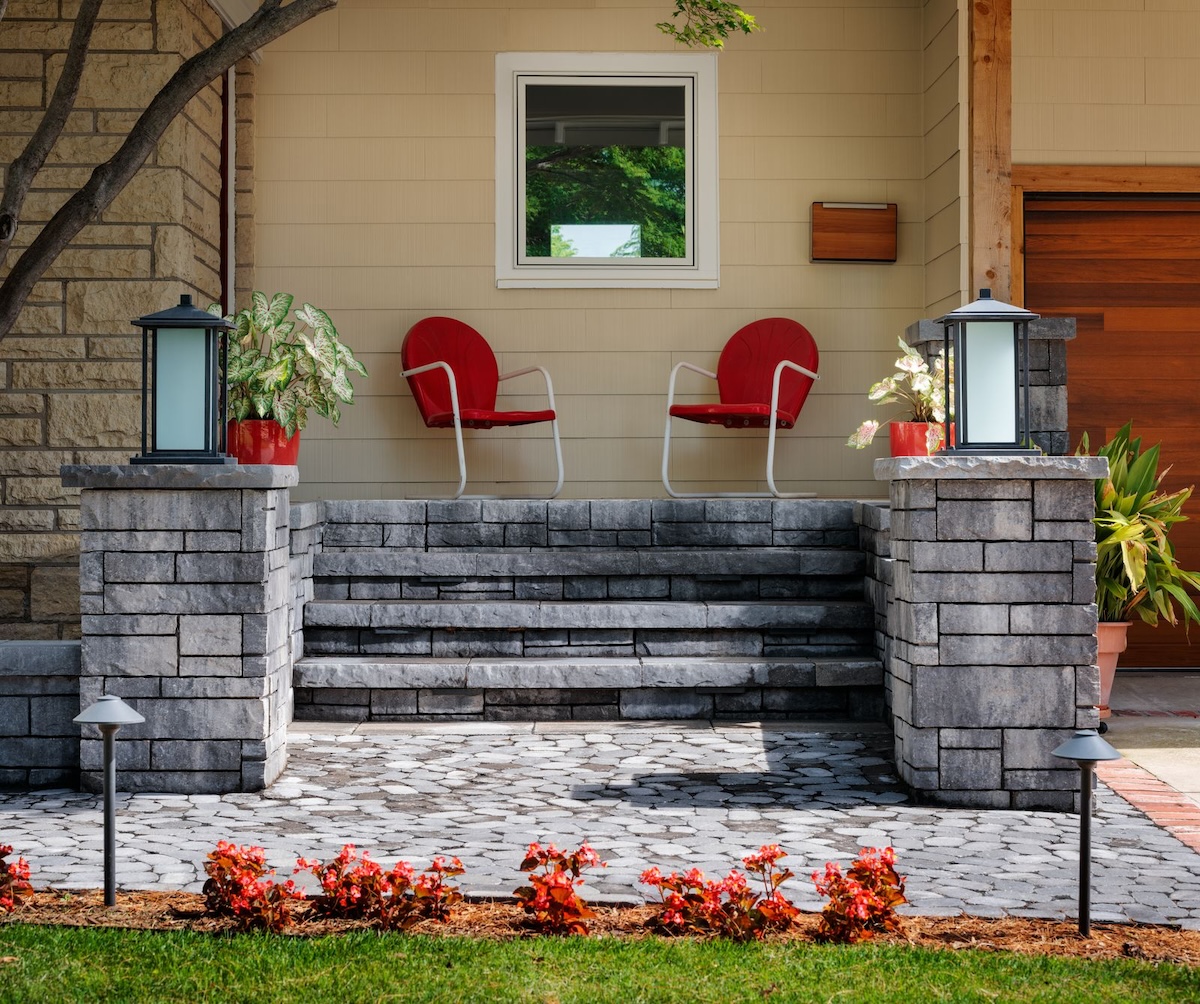
Your front steps do more than get people from the driveway to the door without a dramatic ankle speech. They set the tone for your entire home. Before guests notice your paint color, your clever wreath, or your suspiciously thriving hydrangeas, they notice the entry. And that means your front steps are doing a lot of heavy lifting in the curb appeal department.
The good news? You do not need a mansion, a wraparound porch, or a renovation budget that makes your wallet file a complaint. A few smart front step ideas can make your entry feel more polished, more welcoming, and much more intentional. Whether you love the clean look of modern concrete, the classic charm of brick, or the cozy appeal of overflowing planters and warm lighting, there is a way to make your front porch steps work harder and look better.
Below, you will find 15 front step ideas that blend style and function, plus practical advice on choosing the right materials, layout, and finishing touches. Because a stunning entry should not just look good in photos. It should also survive muddy shoes, wet weather, delivery boxes, and real life.
Why Front Steps Matter More Than You Think
Front steps are one of the first architectural details people see, so they naturally influence how the whole house feels. A narrow, dark, worn-out stoop can make even a beautiful home feel tired. On the other hand, wide steps, fresh paint, better lighting, or a pair of well-placed planters can make the same house look crisp, inviting, and cared for.
Great front step design also balances aesthetics with usability. The best entries are easy to climb, easy to see at night, safe in wet weather, and visually connected to the front door, porch, landscaping, and overall home style. In other words, your front steps should not look like they wandered in from a completely different zip code.
15 Front Step Ideas for a More Beautiful Entry
1. Go Wide for a Grander Look
Wide front steps instantly make an entry feel more generous and upscale. Even if your home is modest in size, broader treads create a sense of openness and make the approach feel more deliberate. This works especially well on ranch homes, cottages, and modern farmhouses where a wider staircase can visually anchor the facade.
Wide steps also make decorating easier. You have more room for lanterns, potted evergreens, mums, or seasonal accents without turning the whole setup into an obstacle course.
2. Try Concrete Steps for a Clean, Modern Entry
If you love crisp lines and low-fuss materials, concrete front steps are hard to beat. They offer a sleek, architectural look that fits modern, minimalist, and transitional homes especially well. Poured concrete feels substantial, while concrete pavers can give you a similar vibe with more flexibility in pattern and layout.
Pair concrete with black railings, gravel borders, copper planters, or a bold front door for a polished look that says, “Yes, I have my life together,” even if your junk drawer says otherwise.
3. Warm Things Up With Brick Steps
Brick front steps bring instant character. They feel timeless, textured, and friendly, which is probably why they keep showing up on homes with serious charm. Brick works beautifully with Colonial, Cape Cod, traditional, and cottage-style houses, but it can also add welcome warmth to simpler facades.
You can lean classic with a standard running bond pattern or choose a more decorative brick layout for extra personality. Bonus: brick pairs beautifully with iron railings, painted doors, and lush front-yard landscaping.
4. Use Natural Stone for a High-End, Organic Feel
Stone steps bring a sense of permanence and craftsmanship that is tough to fake. Bluestone, limestone, flagstone, and other natural materials can make your entry feel grounded and elegant at the same time. If your home has stone veneer, rustic details, or a wooded setting, this is an especially strong choice.
Natural stone is also a smart option if you want your front steps to feel like part of the landscape rather than a separate add-on. It looks especially striking when paired with stacked-stone walls, shrubs, and a gently curving walkway.
5. Add Tile for a Dose of Personality
Tile on stair risers or treads can turn plain front porch steps into the star of the show. Patterned tile works beautifully for Spanish, Mediterranean, boho, and eclectic homes, while large-format tile can look streamlined and contemporary. Even subtle tile details can add color, contrast, and texture.
If you go this route, choose outdoor-rated materials with good slip resistance. Pretty is great, but not if your front steps turn into a surprise skating rink every time it rains.
6. Paint the Risers for a Fast, Budget-Friendly Refresh
Sometimes the easiest front step idea is a paint can and a free Saturday. Painting stair risers can wake up a tired entry without requiring a full rebuild. You can keep it simple with white risers and dark treads, or get playful with color, numbers, or subtle patterns.
This approach works best when the steps are structurally sound but visually blah. It is a quick curb appeal upgrade that can make your entry feel more customized without sending your budget into witness protection.
7. Flank the Steps With Symmetrical Planters
Nothing frames an entry quite like a pair of planters. Matching containers on either side of the steps or front door create symmetry, which naturally makes the whole facade feel more balanced and intentional. Tall planters are great for height, while layered pots on staggered steps add softness and charm.
Evergreens, boxwoods, ferns, hydrangeas, or seasonal flowers all work well, depending on your climate and style. The trick is scale. Tiny pots on big steps look shy. Give your planters enough presence to hold their own.
8. Upgrade the Railings, Not Just the Steps
If your railings are dated, bulky, or rusting their way into retirement, replacing them can completely change the look of your entry. Black metal railings feel crisp and modern. Wood railings can bring warmth and cottage appeal. Cable or simplified horizontal designs can give a fresh contemporary edge.
Railings are also a major safety feature, so this is one upgrade that improves both form and function. A beautiful entry is lovely. A beautiful entry you can confidently use in the rain is better.
9. Light the Steps Like They Deserve Some Attention
Outdoor lighting is one of the most overlooked front step upgrades, which is strange because it does so much. Good lighting improves safety, highlights architectural details, and makes your home look welcoming after dark instead of vaguely haunted.
Sconces by the door, subtle step lights, lanterns, or a pendant over the porch can all help. The goal is to make the entry easy to navigate while creating a warm glow that says, “Come in,” rather than, “Proceed only if brave.”
10. Create a Curved Approach for Softer Curb Appeal
Straight steps are classic, but curved front steps can feel extra graceful and custom. They soften the transition from yard to porch and work especially well on larger homes or entries with enough width to show off the shape. Curved stairs also pair beautifully with formal landscaping.
If a full curved staircase is not in the cards, you can still introduce softer lines with rounded planters, a gently curved walkway, or landscaping that eases the approach.
11. Blend the Steps Into the Walkway
One of the smartest front entry ideas is to treat the steps and walkway as one connected design instead of two unrelated projects. Repeating the same brick, stone, paver, or color palette from the path to the porch creates visual flow and makes the whole entry feel more finished.
This is especially effective when your yard slopes or when the front door sits farther back from the street. A coordinated walkway and step design acts like a visual invitation, gently guiding visitors exactly where you want them to go.
12. Add a Small Landing for Function and Style
A landing can make front porch steps feel safer, roomier, and more architecturally complete. It gives guests a place to pause, makes package handling less awkward, and helps the transition to the front door feel less abrupt. If your current steps are steep or cramped, adding a landing can make a huge practical difference.
It also opens the door to better styling. A landing gives you space for a bench, layered doormats, lanterns, or a pair of statement pots without crowding the actual path of travel.
13. Build in Contrast With Color and Material
Sometimes what makes front steps stand out is contrast. Dark treads against white risers. Warm wood steps against painted brick. Pale stone against black doors and hardware. Contrasting materials and tones help define the entry and make architectural features more readable from the curb.
This can be especially helpful on homes where the porch, siding, and steps all blend into one big beige shrug. A little contrast gives the eye somewhere to land.
14. Use Landscaping to Frame the Stairs
The best front step ideas do not stop at the last tread. Landscaping around the entry plays a huge role in how the steps read from the street. Boxwoods, ornamental grasses, flowering shrubs, edging, and low retaining walls can all make the staircase feel more intentional and better integrated into the yard.
If your steps feel exposed or disconnected, adding layered planting beds alongside them can instantly soften the look. Think of it as contouring, but for your house.
15. Keep It Simple and Let the Door Be the Star
Not every stunning entry needs ornate details. In many cases, simple front steps with clean lines, quality materials, and a well-painted front door are more effective than a dozen decorative extras fighting for attention. If your home already has strong architecture, understated steps may be exactly the right move.
Use restrained landscaping, sleek lighting, and a few purposeful accessories to support the design. When in doubt, edit. The front entry should feel inviting, not like it lost an argument with a garden center.
How to Choose the Best Front Step Design for Your Home
Match the Architecture
Your front porch steps should feel like they belong to the house. Brick and traditional railings often suit classic homes. Broad concrete steps work beautifully on modern exteriors. Natural stone looks right at home on rustic, Craftsman, and upscale traditional properties. When the entry matches the architecture, the whole facade feels more cohesive.
Think About Maintenance
Every material has a personality, and some are higher maintenance than others. Wood is warm and charming but needs more upkeep. Concrete is durable and streamlined. Brick offers character but may need periodic repointing. Stone is gorgeous but can be a larger upfront investment. Choose a finish you will still like when it is time to clean, seal, or repair it.
Prioritize Safety
Style matters, but front steps are not just decorative. Consistent riser heights, deep enough treads, sturdy handrails, non-slip surfaces, and good lighting all matter for comfort and safety. If you are rebuilding or significantly altering your stairs, check local building codes and permit requirements before starting. Gorgeous steps are great. Gorgeous steps that are safe and code-compliant are better.
Decorate in Proportion
Doormats, lanterns, planters, and seating can make an entry more inviting, but scale matters. Small accessories get lost on large steps, while oversized decor can make a compact stoop feel cramped. Keep the path clear and let accessories support the entry instead of swallowing it whole.
Front Step Mistakes to Avoid
Even good intentions can lead to awkward results. One common mistake is crowding the steps with too many decorative items, leaving little room to actually use them. Another is choosing materials that clash with the home’s style, making the entry feel disconnected. Poor lighting, undersized planters, slippery finishes, and neglected railings can also drag down both curb appeal and usability.
The biggest mistake, though, is ignoring the front steps entirely while focusing only on the front door. The door may be the headline, but the steps are the opening paragraph. If the opening paragraph is weak, the whole story suffers.
What It Feels Like to Live With Better Front Steps
Here is the part that home improvement articles do not always say out loud: upgrading your front steps changes more than the way your house looks from the street. It changes the way you experience coming home. And yes, that sounds a little dramatic, but so is tripping over a cracked stoop while carrying groceries and trying to look graceful.
When front steps are thoughtfully designed, everyday routines get easier. A wider tread gives you enough room to set down packages while unlocking the door. A proper landing makes it simpler to wrangle kids, dogs, backpacks, sports gear, or one wildly enthusiastic friend who never learned to knock normally. Better lighting helps you get in safely after dark and makes the house feel occupied, cared for, and warm.
There is also a subtle emotional shift. A tidy, attractive entry creates a stronger sense of arrival. Instead of rushing past a worn threshold you barely notice, you start to appreciate the transition from outside to inside. You might add a bench and actually use it. You might water the planters more often because the entry finally feels worth fussing over. You might even catch yourself glancing back at the house when you leave and thinking, “Okay, that does look good.”
Guests notice, too. People tend to respond to welcoming entries in the same way they respond to a good host: they relax faster. A clear path, warm light, defined steps, and a bit of greenery signal that the home is cared for. It does not have to be fancy. In fact, some of the most successful front step makeovers are surprisingly simple. Fresh paint, updated railings, cleaner lines, a pair of oversized pots, and a less cluttered porch can completely change the mood.
Another lived-in benefit is how front step improvements encourage better maintenance habits overall. Once the entry looks polished, you are more likely to sweep the porch, trim the shrubs, replace the burned-out bulb, and keep the doormat from looking like it lost a fight with three winters. In a funny way, good front steps can shame the rest of the exterior into behaving.
And then there is the seasonal joy factor. A well-designed set of front steps gives you a stage for the little things: pumpkins in fall, evergreen planters in winter, bright pots in spring, lanterns and citronella candles in summer. The steps become part of how you mark the year. That is not just decor. That is atmosphere.
For homeowners thinking about resale, better front porch steps also help create stronger first impressions for buyers. But even if you are not selling anytime soon, there is value in making the house feel more welcoming for the people who already live there. Home is not only about square footage or property value. It is also about the tiny repeated moments that make daily life smoother and more pleasant.
So if you are debating whether front step updates are worth the effort, the honest answer is yes, especially when the design improves both appearance and function. You do not need a grand staircase worthy of a movie entrance. You just need steps that suit your home, support real life, and make every arrival feel a little nicer. That is a pretty great return on investment for a feature most people literally walk over.
Conclusion
The best front step ideas combine curb appeal with common sense. Whether you choose modern concrete, classic brick, natural stone, colorful tile, updated railings, or just a pair of handsome planters and better lighting, the goal is the same: create an entry that looks intentional, feels welcoming, and works beautifully every day.
You do not need to overhaul your entire exterior to make a meaningful change. Sometimes a stunning entry starts with one thoughtful update, one better material choice, or one brave decision to retire the sad old railing that has been hanging on for dear life. Start with what fits your home, your budget, and your lifestyle, and your front steps can become one of the most effective upgrades on the property.













