
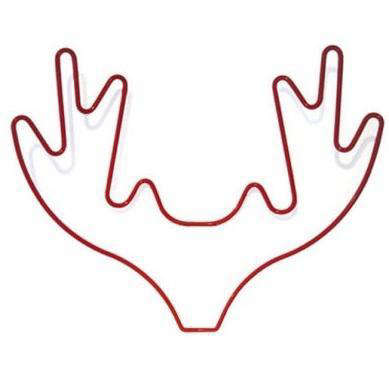
Some storage pieces politely do their job and disappear into the background. Then there is the antler coat rack, which walks into the entryway wearing boots, a wool coat, and the confidence of a cabin owner who definitely knows how to build a fire. It is part wall hook, part sculpture, part daily-life traffic controller. And when done well, it can turn a pile of coats, backpacks, hats, scarves, dog leashes, and “I’ll put it away later” items into a surprisingly stylish little moment.
The beauty of the high/low antler coat rack idea is simple: one version gives you designer drama, refined materials, and a conversation-starting silhouette; the other gives you a budget-friendly way to get the same playful storage energy without asking your wallet to go live in the woods. Both can work beautifully. The trick is knowing what you are really paying for, where the rack should go, and how to keep it from looking like a costume party for your hallway.
What Is an Antler Coat Rack?
An antler coat rack is a wall-mounted or freestanding rack inspired by the branching shape of deer, elk, or reindeer antlers. Some are literal and rustic, made to look like natural antlers. Others are modern interpretations, using powder-coated steel, molded resin, painted wood, ceramic, or metal hooks arranged in an antler-like form.
That branching design is not just decorative. Antlers naturally create multiple points for hanging, which makes them useful for coats, hats, lightweight bags, scarves, umbrellas, and kids’ jackets. In a small entryway, the shape can add vertical storage without requiring a bulky hall tree. In a mudroom, it can soften practical storage with a little personality. In a child’s room, it can make cleanup feel less like a chore and more like feeding a friendly wall animal named Captain Coatbeard.
The High/Low Design Idea
The phrase high/low usually compares a premium designer item with a more affordable alternative that creates a similar look. In the case of the antler coat rack, the “high” version is often associated with sleek designer interpretations, such as the well-known Thorsten Van Elten Antlers coat rack designed by Alexander Taylor. It uses a clean outline, contemporary material, and a witty visual idea: a coat rack that references antlers without turning your hallway into a hunting lodge.
The “low” version has historically included playful, mass-market antler-style racks such as IKEA’s Sprallig-style coat rack concept, which offered a cheerful, kid-friendly version at a fraction of the price. While specific models may come and go, the design lesson remains useful: you do not need to spend a designer-level amount to get a functional and charming antler-inspired storage piece.
High Option: The Designer Antler Coat Rack
The higher-end antler coat rack is usually about more than hanging jackets. It is about form, material, proportion, and how the piece reads when nothing is hanging on it. A designer version might use powder-coated steel wire, carefully shaped curves, and a bold color such as red, black, or blue. Instead of imitating real antlers too closely, it abstracts the shape, which makes it easier to use in modern apartments, minimalist homes, and contemporary family spaces.
Why the High Version Works
A premium antler coat rack often wins on visual restraint. That sounds funny when we are talking about antlers, but restraint is what keeps the design from becoming too theme-heavy. The best versions feel playful without shouting “Welcome to my ski lodge” unless, of course, you do own a ski lodge, in which case please invite everyone and provide cocoa.
Higher-end racks also tend to have better finishes and stronger materials. Powder-coated steel, for example, can handle daily use while keeping a crisp, clean look. The lines are thinner and more sculptural than many chunky rustic versions. When mounted on a white wall, painted paneling, or a colorful accent wall, the rack can almost behave like line art.
Best Places to Use the High Version
- Modern entryways: Use a black or red antler rack as a graphic focal point.
- Kids’ rooms: Choose a playful color and mount it at a reachable height.
- Small apartments: Pick a wall-mounted design to save floor space.
- Guest rooms: Add a rack near the door so visitors have a place for bags and jackets.
- Creative studios: Use it for tote bags, aprons, headphones, and lightweight gear.
Low Option: The Budget Antler Coat Rack
The low version is where the antler coat rack becomes delightfully democratic. Budget-friendly models often appear in resin, painted metal, plastic, or simple wood. Some are made for children’s rooms, some lean farmhouse, and some look like they wandered out of a holiday catalog but decided to stay all year.
A lower-priced antler rack can be a smart buy when you want the look without making a long-term design commitment. Maybe you are decorating a rental. Maybe your child suddenly wants a forest-themed room. Maybe your entryway needs help immediately and your current storage system is “chair near the door.” No judgment. The chair has served bravely.
Why the Low Version Works
The budget version works because the antler shape itself carries the style. Even with simpler materials, the branching outline creates instant character. It can also be easier to experiment with color. A white antler hook can blend into a pale wall. A bright red or yellow version can energize a mudroom. A black metal version can feel industrial. A faux wood or bronze finish can lean rustic.
The main trade-off is durability. Budget racks may have lower weight limits, lighter mounting hardware, or finishes that chip faster. That does not mean they are bad; it means they should be used thoughtfully. Hang kids’ coats, hats, scarves, or dog leashes. Avoid loading them with four heavy winter parkas, a wet backpack, and emotional baggage from Monday morning.
High vs. Low: Which One Should You Choose?
| Feature | High Antler Coat Rack | Low Antler Coat Rack |
|---|---|---|
| Best For | Design-focused entryways, modern homes, long-term use | Kids’ rooms, rentals, quick updates, budget decorating |
| Materials | Powder-coated steel, solid wood, quality metal | Resin, plastic, light metal, painted wood |
| Look | Sculptural, refined, playful but polished | Fun, casual, rustic, whimsical |
| Durability | Usually stronger and longer-lasting | Depends heavily on hardware and mounting |
| Price | Higher upfront cost | Lower cost and easier to replace |
Choose the high version if the rack will be visible every day in a main entryway and you want it to function as decor even when empty. Choose the low version if you need affordable storage, are decorating for kids, or want to test the antler look before committing. In other words: designer rack for the grown-up hallway, budget rack for the backpack battlefield.
How to Style an Antler Coat Rack Without Going Full Cabin
The biggest styling risk with an antler coat rack is turning a small entryway into a theme restaurant called “The Moody Moose.” To keep the look fresh, balance the organic shape with clean lines and simple materials.
Pair It With Modern Elements
If your rack is rustic or antler-shaped in a literal way, pair it with a slim modern bench, a simple mirror, or a flat-weave runner. The contrast makes the rack feel intentional instead of accidental. A black antler rack above a pale wood bench can look sharp and contemporary. A white rack on a colorful wall can feel cheerful and light.
Use It as a Single Statement
Let the coat rack be the visual joke. You do not also need antler lamps, antler pillows, antler wallpaper, and a sign that says “Antler You Glad You Came In?” One witty piece is charming. Twelve witty pieces is a committee meeting.
Add Baskets Below
A wall-mounted antler coat rack works beautifully with baskets underneath. Use one basket for shoes, one for scarves, and one for pet accessories. This creates a complete entryway drop zone without adding a bulky cabinet. For families, label the baskets by person or category so the system does not slowly become one large basket named “miscellaneous.”
Installation Tips: Height, Spacing, and Strength
A beautiful coat rack is only useful if people can reach it and it stays attached to the wall. For adults, coat hooks are commonly mounted around 60 to 66 inches from the floor. For children, 36 to 48 inches is often more practical. In a shared family entryway, consider two levels: higher hooks for adults and lower hooks for kids’ jackets, backpacks, and hats.
Spacing matters, too. Antler-shaped racks can be tricky because the branches may overlap visually. Before drilling, hold coats or bags against the wall to see how they will hang. Make sure the hooks are far enough apart that bulky items do not fight like siblings in the back seat.
Whenever possible, mount the rack into wall studs. If studs are not available, use wall anchors rated for the weight you expect the rack to hold. Read the product’s weight guidelines and be realistic. A decorative resin antler hook may be perfect for scarves and hats, but it is not the place for a fully loaded hiking pack unless you enjoy drywall repair as a weekend hobby.
Best Rooms for an Antler Coat Rack
Entryway
This is the classic location. An antler coat rack near the front door gives guests a clear place to hang coats and gives your family fewer excuses to drop everything on the nearest chair. Add a tray for keys and a small rug below to handle wet shoes.
Mudroom
In a mudroom, function comes first. Choose a sturdy rack with multiple hooks and combine it with a bench, shoe storage, and baskets. A metal antler rack can add personality without sacrificing durability.
Kids’ Room
An antler coat rack is especially good in a child’s room because it feels playful. Mount it low enough for daily use and assign each branch a category: jacket, backpack, hat, costume cape, or the mysterious tiny bag filled with rocks that must never be thrown away.
Bathroom
Use caution in bathrooms. Moisture can affect certain finishes, especially untreated wood or low-cost metal. If you love the look, choose a moisture-resistant material and use it for towels, robes, or bath brushes.
Bedroom
In a bedroom, an antler rack can hold tomorrow’s outfit, hats, scarves, or bags. It is especially useful in small bedrooms where a chair tends to become a clothing mountain with legs.
Materials to Consider
Powder-coated steel is one of the best choices for a modern antler coat rack. It is strong, sleek, and easy to clean. Wood offers warmth and works well in farmhouse, Scandinavian, and cabin-inspired spaces. Resin is affordable and can mimic natural antlers, but it may not be as strong. Cast iron feels traditional and durable, though it can be heavy and needs proper mounting.
For a more ethical or animal-friendly approach, faux antler designs are widely available and deliver the same visual effect without using real antlers. Many modern versions are not trying to fool anyone; they are simply borrowing the branching shape as a practical design language.
How to Keep the Rack Looking Good Every Day
The secret to attractive open storage is editing. Hooks are convenient, but they are also honest. They show exactly how many things your household believes can live by the door. To avoid visual clutter, keep only daily-use items on the rack. Store off-season coats in a closet. Move rarely used bags elsewhere. Give each family member one or two hooks, not an entire antler kingdom.
Color coordination also helps. A rack looks calmer when the items on it share a palette. This does not mean your family must dress like a catalog. It simply means you can reduce chaos by keeping neon sports gear, random tote bags, and holiday scarves in baskets or closed storage when not in use.
Experience Notes: Living With an Antler Coat Rack
The most interesting thing about an antler coat rack is how quickly it changes behavior. A plain hook rail often gets ignored because it looks purely practical. An antler rack, however, announces itself. People notice it, smile at it, and actually use it. In an entryway, that tiny bit of personality can be enough to turn a messy drop zone into a habit. The rack becomes a target: coats go here, hats go there, keys go in the tray below, and suddenly the front door area stops looking like a department store after a windstorm.
In homes with children, the playful shape is a major advantage. Lower-mounted antler hooks invite kids to hang their own jackets because the rack feels like part of the room, not a boring adult instruction. A bright color works especially well. Red, blue, yellow, or white can make the piece feel friendly rather than formal. The key is to keep the system simple. One hook for the backpack, one for the coat, one for the hat. Anything more complicated and the child will return to the ancient storage method known as “floor.”
In small apartments, the antler rack earns its keep by using wall space instead of floor space. A freestanding coat tree can be charming, but it also steals precious square footage and may wobble when overloaded. A wall-mounted antler rack keeps the pathway clear, which is important in narrow halls. It also creates a decorative focal point where there may not be room for a console table, large artwork, or bench. Add a shallow shelf nearby and the entryway suddenly feels designed, not improvised.
One practical lesson: do not overload the ends of decorative branches. Even sturdy racks have limits, and the outer points of an antler shape can create leverage. Heavy bags should go on the strongest central hooks or on a separate peg mounted into a stud. Lighter items, such as scarves and hats, can live on the outer tips. This keeps the rack balanced and prevents the sad, dramatic moment when a beautiful wall hook gives up and takes a patch of drywall with it.
Another experience-based tip is to style the wall around the rack with restraint. The antler shape already has movement, so nearby decor should be calm. A round mirror, a narrow bench, a woven basket, or a simple runner is usually enough. Too many competing shapes make the area feel busy. Think of the rack as the lead singer and the rest of the entryway as the band. Everyone gets to play, but nobody needs a 12-minute solo.
The best antler coat rack is not necessarily the most expensive one. It is the one that matches your daily routine. If your household owns heavy winter coats and loaded work bags, invest in a strong metal or wood version with serious mounting hardware. If you want a whimsical accent for a child’s room, a budget-friendly faux antler rack may be perfect. If you rent, look for lighter options and consider over-door or damage-minimizing alternatives when drilling is not allowed.
Ultimately, the antler coat rack succeeds because it makes storage visible in a good way. It admits that everyday life comes with stuff, then gives that stuff a better place to land. It is practical, funny, sculptural, and just dramatic enough to make hanging up a jacket feel like a design decision. That is a rare achievement for something whose job is basically “hold this.”
Final Verdict: Should You Go High or Low?
Go high if you want a long-lasting design object that works as wall art when empty. A premium antler coat rack is ideal for a polished entryway, modern mudroom, or stylish family space where every visible piece matters. Go low if you want a cheerful storage fix, a child-friendly hook system, or a low-risk way to try the antler trend. Either way, choose strong hardware, mount it at the right height, and keep the surrounding area edited.
The antler coat rack may be whimsical, but it is not silly. It solves a real storage problem while adding shape, humor, and personality to a hardworking part of the home. In a world full of plain hooks, the antler rack has the good manners to be useful and the nerve to be interesting. That is a pretty good deal, whether you spend designer money or keep things budget-smart.
Note: Named products and prices are used as design references; availability and pricing may change over time. Always check current product details, dimensions, and mounting requirements before purchasing.










