
Note: This article is written from publicly reported information and treats the Vanity Fair polygraph segment as entertainment content, not scientific proof of dishonesty.
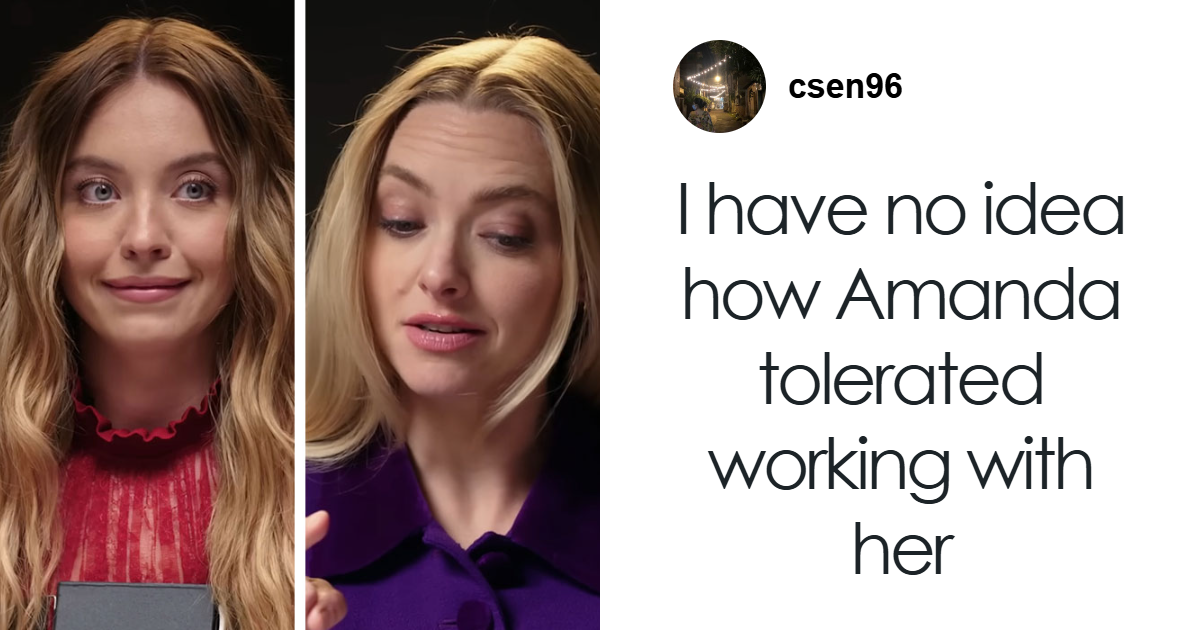
Sydney Sweeney has spent the last few years proving that a person can be everywhere at once: prestige HBO drama, glossy romantic comedy, horror-adjacent thrillers, fashion campaigns, magazine covers, red carpets, andbecause the internet apparently needed one more snackviral lie detector clips. Her latest headline-grabbing moment came from a Vanity Fair lie detector test with her The Housemaid co-star Amanda Seyfried, where one playful question turned into a full social media courtroom session.
The question was not about a secret crime, a Hollywood feud, or whether she steals robes from luxury hotels. It was much funnier and much more internet-ready. Seyfried asked Sweeney about her famously disciplined routine: functioning on very little sleep, avoiding coffee, and mostly drinking water. Then came the punchline: did Sydney think she was better than everyone else?
Sweeney answered no. The polygraph operator called the answer deceptive. Cue the dramatic music, the comment-section confetti cannon, and approximately 14 million people suddenly becoming experts in both celebrity psychology and hydration ethics.
What Happened During Sydney Sweeney’s Lie Detector Test?
The Vanity Fair video featured Sydney Sweeney and Amanda Seyfried promoting The Housemaid, the film adaptation of Freida McFadden’s best-selling psychological thriller. The format was simple: one actress gets connected to the polygraph machine while the other asks questions ranging from silly to uncomfortable. In other words, it was not a Senate hearing. It was celebrity promo with a side of chaos.
Early in the segment, Sweeney appeared nervous but game. She answered questions about whether she had read The Housemaid before being cast, whether her roles in biopics were connected to keeping the “real her” private, whether she had recently cleaned her bathroom, and whether she had any strange internet habits. Many of those answers were marked as truthful.
Then Seyfried leaned into Sweeney’s ultra-disciplined public image. Sweeney has previously spoken about being able to function on two hours of sleep, not drinking coffee, and drinking mostly water. For most people, that lifestyle sounds less like wellness and more like a software update that forgot to include joy. Seyfried asked whether Sweeney thought she was “better than all of us.” Sweeney laughed and said no. The operator responded that the answer was deceptive.
The moment got even funnier when follow-up questions about whether eight hours of sleep was too much and whether Sweeney considered herself more disciplined also failed to land as fully truthful. Sweeney laughed it off, but the internet did not simply laugh and move on. The internet never moves on. It rents a tiny apartment inside a moment and starts decorating.
Why Did People Slam Sydney Sweeney?
The backlash was not really about coffee, sleep, or water. Nobody was truly furious that an actress might secretly judge latte people. The reaction was bigger because Sweeney had already been at the center of several public debates, including body speculation, beauty standards, social media criticism, and the controversial American Eagle “great jeans” campaign.
For some viewers, the lie detector clip confirmed an image they had already built in their minds: Sydney Sweeney as polished, ambitious, controlled, and perhaps a little too aware of how powerful that image can be. For others, the reaction felt wildly overblown. After all, being teased by a polygraph for possibly thinking coffee addicts need help is not exactly a scandal that requires a congressional subcommittee.
Still, the moment worked because it touched a nerve. Modern celebrity culture loves authenticity, but only the kind that arrives pre-packaged, lightly filtered, and emotionally available on demand. If a star is too messy, they are criticized. If they are too disciplined, they are criticized. If they say they sleep two hours and drink water, people ask if they are human. If they admit they judge us for our third iced coffee, people act betrayed. Celebrities are expected to be relatable, but not too relatable; confident, but not arrogant; glamorous, but also somehow surprised that they are famous.
The Polygraph Problem: Lie Detector or Viral Theater?
Here is the part every headline should probably include in large friendly letters: polygraphs do not literally detect lies. They measure physical responses such as breathing, heart rate, blood pressure, and sweating. Those signals can change because someone is nervous, amused, embarrassed, irritated, or trying very hard not to laugh while Amanda Seyfried asks them if they are superior to coffee drinkers.
That is why the Vanity Fair format is best understood as entertainment. The fun comes from the tension, the awkward pauses, and the celebrity reactionsnot from treating the machine like a magical truth wizard. A polygraph result in a promotional video should not be treated as a final moral verdict. It is more like a party game with wires.
In Sweeney’s case, the “deceptive” result did not reveal a hidden conspiracy. It created a comic contradiction between her answer and her public image. She said she did not think she was better than everyone else, while the test suggested otherwise. The joke practically wrote itself: America’s water-drinking, no-coffee, two-hours-of-sleep productivity machine may, in fact, think the rest of us are weak little croissant people.
How Amanda Seyfried Made the Moment Work
A big reason the clip spread is Amanda Seyfried’s delivery. She did not ask the question like a prosecutor. She asked it like a friend who had been waiting all week to lovingly roast someone. Seyfried’s energy kept the segment from feeling cruel. She was playful, quick, and just mischievous enough to turn a basic promo interview into a viral exchange.
The chemistry between Seyfried and Sweeney mattered. Both actresses are promoting a thriller built around secrets, power, class tension, and hidden motives, so a lie detector test was a clever marketing fit. The format allowed them to play with the movie’s themes without spoiling the plot. It also gave audiences the kind of candid-seeming celebrity content that travels well on TikTok, YouTube Shorts, Instagram Reels, and entertainment news sites.
Seyfried also helped humanize the segment. She joked, laughed, pushed, and softened the mood when questions got personal. The result felt less like a takedown and more like two co-stars participating in a high-gloss sleepover game, except the sleepover had professional lighting, a polygraph operator, and a global audience ready to screenshot everything.
Sydney Sweeney’s Public Image Is Complicated
Sydney Sweeney is not just another actress in a press cycle. She has become a symbol people project onto. Some admire her work ethic, business instincts, and ability to move between serious drama and commercial entertainment. Others criticize how she is marketed, how brands use her image, and how often public conversation about her turns toward appearance instead of craft.
That tension is part of why the lie detector clip became bigger than the clip itself. Sweeney is known for Euphoria, The White Lotus, Anyone But You, Immaculate, and The Housemaid. She has built a career on roles that often explore vulnerability, performance, desire, ambition, and public judgment. Off screen, she is also judged through many of those same lenses.
When she denied plastic surgery rumors during the lie detector segment, the response was reported as truthful. She had also addressed similar rumors in other interviews, saying she had never had cosmetic work done and pointing out that comparing childhood photos to adult red-carpet images is unfair. That part of the conversation matters because it shows how easily celebrity discourse slides from a performance review into a body audit. Nobody needs a microscope, a conspiracy board, and twelve old yearbook photos to discuss an actress’s career.
The American Eagle Backlash Added Fuel
The reaction to Sweeney’s lie detector test also arrived after the American Eagle “great jeans” campaign controversy. That ad campaign played on the words “jeans” and “genes,” which many viewers criticized as tone-deaf because of how the wordplay intersected with race, beauty standards, and genetic language. Others argued that critics were overanalyzing a denim advertisement.
Whether people loved or hated the campaign, it kept Sweeney in the center of a cultural debate. By the time the Vanity Fair clip dropped, some viewers were already primed to interpret her public appearances through that controversy. A joke about discipline and superiority became, for critics, another small piece in a bigger argument about image, privilege, and celebrity branding.
This is how modern backlash works. Rarely does one moment stand alone. A quote, a clip, a campaign, a facial expression, and a three-second laugh can all get stitched together into a larger narrative. Sometimes that narrative is fair. Sometimes it is a digital snowball rolling downhill with a tiny hat on.
Was Sydney Sweeney Actually “Caught Lying”?
Technically, the polygraph operator described the answer as deceptive. But saying Sweeney was definitively “caught lying” is stronger than the evidence supports. A better reading is that the entertainment test flagged her response, and viewers ran with it because the moment was funny, memeable, and connected to an existing public image.
There is also a difference between deception and playful self-denial. Plenty of disciplined people do not want to admit they feel superior when they make healthier choices. Someone who wakes up early, avoids caffeine, drinks water, and works constantly might not consciously think, “I am better than everyone.” But they might still feel a tiny spark of pride when watching the rest of us negotiate with a cold brew like it is a life partner.
Sweeney’s laugh suggested she understood the joke. The audience understood it too. The problem is that online culture often turns jokes into verdicts. A funny “gotcha” becomes proof of character. A lighthearted answer becomes a personality diagnosis. Suddenly, a celebrity who maybe thinks eight hours of sleep is excessive is being treated like she personally stole the nation’s pillows.
Why This Clip Was Perfect Viral Content
The clip had every ingredient needed for viral entertainment: a famous actress, a beloved co-star, a lie detector machine, a question about superiority, and an answer that immediately backfired. It was short, funny, and easy to summarize in a headline. It also invited viewers to pick sides. Was Sweeney being arrogant? Was she joking? Was the backlash ridiculous? Was Amanda the real star of the segment? Does anyone actually survive on two hours of sleep? Should coffee drinkers form a support group?
That last question may be personal.
The moment also worked because it mixed admiration and annoyance. Many people respect Sweeney’s discipline. Hollywood is not a casual industry, and staying booked, visible, and relevant requires relentless work. But discipline can look intimidating from the outside. When a celebrity says she does not need coffee and can function on very little sleep, audiences may hear inspirationor they may hear a wellness goblin whispering, “You are weak.”
What This Says About Celebrity Authenticity
The Sweeney lie detector drama reveals how hungry audiences are for “real” celebrity moments. Traditional interviews can feel polished. Red carpets can feel rehearsed. Social media posts can feel managed. A lie detector test gives the illusion that the mask is slipping, even when the whole setup is still carefully produced.
That illusion is powerful. Viewers want stars to be honest, but they also want honesty to be entertaining. If a celebrity says something too ordinary, nobody cares. If they say something too polished, nobody believes it. If a machine accuses them of lying about whether they think they are better than everyone, congratulations: the internet has dinner.
Sweeney’s situation also shows the limits of relatability as a celebrity strategy. She is a successful actress with major roles, brand deals, and global attention. She is not going to seem like the average person, and forcing that comparison can get awkward. Sometimes the more honest celebrity answer would be: yes, my life is strange, my schedule is intense, my job is weird, and no, I do not live like a normal person. That kind of answer might not be perfectly relatable, but it would be refreshingly direct.
Experience Section: What We Can Learn From the Sydney Sweeney Lie Detector Backlash
For writers, marketers, publicists, and anyone who has ever watched a harmless joke become a five-alarm internet fire, the Sydney Sweeney lie detector moment is a useful case study. The first lesson is that context follows a celebrity everywhere. Sweeney did not enter that Vanity Fair room as a blank slate. She entered with years of roles, headlines, fan opinions, criticism, fashion campaigns, interviews, and social media narratives attached to her name. When the polygraph flagged her answer, people did not react only to the answer. They reacted to the Sydney Sweeney they already believed they knew.
The second lesson is that playful formats can create serious headlines. A lie detector test sounds silly, and in many ways it is. But a single word like “deceptive” has enormous headline power. It creates conflict instantly. It suggests hidden truth. It makes readers click because they want to know what was exposed. This is why entertainment publishers love these moments. They are low-stakes enough to be fun but dramatic enough to generate debate.
The third lesson is that humor does not always protect a public figure. Sweeney laughed. Seyfried laughed. The room laughed. But once the clip moved outside the original video, the tone changed. A viewer who sees only a short edit may miss the friendly rhythm between the actresses. A headline may emphasize “caught lying” without the playful setup. A social media post may frame the moment as arrogance rather than comedy. By the time the content reaches its fifth repost, the original mood can be completely different.
The fourth lesson is that audiences are increasingly skeptical of celebrity branding. People know stars are promoted through carefully arranged interviews, strategic magazine features, and brand-safe revelations. A lie detector test appears to puncture that polish, which is why viewers enjoy it. But that does not mean the format is pure truth. It is still content. It is still edited. It is still designed to entertain. The smartest audience response is to enjoy the joke without pretending the machine has delivered a final judgment on someone’s soul.
The fifth lesson is about public image management. If a celebrity is already facing criticism, every new appearance becomes a chance for people to re-litigate the old controversy. Sweeney’s American Eagle backlash did not vanish when she moved on to The Housemaid promotion. It remained part of the conversation. That is the challenge of modern fame: old debates travel alongside new projects like emotional carry-on luggage.
For content creators, this moment also demonstrates why nuance matters. A catchy headline can attract readers, but the article underneath should not flatten the story into “Sydney lied, case closed.” A stronger piece explains the segment, the joke, the backlash, the limitations of polygraphs, and the broader celebrity culture around Sweeney. That gives readers entertainment and substance, which is the sweet spot for SEO content that does not feel like it was assembled by a keyword blender.
Finally, the experience reminds us that people enjoy watching famous people be slightly embarrassedespecially when the embarrassment is harmless. Sweeney being flagged as deceptive about feeling superior to coffee drinkers is funny because it is small, human, and oddly believable. The backlash became excessive because the internet often struggles with portion control. A snack becomes a banquet. A joke becomes a trial. A polygraph clip becomes a cultural referendum.
Conclusion: A Funny Clip Became a Bigger Conversation
Sydney Sweeney’s Vanity Fair lie detector moment was not a career-ending scandal, nor was it proof that she secretly looks down on everyone clutching a morning cappuccino. It was a funny, awkward, perfectly viral exchange that landed at the intersection of celebrity branding, public skepticism, and internet overreaction.
Yes, the test marked her answer as deceptive. Yes, some people slammed her. Yes, others defended her and enjoyed the chemistry between her and Amanda Seyfried. But the real story is bigger than one “no” that did not pass a polygraph. It is about how fast entertainment becomes judgment, how easily jokes become evidence, and how modern celebrity culture demands authenticity while punishing stars for revealing even a slightly inconvenient version of it.
In the end, Sweeney probably survived the toughest question of all: not “Are you better than us?” but “Can the internet handle a joke?” The polygraph results on that one are not looking great.














