
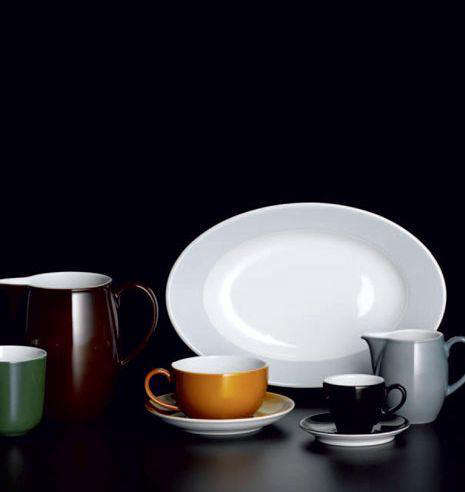
Some tableware whispers. Some tableware shouts. Dibbern Solid-Colored Tableware does something more interesting: it walks into the dining room wearing a perfectly tailored linen jacket in paprika, pistachio, midnight blue, or chocolate and says, “Yes, dinner can have a personality.”
In a world crowded with trendy speckled stoneware, delicate floral plates, and dishes that look stunning until spaghetti sauce enters the chat, Dibbern’s Solid Color collection feels refreshingly confident. It is simple, glossy, colorful, and disciplined. No busy patterns. No theatrical rims. No “look at me” embossing. Just pure form, strong color, and the kind of German-made precision that makes a salad plate feel like it has a résumé.
This guide explores what makes Dibbern Solid Color tableware special, how to style it, what to know before buying, and why solid-colored dinnerware can turn an everyday table into something quietly luxurious. We will also look at practical care, color combinations, hosting ideas, and real-life experiences with using bold tabletop pieces at home.
What Is Dibbern Solid-Colored Tableware?
Dibbern is a German tableware brand known for clean design, quality materials, and a modern approach to traditional craftsmanship. The company’s broader catalog includes porcelain, Fine Bone China, glassware, cups, bowls, serving pieces, and tabletop accessories. Its Solid Color collection is one of the brand’s most recognizable lines because it takes a beautifully simple shape and gives it a wide, expressive color palette.
The Solid Color idea is not complicated, and that is exactly the point. Each plate, cup, saucer, bowl, and serving piece uses a single, saturated color. Instead of relying on decoration, the design depends on proportion, finish, and the relationship between color and food. The result is tableware that can look minimal, playful, formal, casual, artistic, or quietly expensive depending on how you arrange it.
A Tableware Collection Built Around Color
The magic of Dibbern Solid Color is flexibility. A white dinner plate can be paired with a tangerine salad plate. A blush cup can sit beside a clay bowl. A chocolate charger can make cream-colored pasta look like it belongs on a restaurant menu. The collection is often described by retailers as offering dozens of shades, while Dibbern’s current official collection highlights an expansive palette with contemporary colors such as tangerine, pistachio, morning blue, khaki, indigo, clay, blush, chocolate, gold, and platinum.
That means shoppers are not locked into a boxed set where every piece matches like a hotel conference room. Instead, Dibbern invites mixing. You can build a calm neutral table, a coastal breakfast set, a jewel-toned dinner party, or a cheerful weekend brunch table that looks like it knows where the good orange juice is hidden.
Why Solid-Colored Dinnerware Works So Well
Solid-colored tableware has a design advantage: it creates visual impact without visual clutter. Patterned plates can be beautiful, but they compete with food. A plate covered in vines, birds, gold dots, and emotional baggage may not be the best stage for roasted carrots or a dramatic slice of chocolate cake. Dibbern’s solid colors act more like a gallery wall: they frame the meal and let the food shine.
Color Changes the Mood of the Meal
A white plate feels classic and clean. A navy plate adds depth. A pale blue plate feels fresh and relaxed. A warm brown or clay tone makes food feel earthy and grounded. Pink or blush can soften a breakfast setting. Green works beautifully with salads, herbs, citrus, and grilled vegetables. Black creates contrast for pale foods like burrata, risotto, eggs, or vanilla desserts.
That is the quiet power of Dibbern Solid Color tableware. You are not just choosing dishes; you are choosing atmosphere. A weeknight bowl of soup can feel cozy. A composed salad can feel intentional. A simple croissant can look like it studied abroad.
It Supports the Mix-and-Match Hosting Trend
Modern hosting has become less rigid. Many home entertainers are moving away from perfectly matched formal place settings and toward tables that feel personal, layered, and lived-in. Dibbern fits that shift beautifully because the collection makes mixing look deliberate rather than accidental. Two colors can feel elegant. Three colors can feel editorial. Five colors can feel like a dinner party hosted by someone who owns both good olive oil and excellent stories.
Design and Craftsmanship: Simple Does Not Mean Basic
Minimal design is risky because there is nowhere to hide. When a plate has no pattern, every curve matters. When a cup has no decorative flourish, the handle, weight, rim, and glaze have to do all the work. Dibbern’s appeal comes from this discipline. The pieces are clean, balanced, and refined, with a form that has roots in classic modern tableware design.
The brand is associated with German manufacturing and a commitment to long-lasting design. Dibbern’s official materials emphasize craftsmanship, durability, and the idea of tableware that endures beyond seasonal trends. That matters because luxury dinnerware should not feel like a fragile museum object. It should be beautiful enough for guests and practical enough for the person loading the dishwasher after everyone leaves.
Porcelain, Finish, and Everyday Performance
Solid Color pieces are commonly presented as high-quality porcelain tableware, with many retailers emphasizing the collection’s functional nature as well as its style. Porcelain is valued for its smooth surface, refined appearance, and ability to feel elegant without being overly heavy. Compared with rustic stoneware, Dibbern’s glossy color and crisp silhouette feel more tailored. Compared with plain white china, it offers more personality.
Care guidance is important. Dibbern states that Solid Color is generally dishwasher safe, with exceptions including Signal Red, Plum, Gold, and Platinum. It is generally microwave safe except for metallic Gold and Platinum pieces. That means buyers should always check care details for the specific color and item they purchase. In other words, do not put a platinum-rimmed piece in the microwave unless you want your appliance to reenact a tiny electrical opera.
How to Style Dibbern Solid Color Tableware
The biggest mistake people make with colorful tableware is thinking they need to use every color at once. You can, of course, but the table may start looking like a very elegant kindergarten art cabinet. The secret is to build a palette.
1. The Neutral Foundation
Start with white, cream, sand, clay, or gray as your foundation. These shades are easy to live with and work across breakfast, lunch, dinner, holidays, and leftovers eaten while standing at the kitchen counter. A neutral dinner plate gives you room to add color through salad plates, bowls, cups, napkins, flowers, or glassware.
2. The Two-Color Table
A two-color setup is the easiest way to look polished. Try white and indigo for a crisp modern table. Pair blush and gray for a soft brunch setting. Use chocolate and cream for a warm fall dinner. Combine pistachio and white for spring vegetables, fish, or lemony pasta. The table feels coordinated without looking stiff.
3. The Tonal Table
A tonal table uses related shades. For example, combine clay, chocolate, and sand for a warm earth palette. Or mix morning blue, navy, and white for a coastal mood. Tonal styling is excellent for people who want color but still prefer calm design. It says, “I have taste,” not “I lost a fight with a paint deck.”
4. The Accent Plate Strategy
If you are nervous about investing in colorful dinnerware, start with accent pieces. Buy dessert plates, mugs, small bowls, or serving dishes in one strong shade. Use them with your existing white dinner plates. This approach is budget-friendlier and lets you test how a color behaves in your home’s lighting.
Best Uses for Dibbern Solid-Colored Tableware
Dibbern Solid Color works well for many settings because the shape is simple and the colors can shift from casual to formal. It is especially strong in the following situations.
Everyday Dining
A good plate should make scrambled eggs, grain bowls, takeout sushi, and Sunday roast chicken all feel welcome. Dibbern’s clean form handles everyday food gracefully. The color adds pleasure without demanding a centerpiece, a playlist, or a linen napkin folded into a swan.
Dinner Parties
For hosting, Solid Color tableware gives you instant atmosphere. Use darker plates for dramatic dinners, lighter shades for daytime meals, and mixed colors for relaxed gatherings. Because the pieces are solid, you can layer them with patterned napkins, flowers, candles, or colored glassware without the table looking chaotic.
Holiday Tables
The collection is useful for holidays because you can imply a seasonal mood without buying novelty dishes shaped like pumpkins, snowflakes, or patriotic eagles. Chocolate, clay, and cream feel autumnal. Red and white feel festive. Blue and white can feel wintry. Pistachio and blush feel fresh for spring.
Open Shelving and Display
If you have open kitchen shelves or a glass-front cabinet, Dibbern Solid Color is display-friendly. Stacked plates in related colors create a quiet design moment. A row of mugs in different shades can make the kitchen look collected rather than cluttered. It is functional decor, which is the best kind because it earns its rent.
Buying Tips: How to Build a Dibbern Collection Without Panic
Luxury tableware can be an investment, so it helps to build slowly and strategically. You do not need a 12-person dinner service on day one unless you routinely host ambassadors, in-laws, or pasta nights with alarming attendance numbers.
Start With the Pieces You Actually Use
Look at your real habits. If you eat more bowls than plated meals, start with bowls. If you drink coffee every morning, choose mugs or cups first. If you host often, focus on dinner plates and serving pieces. The best tableware collection is not the most complete one; it is the one you reach for without needing a user manual.
Choose a Base Color
Select one dependable base shade. White, cream, gray, sand, or clay are practical choices. Then add one or two accent colors. This keeps your collection flexible and prevents the “I bought eight beautiful colors and now nothing matches my soup” problem.
Think About Replacement and Expansion
One advantage of a long-running collection is that it is easier to add pieces over time. Solid Color has been part of Dibbern’s identity for decades, and the palette continues to evolve with new shades. Still, colors can change, so if you are building a large matching set, buy key pieces in the same purchase window when possible.
Care and Maintenance
Dibbern tableware is designed to be used, but care still matters. Follow the brand’s instructions for each color and finish. Most Solid Color pieces are dishwasher safe, but certain special colors and metallic finishes require extra caution. Gold and Platinum should not go in the microwave. Handwashing may be the safer choice for pieces with delicate or special finishes.
To preserve the surface, avoid harsh abrasive pads. Load the dishwasher so plates do not knock against each other during the cycle. Store bowls and plates carefully, especially if you stack many pieces. A thin separator can help if you are protective of glossy finishes. Yes, this sounds slightly fussy, but so is replacing a beautiful plate because it fought a serving bowl and lost.
Pros and Considerations
What Makes It Worth Considering
Dibbern Solid Color tableware offers a rare combination of modern design, strong color, and long-term flexibility. It suits people who appreciate minimalist form but do not want a boring table. It also works for collectors because the color range allows gradual expansion. The pieces can be styled casually or formally, and they mix well with white china, wood boards, linen napkins, stainless flatware, and colored glass.
What to Think About Before Buying
The main consideration is commitment. Colorful dinnerware is more personal than plain white dishes. A shade that looks gorgeous online may behave differently under your kitchen lighting. Deep colors may show water spots or utensil marks more than pale shades. Special finishes need more careful handling. And because Dibbern is premium tableware, shoppers should plan purchases thoughtfully rather than panic-buying because a bowl looked charming at 11:47 p.m.
Experience: Living With Dibbern Solid-Colored Tableware at the Table
The real charm of solid-colored tableware appears after the unboxing, when the pieces stop being “nice dishes” and become part of daily rituals. Imagine a Saturday morning breakfast with a pale blue cup, a white plate, and a small blush bowl filled with berries. Nothing about the meal is complicated, but the table feels awake. The color does half the decorating before you even remember where you put the butter knife.
For weeknight dinners, Dibbern-style color can make routine meals feel less routine. A simple tomato pasta on a white plate is classic. The same pasta on a deep clay or chocolate plate feels warmer and more intentional. A green salad in a pistachio bowl looks layered instead of lonely. Scrambled eggs on a dark plate suddenly seem restaurant-adjacent, even if you are eating them in slippers while answering emails.
Hosting with solid-colored tableware is especially satisfying because it gives you control without requiring complicated styling. One practical approach is to set the dinner plate in a calm neutral and use a different colored salad plate for each guest. The table looks collected and joyful, but no one needs to know that the centerpiece is just grocery-store flowers trimmed aggressively with kitchen scissors. Add linen napkins, simple flatware, and clear glassware, and the setting feels elegant without being precious.
Another experience worth noting is how color changes conversation. Guests notice it. They ask about the plates. They comment on the combinations. Unlike heavily patterned china, which can feel formal or inherited, solid-colored tableware feels personal and modern. It gives people permission to relax. A table with mixed Dibbern colors says dinner matters, but it does not say anyone will be judged for using the wrong fork.
There is also pleasure in building a collection slowly. One month, you add two mugs. Later, you choose a serving bowl. Then perhaps dessert plates in a shade you would never choose for a wall but absolutely love under lemon tart. Over time, the cabinet becomes a palette. You stop thinking in sets and start thinking in moods: blue for seafood night, clay for roasted vegetables, blush for brunch, chocolate for winter desserts, white when the food needs the spotlight.
The everyday experience is not only visual. Good tableware changes how meals feel in the hand. A balanced cup, a smooth rim, a plate with the right weightthese small details make daily eating more pleasant. Nobody needs luxury dishes to enjoy dinner, of course. But beautiful, usable objects have a way of slowing things down. They remind you that the table is not merely a landing pad for calories. It is a place where design, food, mood, and people meet.
That may be the best argument for Dibbern Solid-Colored Tableware. It is not decoration pretending to be useful. It is useful design that happens to make the table happier. And in a home full of blinking appliances, mystery chargers, and at least one drawer that refuses to close, a plate that simply looks beautiful and does its job well can feel like a small domestic miracle.
Conclusion
Dibbern Solid-Colored Tableware is for people who love clean design but still want personality at the table. Its strength lies in the balance between restraint and expression: simple shapes, rich colors, practical forms, and enough mix-and-match freedom to keep meals from feeling visually flat. Whether you choose a quiet neutral set, a bold accent color, or a full cabinet of carefully arranged shades, the collection can make everyday dining feel more thoughtful and entertaining feel more effortless.
The best way to approach Dibbern is not to chase every color. Start with how you eat, how you host, and what mood you want your table to create. Choose a foundation, add accents, care for each piece properly, and let the collection grow naturally. Done well, solid-colored tableware becomes more than dinnerware. It becomes part of the rhythm of home: morning coffee, quick lunches, long dinners, birthday cake, soup on rainy nights, and all the ordinary meals that deserve better than being served on autopilot.
Note: This article is written as original web-ready content in standard American English. It synthesizes real product information, care guidance, tabletop design trends, and practical dining experience without copying source text or inserting unnecessary citation placeholders.













