
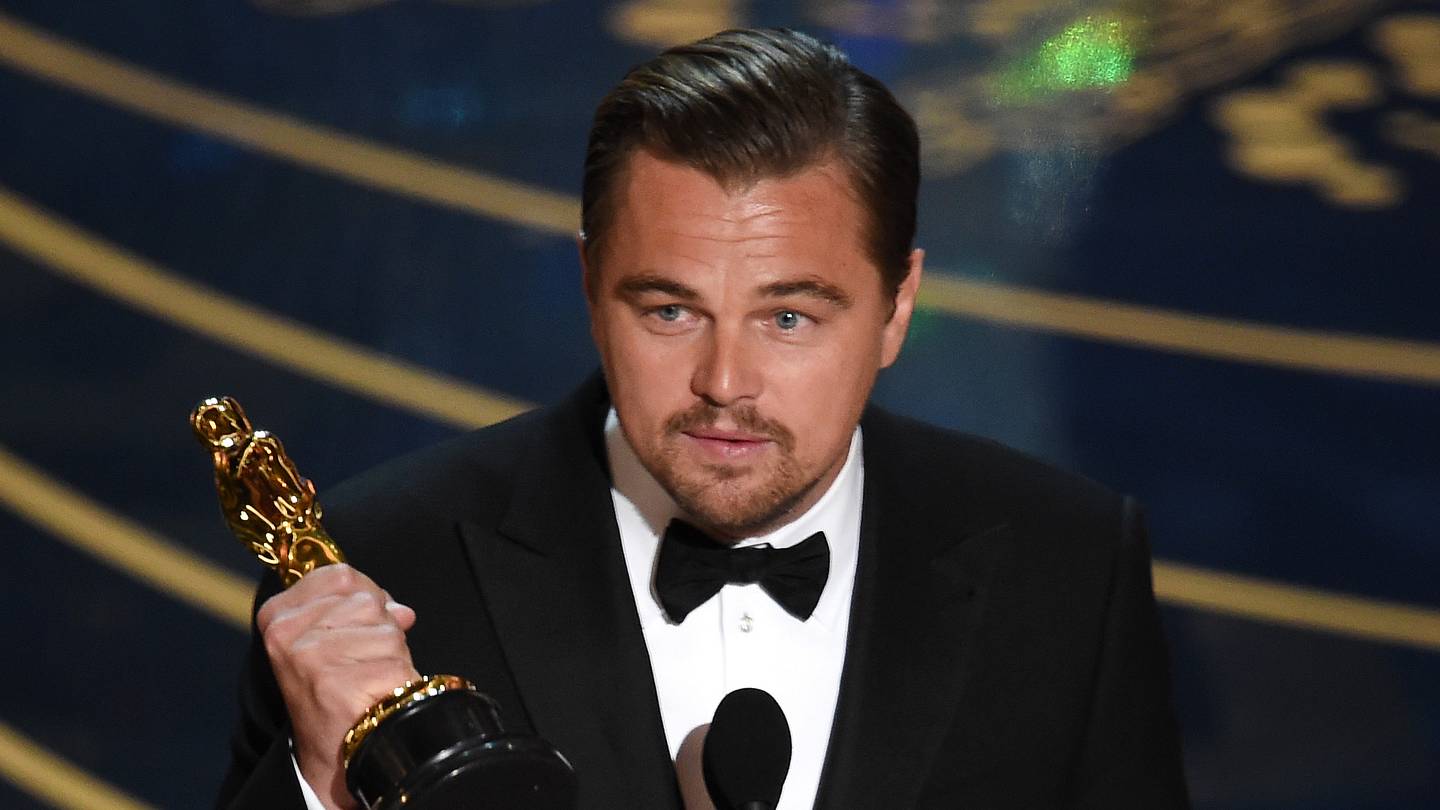
Some Oscar winners thank their agents. Some thank their parents. A few thank the entire solar system before the orchestra politely threatens them with violins. But every so often, an Academy Awards acceptance speech becomes more than a thank-you list. It becomes a cultural moment.
The best Oscar acceptance speeches live long after the red carpet has been rolled up and the champagne flutes have been rescued from under celebrity seats. They are quoted, replayed, parodied, debated, and remembered because they capture something bigger than a golden statue. Joy. Shock. History. Protest. Representation. A perfectly timed joke. A person trying not to cry and failing beautifully.
This list of the 10 most popular Oscar acceptance speeches of all time is not just about who won. It is about who turned 45 seconds at a microphone into a memory the public kept. Popularity here means a mix of cultural impact, emotional power, media attention, replay value, quotability, and how strongly the moment still echoes in Academy Awards history.
What Makes an Oscar Acceptance Speech Popular?
An Oscar speech usually starts with panic disguised as gratitude. The winner reaches the stage, looks at the audience, and suddenly remembers that half the world is watching. What happens next determines whether the speech becomes a polite footnote or an unforgettable moment in Hollywood history.
The most popular Oscar speeches usually share a few ingredients. First, they feel honest. Audiences can sense when someone is reading a list and when someone is speaking from the ribs. Second, they connect a personal win to a larger story. A trophy may belong to one person, but a great speech makes millions of viewers feel included. Third, they have a memorable line, image, or gesture that sticks. Sometimes it is elegant. Sometimes it is wildly chaotic. Sometimes it is both.
With that in mind, here are the Oscar acceptance speeches that became part of pop culture, public memory, and award-season legend.
1. Sally Field, Best Actress for Places in the Heart (1985)
Sally Field’s 1985 speech is one of the most quoted Oscar moments ever, even though many people quote it slightly wrong. The popular version became “You like me, you really like me,” but her real sentiment was even more vulnerable. After years of fighting to be taken seriously as an actress, Field let the emotion rush out in a way that felt startlingly human.
Why did it become so famous? Because it captured the secret wish behind every award show: not just to win, but to be understood. Field was not delivering a polished campaign slogan. She was responding in real time to acceptance, validation, and relief. The moment was sincere, a little messy, and completely unforgettable.
In today’s social media world, the clip would have become a GIF before the orchestra reached the second violin. Decades later, it still works because it says the quiet part out loud. Everyone wants to be liked. Very few people say it on the Oscar stage with that much open-hearted honesty.
2. Tom Hanks, Best Actor for Philadelphia (1994)
Tom Hanks’ acceptance speech for Philadelphia remains one of the most powerful Oscar speeches because it transformed a personal victory into a moment of public compassion. The film dealt with AIDS, stigma, and discrimination, and Hanks used his time at the microphone to honor people whose lives and struggles had shaped his understanding of the role.
The speech was emotional without becoming theatrical. Hanks spoke with the kind of sincerity that made the room feel smaller and quieter. In an era when public conversations about AIDS were often clouded by fear and prejudice, his words helped bring dignity and visibility to people who had too often been pushed to the margins.
It is popular not because it was flashy, but because it had moral weight. Hanks did what great Oscar winners sometimes do: he reminded everyone that acting can be more than performance. It can be witness.
3. Cuba Gooding Jr., Best Supporting Actor for Jerry Maguire (1997)
If pure joy had legs, it would probably sprint across the Oscar stage exactly like Cuba Gooding Jr. His 1997 acceptance speech for Jerry Maguire is the gold standard for award-show exuberance. Gooding knew the clock was against him, but he did not surrender quietly. As the music swelled, he shouted thanks louder, faster, and with the energy of someone trying to hug the entire Dolby Theatre at once.
What makes the speech so beloved is its refusal to be contained. It was not smooth. It was not calm. It was not trying to be cool. That was the charm. Gooding seemed overwhelmed by gratitude, and the audience responded with a standing ovation because the emotion felt contagious.
Many Oscar speeches are remembered for their words. This one is remembered for its velocity. It was a celebration with a microphone, and the orchestra never stood a chance.
4. Roberto Benigni, Best Foreign Language Film for Life Is Beautiful (1999)
Roberto Benigni did not merely accept an Oscar. He climbed into Oscar history with both feet and, famously, across the tops of seats. When Life Is Beautiful won Best Foreign Language Film, Benigni reacted with the kind of theatrical delight that made even seasoned Hollywood stars look like delighted schoolchildren.
His speech was joyful, poetic, and gloriously unrestrained. He thanked the audience, praised love, and seemed almost physically unable to contain his happiness. In a ceremony often governed by elegance and schedule anxiety, Benigni brought the energy of a man who had just discovered gravity was optional.
The popularity of this Oscar acceptance speech comes from its visual memory as much as its language. Viewers remember the leap, the smile, the applause, and the sense that a win for international cinema had become a festival. It remains one of the Academy Awards’ most replayable moments because it feels like happiness caught on live television.
5. Halle Berry, Best Actress for Monster’s Ball (2002)
Halle Berry’s 2002 Oscar speech is one of the most historic and emotional acceptance speeches ever delivered. When she won Best Actress for Monster’s Ball, she became the first Black woman to win the Academy Award for Best Actress. Berry immediately understood that the moment was larger than one performance, one role, or one night.
Through tears, she honored pioneering women of color, including Dorothy Dandridge, Lena Horne, and Diahann Carroll, and framed her win as a door opening for others. That sense of historical awareness made the speech unforgettable. It was not simply “thank you.” It was “this matters.”
The speech remains popular because it carried the emotional force of delayed recognition. Berry’s win was celebrated, but it also reminded viewers how long Hollywood had taken to reach that milestone. More than two decades later, her speech still stands as both triumph and challenge.
6. Adrien Brody, Best Actor for The Pianist (2003)
Adrien Brody’s 2003 Oscar acceptance speech is one of the most famous and most discussed in Academy Awards history. At 29, he became the youngest Best Actor winner at the time, and his reaction was a mixture of shock, intensity, humor, and emotional gravity.
The speech is remembered partly for its surprise stage moment with presenter Halle Berry, which is often revisited today with more critical context than it received at the time. But the speech itself also carried serious weight. Brody spoke about the meaning of making The Pianist, reflected on conflict and loss, and acknowledged the real-world sadness surrounding the story.
Its popularity comes from the collision of spectacle and seriousness. The moment had Hollywood drama, live-TV unpredictability, and a reminder that some films ask actors to carry historical memory. It remains a complicated but undeniably iconic Oscar speech.
7. Matthew McConaughey, Best Actor for Dallas Buyers Club (2014)
Matthew McConaughey’s 2014 Oscar speech for Dallas Buyers Club arrived during the peak of the so-called “McConaissance,” when the actor’s career had shifted from romantic-comedy charm to serious dramatic acclaim. His speech was structured, philosophical, and very McConaughey.
He organized his remarks around three things he said he needed each day: someone to look up to, something to look forward to, and someone to chase. Then he turned the “someone to chase” into a future version of himself, always ten years away. It was part motivation talk, part spiritual reflection, and part Texas campfire wisdom in a tuxedo.
Of course, the speech became even more memorable when he closed with his signature “alright, alright, alright.” That line gave the moment instant replay value. It was thoughtful enough for inspiration boards and recognizable enough for pop-culture shorthand.
8. Lupita Nyong’o, Best Supporting Actress for 12 Years a Slave (2014)
Lupita Nyong’o’s 2014 Oscar acceptance speech was graceful, emotional, and beautifully composed. Winning Best Supporting Actress for 12 Years a Slave, she acknowledged the pain at the heart of the film’s story while also expressing deep gratitude for the opportunity to be part of it.
Her most remembered idea was that no matter where someone comes from, their dreams are valid. It was a line that traveled far beyond the Academy Awards because it felt universal without sounding generic. Nyong’o spoke with elegance, but the speech never felt distant. It felt intimate, especially for young viewers who saw in her win a new image of possibility.
This is one of the most popular Oscar speeches because it balanced history, humility, and hope. It did not need theatrics. It had clarity. It had heart. And it had a final message that could fit on a poster without losing its power.
9. Leonardo DiCaprio, Best Actor for The Revenant (2016)
Few Oscar wins were anticipated as intensely as Leonardo DiCaprio’s Best Actor victory for The Revenant. By 2016, the internet had turned his long wait for an Academy Award into a running joke, a meme factory, and possibly a support group. So when his name was finally called, the speech had blockbuster-level expectations before he said a word.
DiCaprio thanked collaborators and then used the global platform to talk about climate change and the natural world. Rather than making the moment only about personal vindication, he connected the film’s harsh landscapes to environmental urgency. That choice gave the speech a second life beyond fan celebration.
The speech is popular for two reasons: the long-awaited win and the seriousness of his message. It satisfied years of audience suspense while reminding viewers that fame can be used to direct attention toward something bigger than fame.
10. Michelle Yeoh, Best Actress for Everything Everywhere All at Once (2023)
Michelle Yeoh’s 2023 Oscar speech was instantly historic. Winning Best Actress for Everything Everywhere All at Once, she became the first Asian woman to win the award. Her speech was direct, emotional, and full of meaning for audiences who had waited decades to see that kind of recognition on the Academy stage.
Yeoh dedicated the moment to dreamers and to mothers, including her own. She also delivered a sharp, joyful reminder that women should not let anyone tell them they are past their prime. That line resonated because it was both personal and cultural. It spoke to age, gender, representation, and persistence in one clean swing.
The speech is one of the most popular modern Oscar acceptance speeches because it captured a turning point. It honored the past while looking straight at the future. It was history with a wink, a backbone, and a mother proudly watching somewhere offstage in the emotional universe.
Why These Oscar Speeches Still Matter
The Academy Awards are often described as glamorous, but the speeches that last are rarely remembered for glamour alone. The speeches on this list endure because they reveal something unscripted inside a scripted industry. They show actors and filmmakers at the exact second when preparation meets disbelief.
Some speeches are popular because they are funny. Some because they are historic. Some because they turn into memes before the winner even makes it backstage. But the best ones do something deeper: they use a tiny window of attention to express a feeling people recognize.
Sally Field expressed the hunger to be accepted. Halle Berry carried the weight of representation. Cuba Gooding Jr. turned gratitude into a sport. Roberto Benigni made joy look airborne. Lupita Nyong’o gave dreamers a sentence to keep. Leonardo DiCaprio transformed a long-awaited personal win into a public message. Michelle Yeoh reminded viewers that timing, talent, and persistence can meet at exactly the right moment.
That is why Oscar acceptance speeches remain such powerful pieces of entertainment history. They are not just endings to campaigns. They are beginnings of cultural memory.
Experience Notes: What We Can Learn from the Most Popular Oscar Acceptance Speeches
Watching great Oscar acceptance speeches is oddly useful, even if your own daily life does not involve couture, orchestra cues, or trying to remember whether you thanked your publicist in front of 20 million people. These speeches offer real lessons about communication, confidence, and emotional timing. In fact, the Oscar stage may be one of the strangest public-speaking classrooms on Earth. The lighting is expensive, the audience is famous, and the final exam begins immediately after someone opens an envelope.
The first lesson is that authenticity beats perfection. Many of the most popular Oscar speeches are not perfectly polished. Sally Field’s speech is remembered because it felt vulnerable. Cuba Gooding Jr.’s speech is remembered because it overflowed with excitement. Roberto Benigni’s speech is remembered because he seemed physically incapable of pretending to be calm. None of these moments became popular because the winner delivered a flawless corporate presentation. They became popular because the speaker allowed the audience to feel the truth of the moment.
The second lesson is that a strong speech usually has a center. Tom Hanks centered his speech on dignity and remembrance. Halle Berry centered hers on history and the women who came before her. Leonardo DiCaprio centered his on environmental urgency. Michelle Yeoh centered hers on representation, dreams, and age-defying persistence. A speech without a center becomes a grocery receipt of names. A speech with a center becomes a story.
The third lesson is that specific details make emotion stronger. A vague “thank you to everyone” is polite, but it evaporates quickly. When winners name mentors, family members, communities, or causes, the speech becomes more grounded. Audiences remember people, not lists. They remember a mother, a teacher, a long struggle, a door opening, a dream becoming valid. The more specific the speaker becomes, the more universal the feeling can become.
The fourth lesson is that humor helps, especially when the room is drowning in feelings. Matthew McConaughey’s relaxed rhythm and signature closing line gave his speech personality. Adrien Brody’s stunned joke after a shocking stage moment gave viewers something to react to before the speech turned serious. Humor works because it gives the audience a breath. It says, “Yes, this is a huge moment, but we are still human beings standing in formalwear trying not to trip.”
The fifth lesson is that brevity can be powerful, but meaning matters more than length. Some speeches become famous because they are short and sharp. Others run longer because the moment demands context. The key is not the stopwatch; it is momentum. A speech can be brief and empty, or long and unforgettable. The best Oscar speeches make every emotional turn feel earned.
For anyone writing a toast, a graduation speech, a brand story, or even a simple thank-you note, these Oscar moments offer a useful formula: be honest, choose one central message, include specific people or experiences, and leave the audience with one sentence they can carry away. You probably will not receive a standing ovation from Meryl Streep. That is fine. Start with one honest line. History can take care of the rest.
Conclusion
The most popular Oscar acceptance speeches of all time are popular because they do what movies do at their best: they make private feelings public. They turn a single person’s victory into a shared emotional experience. Whether the moment is hilarious, historic, political, poetic, or wonderfully chaotic, a great Oscar speech reminds viewers why live television still matters.
These speeches also prove that audiences do not only remember who won. They remember who made them feel something. They remember the actor who cried, the winner who shouted over the music, the legend who honored the past, and the trailblazer who made the future feel closer. The golden statue may stay on a shelf, but the words keep traveling.













