
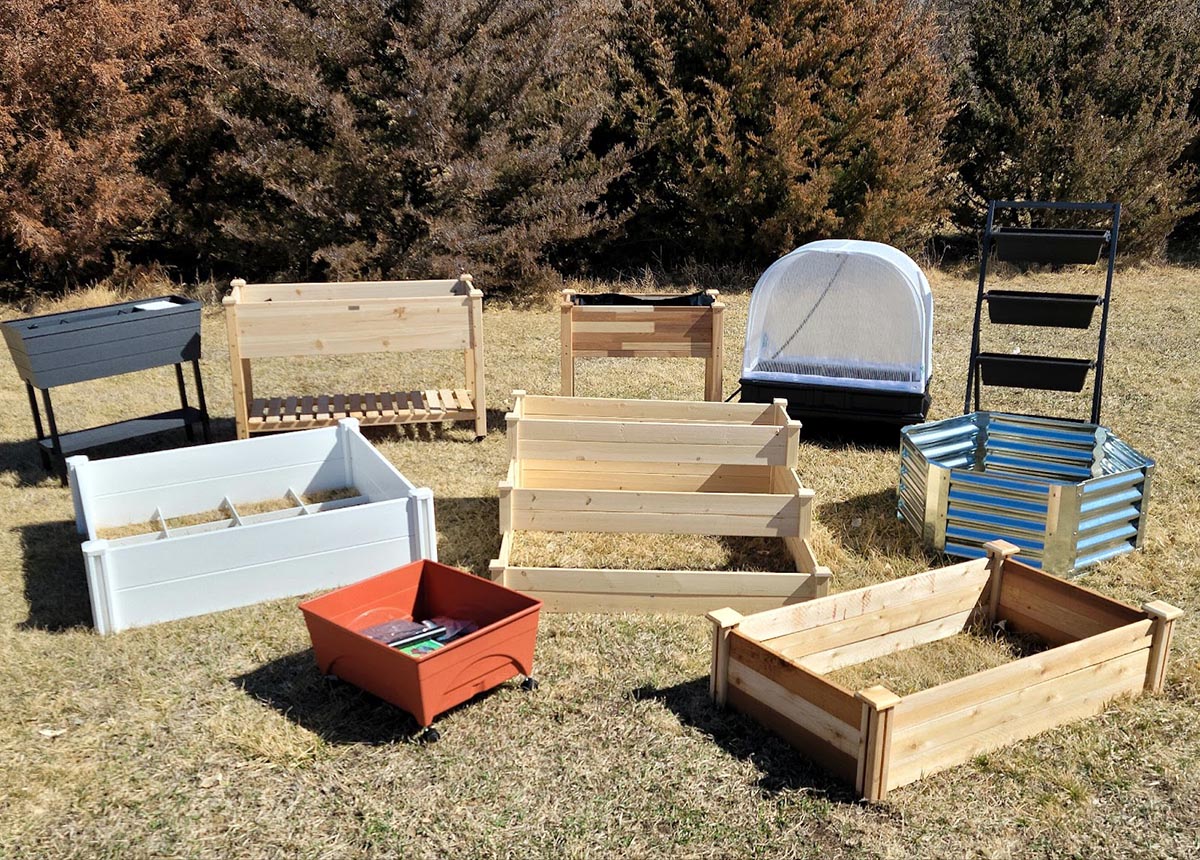
If you have ever planted tomatoes directly into sad backyard clay and watched them sulk like teenagers asked to unload the dishwasher, you already understand the magic of a raised garden bed. A good raised bed gives your vegetables, herbs, and flowers better soil, improved drainage, easier access, and a tidy growing zone that says, “Yes, I garden,” without requiring you to become a full-time farmer with mysterious overalls.
For this 2025 guide, we analyzed hands-on raised garden bed testing, expert shopping roundups, university extension advice, product specifications, gardener feedback, and practical growing recommendations. The result is a clear, useful list of the best raised garden beds for different spaces: big backyards, small patios, herb gardens, beginner vegetable plots, accessible gardening, and budget-friendly setups.
The best raised garden beds are not just boxes with dirt in them. They are small ecosystems with opinions. Material matters. Depth matters. Width matters. Drainage matters. And if the assembly manual looks like it was translated by a confused squirrel, that matters too. Below, you will find the nine standout options worth considering in 2025, plus buying advice, setup tips, and real-world experience to help you choose wisely.
Quick Picks: Best Raised Garden Beds for 2025
| Category | Best Raised Garden Bed | Best For |
|---|---|---|
| Best Overall | Vego Garden 9-in-1 Metal Raised Garden Bed Kit | Flexible layouts, vegetables, long-term use |
| Best Cedar Bed | Veikous Cedar Wood Raised Garden Bed | Classic backyard vegetable gardens |
| Best Self-Watering | Keter Splendor Raised Garden Bed | Beginners, patios, low-maintenance watering |
| Best Premium Cedar | Gardener’s Supply Company Cedar Raised Bed | Durability, attractive edible gardens |
| Best Herb Garden | VegTrug 8 Pocket Herb Garden | Herbs, balconies, organized small-space planting |
| Best Budget Metal Bed | Land Guard Galvanized Raised Garden Bed Kit | Affordable vegetable gardening |
| Best Covered Bed | Vegepod Small Garden Bed | Pest protection, greens, starter gardens |
| Best Elevated Planter | Greenes Fence Cedar Elevated Garden Bed | Decks, patios, reduced bending |
| Best Deep Metal Bed | Best Choice Products Metal Raised Garden Bed | Root vegetables, deep soil layering |
How We Chose the Best Raised Garden Beds
To build this guide, we looked for raised beds that performed well in real-world categories: durability, ease of assembly, planting depth, drainage, material quality, stability, design flexibility, price, and long-term value. Testing-based reviews consistently favored beds that were sturdy after filling, easy enough to assemble without emotional damage, and deep enough for common vegetables.
We also considered horticultural best practices. For many vegetables and herbs, a raised bed should generally provide at least 8 to 12 inches of growing depth, while tomatoes, peppers, squash, and deeper-rooted crops often benefit from 12 to 24 inches. Width is just as important. A bed wider than about 4 feet can turn harvesting into a yoga pose you did not agree to perform.
Material was another major factor. Cedar remains popular because it is naturally attractive and more rot-resistant than many softwoods. Galvanized steel and coated metal beds often last longer and resist warping, while resin and plastic beds can be lightweight, practical, and beginner-friendly. Elevated beds are especially helpful for patios, decks, seniors, renters, and anyone whose back has started making tiny warning noises.
The 9 Best Raised Garden Beds of 2025
1. Best Overall: Vego Garden 9-in-1 Metal Raised Garden Bed Kit
The Vego Garden 9-in-1 Metal Raised Garden Bed Kit earns the top spot because it solves one of the biggest problems gardeners face: commitment. Instead of forcing you into one fixed shape, this modular bed can be configured in multiple layouts, making it useful for narrow side yards, square vegetable plots, and awkward corners that have been waiting for purpose.
Its coated metal construction is built for long-term outdoor use, and the open-bottom design supports drainage while allowing roots to reach into the ground below. The 17-inch height is especially practical for vegetables, herbs, flowers, strawberries, and deeper-rooted crops. It is tall enough to feel substantial but not so tall that filling it requires a second mortgage in garden soil.
This is the raised bed to choose if you want one product that can adapt as your garden grows. It is excellent for tomatoes, peppers, kale, lettuce, carrots, basil, marigolds, and companion planting. The main downside is assembly: there are panels and bolts involved. It is not difficult, but it is not quite “open box, add lettuce, receive salad” either.
Best for: Gardeners who want durability, flexibility, and serious vegetable-growing space.
2. Best Cedar Raised Bed: Veikous Cedar Wood Raised Garden Bed
If metal beds are the practical hiking boots of gardening, cedar beds are the linen shirts: natural, classic, and pleasingly rustic. The Veikous Cedar Wood Raised Garden Bed is a strong pick for backyard gardeners who want a traditional raised bed that looks good while growing real food.
Cedar is naturally more resistant to rot and insects than many other woods, which makes it a favorite for edible gardens. This type of wooden raised bed fits beautifully into cottage gardens, suburban vegetable plots, and yards where appearance matters as much as function. It is a great match for lettuce, radishes, herbs, compact tomatoes, bush beans, and flowers.
The main tradeoff is lifespan. Even good cedar eventually weathers. It may gray over time, and it can require occasional maintenance or board replacement depending on your climate. Still, for gardeners who prefer natural materials over metal, this is one of the most appealing and practical choices.
Best for: Home gardeners who want a natural wood look and solid vegetable-growing performance.
3. Best Self-Watering Raised Bed: Keter Splendor Raised Garden Bed
The Keter Splendor Raised Garden Bed is ideal for gardeners who occasionally forget watering exists. No judgment. Life happens. Basil wilts. We grow emotionally. This raised bed includes self-watering features that help maintain consistent moisture, making it especially useful for beginners, patios, balconies, and hot-weather growing.
Because it is elevated, the Keter Splendor also reduces bending and keeps plants at a comfortable working height. That makes it a strong option for herbs, lettuce, spinach, strawberries, compact flowers, and smaller vegetables. It is not the best choice for giant tomato plants or sprawling squash, but it shines as a tidy, manageable raised planter.
The resin construction is lightweight compared with wood or steel, and it is easier to clean. The design also looks polished enough for patios where a rough lumber box might feel out of place. For small-space gardeners, it offers a nice balance of convenience, appearance, and functionality.
Best for: New gardeners, patio growers, and anyone who wants help with watering consistency.
4. Best Premium Cedar Bed: Gardener’s Supply Company Cedar Raised Bed
For gardeners who want a long-lasting cedar bed with a refined look, the Gardener’s Supply Company Cedar Raised Bed is a premium choice. It typically combines thick cedar boards with sturdy corners, creating a raised bed that feels more like garden infrastructure than a temporary weekend experiment.
This is the kind of bed that works well in visible garden areas, especially when you want edible gardening to look intentional. It is excellent for kitchen gardens, pollinator borders, cut flowers, compact vegetables, and herbs. The cedar construction offers a warm, natural appearance, while strong corner hardware helps prevent shifting and bowing.
It costs more than many basic raised bed kits, but the value comes from build quality and aesthetics. If your garden is part food source, part landscape feature, this bed makes sense. If you only need a quick, inexpensive box for zucchini, there are cheaper options below.
Best for: Gardeners who want an attractive, durable cedar bed for a polished backyard layout.
5. Best Herb Garden: VegTrug 8 Pocket Herb Garden
The VegTrug 8 Pocket Herb Garden is the little organizer your parsley has been waiting for. Instead of one open box where mint can launch its campaign for world domination, this planter divides growing space into separate pockets. That makes it perfect for basil, thyme, parsley, cilantro, chives, sage, oregano, and small edible flowers.
Its elevated design is useful on patios, decks, balconies, and outdoor kitchen areas. You can place it near the back door and actually use your herbs while cooking, instead of discovering in October that you grew a beautiful basil plant for the squirrels’ emotional support.
The pocketed layout is not ideal for large vegetables or deep-root crops, but that is not the point. This is a specialty raised planter for small plants that benefit from organization and easy access. It is one of the best raised garden beds for apartment gardeners, renters, and anyone who wants fresh herbs without converting the entire yard into a farm.
Best for: Herb lovers, balcony gardeners, and cooks who want fresh flavor within arm’s reach.
6. Best Budget Metal Bed: Land Guard Galvanized Raised Garden Bed Kit
The Land Guard Galvanized Raised Garden Bed Kit is a popular budget-friendly option for gardeners who want the benefits of metal without paying premium modular-bed prices. Galvanized metal resists rot, does not attract termites, and will not decompose the way untreated wood eventually can.
This type of bed is especially appealing for first-time vegetable gardeners. It provides a defined growing area, helps improve drainage, and lets you build a better soil mix than whatever mystery dirt came with the yard. The open-bottom design is useful for drainage and root development when placed directly on soil.
As with many budget metal beds, assembly quality matters. Tighten hardware evenly, place it on level ground, and avoid overfilling in a way that stresses the sides. If the bed is long, internal bracing is a bonus. For the price, however, it offers strong value for lettuce, peppers, beans, herbs, flowers, and compact tomato varieties.
Best for: Budget-conscious gardeners who want a simple, durable metal raised bed.
7. Best Covered Raised Bed: Vegepod Small Garden Bed
The Vegepod Small Garden Bed stands out because it does more than hold soil. It helps protect plants. With a cover system designed to reduce pest pressure and shield delicate crops, it is a strong choice for gardeners battling birds, rabbits, insects, or the neighborhood creature who believes your lettuce is a public buffet.
Covered raised beds are especially useful for leafy greens, herbs, seedlings, and cool-season vegetables. The cover can help create a more controlled growing environment, while the raised structure makes planting and harvesting simpler. For beginners, this can reduce some of the frustration that comes from watching young plants disappear overnight.
The tradeoff is size. A small covered bed will not replace a large backyard vegetable garden, but it is excellent for focused growing. Think salad greens, herbs, baby carrots, strawberries, and starter plants. If pest protection is your biggest concern, the Vegepod is a very practical solution.
Best for: Gardeners who want pest protection for greens, herbs, and small crops.
8. Best Elevated Planter: Greenes Fence Cedar Elevated Garden Bed
The Greenes Fence Cedar Elevated Garden Bed is a smart choice for anyone who wants to garden without kneeling, crouching, or making noises that alarm nearby family members. Elevated beds lift the growing area to a more comfortable height, making them ideal for decks, patios, balconies, seniors, and gardeners with limited mobility.
This cedar elevated bed is best for herbs, lettuces, pansies, strawberries, and compact vegetables. Because elevated planters usually have shallower soil than ground-based raised beds, they are not the first choice for deep-rooted crops. However, for everyday kitchen gardening, they are incredibly convenient.
Cedar gives it a natural look, and the compact footprint makes it easier to place near a door or seating area. Drainage is important with any elevated bed, so make sure excess water can escape and avoid letting soil stay soggy. Your herbs want a drink, not a swamp vacation.
Best for: Accessible gardening, patios, decks, and small-space herb or salad gardens.
9. Best Deep Metal Bed: Best Choice Products Metal Raised Garden Bed
The Best Choice Products Metal Raised Garden Bed is a strong option for gardeners who want depth and capacity at a reasonable price. Deep metal beds are useful for root vegetables, layered soil systems, and crops that appreciate more room below the surface.
A deeper bed gives you flexibility. You can fill the lower section with bulky organic material such as small logs, sticks, leaves, and compostable matter, then reserve the top layer for high-quality raised bed soil. This approach can reduce soil costs while improving moisture retention over time. Just avoid adding diseased plant material, glossy paper, or anything that sounds like it belongs in a garage instead of a garden.
This bed works well for carrots, beets, tomatoes, peppers, bush beans, flowers, and mixed vegetable gardens. Because deeper beds hold a lot of soil, place them carefully before filling. Once full, they become less “movable garden feature” and more “immovable monument to your ambition.”
Best for: Gardeners who want a deeper, high-capacity bed for vegetables and soil layering.
What to Look for in a Raised Garden Bed
Material: Wood, Metal, Resin, or Fabric?
Wood raised beds look warm and natural. Cedar, redwood, and cypress are common choices because they resist decay better than untreated pine. Metal beds, especially galvanized or coated steel, are durable and modern-looking. Resin beds are lightweight and often beginner-friendly, while fabric beds are affordable and easy to move but less polished.
Depth: Match the Bed to Your Plants
Leafy greens and many herbs can grow in shallower beds, but tomatoes, peppers, squash, and root crops benefit from deeper soil. If your bed sits on concrete, deck boards, or another hard surface, depth becomes even more important because plant roots cannot grow into native soil below.
Width: Do Not Build a Vegetable Island You Cannot Reach
A raised bed should usually be no wider than about 4 feet if you can access it from both sides. Against a wall or fence, keep it closer to 2 feet wide. The goal is to reach the center without stepping into the bed, because stepping on garden soil compacts it and makes roots work harder.
Drainage: Plants Like Water, Not Bathtubs
Good drainage is one of the biggest advantages of raised bed gardening. Open-bottom beds placed on soil usually drain well. Elevated or enclosed planters need drainage holes, a proper soil mix, and careful watering. If water pools for too long, roots can suffer.
Assembly: Respect Your Saturday
Some raised garden beds assemble in minutes. Others involve dozens of bolts, corner brackets, panels, liners, and instructions that appear to have been written during a thunderstorm. Before buying, check whether tools are required and whether the bed includes bracing for longer sides.
Best Soil Mix for Raised Garden Beds
The best raised bed soil is light, fertile, well-draining, and rich in organic matter. A practical mix often includes compost, high-quality topsoil, and a soilless growing mix or other organic material. Avoid filling a deep raised bed entirely with potting soil; it can be expensive, overly light, and not always ideal for long-term vegetable production.
For deep beds, consider layering. Place coarse organic matter in the bottom, add compost and native soil if appropriate, and finish with a rich planting mix in the top 8 to 12 inches. This gives young roots a strong start while reducing the amount of bagged soil required.
Soil testing is also smart, especially if you are growing food. Most vegetables prefer slightly acidic to neutral soil, often around pH 6.0 to 6.8. A soil test can tell you whether you need lime, sulfur, compost, or fertilizer. Guessing is fun for party games, not so much for tomato nutrition.
Raised Garden Bed Setup Tips for Better Results
- Choose sun first: Most vegetables need at least 6 hours of direct sunlight per day, and fruiting crops like tomatoes and peppers often prefer more.
- Level the ground: A crooked bed can drain unevenly and put pressure on one side.
- Use mulch: Straw, shredded leaves, or untreated grass clippings can help conserve moisture and reduce weeds.
- Add drip irrigation: Raised beds dry out faster than in-ground gardens, so consistent watering matters.
- Plan paths: Leave enough room to walk, kneel, carry a watering can, or roll a garden cart.
- Protect from pests: Hardware cloth under open-bottom beds can help deter burrowing animals.
- Refresh soil annually: Add compost each season to replace nutrients and improve soil structure.
Common Raised Bed Mistakes to Avoid
The first mistake is choosing a bed that is too wide. If you cannot reach the center comfortably, maintenance becomes annoying and soil compaction becomes likely. The second mistake is using poor soil. A raised bed is only as good as what you put inside it. The third mistake is ignoring water. Raised beds can drain beautifully, but that also means they can dry out quickly in summer.
Another common problem is underestimating soil volume. A deep 8-foot bed can swallow bag after bag of soil like a hungry garden hippo. Calculate the cubic feet before you buy. Finally, do not place a raised bed under aggressive tree roots unless you enjoy underground vegetable theft. Tree roots are very quiet, very persistent, and absolutely not interested in your garden boundaries.
of Real-World Experience: What Raised Bed Gardening Teaches You
After spending time with raised garden beds, one truth becomes obvious: the bed is only the beginning. Buying a beautiful raised bed feels like a major step, and it is, but the real success comes from small decisions made after assembly. Where you place it, how you fill it, what you plant first, how you water, and how often you check the soil matter more than the brand name stamped on the side.
The first experience many gardeners have is sticker shock from soil. A raised bed looks reasonable when it arrives in a box. Then you assemble it, calculate the volume, and realize it requires enough soil to fill a small boat. This is why deeper beds benefit from smart layering. Using logs, sticks, leaves, unfinished compost, and other organic material in the lower layer can save money and build long-term soil health. The top layer should still be high-quality growing mix, because seedlings deserve better than being planted directly into a pile of twigs and optimism.
The second lesson is that watering changes everything. Raised beds often drain faster than in-ground soil, especially metal beds in sunny spots and elevated planters exposed to wind. In spring, that fast drainage is wonderful. In July, it can turn your lettuce into botanical parchment. Drip irrigation, mulch, and regular moisture checks make a huge difference. The finger test is simple: push a finger into the soil. If it feels dry a couple of inches down, water deeply. If it feels moist, do not hover with the hose like an anxious helicopter parent.
Another practical discovery is that layout matters more than people think. A 4-by-8-foot bed is popular because it is productive and reachable from both sides. But if you put three of them too close together, you create a garden obstacle course. Leave generous paths. You will need space for buckets, tools, compost, harvested vegetables, and the occasional dramatic pause when you discover a hornworm.
Raised beds also teach restraint. It is tempting to plant everything: tomatoes, cucumbers, zucchini, peppers, basil, beans, flowers, carrots, and possibly a watermelon named Gerald. But overcrowding invites disease, competition, and chaos. Start with a few crops you actually eat. A beginner bed with cherry tomatoes, basil, lettuce, marigolds, and bush beans can be more rewarding than a crowded mini jungle that requires a search party.
Finally, raised beds make gardening feel possible. Poor native soil becomes less discouraging. Weeding becomes manageable. Harvesting becomes easier. A small patio can produce herbs. A suburban backyard can become a salad machine. Even failures feel educational instead of catastrophic. The best raised garden bed is not always the most expensive one. It is the one that fits your space, your body, your budget, and your real-life habits. Choose well, fill it wisely, water consistently, and your garden will reward you with food, flowers, and just enough dirt under your fingernails to feel impressive.
Final Verdict: Which Raised Garden Bed Should You Buy?
For most gardeners, the Vego Garden 9-in-1 Metal Raised Garden Bed Kit is the best overall raised garden bed in 2025 because it is durable, flexible, deep enough for vegetables, and adaptable to different spaces. If you prefer natural materials, the Veikous Cedar Wood Raised Garden Bed or Gardener’s Supply Company Cedar Raised Bed are excellent choices. For patios and beginners, the Keter Splendor is a convenient self-watering option. For herbs, the VegTrug 8 Pocket Herb Garden is compact, organized, and wonderfully practical.
No matter which bed you choose, remember this: plants care less about aesthetics than roots, drainage, sunlight, and soil. A beautiful raised bed is nice. A well-filled, well-watered, well-placed raised bed is better. Give your plants the right foundation, and they will do what plants do best: grow quietly, produce generously, and make you feel like a genius for putting dirt in a box.













