
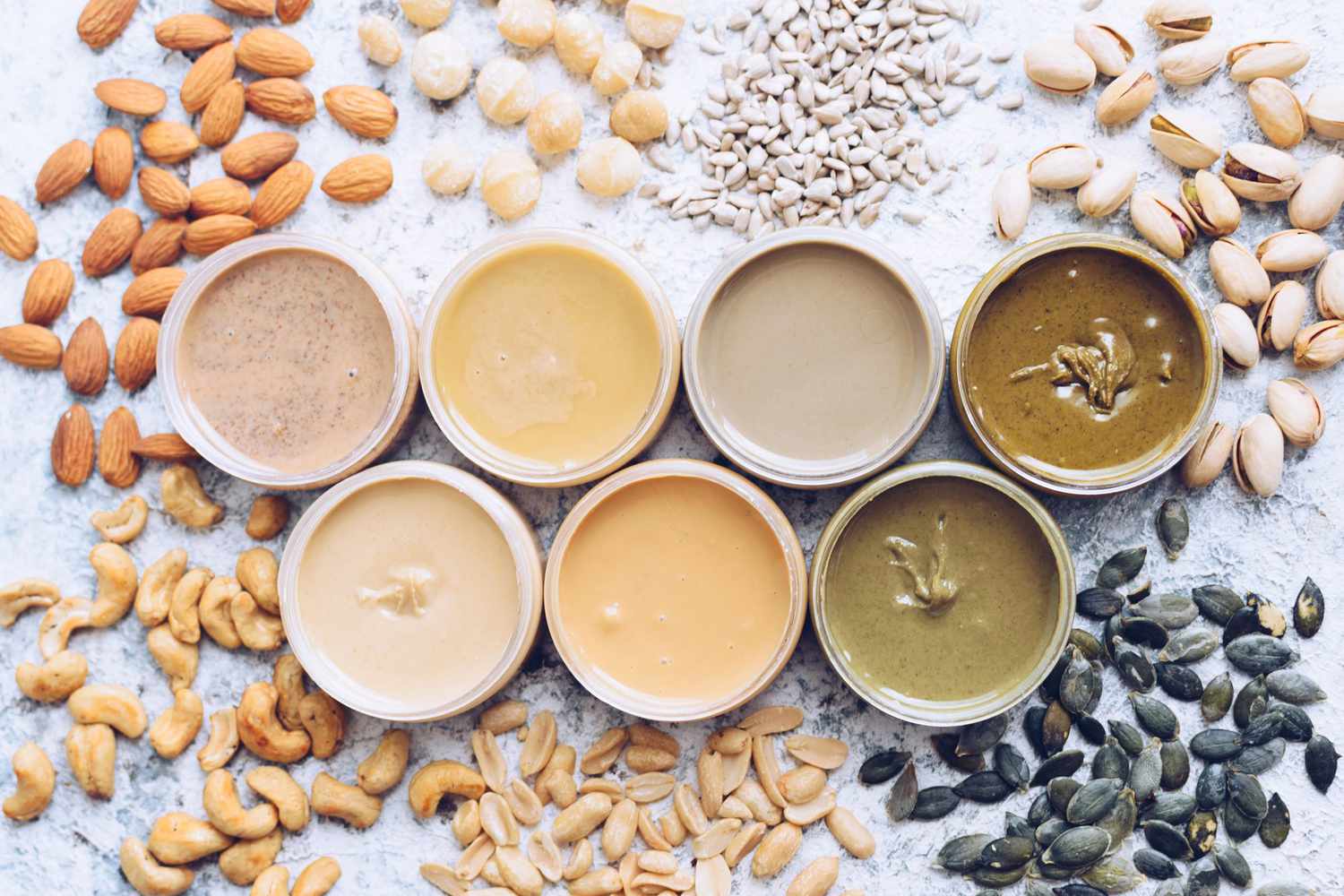
Nut and seed butters are the overachievers of the pantry. They spread, swirl, drizzle, blend, bake, and rescue toast from becoming a dry cardboard situation. Better yet, the best nut and seed butters for a protein boost can help turn a quick snack into something more satisfying, especially when paired with fruit, whole grains, yogurt, oatmeal, smoothies, or even savory sauces.
But not all jars are created equal. Some are simple, protein-rich spreads made from roasted nuts or seeds. Others are basically dessert wearing a “natural” hat. The trick is knowing which butter gives you the most useful nutrition for your spoonful: protein, healthy fats, fiber, vitamins, minerals, and enough flavor to make you look forward to eating it.
Note: Nutrition values vary by brand, roasting method, added ingredients, and serving size. For most nut and seed butters, a standard serving is 2 tablespoons. If you have a peanut, tree nut, sesame, soy, or seed allergy, always read labels carefully and check for cross-contact warnings.
Why Nut and Seed Butters Are Great for a Protein Boost
Protein helps support muscle repair, fullness, and steady energy. Nut and seed butters are not as protein-dense as chicken breast, Greek yogurt, tofu, or lentils, but they are incredibly convenient. No cooking. No chopping. No pretending you enjoy dry protein bars that taste like sweetened chalk.
Most nut and seed butters offer about 4 to 9 grams of protein per 2-tablespoon serving. That may not sound huge, but it adds up quickly when you pair them with other protein-friendly foods. A spoonful of peanut butter in oatmeal, almond butter with Greek yogurt, or tahini in a chickpea bowl can make a meal more balanced and satisfying.
What Makes a Nut or Seed Butter “Best”?
The best choice depends on your goal. If you want the highest protein for the price, peanut butter is hard to beat. If you want a tree-nut option with a rich nutrient profile, almond butter shines. If you need a nut-free alternative, sunflower seed butter and pumpkin seed butter deserve attention. If you want savory versatility, tahini is a kitchen superhero in a cape made of sesame seeds.
Look for jars with short ingredient lists: nuts or seeds, and maybe salt. Added sugars, palm oil, hydrogenated oils, chocolate flavoring, and candy-like mix-ins can turn a smart spread into a spoonable dessert. Delicious? Absolutely. Everyday protein strategy? Not quite.
1. Peanut Butter: The Classic Protein Powerhouse
Peanut butter is the dependable friend who shows up on time, brings snacks, and does not make things complicated. Even though peanuts are technically legumes, peanut butter sits proudly in the nut butter aisle and remains one of the best protein bargains around.
A typical 2-tablespoon serving of peanut butter provides about 7 to 8 grams of protein, plus mostly unsaturated fat, magnesium, niacin, and vitamin E. It is affordable, widely available, and easy to use in both sweet and savory meals.
Best Ways to Use Peanut Butter
Spread it on whole-grain toast with banana slices, blend it into a smoothie with milk and cocoa powder, stir it into oatmeal, or whisk it with lime juice, garlic, ginger, and low-sodium soy sauce for a quick noodle or vegetable sauce. For a higher-protein snack, pair peanut butter with Greek yogurt or cottage cheese instead of eating it alone by the spoonful. Your spoon may protest, but your snack will be stronger.
2. Almond Butter: The Balanced, Nutrient-Rich Favorite
Almond butter is smooth, slightly sweet, and popular for good reason. It usually provides around 6 to 7 grams of protein per 2 tablespoons, along with fiber, vitamin E, magnesium, calcium, and heart-friendly unsaturated fats.
Compared with peanut butter, almond butter is often more expensive, but it has a slightly more elegant flavor and works beautifully in breakfasts, baked goods, smoothies, and sauces. It is especially good for people who want a plant-based protein boost with extra fiber and a naturally mild taste.
Best Ways to Use Almond Butter
Try almond butter with apple slices, spread it on sourdough toast with cinnamon, blend it into a berry smoothie, or drizzle it over overnight oats. It also works well in homemade energy bites with oats, chia seeds, and a touch of honey. If your jar separates, stir it well and store it upside down after opening to help keep the oil distributed.
3. Pumpkin Seed Butter: The Underrated Protein Star
Pumpkin seed butter deserves more attention than it gets. Depending on the brand, it can provide around 8 to 10 grams of protein per 2 tablespoons, making it one of the strongest choices for a plant-based protein boost. It also offers magnesium, zinc, iron, and a deep, earthy flavor that feels more “grown-up snack board” than “lunchbox classic.”
The flavor can be bold, so it may not be everyone’s first choice for a peanut butter and jelly sandwich. However, it is excellent in savory recipes, especially when paired with garlic, lemon, olive oil, roasted vegetables, or whole-grain crackers.
Best Ways to Use Pumpkin Seed Butter
Spread it thinly on rye toast, stir it into salad dressing, mix it with lemon juice for a green sauce, or add a spoonful to a smoothie with banana and cinnamon. It also pairs well with roasted sweet potatoes. Think of it as a seed-based spread with a little culinary swagger.
4. Sunflower Seed Butter: The Nut-Free MVP
Sunflower seed butter is one of the best options for people avoiding peanuts or tree nuts. It typically provides around 5 to 7 grams of protein per 2 tablespoons, depending on the brand. It is also known for vitamin E, magnesium, selenium, and a roasty flavor that can be sweet, earthy, and slightly savory.
Because it is nut-free, sunflower seed butter is popular for school lunches and allergy-conscious households. However, not every product is produced in a nut-free facility, so label reading still matters.
Best Ways to Use Sunflower Seed Butter
Use it anywhere you would use peanut butter: toast, sandwiches, smoothies, oatmeal, fruit, or protein bites. It is also excellent in cookies. Fun baking note: sunflower seed butter can sometimes react with baking soda and turn baked goods slightly green. It is safe, surprising, and a tiny bit like your cookies are auditioning for a superhero movie.
5. Tahini: The Savory Sesame Butter With Serious Range
Tahini is made from ground sesame seeds and usually provides around 5 grams of protein per 2 tablespoons. It is creamy, nutty, slightly bitter, and incredibly versatile. If peanut butter is the lunchbox legend, tahini is the chef’s secret weapon.
Tahini contains unsaturated fats and minerals such as calcium, magnesium, and iron. It is the backbone of hummus, but it can do much more than hang out with chickpeas. Because sesame is a major food allergen in the United States, people with sesame allergies should avoid tahini and check labels closely.
Best Ways to Use Tahini
Whisk tahini with lemon juice, garlic, water, and a pinch of salt for a creamy dressing. Drizzle it over grain bowls, roasted cauliflower, falafel, grilled chicken, or baked sweet potatoes. For a sweet version, stir tahini with maple syrup and cocoa powder for a dessert-like dip that still feels more sophisticated than raiding the cookie jar at 11 p.m.
6. Cashew Butter: Creamy, Mild, and Smooth
Cashew butter is lower in protein than peanut or pumpkin seed butter, usually offering around 4 to 5 grams per 2 tablespoons. Still, it has a wonderfully creamy texture and mild flavor that makes it useful in recipes where you want richness without overpowering everything else.
Cashew butter contains unsaturated fats, magnesium, copper, and some iron. It is especially popular in plant-based cooking because it blends into sauces, soups, dips, and dairy-free desserts with ease.
Best Ways to Use Cashew Butter
Blend cashew butter with water, lemon juice, garlic, and nutritional yeast for a creamy pasta sauce. Add it to smoothies for body and richness, or spread it on toast with sliced strawberries. It may not win the protein trophy, but it absolutely wins the “silky texture” category.
7. Pistachio Butter: Flavorful, Fancy, and Surprisingly Useful
Pistachio butter has a distinctive flavor and a naturally beautiful color. It generally provides around 5 to 6 grams of protein per 2 tablespoons, plus unsaturated fats, potassium, vitamin B6, and antioxidants. It is often pricier than peanut or almond butter, but a little goes a long way.
The biggest challenge with pistachio butter is finding one that is not loaded with sugar. Some jars are designed more like dessert spreads. For everyday protein support, choose one made mostly from pistachios, with minimal added sweeteners.
Best Ways to Use Pistachio Butter
Spread it on toast with raspberries, swirl it into Greek yogurt, drizzle it over pancakes, or use it in a smoothie with banana and vanilla. It also works in savory dishes with lemon, herbs, and olive oil. Pistachio butter is the kind of spread that makes breakfast feel like it got dressed up for brunch.
8. Walnut Butter: Omega-3 Rich and Bold
Walnut butter usually provides around 4 to 5 grams of protein per 2 tablespoons. Its biggest nutritional claim to fame is not protein alone, but its plant-based omega-3 fat, alpha-linolenic acid, often called ALA. Walnuts have a rich, slightly bitter flavor that works well in both sweet and savory foods.
Because walnut butter can taste stronger than almond or cashew butter, it is best paired with ingredients that balance its flavor. Think honey, dates, cinnamon, apples, pears, cocoa, or roasted vegetables.
Best Ways to Use Walnut Butter
Spread it on toast with sliced pear, stir it into oatmeal with cinnamon, or blend it into a smoothie with cocoa powder and banana. For a savory option, whisk walnut butter into a sauce with balsamic vinegar, garlic, and a splash of warm water.
9. Soy Nut Butter: A Peanut-Free, Protein-Friendly Option
Soy nut butter is made from roasted soybeans, not tree nuts. It often provides about 7 grams of protein per 2 tablespoons, making it one of the better high-protein alternatives to peanut butter. It can be useful for people avoiding peanuts and tree nuts, though soy itself is a major allergen.
The flavor is mildly nutty and sometimes a bit toasted. It works best when paired with familiar ingredients like jam, banana, honey, oats, or chocolate.
Best Ways to Use Soy Nut Butter
Use it in sandwiches, smoothies, protein bites, or sauces. It can be a smart option for households that need a peanut-free spread but still want solid protein. As always, check whether the product is made in a facility that also processes peanuts or tree nuts if allergies are a concern.
How to Choose the Healthiest Nut or Seed Butter
The healthiest nut and seed butter is usually the simplest one. Turn the jar around and read the ingredient list. Ideally, you want one main ingredient: peanuts, almonds, sunflower seeds, pumpkin seeds, sesame seeds, cashews, pistachios, walnuts, or soybeans. Salt is fine if it fits your dietary needs, but added sugar should be modest.
Check the Protein
If your goal is a protein boost, compare grams of protein per 2 tablespoons. Peanut butter, pumpkin seed butter, and soy nut butter tend to be among the stronger options. Almond butter and sunflower seed butter are close behind. Cashew, walnut, and tahini are still nutritious, but they may need a protein-rich partner.
Watch Added Sugar and Sodium
Some flavored spreads contain cane sugar, honey, chocolate, molasses, or powdered sugar. These can be tasty, but they are better treated as dessert spreads. Sodium also varies widely, so choose unsalted or lightly salted versions if you are managing sodium intake.
Look for Healthy Fats
Nuts and seeds naturally contain fats, mostly unsaturated fats. That is part of what makes them filling and useful in a balanced diet. The issue is not the fat itself; it is the extras. Avoid products with hydrogenated oils or unnecessary fillers when possible.
Consider Texture and Use
Natural nut and seed butters often separate because they do not contain stabilizers. This is normal. Stir them thoroughly before using. If the jar is stubborn, use a butter knife, patience, and possibly the emotional strength of someone assembling furniture without instructions.
Best Pairings for a Bigger Protein Boost
Nut and seed butters are more powerful when paired strategically. Instead of eating them alone, combine them with foods that add protein, fiber, or complex carbohydrates.
- Greek yogurt + almond butter: Creamy, filling, and great with berries.
- Oatmeal + peanut butter: A classic breakfast upgrade with steady energy.
- Whole-grain toast + pumpkin seed butter: A savory, mineral-rich snack.
- Smoothie + sunflower seed butter: Nut-free and satisfying.
- Hummus bowl + tahini: A plant-based protein pairing with serious flavor.
- Cottage cheese + pistachio butter: Sweet, salty, creamy, and high in protein.
Quick Ranking: Best Nut and Seed Butters for Protein
If protein is your top priority, start with this general ranking. Exact numbers vary by brand, but this gives you a practical shopping guide.
- Pumpkin seed butter: Often one of the highest-protein seed butters.
- Peanut butter: Affordable, accessible, and protein-rich.
- Soy nut butter: A strong peanut-free protein option, unless soy is an allergen.
- Almond butter: Balanced protein, fiber, and vitamin E.
- Sunflower seed butter: Nut-free and nutrient-dense.
- Pistachio butter: Flavorful, satisfying, and moderately high in protein.
- Tahini: Great for savory meals, with moderate protein.
- Cashew butter: Creamy and versatile, but lower in protein.
- Walnut butter: Lower in protein, but valuable for omega-3 fats.
Common Mistakes to Avoid
The first mistake is assuming “natural” always means healthier. A product can sound wholesome and still contain plenty of added sugar, oils, and salt. The second mistake is ignoring serving size. Two tablespoons can disappear quickly, especially when you are standing in front of the fridge with a spoon and no witnesses.
The third mistake is using nut butter as your only protein source. Nut and seed butters are helpful, but they work best as part of a broader protein plan that includes foods like eggs, fish, poultry, beans, lentils, tofu, tempeh, dairy, or fortified plant-based alternatives.
The fourth mistake is overlooking allergies. Peanuts, tree nuts, sesame, soy, and some seeds can trigger serious reactions in sensitive individuals. If you are shopping for a family, school, office, or shared kitchen, choose carefully and label clearly.
Experience: How Nut and Seed Butters Fit Into Real Life
Here is the honest experience many people have with nut and seed butters: they buy one jar with big healthy intentions, use it twice, then discover it six months later behind the pickles. The key is not just buying the “best” one. The key is choosing a butter that fits your actual routine, taste preferences, budget, and patience level for stirring separated oil.
For busy mornings, peanut butter and almond butter are the easiest wins. They are familiar, fast, and do not require a recipe. A slice of whole-grain toast with peanut butter and banana can be ready in two minutes and feels far more satisfying than plain toast. Almond butter stirred into overnight oats gives breakfast a richer texture and helps prevent the dreaded 10:30 a.m. snack panic.
For smoothie people, sunflower seed butter and cashew butter are especially practical. Sunflower seed butter adds a nutty flavor without tree nuts, while cashew butter creates a creamy texture that makes a smoothie taste more like a milkshake. Add milk or soy milk, frozen banana, protein powder if you use it, and a spoonful of seed butter. Suddenly, breakfast has main-character energy.
For savory meals, tahini and pumpkin seed butter are the champions. Tahini can turn basic roasted vegetables into something restaurant-worthy. Mix it with lemon juice, garlic, warm water, and salt, then drizzle it over chickpeas, rice bowls, grilled chicken, or salads. Pumpkin seed butter works beautifully in dressings and dips, especially when you want a deeper, earthier flavor.
One practical lesson: keep more than one type around if your budget allows. Use peanut butter for everyday sandwiches, tahini for sauces, and sunflower seed butter for nut-free snacks. This prevents flavor boredom, which is the silent enemy of healthy eating. Even the most nutritious food loses its charm when you eat it the same way every day.
Another experience-based tip is to pair nut and seed butter with texture. Creamy spreads can feel heavy if they have no contrast. Add apple slices, celery, toasted whole-grain bread, granola, chia seeds, or crushed roasted nuts. The crunch makes the snack feel more complete and satisfying.
Finally, do not chase perfection. The best nut or seed butter is the one you will actually use. If a premium pistachio butter makes you excited to eat breakfast, wonderful. If classic peanut butter gets you through workdays without attacking the vending machine, that counts too. Nutrition is not a museum exhibit. It has to live in your kitchen, survive your schedule, and taste good enough to earn its shelf space.
Conclusion
The best nut and seed butters for a protein boost are simple, satisfying, and easy to use. Peanut butter remains the budget-friendly classic, pumpkin seed butter brings impressive protein, almond butter offers balance, sunflower seed butter helps nut-free households, and tahini turns everyday meals into creamy, savory magic. Cashew, pistachio, walnut, and soy nut butter each bring their own strengths, from silky texture to omega-3 fats to allergy-conscious protein options.
Choose jars with short ingredient lists, compare protein per serving, keep added sugar low, and pair your spread with other nutritious foods. Whether you are building a better breakfast, upgrading snack time, or making a sauce that saves dinner from boredom, nut and seed butters are small pantry staples with big protein-boosting potential.














