
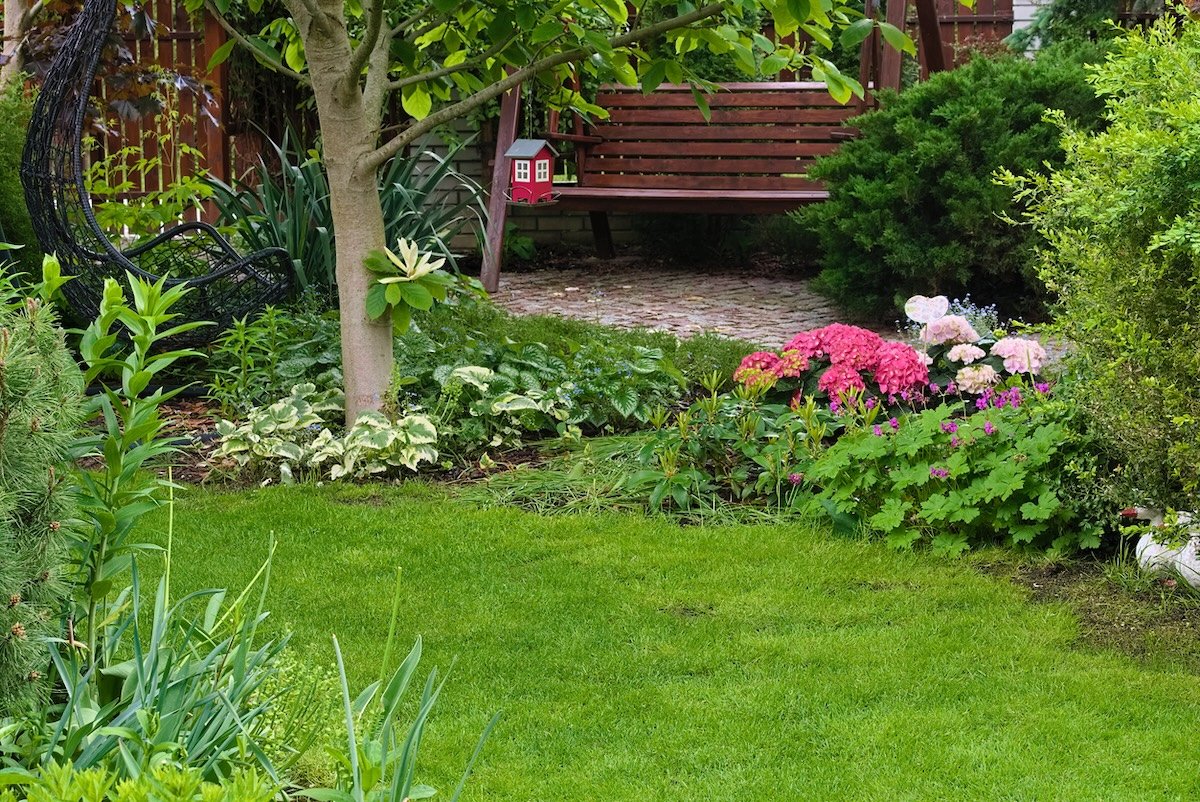
Shade gets blamed for a lot of gardening disappointments. The lawn thins out, sun-loving flowers lean dramatically toward the nearest bright spot, and that cheerful plant from the nursery slowly begins to resemble steamed lettuce. Yet shade is not a horticultural dead end. It is simply a different neighborhood, complete with its own rules, microclimates, and surprisingly glamorous residents.
Horticulture experts regularly recommend designing shady areas around foliage, texture, moisture conditions, and seasonal interest rather than trying to force sun-dependent plants to cooperate. From giant hostas and feathery ferns to jewel-toned coral bells and late-blooming toad lilies, the best perennials for shade can transform a dim corner into one of the most sophisticated parts of the landscape.
The secret is choosing the right plant for the actual sitenot the imaginary woodland paradise pictured on the plant tag. Here are the expert-recommended shade perennials worth growing, along with practical advice for keeping them healthy.
Research synthesis:
First, Determine What Kind of Shade You Have
Before buying plants, observe the area during several parts of the day. Shade beneath an open-branched tree is different from the darkness beside a north-facing wall. Sunlight also changes with the seasons as deciduous trees leaf out, nearby shrubs mature, and the sun moves higher or lower in the sky.
Partial Shade
Partial shade generally means a location receives a few hours of direct sunlight, preferably in the morning, followed by protection from intense afternoon heat. This is the easiest type of shade to plant because many woodland perennials flower well with limited gentle sun.
Dappled or Filtered Shade
Dappled shade occurs beneath an open tree canopy, where moving patches of light reach the ground throughout the day. Hostas, coral bells, foamflowers, woodland phlox, and many ferns are comfortable in these conditions.
Full or Heavy Shade
Full shade receives little direct sun but is not necessarily pitch-black. Plants still need ambient or reflected light for photosynthesis. Dense shade beneath evergreen trees, deep roof overhangs, or closely spaced buildings is more demanding, so foliage-focused plants usually perform better than heavy bloomers.
Dry Shade Versus Moist Shade
Light is only half the equation. Soil moisture often determines success. Shade under mature trees can be surprisingly dry because branches intercept rain and thirsty tree roots claim available water. By contrast, low areas beside a house may remain damp for days. A moisture-loving astilbe and a drought-tolerant barrenwort may both enjoy shade, but they would make terrible roommates.
Shade definitions and site guidance:
The Best Perennials for Shade
1. Hosta
Hostas are the dependable workhorses of shade gardening. Their broad leaves may be blue-green, chartreuse, gold, cream-edged, heavily puckered, or dramatically variegated. Sizes range from miniature varieties suitable for containers to enormous cultivars that can dominate an entire garden bed with the confidence of a leafy sofa.
Most hostas perform best in rich, well-drained soil with consistent moisture. Varieties with gold or yellow foliage may tolerate more morning light, while blue-leaved types usually retain their color better with greater shade. Although hostas are commonly described as shade plants, extremely dense darkness can reduce their vigor and flowering.
The main drawbacks are slugs, snails, and deer. Thick-leaved cultivars tend to resist slug damage better than thin-leaved selections, though a determined deer may still treat the planting as an all-you-can-eat salad bar.
Hosta guidance:
2. Coral Bells
Coral bells, or Heuchera, prove that flowers are not required for dramatic color. Modern varieties offer foliage in lime green, caramel, peach, silver, burgundy, purple, and near-black. Their small bell-shaped flowers rise above the leaves on slender stems, attracting pollinators without overwhelming neighboring plants.
Coral bells generally prefer partial shade, good drainage, and protection from harsh afternoon sun. Different cultivars have different tolerances, so choose varieties recommended for your region. Plant the crown at soil level rather than burying it, and watch for frost heaving in cold climates.
3. Astilbe
For feathery flowers in a moist shade garden, astilbe is difficult to beat. Its upright plumes appear in white, cream, pink, lavender, peach, or red above fernlike foliage. By selecting early-, mid-, and late-season cultivars, gardeners can extend the display through much of summer.
Astilbe needs reliable moisture. Plants allowed to dry repeatedly may develop crisp brown leaf edges and fewer flowers. A layer of organic mulch helps maintain even soil moisture, but avoid piling mulch directly over the crown. Astilbe is especially effective when planted in groups rather than scattered as lonely single specimens.
Coral bells and astilbe:
4. Hellebore
Hellebores bring color to the garden when little else is awake. Depending on the species and climate, their nodding flowers may appear from winter into early spring in shades of white, green, pink, burgundy, yellow, or nearly black.
These long-lived perennials favor partial to dappled shade and well-drained soil rich in organic matter. Once established, many types tolerate periods of dryness and are less appealing to deer and rabbits than hostas. Their leathery foliage can provide year-round structure in milder regions.
Hellebores are toxic if eaten, so they should be handled thoughtfully around pets and children. Wear gloves when cutting old foliage because the sap may irritate sensitive skin.
5. Japanese Forest Grass
Japanese forest grass, or Hakonechloa macra, adds movement to shade beds. Its arching leaves form graceful mounds that resemble tiny green or golden waterfalls. The plant looks especially effective beside rocks, along pathways, or cascading over the edge of a raised bed.
It prefers partial to full shade with moist, well-drained soil. Golden cultivars glow in dim locations but may scorch in intense afternoon sun. Japanese forest grass grows patiently rather than racing across the garden, so give it time to establish.
6. Ferns
Ferns provide the texture that makes shade gardens look lush rather than merely dark. Japanese painted fern contributes silver and burgundy tones, while lady fern creates an airy woodland effect. Christmas fern offers evergreen foliage in many climates, and ostrich fern produces bold, upright fronds for moist areas with room to spread.
Moisture preferences vary considerably. Cinnamon fern enjoys damp soil, while Christmas fern tolerates comparatively dry woodland conditions after establishment. Selecting a fern based on both soil moisture and regional hardiness is more reliable than purchasing whichever fronds look prettiest at the garden center.
Hellebores, forest grass, and ferns:
7. Siberian Bugloss
Siberian bugloss, or Brunnera macrophylla, is sometimes described as a perennial forget-me-not because of its sprays of tiny blue spring flowers. Its real value, however, comes from its heart-shaped leaves. Silver-leaved cultivars illuminate dark beds throughout the growing season and combine beautifully with ferns, dark coral bells, and blue hostas.
Brunnera prefers cool, moist, well-drained soil and protection from hot afternoon sun. Once established, it can tolerate some dryness, though foliage remains more attractive with consistent moisture.
8. Barrenwort
Barrenwort, or Epimedium, is one of the most useful perennials for dry shade. Its wiry stems carry delicate spring flowers that resemble tiny stars, hats, or miniature fairy wings. The foliage forms a dense, tidy groundcover, and some varieties develop attractive red or bronze coloring in spring and fall.
Established plants tolerate competition from tree roots better than many traditional shade perennials. Barrenwort is also considered relatively deer resistant. It spreads gradually, making it useful where a calm groundcover is preferred over a plant plotting immediate garden domination.
9. Foamflower
Foamflower, or Tiarella, is a North American woodland perennial with frothy flower spikes and maple-shaped leaves. It performs particularly well in moist, humus-rich soil with partial or dappled shade. Some varieties develop burgundy markings or bronze winter coloration.
Foamflower works as an edging plant, woodland groundcover, or companion to native ferns. It also supports a more layered garden design by occupying the low-growing space beneath taller perennials.
Brunnera, barrenwort, and foamflower:
10. Bleeding Heart
Bleeding heart produces rows of pink-and-white or white heart-shaped flowers on gracefully arching stems. It thrives in light shade with organically rich, well-drained soil and dependable spring moisture.
Traditional bleeding heart often enters dormancy during hot summer weather. This is normal, not a plant emergency. Position it behind hostas, ferns, or other later-emerging perennials that will fill the temporary gap. Fringed bleeding hearts generally remain in leaf longer and may repeat-bloom under favorable conditions.
11. Lungwort
Lungwort, or Pulmonaria, combines early flowers with spotted or silver-patterned foliage. Its blossoms commonly open pink and mature to blue or purple, creating several colors on one plant.
It prefers cool shade and consistently moist, well-drained soil. Hot sun and prolonged dryness can cause foliage to scorch or deteriorate. Removing tired leaves after flowering often encourages a cleaner flush of growth.
12. Solomon’s Seal
Solomon’s seal has elegantly arching stems, paired leaves, and small bell-shaped flowers that hang beneath the foliage in spring. It adds height without looking stiff and blends naturally with ferns, hostas, wild ginger, and foamflower.
Many types slowly form colonies in moist woodland soil. Variegated selections are especially useful because their creamy leaf margins brighten shady borders long after the flowers disappear.
13. Wild Ginger
Wild ginger is valued for its heart-shaped leaves and ability to form a low woodland carpet. Its unusual flowers develop close to the soil, where they are often hidden beneath the foliage. Native species such as Canadian wild ginger work well in naturalistic gardens, while European wild ginger offers glossy evergreen or semi-evergreen leaves in many regions.
Give wild ginger humus-rich soil and adequate moisture while it becomes established. It pairs well with taller perennials because its foliage covers bare soil without competing visually for attention.
14. Toad Lily
When many shade perennials are preparing for winter, toad lily is just getting interesting. Its small, intricately spotted flowers resemble miniature orchids and commonly appear from late summer into fall.
Toad lilies prefer partial shade and moist, organically rich, well-drained soil. Place them near a pathway or seating area where the detailed flowers can be appreciated up close. From across the yard, their beauty may be overlooked; at arm’s length, they are tiny botanical fireworks.
Plant-specific guidance:
Best Shade Perennials for Difficult Conditions
For Dry Shade
- Barrenwort
- Christmas fern
- Wild ginger
- Fringed bleeding heart
- Some coral bells
- Bigroot geranium
Even drought-tolerant shade perennials need regular watering during their first growing season. “Dry shade tolerant” does not mean “install beneath a thirsty maple and forget forever.” Supplemental water may still be necessary during extended drought.
For Moist Shade
- Astilbe
- Ostrich fern
- Foamflower
- Turtlehead
- Cardinal flower
- Goatsbeard
Moist soil should not be confused with stagnant, poorly drained soil. Unless a plant is specifically adapted to wet conditions, roots need oxygen and may rot when constantly submerged.
For Deer-Prone Gardens
- Barrenwort
- Hellebore
- Japanese painted fern
- Christmas fern
- Wild ginger
- Solomon’s seal
No perennial is completely deer-proof. Deer preferences change with local populations, weather, and available food. A hungry deer may reconsider every landscaping promise printed on a plant label.
Difficult-site recommendations:
How Experts Design a Better Shade Garden
Make Foliage the Main Attraction
Flowers may last for weeks, while foliage often remains for months. Combine broad hosta leaves with fine fern fronds, arching Japanese forest grass, glossy wild ginger, and silver-patterned brunnera. Contrasting leaf shapes keep a shady planting interesting even when nothing is blooming.
Use Light-Colored Plants Strategically
White flowers and silver, gold, chartreuse, or variegated foliage appear brighter in low light. A silver brunnera or golden Japanese forest grass can visually lift a dark corner without requiring an electrical permit.
Repeat Plants Instead of Collecting One of Everything
Shade gardens can become visually chaotic when every square foot contains a different plant. Repeating groups of three, five, or more creates rhythm and makes the design look intentional. A few unusual specimens can then serve as accents.
Plan for Every Season
Combine hellebores and bleeding hearts for early color, astilbes and hostas for summer, and toad lilies for fall. Add evergreen or persistent foliage from Christmas ferns, hellebores, or selected coral bells where the climate allows.
Include Regionally Native Plants
Native woodland perennials can support local insects and wildlife while fitting naturally into regional conditions. Good possibilities include foamflower, wild ginger, woodland phlox, Christmas fern, Jacob’s ladder, Virginia bluebells, golden groundsel, and native Solomon’s seal. Verify that a species is native to your particular area rather than assuming that “native to North America” means native to every backyard from Maine to Arizona.
Design and native-plant guidance:
Planting and Care Tips for Shade Perennials
Protect Existing Tree Roots
A mature tree is more valuable and difficult to replace than a tray of perennials. Avoid cutting major roots or aggressively tilling beneath the canopy. Use small nursery plants or plugs, fit them into spaces between roots, and allow them to spread over time.
Improve Soil Carefully
Many woodland perennials prefer soil enriched with decomposed organic matter. Apply compost to the planting area, but do not create deep raised beds over tree roots or bury the tree’s root flare. Excess soil can restrict oxygen and damage the tree.
Water Deeply During Establishment
New perennials need consistent moisture while developing roots, even when the mature plant is considered drought tolerant. Water deeply rather than applying frequent shallow sprinkles. Morning irrigation is generally preferable because foliage has time to dry.
Mulch Without Smothering Crowns
Apply a modest layer of shredded leaves, compost, or other organic mulch to conserve moisture and moderate soil temperature. Keep mulch away from plant crowns and tree trunks. Deep mulch may encourage rot, rodents, and roots that grow too close to the soil surface.
Divide Only When Necessary
Some perennials benefit from division when flowering declines, growth becomes overcrowded, or the center of the clump dies out. Hostas and astilbes are common candidates. Other plants, including hellebores, prefer to remain undisturbed once established.
Leave Some Fallen Leaves
A light layer of shredded or naturally decomposing leaves can protect soil and support woodland organisms. However, thick mats should be removed from low evergreen plants because blocked light and trapped moisture may damage their foliage.
Care recommendations:
Practical Experiences and Lessons From Real-World Shade Gardens
One of the most common experiences in shade gardening is beginning with flowers and eventually becoming obsessed with leaves. A new gardener may initially purchase several blooming plants, arrange them beneath a tree, and expect a nonstop floral performance. By midsummer, the flowers have faded, one plant has gone dormant, and the bed looks like a collection of unrelated green objects waiting for further instructions.
The turning point usually comes when the gardener starts designing with foliage. A blue hosta beside a silver Japanese painted fern suddenly looks more deliberate than five different flowering plants scattered at random. Add a low carpet of wild ginger and a mound of golden Japanese forest grass, and the bed begins to feel layered even before a single flower opens.
Another frequent lesson involves moisture. A shady spot may look cool and damp, yet soil beneath a mature maple can become powder-dry shortly after rain. Gardeners often discover this only after an astilbe develops brown edges and a moisture-loving fern begins collapsing. Moving those plants to a naturally moist areaand replacing them with barrenwort or Christmas fernusually produces a dramatic improvement.
Tree-root competition also changes how gardeners plant. Digging a large hole beneath an established tree can become an archaeological expedition involving roots, rocks, and regret. Smaller plants are easier to position between roots, recover more quickly, and cost less when experimenting with an unfamiliar site. Planting plugs may look sparse during the first season, but patient groundcovers often knit together more naturally than large specimens forced into oversized holes.
Deer provide another memorable educational experience. A gardener may spend years building a hosta collection, only to wake one morning and find a carefully curated display reduced to rows of green stalks. This tends to inspire a sudden appreciation for hellebores, epimediums, ferns, and other less-palatable plants. It may also inspire vocabulary not found in traditional gardening manuals.
Seasonal dormancy causes unnecessary concern as well. Traditional bleeding heart can disappear after flowering when summer heat arrives. First-time growers may assume it has died and accidentally dig into the crown while planting something else. Marking the location or placing a later-emerging companion nearby prevents both visual gaps and unfortunate shovel incidents.
Successful shade beds also tend to evolve slowly. The light beneath young trees changes as their canopies expand, while neighboring shrubs may eventually block an area that once received morning sun. Gardeners who reassess their beds every few years are better able to move struggling plants before decline becomes permanent. A hosta that once thrived may need more filtered light, while a fern may welcome the deepening shade.
The most satisfying experience is watching a collection of small plants become a functioning woodland community. Fallen leaves settle between ferns, foamflowers spread into soft drifts, hellebores bloom while the rest of the garden sleeps, and toad lilies provide an unexpected final show in fall. What once seemed like a problem area becomes a quiet, textured retreatand often the part of the yard visitors ask about first.
Conclusion
The best perennials for shade succeed because they are matched to the garden’s real conditions. Hostas and coral bells provide dependable foliage, astilbes flourish where moisture is consistent, barrenwort handles dry shade, hellebores brighten the colder months, and native woodland plants add regional character and ecological value.
Rather than treating shade as a limitation, use it as an opportunity to combine bold leaves, fine textures, subtle flowers, and layered groundcovers. Observe the light, evaluate the moisture, protect existing tree roots, and repeat compatible plants in generous groups. With thoughtful choices, even the darkest corner can become a polished garden instead of the place where optimistic plant purchases go to reconsider their life choices.














