
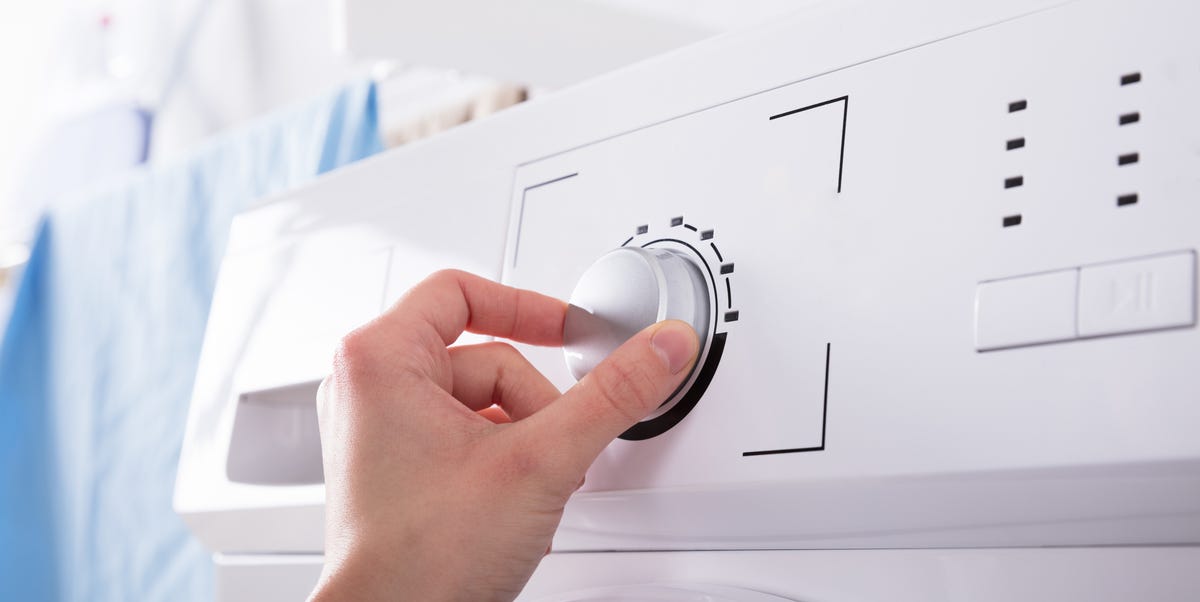
If your washer has more buttons than a spaceship cockpit, you are not alone. Most of us develop a laundry routine by choosing “Normal,” pressing start, and hoping our clothes come out cleaner than they went in. It is simple. It is familiar. It is also the reason your favorite work shirt may look like it slept in a backpack.
The laundry cycle you probably need to be using more often is the permanent press cycle. Depending on your washer or dryer, it may also be called Perm Press, Wrinkle Control, Casual, Synthetics, or Easy Care. Whatever name your machine gives it, this underrated setting is designed to help reduce wrinkles, protect everyday fabrics, and keep clothes looking better with less ironing. In other words, it is the laundry room’s quiet overachiever.
Permanent press is not the right choice for every single load. Towels, muddy sports uniforms, bedding, and truly delicate garments still need their own treatment. But for many mixed loads of shirts, blouses, casual pants, pajamas, synthetic fabrics, and wrinkle-prone everyday clothes, permanent press may be the smarter default than normal wash. It is gentle enough to reduce fabric stress, practical enough for regular laundry, and helpful enough to save you from staring at an ironing board like it personally betrayed you.
What Is the Permanent Press Cycle?
The permanent press cycle was originally created for wrinkle-resistant synthetic and blended fabrics. These materials became popular because they promised an easier life: less ironing, fewer creases, and clothes that looked presentable without a full domestic engineering degree. The washer cycle supports that goal by using a combination of moderate wash action, warm or cool water, a cold rinse, and a slower spin speed.
In simple terms, permanent press tries to clean your clothes without bullying them. A normal cycle often uses stronger agitation and higher spin speeds, which are useful for cotton towels and everyday durable fabrics. But that same intensity can twist, wrinkle, stretch, or abrade lighter garments. Permanent press steps in with a more balanced approach: enough movement to clean, but not so much that your button-down shirt emerges looking like a paper bag with buttons.
On the dryer, permanent press usually means medium heat followed by a cool-down period. That cool-down matters. When fabric is hot, creases can set more easily. By tumbling clothes as they cool, the dryer helps relax fibers and reduce wrinkles before they become permanent houseguests.
Why You Should Use Permanent Press More Often
It Helps Reduce Wrinkles Before They Start
The biggest reason to use the permanent press laundry cycle is wrinkle control. Warm water can help relax fibers during washing, while the cold rinse and lower spin speed help prevent new creases from forming. This is especially useful for clothes you want to wear in public without looking like you were assembled in a hurry.
Think of office shirts, school uniforms, lightweight pants, casual dresses, polyester tops, rayon blends, and “wash-and-wear” garments. These pieces do not usually need the heavy-duty treatment. What they need is a cycle that respects their shape. Permanent press is built for that exact mission.
It Is Kinder to Clothing Than the Normal Cycle
Clothes wear out not just from being worn, but from being washed aggressively. High spin speeds, heavy agitation, and repeated exposure to heat can contribute to fading, pilling, stretching, and fiber damage. Permanent press reduces some of that stress by using slower spinning and gentler movement.
This does not mean permanent press is as gentle as the delicate cycle. Delicate is still best for lace, lingerie, silk, cashmere, wool, and anything that looks expensive enough to make you whisper while holding it. But permanent press offers a useful middle ground. It is gentler than normal, yet more practical for everyday garments that are not fragile but still deserve better than a laundry-room wrestling match.
It Can Save Time After Washing
There are two kinds of people in this world: people who iron and people who own an iron in case company visits. If you are in the second group, permanent press is your friend.
Because the cycle helps reduce wrinkles during washing and drying, clothes often come out easier to hang, fold, or wear. You may still need to steam a stubborn collar or smooth a crease here and there, but the overall load is less likely to look like it spent the afternoon in a tiny suitcase. For busy households, that matters. Laundry is already a full-time job with no salary and suspicious sock turnover.
Permanent Press vs. Normal Cycle: What Is the Difference?
The normal cycle is designed for sturdy everyday items such as cotton T-shirts, underwear, socks, sheets, and many towels. It often uses more vigorous wash action and faster spinning to remove water efficiently. That faster spin can shorten drying time, but it can also leave lighter clothing more wrinkled.
The permanent press cycle usually uses a milder wash action, a warm or cool wash temperature, a cold rinse, and a slower spin. The goal is not maximum force. The goal is smarter fabric care. If normal wash is the gym coach yelling “one more rep,” permanent press is the yoga instructor reminding everyone to breathe and stop torturing their shoulders.
Use normal for durable, moderately dirty cottons and household basics. Use permanent press for wrinkle-prone clothing, synthetic blends, business-casual pieces, and washable garments you want to keep looking smoother.
Permanent Press vs. Delicate: Do Not Confuse Them
Permanent press and delicate both sound gentle, but they are not interchangeable. The delicate cycle uses the lowest agitation and slowest spin speeds. It is meant for fragile fabrics, embellished garments, lingerie, lace, silk-like materials, and pieces that could stretch, snag, or lose shape.
Permanent press is stronger than delicate. It can handle many everyday clothes, especially synthetic and blended fabrics, but it may still be too much for true delicates. A good rule: if the garment tag says “hand wash,” “delicate,” or “dry clean,” do not toss it into permanent press and hope for a miracle. Laundry machines are helpful, not magical.
Best Clothes to Wash on Permanent Press
The permanent press cycle works especially well for light to medium-weight garments that wrinkle easily or contain synthetic fibers. These include polyester shirts, rayon blends, nylon garments, wrinkle-resistant cotton, casual pants, blouses, dress shirts, lightweight pajamas, school uniforms, and some athleisure pieces.
It is also useful for mixed loads of everyday clothing that are lightly to normally soiled. If the load contains shirts, casual tops, lightweight pants, and synthetic blends, permanent press is often a better choice than normal. It gives the clothes enough cleaning action without inviting unnecessary wrinkles to the party.
What You Should Not Wash on Permanent Press
Permanent press is versatile, but it is not a universal setting. Do not use it for very dirty work clothes, muddy jeans, greasy kitchen towels, heavily soiled socks, or items that need a deeper clean. These usually need a normal, heavy-duty, or specialized cycle.
Towels are another common exception. Bath towels need enough agitation and spin to rinse well and remove moisture efficiently. A slower permanent press spin may leave them wetter than you want, which means longer drying time and more opportunity for musty smells. Bedding, comforters, and bulky items also do better on a bedding or bulky cycle when your machine offers one.
And remember: permanent press is not the same as sanitizing. If someone in the household is sick, or if you are washing items exposed to bodily fluids, choose the hottest water safe for the fabric and follow the garment label and detergent instructions. For routine laundry in a healthy household, cooler and gentler cycles are often enough. For hygiene-heavy situations, stronger methods may be needed.
How to Use the Permanent Press Cycle Correctly
Step 1: Sort by Fabric Weight and Color
Sorting laundry by color is good. Sorting by fabric type and weight is even better. A load of lightweight blouses mixed with heavy jeans is a recipe for friction, twisting, and sadness. Keep similar fabrics together when possible. Permanent press performs best when the load contains similar medium-weight or lightweight garments.
Step 2: Do Not Overload the Washer
Overloading is one of the fastest ways to ruin a good laundry cycle. Clothes need room to move, rinse, and release soil. When the drum is packed too tightly, detergent cannot circulate properly, wrinkles increase, and cleaning performance drops. Leave enough space for garments to tumble freely. Your washer should not look like it is trying to swallow a closet.
Step 3: Use the Right Amount of Detergent
More detergent does not mean cleaner clothes. Too much detergent can leave residue, trap odors, stiffen fabrics, and make rinsing harder. Use the amount recommended on the detergent label based on load size and soil level. If you have a high-efficiency washer, use HE detergent. Permanent press is designed for balanced care, and detergent overload throws that balance off.
Step 4: Pretreat Stains First
Permanent press is great for wrinkle control, but it is not a stain-removal superhero. Pretreat food spills, underarm marks, oil spots, makeup, and grass stains before washing. Give the stain remover a little time to work. Then wash using the warmest water safe for the fabric. For many permanent press loads, warm or cool water is enough, but stubborn stains may need extra attention.
Step 5: Remove Clothes Promptly
This step is painfully simple and deeply effective: take clothes out as soon as the cycle ends. Even the best wrinkle-control cycle cannot save a load that sits damp in the washer for three hours while you “just check one email.” Damp clothes left in a heap develop creases and odors. Shake garments out, hang them, or move them to the dryer right away.
How to Dry Permanent Press Clothes
For best results, match the washer cycle with the dryer’s permanent press setting. This typically uses medium heat and a cool-down phase to prevent wrinkles from setting. Avoid high heat unless the care label allows it and the fabric truly needs it. Synthetic fabrics dry quickly and can be damaged by too much heat.
Remove clothes while they are slightly warm and dry, then fold or hang them immediately. If your dryer has an extended tumble, wrinkle guard, or wrinkle shield option, use it when you cannot unload right away. It will not perform miracles, but it can prevent a clean load from turning into a crumpled fabric sculpture.
For items that are prone to shrinking, stretching, or heat damage, air-drying is often the better option. Lay sweaters flat, hang shirts on sturdy hangers, and reshape garments while damp. This tiny bit of effort can extend the life of your clothes and reduce the need for ironing.
What If Your Washer Does Not Have a Permanent Press Button?
Some machines hide permanent press under another name. Look for labels such as Casual, Wrinkle Control, Easy Care, Synthetics, Mixed, or Perm Press. If none of those exist, you can imitate the setting manually.
Choose a warm or cool wash, a cold rinse, and a low or medium spin speed. Select a shorter or moderate cycle rather than heavy-duty. For drying, choose medium or low heat with a cool-down period if available. The goal is simple: reduce heat, reduce spin intensity, and reduce the time clothes spend crumpled together.
Common Permanent Press Mistakes
Using It for Everything
Permanent press is useful, but it is not the answer to every laundry problem. Heavy towels, muddy clothes, pet bedding, and bulky blankets need more specialized care. Use permanent press often, not blindly.
Ignoring Care Labels
The care label is the tiny fabric instruction manual most of us ignore until disaster strikes. Read it. If a garment says delicate, cold wash only, dry flat, or tumble dry low, follow that guidance. Permanent press is helpful only when it matches the fabric’s needs.
Letting Clothes Sit After the Cycle
The permanent press cycle can reduce wrinkles, but it cannot defeat procrastination. If clothes sit wet or hot in a pile, wrinkles will appear. Remove, shake, hang, fold, or dry promptly.
Using Too Much Heat in the Dryer
High dryer heat can shrink fabrics, set wrinkles, fade colors, and weaken elastic. For permanent press clothes, medium or low heat is usually smarter. When in doubt, go cooler. Your clothes may take a little longer to dry, but they will usually look better.
Why Permanent Press Is a Smarter Everyday Habit
Modern laundry is not just about getting clothes clean. It is about keeping them wearable longer. Clothes cost money, and replacing a favorite shirt because it faded, pilled, or shrank into doll clothing is both annoying and avoidable. Permanent press supports better fabric care by reducing unnecessary stress.
It also fits the reality of modern wardrobes. Many households now own more synthetic blends, stretch fabrics, wrinkle-resistant shirts, performance wear, and mixed-material garments than pure heavy cotton basics. A normal cycle may still be fine for many loads, but it is not always the most thoughtful choice. Permanent press gives these everyday clothes a better chance to stay smooth, shaped, and ready to wear.
Real-Life Experiences: Why This Cycle Earned a Permanent Spot in My Routine
The first time I really paid attention to the permanent press cycle, it was not because I had become a laundry expert overnight. It was because I was tired of pulling shirts out of the dryer and wondering if they had been washed or auditioned for a role as crumpled parchment. I had been using the normal cycle for almost everything: T-shirts, button-downs, lightweight pants, pajamas, synthetic workout tops, and the occasional “this probably should not go in here, but I am feeling brave” garment.
The clothes were clean, yes. But clean and presentable are not always the same thing. My casual shirts came out twisted. My work shirts needed steaming. Lightweight pants developed creases in places no designer intended. The laundry was technically finished, but it still required a second shift of smoothing, hanging, and negotiating with wrinkles.
Switching more loads to permanent press made the process feel less chaotic. The biggest difference showed up in button-down shirts and synthetic-blend tops. They came out less tangled, less wrinkled, and easier to hang. I still had to shake them out, because laundry is not a fairy tale, but the improvement was obvious. Instead of looking like I had stored my shirts under a mattress, they looked like I had made a reasonable adult decision.
Another surprise was how much better lightweight pajamas and casual clothes held their shape. The slower spin seemed to reduce that tightly twisted feeling that sometimes happens at the end of a normal cycle. Clothes were still clean, but they did not feel as beaten up. This was especially helpful for inexpensive everyday pieces that tend to pill or stretch when treated too aggressively.
I also learned that permanent press works best when you give it a fair chance. At first, I overloaded the washer and expected the cycle to perform miracles. It did not. The clothes came out wrinkled because they had been packed together like commuters in an elevator. Once I started washing smaller, better-sorted loads, the results improved. Shirts with shirts. Lightweight pants with similar fabrics. Towels banished to their own cycle, where they could be their heavy, linty selves in peace.
The dryer mattered just as much. Using permanent press in the washer and then blasting everything on high heat is like ordering a salad and chasing it with a bucket of frosting. Medium heat, a cool-down period, and prompt removal made a noticeable difference. I began hanging shirts while they were still slightly warm, smoothing collars and seams with my hands. It took less than a minute, but it saved far more time later.
The best part was not having to iron as often. I will not pretend permanent press eliminated wrinkles completely. Some fabrics wrinkle because that is their personality. Linen, for example, wakes up wrinkled and proud. But for everyday blends, casual office clothes, school shirts, and synthetic tops, permanent press reduced the amount of touch-up work dramatically.
Over time, the cycle became my default for “real clothes”the things I wear outside the house and would prefer not to look like I found in a laundry basket archaeological dig. Normal wash still handles towels, socks, sturdy cottons, and bedding. Delicate still handles fragile items. But permanent press now gets far more use because it matches the way most modern clothes are actually made and worn.
The lesson is simple: your washer’s default setting may not be your wardrobe’s best friend. Permanent press is not fancy, loud, or glamorous. It does not have the dramatic energy of “Heavy Duty” or the precious tone of “Delicate.” But it quietly solves a common laundry problem: clothes that are clean but wrinkled, stressed, faded, or tired-looking. Use it more often, and your laundry may finally stop coming out with an attitude.
Conclusion
The permanent press cycle deserves more attention than it gets. It is one of the best washer and dryer settings for reducing wrinkles, protecting synthetic and blended fabrics, and making everyday clothes easier to wear straight from the laundry. It is not for everything, and it does not replace normal, heavy-duty, bulky, sanitize, or delicate cycles. But for shirts, blouses, casual pants, pajamas, wrinkle-resistant garments, and light to medium mixed loads, permanent press is often the smarter choice.
Use it with proper sorting, the right detergent amount, stain pretreatment, and prompt unloading. Pair it with medium dryer heat or air-drying when needed. Once you make it part of your laundry routine, you may spend less time ironing, less time re-washing musty clothes, and less time wondering why your favorite shirt looks personally offended.
Note: This article is based on current fabric-care guidance from appliance manufacturers, laundry-care organizations, consumer home-care resources, and practical laundry best practices. Always follow the care label on each garment and your washer or dryer manual for model-specific instructions.














