
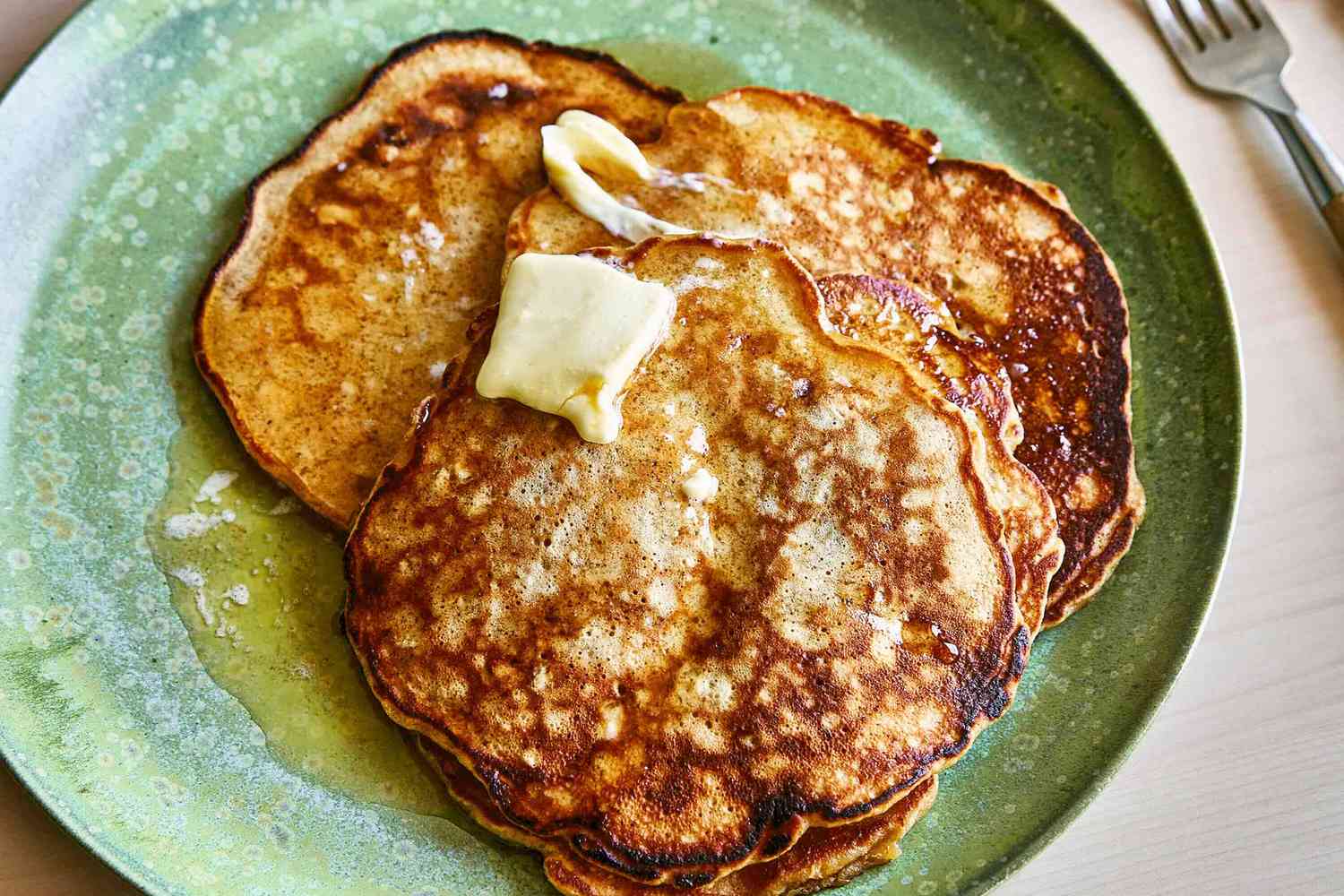
There are two kinds of pancake people in this world: the ones who follow the recipe like it is sacred breakfast scripture, and the ones who stare into the mixing bowl and think, “What happens if I get a little reckless?” This article is for the second group, the brave souls who believe pancakes can be fluffy, tender, rich, and just a little bit dramatic.
The unexpected ingredient in question is ricotta cheese. Yes, ricotta. The same creamy character that usually hangs around lasagna, stuffed shells, and the occasional dessert has been quietly making pancakes better for years. It sounds odd at first, like inviting a tuxedo to a backyard barbecue, but somehow it works beautifully. Ricotta gives pancakes a soft, rich texture without making them heavy, and it adds a subtle dairy sweetness that turns an ordinary stack into something that feels weekend-worthy.
If you have ever made pancakes that were flat, gummy, too dense, or disappointingly bland, ricotta may be the upgrade your breakfast has been begging for. It does not scream for attention. It does not make your pancakes taste like cheesecake wearing a fake mustache. It simply improves the texture, adds moisture, and helps create that almost cloudlike bite people chase when they say they want “the perfect pancake.”
Why Ricotta Is the Secret Weapon for Better Pancakes
Most pancake recipes rely on the usual cast of characters: flour, eggs, milk, sugar, butter, and a leavening agent. Those ingredients do the job just fine. But when ricotta enters the picture, the texture changes in a way that is hard to ignore. Pancakes become creamier inside, more tender on the tongue, and somehow more luxurious without turning into dessert.
It Adds Moisture Without Making the Batter Soupy
One of the trickiest parts of making pancakes is balancing moisture. Too little liquid and you get dense, dry rounds that could double as coasters. Too much and the batter spreads like it has no career goals. Ricotta solves this problem in a surprisingly elegant way. Because it is creamy but thick, it adds richness and moisture without turning the batter into breakfast soup.
That means the pancakes stay soft after cooking. They do not dry out five minutes later while you are pretending to share them with someone else. They remain tender enough to eat plain, which is always the test of a genuinely good pancake. Syrup should be a bonus, not a rescue mission.
It Creates a Fluffy but Custardy Texture
Classic fluffy pancakes aim for light and airy. Ricotta pancakes do something even better: they stay fluffy while gaining a delicate, almost custardy center. The outside still browns nicely, but the inside feels richer and gentler. It is like standard pancakes went on vacation, came back relaxed, and suddenly had better posture.
This is especially useful if you like thick pancakes that still feel soft in the middle. Ricotta helps produce that texture without requiring a science lab, three separate bowls, or a spiritual relationship with egg whites.
It Brings Gentle Flavor, Not Weird Flavor
People hear “cheese” and panic. That is understandable. Nobody wants a short stack that tastes like a grilled cheese sandwich made a terrible life choice. But ricotta is mild. It is not sharp, funky, or salty in the way some cheeses can be. Instead, it adds a faint creamy tang that pairs naturally with vanilla, lemon zest, berries, cinnamon, honey, and maple syrup.
In other words, ricotta does not hijack the pancake. It just gives it more personality.
How Ricotta Compares to Other Pancake Upgrades
Pancake lovers have been improving batter forever. Some use buttermilk for tang. Some swear by sour cream for tenderness. Others add Greek yogurt, whipped egg whites, mashed banana, or even a bit of vinegar with milk to boost lift. All of those tricks can work. Ricotta stands out because it improves more than one thing at once.
Buttermilk is great for classic diner-style pancakes, especially when you want a little tang and reliable fluff. Sour cream adds richness and tenderness, which is why many experienced cooks treat it like a brunch-level cheat code. Greek yogurt can add protein and tang, though it can also make batter feel thicker and slightly heavier if you are not careful.
Ricotta lands in a sweet spot. It brings creaminess and tenderness like sour cream, but it also contributes body and a pillowy interior that feels special. It works particularly well when you want pancakes that taste homemade in the best possible way, not just homemade in the “I definitely eyeballed the flour” way.
If you want the full luxury treatment, ricotta can even be paired with other smart pancake habits: using fresh leavening, mixing gently, and letting the batter rest a few minutes before cooking. That combination often produces pancakes with crisp golden edges and soft, tender centers. In breakfast terms, that is what experts might call “showing off.”
The Best Way to Use Ricotta in Pancake Batter
The good news is that adding ricotta is not difficult. You do not need to reinvent pancake math. In many recipes, ricotta simply replaces part of the milk or becomes an added dairy component in the wet ingredients. The goal is a batter that is thick but still scoopable, not cement and not crepe batter.
A Simple Approach
For a standard batch, add a modest amount of ricotta to the wet ingredients and whisk until the mixture looks mostly smooth. A few small lumps are fine. In fact, pancake batter is one of those rare kitchen situations where perfection is suspicious. Overmixed batter often leads to tougher pancakes, so stop before your whisk gets too ambitious.
Once the wet and dry ingredients are combined, let the batter sit for a short rest. This helps the flour hydrate and gives the leavening time to wake up and do its important breakfast work. Then cook the pancakes over medium or medium-low heat so the centers can set without the outsides going from pale to scorched in thirty seconds.
Flavor Pairings That Love Ricotta
Ricotta pancakes are incredibly versatile, which is another reason they deserve more love. They pair beautifully with:
- Lemon zest and blueberries for a bright, brunchy flavor
- Vanilla and strawberries for a classic sweet stack
- Honey and toasted nuts for something richer and more grown-up
- Cinnamon and apples for cozy, fall-style comfort
- Chocolate chips if the morning has been difficult and you need emotional support
You can even go savory with ricotta pancakes by reducing the sugar and pairing them with herbs, smoked salmon, or a dollop of tangy yogurt. Ricotta is flexible like that. It contains multitudes.
Common Mistakes That Can Ruin Great Pancakes
Even with ricotta in the mix, pancake tragedy is still possible. Breakfast has a way of humbling people. Here are the mistakes that most often stand between a cook and pancake glory.
Overmixing the Batter
This is the big one. Stirring too much develops the flour more aggressively, which can leave pancakes tougher than you intended. The batter should look slightly lumpy. That is not failure. That is restraint.
Cooking Over Heat That Is Too High
Pancakes need enough heat to brown, but not so much that the outside burns before the inside cooks through. Ricotta pancakes, especially thicker ones, benefit from a little patience. If your first pancake comes out dark on the outside and raw in the middle, your pan is auditioning for a different job.
Ignoring Batter Thickness
Ricotta can vary by brand. Some versions are wetter, while others are thick enough to hold a grudge. If the batter seems too thick, add a splash of milk. If it seems too loose, let it rest briefly before adjusting. Pancake batter should pour, not sprint.
Using Ricotta as an Excuse for Bad Toppings
Ricotta can improve a pancake, but it cannot save stale syrup, sad fruit, or butter that tastes like the back of the refrigerator. Respect the stack. Good toppings matter.
Who Should Try Ricotta Pancakes?
Honestly, almost everyone. Ricotta pancakes are ideal for home cooks who want something a little more impressive than a plain buttermilk stack but do not want a recipe that reads like a chemistry exam. They are especially good for:
- Weekend brunch fans
- People who like thick, tender pancakes
- Anyone trying to use leftover ricotta before it becomes a science project
- Cooks who want pancakes that feel restaurant-level without restaurant-level drama
They are also excellent for feeding guests because they look and taste special. People hear “ricotta pancakes” and immediately assume you know what you are doing. You do not have to correct them.
Are Ricotta Pancakes Better Than Regular Pancakes?
That depends on what you want. If your dream pancake is thin, plain, and built mainly to transport syrup into your face, a classic batter may be enough. But if you want pancakes with a more tender crumb, deeper flavor, and a richer texture, ricotta has a strong case.
It does not replace every pancake style. It enhances a specific kind of pancake: one that feels softer, fuller, and a bit more refined. Think of it as the difference between an ordinary sweatshirt and one that somehow costs more but also feels amazing and makes you question every previous sweatshirt decision.
So yes, for many people, ricotta pancakes really are better. Not because they are trendy. Not because they are fancy. Because they consistently deliver texture, moisture, and flavor in a way that standard pancakes often do not.
Real Kitchen Experiences With the Unexpected Pancake Ingredient
The first time people try ricotta in pancake batter, the reaction is usually the same: mild skepticism followed by aggressive second helpings. The batter looks a little richer in the bowl, and there is always that brief moment of doubt where you wonder whether breakfast is about to become strangely cheesy. Then the pancakes hit the pan, start puffing gently, and suddenly the kitchen smells like a Sunday morning that has its life together.
One common experience is surprise at how soft the pancakes stay. Regular pancakes can be lovely straight from the skillet, but they sometimes lose their charm by the time the full batch is done. Ricotta pancakes tend to hold onto their tenderness longer. That matters in real kitchens, where somebody is always setting the table too slowly, hunting for berries, or pretending they are “just making coffee” while secretly stealing pancake number three.
Another very real experience is discovering that ricotta pancakes feel more forgiving. If your measuring is not laboratory precise, the batter often still turns out well. If you cook them a touch slower, they reward you with creamy centers and beautifully golden surfaces. If you top them simply with butter and maple syrup, they taste complete. If you dress them up with lemon zest, fruit, honey, or toasted nuts, they rise to the occasion like breakfast overachievers.
There is also the leftover-ricotta miracle. Plenty of home cooks buy ricotta for one recipe, use half of it, and then spend the next three days opening the fridge and wondering what exactly the plan is. Pancakes become the answer. Suddenly, that leftover container is not a burden. It is a breakfast opportunity. And unlike some “use-it-up” meals that feel suspiciously like chores, ricotta pancakes feel like a reward for basic refrigerator management.
Families often notice the texture first. Kids may not care that ricotta adds moisture or subtle richness, but they absolutely notice when pancakes are soft, fluffy, and easy to devour. Adults notice that the pancakes taste just a little more polished, like the home version of something you would happily pay too much for at brunch. That is the kind of kitchen win that deserves a small personal parade.
Perhaps the best experience, though, is the moment ricotta pancakes become your pancake standard. Once you have had a stack that is fluffy at the edges, creamy in the middle, lightly tangy, and good enough to eat before toppings even arrive, it becomes difficult to go back. Plain pancakes are still fine. They are good people. But ricotta pancakes have charisma. They have confidence. They show up to breakfast looking rested and emotionally available.
And that is really the magic of the unexpected ingredient. It does not turn pancakes into something unrecognizable. It simply makes them more tender, more memorable, and more likely to disappear before the second batch hits the plate. For an ingredient that usually sits quietly in the dairy aisle, that is a pretty impressive breakfast glow-up.
Conclusion
If you want a pancake that feels more tender, more flavorful, and a little more special than the everyday version, ricotta is the unexpected ingredient worth trying. It adds moisture without heaviness, richness without greasiness, and flavor without overwhelming the classic pancake experience. Whether you keep things simple with butter and syrup or go big with berries, lemon, or honey, ricotta gives your stack a serious upgrade. It is not a gimmick. It is not a trend. It is just a deliciously smart move.














