
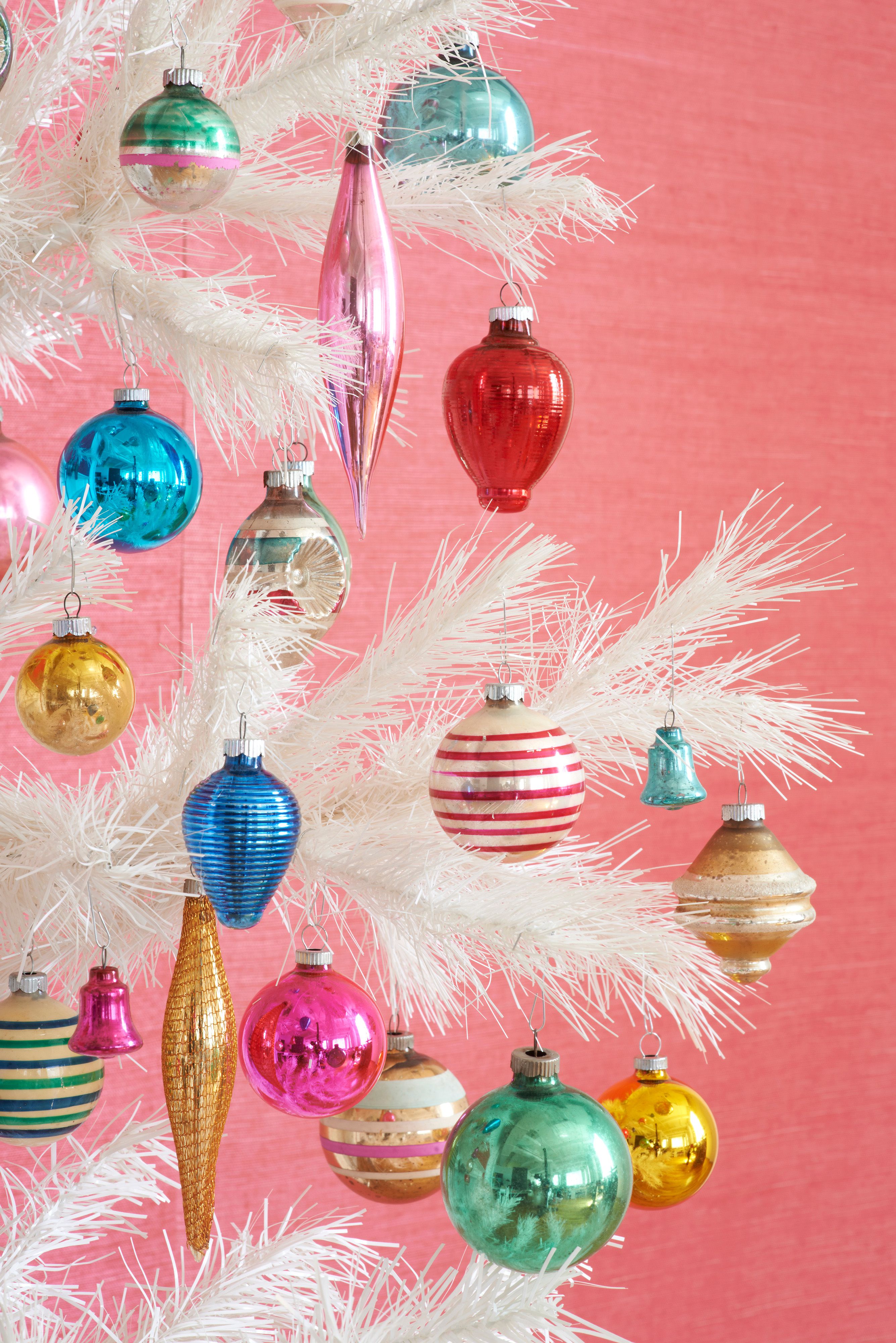
If your holiday storage bins contain one tangled strand of lights, three mystery hooks, and a Santa whose face has seen things, you are not alone. But tucked between the wrapping paper scraps and that one ornament everyone is afraid to touch may be something far more interesting: a genuine collectible. Some vintage holiday decorations are now worth real money, not because they are flashy or rare-looking, but because they hit the sweet spot collectors lovenostalgia, limited supply, recognizable makers, and just enough charm to make modern shoppers weak in the knees.
In other words, the dusty decoration your family has treated like “just old Christmas stuff” might actually be the VIP of the attic.
This is especially true now that vintage holiday decor has made a major comeback. Shoppers are actively hunting for pieces that feel warm, familiar, and a little bit imperfect in the best possible way. Think retro glow, hand-painted details, original boxes, and decorations that look like they belonged in a 1958 living room with a silver tinsel tree and a heroic amount of fruitcake.
Below are seven types of holiday decorations that might hold surprising value, plus the features that can make one piece ordinary and another one worth protecting like the last cookie on Christmas Eve.
Why Vintage Holiday Decor Can Be Worth Money
Before we get to the list, it helps to understand what drives value in collectible holiday decorations. It is not just age. Plenty of old decorations are worth very little. Collectors usually care about a handful of factors:
- Maker and brand recognition: Names like Department 56, Shiny Brite, Atlantic Mold, and Holt Howard matter.
- Condition: Chips, cracks, repainting, broken bulbs, missing parts, or heavy fading can lower resale value fast.
- Original packaging: Boxes, inserts, tags, and paperwork often boost value.
- Rarity and retirement status: Retired collections and harder-to-find variations tend to attract stronger bids.
- Nostalgia: Never underestimate the spending power of adults trying to recreate Grandma’s living room.
Now let’s open the vintage sleigh.
1. Ceramic Christmas Trees
Few holiday decorations scream “beloved family tradition” like a light-up ceramic Christmas tree with tiny plastic bulbs. These tabletop classics became especially popular in the 1960s and 1970s, often made in home ceramics classes or poured from molds by hobbyists. That handmade history is part of their charm today.
Collectors are especially interested in authentic vintage examples rather than modern lookalikes. Trees connected to recognized molds, such as Atlantic Mold or Nowell, can command stronger prices. Larger trees, musical versions, and examples with original lights, base, and wiring tend to do better than incomplete pieces that look like they survived a holiday bar fight.
Why the demand? Nostalgia, for one. These trees bridge generations. They feel homey, specific, and unapologetically retro. They also work in a wide range of interiors, from maximalist holiday setups to quieter vintage-inspired displays. A good vintage ceramic tree can sell for a few hundred dollars, especially if it is complete and in strong condition.
What makes a ceramic tree more valuable?
- Original bulbs and star topper
- Large size or unusual colorway
- Musical or rotating base
- Known mold maker markings
- No cracks, repairs, or sloppy repainting
2. Department 56 Villages and Figurines
Department 56 is not just holiday decor. For many collectors, it is a full-blown winter civilization complete with zoning, infrastructure, and emotional attachment. The brand helped define the modern collectible Christmas village, and its retired pieces continue to generate strong interest on the secondary market.
What makes these pieces valuable is the combination of craftsmanship, series-based collecting, and the company’s long history of annual retirements. Once pieces leave production, they move into the collector ecosystem, where completeness matters. A single building may sell nicely, but a rare retired grouping, original series collection, or difficult-to-find accessory can push prices much higher.
Collectors often look for original Snow Village items, Dickens Village buildings, Christmas in the City pieces, and accessories that complete a scene. Official Department 56 reference pages even separate retired products from current ones, which tells you everything you need to know: the hunt does not end when the catalog does.
What increases value?
- Retired buildings and figurines
- Original box, cord, light kit, and paperwork
- Complete themed sets
- Limited editions or harder-to-find accessories
- No chips, missing signs, or replacement parts
If your village has been packed carefully all these years, congratulations: your fake little town may have a very real resale audience.
3. Shiny Brite Ornaments
Shiny Brite ornaments are among the best-known names in vintage Christmas collecting, and for good reason. They helped define the look of mid-century American holiday decorating. First introduced in the United States in 1937, they became especially popular during the 1940s, when domestic production mattered more because wartime conditions disrupted imports.
Collectors love Shiny Brites for their bright colors, playful striping, glitter accents, indented shapes, and unmistakable old-school cheer. But not all Shiny Brites are created equal. Wartime examples with cardboard caps and yarn hangers are especially interesting. Sets with stamped caps, unusual shapes, strong paint, and original boxes tend to be more desirable than loose single ornaments tossed in a bin with random plastic bulbs from 1998.
Some individual ornaments sell for modest amounts, while rarer examples and boxed sets can bring much more. The real attraction is that Shiny Brites sit at the intersection of history, design, and nostalgia. They are decorative, recognizable, and surprisingly collectible for something that once spent decades hanging beside homemade paper chains.
Watch for these value clues:
- Original Shiny Brite-stamped caps
- Cardboard tabs or wartime hangers
- Indents, figural shapes, or unusual finishes
- Original box sets
- Minimal paint loss and no cracks
4. Vintage Blow Molds
There was a time when front yards across America glowed with plastic Santas, snowmen, candles, reindeer, and nativity figures made from molded plastic shells lit from within. Those are blow molds, and vintage examples have become a big deal with collectors who love mid-century and retro holiday displays.
They are not valuable simply because they are old and cheerful. The market tends to favor true vintage blow molds from the mid-20th century, especially pieces with maker marks, embossed dates, original plugs, and strong color. Oversized figures, harder-to-find characters, and complete sets can perform especially well. Condition matters more than many people expect because outdoor use can cause fading, cracking, and weather damage.
One reason blow molds are hot is visibility. They are large, nostalgic, and instantly recognizable. They also fit the renewed appetite for playful holiday decor that feels personal instead of perfectly curated. Translation: the plastic Santa your neighbor once mocked may now have admirers with saved searches and alert notifications.
Signs your blow mold may be collectible:
- Embossed manufacturing date or maker name
- Older cord and plug style
- No barcode
- Strong original paint and limited fading
- Rare figure, larger size, or matched set
5. Aluminum and Feather Christmas Trees
These two tree types come from different eras, but both can attract serious collector interest.
Aluminum Christmas trees became stars of the mid-century period, especially in the 1950s and 1960s. Their silvery branches, space-age appeal, and association with atomic-era decorating give them lasting style power. Today they are loved by design enthusiasts, vintage collectors, and anyone who thinks Christmas should occasionally look like a cocktail party on the moon.
Collectors usually want complete examples with original sleeves, stand, and as many branches as possible. Brand recognition can help, and size matters. Trees in great condition can sell for hundreds or even thousands of dollars, especially when they retain their dramatic metallic sheen.
Feather trees, meanwhile, go back much further. Originally associated with German craftsmanship, these trees were made with dyed feathers wrapped onto branches to imitate evergreens. Because they are older, more delicate, and harder to find in strong condition, they can also be quite valuable. Pre-1950 examples often attract the most attention.
Why collectors pay more:
- Complete tree with stand and all branches
- Original packaging or storage sleeves
- Recognizable maker or period-correct construction
- Minimal rust, shedding, or missing parts
- Strong visual appeal and uncommon size
6. Holt Howard Holiday Ceramics
If your holiday ceramics are a little cheeky, a little cartoonish, and somehow look both adorable and slightly judgmental, you may be dealing with Holt Howard. The company became known for whimsical mid-century ceramic designs, including highly collectible Christmas pieces like winking Santa mugs, candy containers, and festive tabletop accessories.
Holt Howard has that sweet collector formula: recognizable style, mid-century popularity, and plenty of pieces that were used hard during real family holidays. That means pristine examples are not always easy to find. Even chipped pieces can attract buyers, but condition still drives price. The best pieces typically have clear markings on the base, often including the company name, “HH,” or a year stamp.
These are the kinds of objects that buyers love because they do double duty. They are useful decor and conversation pieces. Put one on a shelf, and suddenly everyone has a story about a grandparent, a holiday buffet, or a cookie jar that was somehow both magical and terrifying.
7. Vintage Sleds
Vintage sleds may not be the first thing you think of when you hear “valuable holiday decor,” but older sleds have become popular both as winter collectibles and as decorative statement pieces. Lean one against a porch wall or fireplace and it instantly delivers that old-fashioned holiday look people spend a surprising amount of money trying to fake.
The most valuable sleds tend to be older and more decorative, especially cutter-style examples with original paint, metal runners, and strong design details. Simpler wooden sleds can still sell well if they have appealing age, recognizable branding, or excellent condition. Collectors and decorators alike appreciate pieces that look authentic, not freshly distressed by someone with sandpaper and ambition.
How to Tell if Your Holiday Decoration Is Actually Worth Selling
If any of these categories sound familiar, do not scrub, repaint, or “upgrade” the item before researching it. That is how value disappears in a puff of peppermint-scented regret.
Instead, do this:
- Check for maker’s marks, dates, stamps, or labels.
- Look for original boxes, inserts, and accessory parts.
- Photograph the item before cleaning it.
- Compare condition honestly, not emotionally.
- Research sold prices, not wishful asking prices.
- Store fragile pieces carefully to preserve condition.
Estate sales, antique stores, online vintage marketplaces, and resale platforms remain some of the best places to compare comparable pieces and identify what buyers actually want. The market is real, but it is also picky. A rare item in poor condition may underperform, while a common item in exceptional shape with original packaging can surprise you.
Final Thoughts
The big takeaway is simple: not every old holiday decoration is valuable, but plenty are worth a second look. The strongest candidates usually combine nostalgia, recognizable makers, good condition, and some measure of scarcity. Ceramic Christmas trees, Department 56 villages, Shiny Brite ornaments, blow molds, aluminum and feather trees, Holt Howard ceramics, and vintage sleds all have active collector interest for a reason.
So before you donate that old box of holiday decorations, spend a little time investigating. The treasure is not always in the obvious place. Sometimes it is in a cracked-looking storage tote labeled “XMAS MISC,” hiding under fake garland and one deeply suspicious angel topper.
What the Experience of Finding Valuable Holiday Decor Really Feels Like
The experience of hunting for holiday decorations with real value is part treasure hunt, part family history lesson, and part self-control exercise. You start by telling yourself you are “just checking the attic,” and 20 minutes later you are sitting cross-legged on the floor, surrounded by tissue paper, ancient hooks, and at least one ornament that appears to be held together by tradition alone.
That is part of what makes this niche so much fun. Valuable holiday decor does not usually feel like luxury collecting. It feels personal. The pieces that turn out to be worth money are often the same ones that carry the strongest memories: the ceramic tree that glowed in the corner of your grandmother’s living room, the blow mold Santa that appeared on the porch every December, or the box of Shiny Brite ornaments that only one trusted adult was allowed to touch.
Then there is the thrill of recognition. Once you learn what to look for, ordinary-looking items begin to stand out. A mark on the bottom of a ceramic base. A stamped cap on an old ornament. A retired Department 56 building still tucked into its original foam packaging. It feels a little like learning a secret language. Suddenly, you are not just looking at decorations. You are reading clues.
Estate sales add a whole other layer to the experience. Holiday items are rarely displayed in a glamorous way. You dig through mixed boxes, half-open bags, and shelves where Christmas is sandwiched between casserole dishes and old magazines. But when you find something special, the moment is excellent. It is quiet, weirdly thrilling, and just smug enough to be satisfying. You pick up a piece, turn it over, see the maker’s mark, and immediately try to look casual so no one else notices that your heartbeat has become very seasonal.
There is also a practical side. The more people get into vintage holiday collecting, the more they realize that condition is everything. That changes the way you handle objects. You stop wiping things aggressively. You stop tossing ornaments into random bins. You start saving boxes, tags, and inserts like they are legal documents. It is not glamorous, but it is smart. Collecting holiday decor teaches respect for details, and sometimes the boring details are exactly what separate a sentimental keepsake from a piece with genuine resale value.
But maybe the most meaningful part of the experience is this: valuable holiday decorations often make people pause before they declutter family history. Even if you never sell a single item, researching what you own gives those objects context. You learn when they were made, why they mattered, and what design era they came from. That knowledge changes the object. It becomes more than decor. It becomes a story with a price tag attached, yes, but also a place in a bigger cultural tradition.
And honestly, that is the real magic here. Sometimes the surprise is that a decoration is worth $200. Sometimes the surprise is that something you nearly gave away turns out to connect three generations of holiday memories. Either way, opening those old boxes gets a lot more interesting.













