
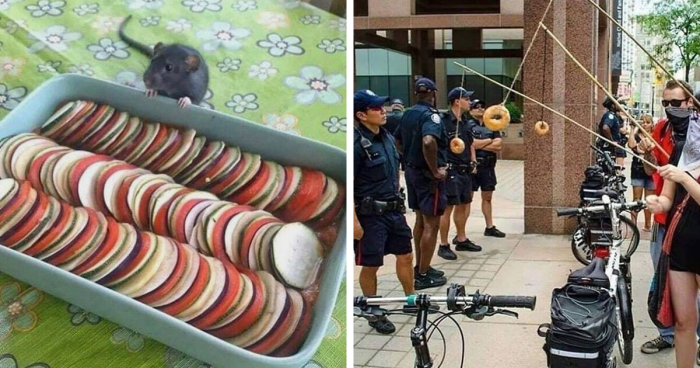
Some images make you smile. Some images make you slowly close your laptop and stare at a wall. And then there are “blursed” images: the chaotic middle child of internet culture, somehow wholesome and cursed at the same time. They are the visual equivalent of finding a heart-shaped potato in your kitchen, then realizing it appears to be judging your life choices.
The phrase “blursed” combines “blessed” and “cursed,” and it perfectly describes photos that create two opposite reactions at once. You laugh, but your eyebrows are concerned. You feel joy, but also the need to call a trusted adult. This strange emotional tug-of-war is exactly why Instagram pages dedicated to blursed imagery have become such scroll-stopping favorites. One of the best-known examples, the “daily blursed image” style of account, thrives on sharing photos and memes that sit right on the border between adorable, absurd, hilarious, and deeply confusing.
In an internet landscape packed with polished selfies, staged product shots, and perfectly symmetrical brunch plates, blursed images feel like a raccoon wearing a tiny backpack: unexpected, questionable, and impossible to ignore. They remind us that reality is still the funniest content creator alive.
What Makes an Image “Blursed”?
A blursed image is not simply weird. Weird is easy. A banana taped to a wall is weird. A blursed image needs emotional contradiction. It has to contain something comforting and something unsettling, usually in the same frame. The best examples make your brain say, “Aww,” while your survival instincts whisper, “Absolutely not.”
Think of a dog wearing sunglasses while sitting like a retired accountant. That is blessed. Now imagine the dog is sitting in an abandoned shopping cart at 2 a.m. under fluorescent lighting. That is cursed. Put the two together, and congratulations: you have entered the blursed zone.
These images often rely on missing context. We do not know who built the chair made of doll heads, why someone gave a mannequin a bowl haircut, or what inspired a restaurant to serve soup in a shoe-shaped bowl. The absence of explanation is part of the joke. The internet does not hand us a neat answer; it hands us a visual riddle and says, “Good luck, champ.”
Why Instagram Is Perfect for Blursed Imagery
Instagram was built around visual impact, and blursed content understands that better than almost anything. A normal photo asks for attention. A blursed photo takes attention hostage. You do not calmly scroll past a cat standing upright in a grocery aisle like it is comparing cereal prices. You stop. You zoom. You question physics, biology, and the entire pet food industry.
Blursed imagery also works well because it is instantly shareable. You do not need a long caption to understand the mood. The confusion is the message. Friends send these images to each other with comments like “why,” “help,” or “this is you,” which is both an insult and a bonding ritual.
The format also benefits from Instagram’s fast-paced feed. A blursed post can deliver an entire comedy sketch in one frame. No setup. No punchline. Just a photo of a birthday cake shaped like a realistic fish and the sudden awareness that someone somewhere paid money for it.
50 Types of Confusing Blursed Images That Break the Brain
Instead of copying images directly, it is more useful to understand the common categories that make these posts so funny. The most confusing blursed images usually fall into a few delightfully unhinged families.
1. Animals Acting Too Human
Pets are already meme royalty, but blursed animals reach another level when they appear to understand taxes. A dog sitting upright at a dinner table, a cat peering through blinds like a neighborhood detective, a raccoon holding food with suspicious dignity, or a bird looking offended by modern society can all qualify. The blessed part is the animal. The cursed part is realizing it may have a stronger personality than most people in your group chat.
2. Food That Should Have Stayed an Idea
Food crimes are a reliable source of blursed energy. A hot dog inside a donut, spaghetti served in a drinking glass, pizza topped with candy, or a cake decorated to look like raw meat creates instant emotional conflict. You admire the commitment. You fear the consequences. Somewhere in the distance, an Italian grandmother senses a disturbance in the sauce.
3. Accidental Optical Illusions
Some of the best blursed images happen by accident. A perfectly timed shadow turns a dog into a mythical beast. A person’s arm appears to belong to someone else. A chair leg lines up with a human leg and creates a creature no scientist wants to name. These images work because your brain tries to solve them and briefly files a complaint with management.
4. DIY Projects With Dangerous Confidence
The internet loves a creative home project. It also loves a creative home project that looks like it was completed during a power outage using only optimism. Blursed DIY includes toilets turned into planters, chandeliers made of kitchen utensils, chairs repaired with duct tape and hope, and “custom” shelving that appears to be negotiating with gravity.
5. Mannequins, Dolls, and Other Silent Troublemakers
Few objects produce blursed energy faster than mannequins. A store display with a mannequin wearing toddler clothes, a doll placed in an ordinary location, or a decorative figure staring directly at the camera can instantly shift a photo from funny to “please remove this from my memory.” The cursed feeling comes from their almost-human appearance. The blessed part, if we are being generous, is that they cannot run. Probably.
6. Signs That Say Too Much or Not Enough
Public signs are supposed to clarify things. Blursed signs do the opposite. A warning label that reads like a threat, a menu item with a suspiciously poetic name, or a bathroom sign designed by someone with a complicated sense of humor can leave viewers with more questions than answers. When a sign says “Do Not Feed the Floor,” it may be a typo, but emotionally, it is a prophecy.
7. Architecture With a Villain Origin Story
Some buildings look like they were designed after a long argument with common sense. Staircases leading nowhere, windows placed in impossible corners, doors that open into walls, or bathrooms with no privacy all belong in the blursed architecture hall of fame. These images are funny because they suggest someone measured twice, cut once, and then ignored the entire concept of usefulness.
8. Fashion Choices From Another Timeline
Fashion is subjective, but blursed fashion is universal. Shoes shaped like animals, pants with confusing pockets, shirts printed with accidental nightmare fuel, or hats that look like household appliances can be weirdly impressive. You may not want to wear them, but you have to respect the courage. Or at least the zipper placement.
9. Technology Used in the Wrongest Possible Way
Blursed tech images include laptops balanced on stoves, phones taped to walls as “security cameras,” keyboards with missing letters replaced by handwritten labels, and gaming setups that look like emergency command centers for a potato farm. These pictures feel cursed because something is clearly wrong, but blessed because the human will to improvise is undefeated.
10. Objects With Faces They Were Never Meant to Have
Humans are excellent at spotting faces in random places. Once you see a shocked expression in a wall outlet, a grumpy face in a washing machine, or a smiling potato, you cannot unsee it. These images are blursed because they make ordinary objects feel alive. Suddenly, your appliances are not appliances; they are roommates with opinions.
Why We Love Being Confused Online
Blursed images succeed because confusion is entertaining when it is harmless. In daily life, confusion is usually annoying. Nobody enjoys trying to understand a medical bill or figuring out why the printer has chosen violence. But online confusion is different. It is low-stakes, bite-sized, and shared with others. You can laugh at the weirdness without needing to fix it.
There is also a small thrill in seeing something that does not fit. The human brain loves patterns, and blursed images interrupt those patterns. A cat should not look like a tired landlord. A cake should not resemble a haunted ham. A bathroom should not have a glass door facing a restaurant dining room. When reality breaks its own rules, humor rushes in to fill the gap.
These images also offer a break from overly curated online life. Social media can sometimes feel like a parade of perfect vacations, perfect outfits, perfect apartments, and perfect people pretending they do not have laundry. Blursed imagery is refreshingly imperfect. It says, “Look, the world is strange, and nobody here knows what is happening either.” That honesty is weirdly comforting.
The Psychology of “Blessed + Cursed” Humor
Blursed humor works because it mixes emotional signals. One part of the image invites warmth, nostalgia, or amusement. Another part introduces discomfort, absurdity, or mild alarm. The result is cognitive whiplash. You are not sure whether to smile, cringe, laugh, or send the image to five friends with no explanation.
This is similar to why surreal memes and cursed images became popular across online communities. They reject traditional jokes and rely instead on vibes, surprise, and visual contradiction. The humor is not always “ha-ha” funny in the classic sense. Sometimes the joke is simply that something exists, and the internet has gathered to witness it.
In that way, blursed images are a perfect match for modern meme culture. They are quick, strange, participatory, and open to interpretation. Everyone brings their own reaction. One person sees a wholesome raccoon. Another sees a warning from the universe. Both are correct.
How Blursed Images Became a Social Media Staple
The rise of blursed imagery did not happen in isolation. It grew from older internet traditions: cursed images, reaction memes, surreal humor, niche Reddit communities, Tumblr weirdness, and Instagram repost culture. Over time, people developed a taste for images that were not just funny but emotionally confusing.
Instagram accounts helped package this chaos into an easy daily habit. A page that posts blursed content regularly becomes a kind of digital oddities museum. You visit not because you know what you will see, but because you absolutely do not. The surprise is the product.
These accounts also thrive because blursed images are conversation starters. A normal vacation photo might get a polite “nice!” A blursed image of a chair with human-like legs will get an entire debate, three jokes, and one person asking whether humanity has gone too far. Engagement is baked into the confusion.
What the 50 Most Confusing Blursed Images Have in Common
The most memorable blursed images usually share five traits. First, they are visually clear enough to understand quickly. Second, they contain something familiar, such as a pet, a meal, a room, or a household object. Third, they introduce one detail that does not belong. Fourth, they avoid overexplaining. Fifth, they make viewers want to show someone else immediately.
That last point matters. Blursed content is social by nature. The image itself is only half the experience. The other half is watching your friend react with the exact same expression you made ten seconds earlier. Confusion becomes communal. Everyone stands around the digital campfire, staring at a photo of a shoe full of spaghetti, quietly accepting that civilization is complicated.
Why Brands and Creators Should Pay Attention
Blursed imagery may look like random chaos, but it offers useful lessons for content creators, meme pages, and even brands. The biggest lesson is that originality often beats polish. Not every successful image needs studio lighting and a twenty-step content calendar. Sometimes the most memorable post is the one that feels impossible to categorize.
That does not mean brands should start posting cursed soup or mannequins in parking lots. Please do not make the intern do that. But the popularity of blursed images shows that audiences respond to surprise, personality, and authenticity. People are tired of content that feels too clean to be human. They want posts that create a reaction.
For creators, the formula is simple but not easy: find the unexpected, preserve the mystery, and let the audience do some of the interpreting. A blursed image becomes stronger when it leaves space for comments, captions, and debates. The best posts do not answer every question. They politely set the questions on fire.
How to Enjoy Blursed Content Without Losing Your Grip on Reality
Scrolling through blursed images is fun, but it is wise to pace yourself. After twenty images of unsettling cakes, haunted appliances, and pets making human facial expressions, even the strongest viewer may need a glass of water and a normal picture of a tree.
The trick is to enjoy the weirdness as a reminder that the internet still has playful corners. Not every post has to be serious, argumentative, or optimized into dust. Sometimes a photo can simply be confusing. Sometimes confusion is enough. Sometimes a picture of a dog wearing a wig in a shopping cart is exactly the cultural reset we deserve.
Personal Experiences With Blursed Imagery: A Love Letter to Internet Confusion
My first real encounter with blursed imagery felt less like discovering a meme category and more like accidentally walking into a room where every object had made a questionable life decision. I remember seeing a photo of a homemade cake that was clearly baked with love, but decorated with a face that looked like it had just received terrible financial news. It was sweet. It was terrifying. It was dessert with emotional baggage. Naturally, I sent it to a friend immediately.
That is the magic of blursed images: they turn confusion into a shared experience. You rarely want to suffer through them alone. When a picture hits that perfect blessed-cursed balance, the instinct is not to keep it private. The instinct is to forward it with a message like, “I need you to see this,” because friendship is partly about emotional support and partly about making someone else look at a chair shaped like a frog.
Over time, I began noticing blursed moments outside the internet too. A grocery store display where the bananas looked unusually threatening. A restaurant sign advertising “warm salad” with too much confidence. A garden gnome placed in a window at eye level, staring into the street like it knew local secrets. Once you understand blursed imagery, you start seeing it everywhere. The world becomes a scavenger hunt for accidental absurdity.
There is also something strangely comforting about these images. They remind us that perfection is not the only thing worth sharing. A blurry photo, a strange angle, a bizarre object, or a failed project can be more memorable than a polished post. In a way, blursed images celebrate the messy creativity of everyday life. They are proof that people keep making things, arranging things, cooking things, fixing things, and photographing things even when the final result raises several legal and spiritual questions.
One of the funniest parts of blursed culture is how personal the reactions can be. Show the same image to five people, and you may get five completely different responses. One person laughs. One person says, “That’s actually cute.” One person asks why humans are allowed to own glue guns. One person saves it for later. One person silently leaves the chat. The image becomes a personality test nobody asked for.
Blursed imagery also teaches a useful lesson about attention. Online, we are surrounded by content fighting to be beautiful, shocking, inspirational, or controversial. But blursed images win by being hard to explain. They interrupt the scroll not with perfection, but with mystery. They make the viewer pause and think, “What exactly am I looking at, and why do I respect it?” That pause is powerful.
In the end, the appeal of a page full of blursed images is not just the weird photos themselves. It is the feeling of wandering through a museum curated by a raccoon, a sleep-deprived designer, and someone’s uncle who owns too many power tools. Every post is a tiny surprise. Every image is a reminder that reality has excellent comedic timing. And every confusing picture gives us one more reason to laugh at the strange, wonderful, slightly cursed planet we all share.
Conclusion
Blursed imagery is one of the internet’s most entertaining contradictions. It is cute and creepy, funny and unsettling, familiar and completely unexplainable. Instagram pages dedicated to this niche have turned everyday weirdness into a reliable source of laughter, conversation, and mild existential confusion. Whether the image features a suspiciously human pet, a food experiment with no witnesses willing to testify, or a DIY project held together by ambition, the best blursed posts remind us that the internet is still capable of surprise.
And maybe that is why we keep coming back. In a digital world overflowing with polished content, blursed images feel wonderfully human. They are messy, odd, unexpected, and strangely charming. They do not ask to be understood. They simply appear, confuse everyone, and leave the group chat stronger than before.
Note: This article is fully rewritten in original wording for web publishing, based on real internet meme culture and public information about blursed imagery, without copied source text or unnecessary citation placeholders.










