
In medicine, some discoveries arrive wearing a lab coat, carrying a clipboard, and backed by a million-dollar research grant. Others show up in a small examination room, on an ultrasound screen, in a city far from the world’s biggest hospitals, where one doctor refuses to shrug at something that does not look right. The story of Dr. Adriana Melo, a Brazilian obstetrician who helped reveal the link between Zika virus and severe fetal brain abnormalities, belongs firmly in the second category.
Before Zika became a household word, it was often treated as a mild mosquito-borne virus. A rash here, a fever there, maybe some joint pain, and then back to normal life. It did not look like the kind of virus that could shake global public health, frighten pregnant families, and send researchers racing for answers. But in 2015, in northeastern Brazil, doctors began seeing babies and fetuses with unusually severe brain development problems. Many people doubted that Zika could be responsible. Some thought the connection was coincidence. Others blamed pesticides, vaccines, poverty, bad data, or “probably anything except the mosquito,” because public health debates sometimes come with a full buffet of denial.
Dr. Melo did not have the luxury of pretending everything was normal. As a high-risk pregnancy specialist in Campina Grande, Paraíba, she saw pregnant patients whose ultrasounds showed fetal abnormalities that were difficult to explain. Instead of filing those findings away as tragic mysteries, she investigated. Her work helped push the world toward one of the most important conclusions of the Zika outbreak: infection during pregnancy could damage fetal development and cause microcephaly and other serious birth defects.
Who Was the Doctor Who Challenged Zika Skepticism?
Dr. Adriana Suely de Oliveira Melo is an obstetrician from Brazil who specializes in maternal and fetal health. During the 2015 Zika outbreak, she became one of the first physicians to identify a possible connection between Zika virus infection in pregnancy and serious fetal brain abnormalities. She was not working from a famous research tower with polished marble floors and a coffee machine that understood oat milk. She was working close to the front line, where pregnant women needed answers immediately.
Her setting matters. Northeastern Brazil was one of the regions hit hard by Zika, dengue, and other mosquito-borne illnesses. In communities already dealing with limited resources, a new wave of fetal abnormalities was not just a scientific puzzle. It was a human emergency. Families were scared. Doctors were confused. Public health officials needed proof. And proof, as every scientist knows, is rarely polite enough to arrive early.
The Zika Virus Before the Crisis
Zika virus was first identified in Uganda in 1947 and later found in humans in the 1950s. For decades, it received relatively little global attention compared with dengue, malaria, or yellow fever. Most infections appeared mild or even symptom-free. That reputation helped explain why early warnings about Zika and birth defects sounded surprising to many experts.
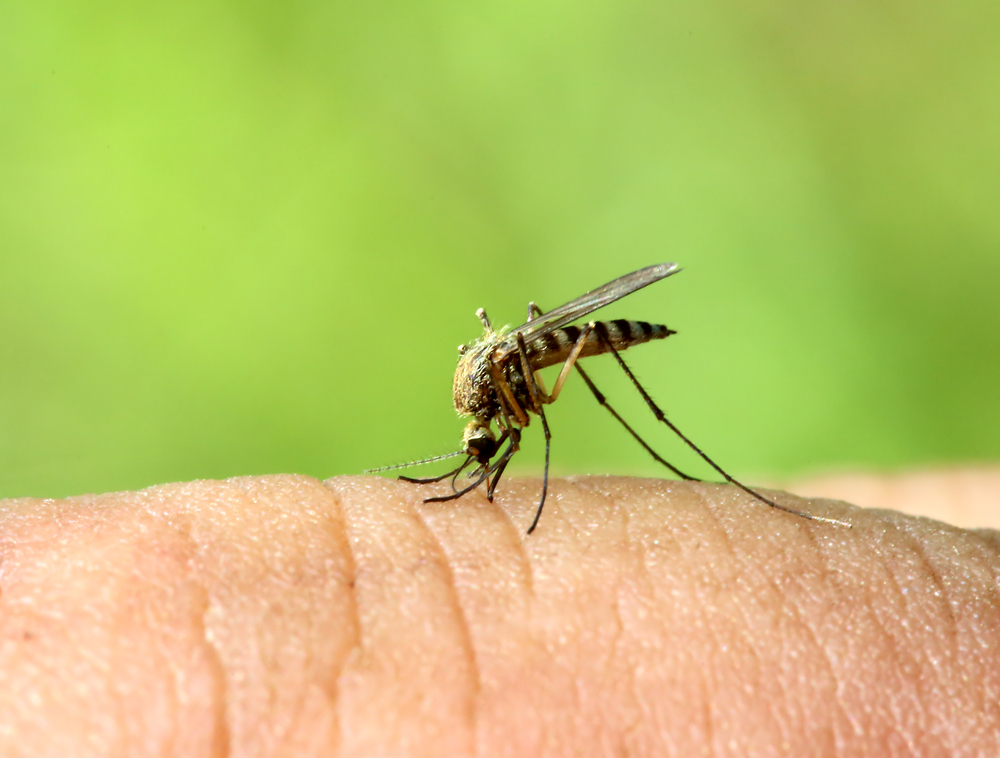
The virus spreads mainly through the bite of infected Aedes mosquitoes, especially Aedes aegypti, a mosquito that seems personally committed to ruining tropical vacations and public health departments. Zika can also spread through sex, blood exposure, and from a pregnant person to a developing fetus. Common symptoms include rash, fever, joint pain, and red eyes, but many infected people never notice symptoms at all.
That last detail made the outbreak especially dangerous. A virus that loudly announces itself is easier to track. A virus that tiptoes through communities while causing serious harm during pregnancy is a much harder enemy. Zika’s mild appearance in adults masked its potential impact on fetal development.
What Dr. Melo Saw That Others Missed
In 2015, Dr. Melo examined pregnant patients whose fetuses showed alarming signs on ultrasound. The heads were unusually small, but the problem went beyond head size. There were signs of brain damage, calcifications, and developmental abnormalities that did not fit the usual patterns. These were not routine findings. They were the kind of images that make an experienced doctor sit up straighter and quietly cancel any hope of an easy afternoon.
At the same time, many pregnant women had reported symptoms consistent with Zika infection earlier in pregnancy. Dr. Melo began connecting the dots: rash, fever, mosquito exposure, abnormal fetal scans. The idea that Zika might be harming fetal brains was still controversial, but the pattern was too strong to ignore.
Her next step was crucial. She helped obtain amniotic fluid samples from affected pregnancies for laboratory testing. When Zika virus was detected in fetal-related samples, the suspicion became much harder to dismiss. It was no longer just “a doctor saw something strange.” It became clinical observation supported by biological evidence.
Why So Many People Doubted the Zika Link
Skepticism is not always bad. In science, doubt is a tool. It keeps people from accepting weak evidence too quickly. The problem begins when doubt becomes a comfortable chair that nobody wants to get out of. During the early Zika crisis, doubters had several arguments.
“Zika Was Always Mild”
For years, Zika had been described as a relatively mild illness. That history made it difficult for some experts to accept that it could suddenly be associated with severe congenital abnormalities. But viruses can behave differently when they enter new populations, spread widely, or infect people at vulnerable stages of pregnancy.
“Correlation Does Not Prove Causation”
This was a fair concern. Just because Zika cases and microcephaly cases rose at the same time did not automatically prove one caused the other. Public health officials needed epidemiological evidence, laboratory findings, imaging studies, and case comparisons. Dr. Melo’s observations were not the final answer by themselves, but they were one of the sparks that pushed researchers to look harder.
“Maybe Something Else Caused It”
Alternative theories spread quickly. Some people blamed insecticides. Others blamed vaccines or environmental contamination. In a crisis, the internet can turn into a very loud uncle at Thanksgiving: confident, emotional, and not always invited by evidence. Scientists had to test these possibilities, but over time the evidence supporting Zika as a cause became stronger and stronger.
How Science Confirmed What Dr. Melo Suspected
By 2016, research teams around the world were studying the connection between Zika virus and birth defects. The evidence came from several directions. Laboratory testing found Zika virus in fetal tissue and amniotic fluid. Imaging studies showed distinctive patterns of brain injury. Epidemiological studies found higher rates of birth defects after maternal Zika infection. Public health surveillance tracked cases across affected regions.
In April 2016, the U.S. Centers for Disease Control and Prevention concluded that Zika virus was a cause of microcephaly and other severe fetal brain defects. That announcement marked a turning point. The link was no longer a fringe concern or a frightening guess from a few doctors in Brazil. It had become a public health fact backed by multiple lines of scientific evidence.
The term “congenital Zika syndrome” later became important because the damage was not limited to microcephaly. Some babies had eye abnormalities, joint problems, movement difficulties, seizures, feeding challenges, hearing issues, and developmental delays. Some infants appeared less severely affected at birth but later showed neurological or developmental problems. Zika had not merely caused “small heads.” It had disrupted fetal development in complex ways.
Why Dr. Melo’s Work Was So Important
Dr. Melo’s contribution was not just that she noticed something unusual. Many people notice unusual things. Your neighbor notices every time someone parks slightly wrong. The difference is that Dr. Melo acted on what she saw. She connected clinical care with investigation. She listened to patients. She followed the evidence. She pushed for testing. She spoke publicly even when the science was still developing and skepticism was intense.
That kind of courage matters in medicine. A doctor who raises an early alarm risks being wrong. And being wrong in public is not exactly a spa day. But failing to raise the alarm can be far worse when pregnant patients and babies are at risk. Dr. Melo helped shift the response from passive observation to urgent investigation.
Her work also showed the power of frontline medicine. Breakthroughs do not always begin in elite institutions. Sometimes they begin with physicians who know their patients, understand local patterns, and trust their clinical instincts enough to ask uncomfortable questions.
The Human Side of the Zika Outbreak
Behind every scientific headline were families facing impossible uncertainty. Pregnant women wondered whether a rash months earlier had changed their baby’s future. Parents of affected children searched for therapy, medical care, and support. Doctors had to explain risks that were still being studied. Public health agencies had to issue guidance while evidence was still evolving.
The Zika crisis was especially painful because pregnancy already comes with enough worry. Add a mosquito-borne virus, uncertain testing, changing travel guidance, and online rumors, and suddenly expecting parents were being asked to become amateur epidemiologists before breakfast. Dr. Melo’s work helped give those families something better than rumor: evidence.
That evidence did not make the situation easy, but it made informed decisions possible. It supported travel warnings for pregnant women, improved prenatal monitoring, expanded birth defect surveillance, and accelerated research into diagnostics, vaccines, and mosquito control.
What the Zika Story Teaches About Medical Doubt
The phrase “proved doubters wrong” can sound like a courtroom drama, complete with dramatic music and someone slamming a folder on a table. Real science is messier. Dr. Melo did not defeat doubt by shouting louder. She helped defeat it by gathering better evidence.
That distinction is important. Good medicine does not ask people to “believe the doctor” just because the doctor says so. It asks people to follow the strongest available evidence, update conclusions when new data arrives, and take prevention seriously when the stakes are high. Dr. Melo’s story is inspiring because it shows skepticism being answered the right way: with observation, testing, collaboration, and persistence.
The Role of Public Health After the Discovery
Once the Zika-microcephaly link became clearer, health agencies moved quickly. Pregnant women were advised to avoid travel to areas with active transmission. Clinicians were told to evaluate possible exposure. Blood donation safety measures were strengthened. Researchers studied how the virus crossed the placenta and affected the developing brain. Communities intensified mosquito-control efforts.
None of these steps were perfect. Public health rarely gets to operate in perfect conditions. It works with limited time, uneven resources, political arguments, and mosquitoes that absolutely refuse to read government memos. Still, the response showed why early clinical warnings matter. Without doctors like Melo raising concerns, the global response may have been slower.
Why Zika Still Matters Today
The explosive 2015–2016 Zika outbreak faded from daily headlines, but the virus did not disappear from public health concern. Zika risk varies by region and time, and outbreaks can occur when environmental conditions, mosquito populations, and human susceptibility align. The lessons remain relevant for travelers, clinicians, researchers, and families planning pregnancy.
Today, the most practical advice remains grounded in prevention and awareness. People who are pregnant or planning pregnancy should talk with healthcare professionals before traveling to areas where Zika risk may exist. Mosquito bite prevention still matters: EPA-registered repellents, long sleeves, screens, air conditioning, and avoiding standing water are not glamorous, but neither is explaining to a mosquito that it has violated your personal boundaries.
Sexual transmission also matters because Zika can spread from an infected person to a partner. That detail changed how health officials advised couples during and after travel. It also reminded the public that mosquito-borne diseases are not always only about mosquitoes.
The Doctor’s Legacy: Listening Before the World Is Ready
Dr. Adriana Melo’s legacy is not only about Zika. It is about the kind of medicine that listens closely when reality does not match expectations. She saw a pattern before the world had a neat explanation. She treated patients while also helping science move forward. She challenged doubt without abandoning caution.
Her story belongs with other examples of medical courage: clinicians who noticed unusual cancers early in the AIDS epidemic, doctors who recognized new respiratory outbreaks, nurses who saw unsafe patterns in hospitals, and researchers who asked why “normal” explanations were not enough. Progress often begins when someone says, “This does not fit. We need to look again.”
Experiences and Reflections: What This Story Feels Like From the Ground
When people read about Zika now, it can feel like a chapter from a public health textbook: outbreak, investigation, conclusion, guidance. Clean. Organized. Almost tidy. But living through a medical mystery is not tidy at all. It feels more like trying to assemble furniture without instructions while the furniture is also on fire.
Imagine being a pregnant patient in northeastern Brazil in 2015. You may have had a rash months earlier. Maybe you thought it was dengue. Maybe you thought it was an allergy. Maybe you did not feel sick at all. Then an ultrasound shows something is wrong. The doctor is careful, but her face changes. Suddenly, ordinary words like “measurement” and “development” become heavy. You go home and search for answers, but the answers are still being written.
Now imagine being the doctor. You have seen difficult pregnancies before. You know medicine includes uncertainty. But this pattern is different. More cases appear. The images are disturbing. The mothers’ stories sound similar. You suspect a virus that many experts still consider mild. You know you need proof, but you also know time matters. Each week brings more patients. Each delay feels expensive in human terms.
This is where Dr. Melo’s experience becomes powerful. She did not wait for the world to be comfortable. She did what good clinicians do: she paid attention. She asked better questions. She pushed for testing. She followed the evidence even when it led somewhere frightening. That is not cinematic heroism with a cape and theme music. It is the quieter kind, performed under fluorescent lights, with tired eyes and a waiting room full of people who need you to keep going.
The Zika story also offers a lesson for the rest of us. In a crisis, people often want certainty before taking action. Unfortunately, certainty usually arrives late, wearing sweatpants, after the difficult decisions have already started. Public health must often act on strong concern before every mechanism is fully mapped. That does not mean panicking. It means using the best available evidence with humility and urgency.
For writers, teachers, parents, and everyday readers, Dr. Melo’s story is a reminder that expertise is not only about having answers. Sometimes it is about recognizing when the old answers have stopped working. It is about noticing the outlier, respecting the patient’s story, and refusing to let bureaucracy flatten a warning signal into background noise.
There is also a communication lesson here. Early in the outbreak, the public heard mixed messages: Zika was mild, but maybe dangerous; avoid travel, but evidence was incomplete; microcephaly was rising, but causation was not proven. Confusing? Absolutely. But that is how science sounds while it is still happening. The better response is not to mock uncertainty. It is to explain it clearly.
Dr. Melo’s experience shows why local doctors must be taken seriously. Global health depends on people close to patients, not just people close to microphones. A single ultrasound room in Paraíba helped alert the world to a danger that international agencies later confirmed. That should humble everyone who assumes important discoveries only come from famous institutions.
Most of all, this story is about responsibility. Dr. Melo could have stayed silent until every expert agreed. She could have treated each case as isolated. She could have waited for someone more powerful to speak first. Instead, she helped move the question forward. In doing so, she gave families, doctors, and public health officials a chance to respond sooner.
That is why her story remains inspiring. She did not prove doubters wrong by trying to win an argument. She proved them wrong by caring enough to investigate, document, and persist. In a world that often rewards loud certainty, Dr. Adriana Melo showed the strength of careful attention. And sometimes, careful attention is exactly what saves lives.
Conclusion
The story of Dr. Adriana Melo and the Zika virus is a powerful reminder that medical breakthroughs often begin with one professional refusing to ignore what patients are showing her. When Zika was still widely viewed as a mild illness, Melo saw evidence that suggested something far more serious was happening during pregnancy. Her observations, testing efforts, and persistence helped push the global medical community toward recognizing the link between Zika infection and congenital brain abnormalities.
Her work did more than prove skeptics wrong. It helped protect future families, improve public health guidance, and expand scientific understanding of congenital Zika syndrome. The larger lesson is clear: when frontline doctors speak from evidence and compassion, the world should listen carefully. Sometimes the first alarm is not loud. Sometimes it is an ultrasound image, a worried mother, and a doctor brave enough to say, “We need to know why.”
Note: This article is written for informational and educational purposes, based on established public health research and historical reporting about the Zika outbreak, congenital Zika syndrome, and Dr. Adriana Melo’s role in identifying the early warning signs.













