
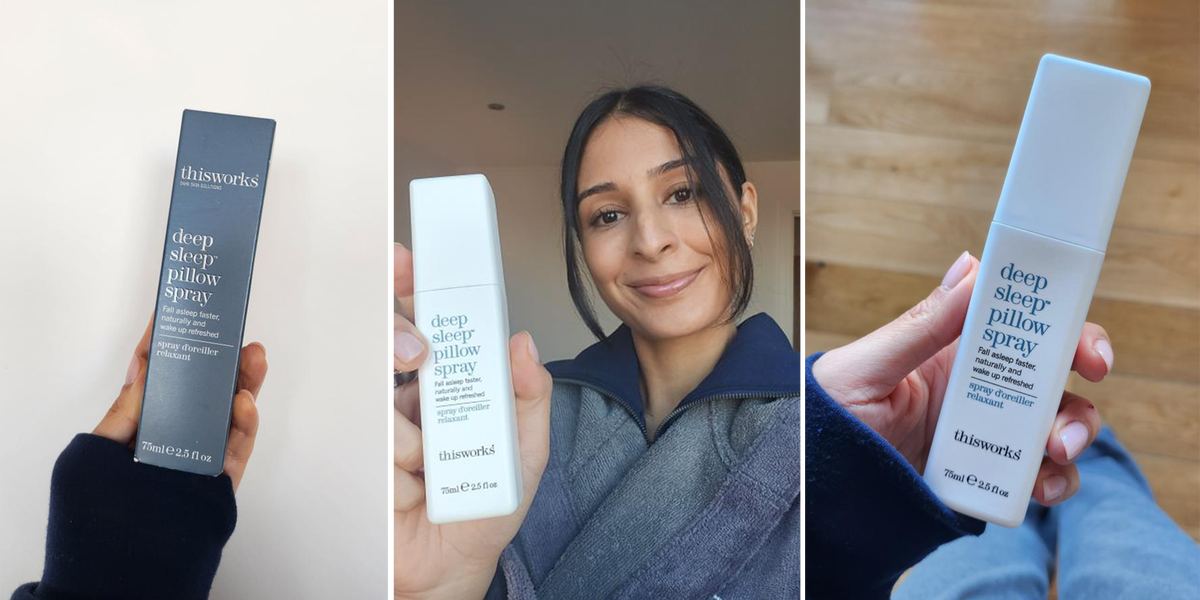
Some sleep products arrive with the subtle energy of a lab report. This one arrives like a spa in a bottle. This Works Deep Sleep Pillow Spray has been floating around beauty shelves, bedside tables, hotel rooms, and shopping roundups for years, but lately it has picked up fresh momentum as a viral sleep aid people swear by when their brains refuse to clock out. The promise is simple: a few sprays on your pillow, a calming cloud of scent, and a softer landing into sleep.
That sounds lovely. It also sounds a tiny bit suspicious, because a pillow mist that claims to help you fall asleep faster is walking straight into a crowded field of bedtime tea, white noise, melatonin gummies, magnesium drinks, silk pillowcases, and that one friend who insists breathing exercises changed their life. So, does This Works Pillow Spray actually earn its cult status, or is it just expensive lavender wearing a fabulous trench coat?
After digging into product information, customer reactions, editor reviews, and the broader science around aromatherapy and sleep, my verdict is this: it works best as a wind-down tool, not a knockout button. If your main problem is a busy mind, bedtime stress, or the classic “I am physically tired but mentally writing emails in my head” situation, this spray has a very good chance of becoming part of your nightly routine. If you have chronic insomnia, severe sleep disruption, or strong scent sensitivities, it may be more “nice ritual” than “sleep miracle.”
What is This Works Pillow Spray?
The product most people mean when they talk about “This Works Pillow Spray” is the brand’s Deep Sleep Pillow Spray. It is a bedtime linen and pillow mist designed to create a calming pre-sleep atmosphere. The signature formula centers on three scent notes: lavender, camomile, and vetivert. In the U.S. line, it is sold in multiple sizes, including 75ml, 150ml, 250ml, and 400ml, which is helpful whether you want a travel-friendly bottle or the “I fully commit to my bedtime fragrance” size.
On paper, the formula checks a lot of modern shopper boxes. It is marketed as vegan and cruelty-free, and the brand positions it as a natural aromatherapeutic sleep spray. That matters because this is not pitched as a supplement or a sedative. It is closer to a sensory cue: spray it on your pillow, inhale the scent as you settle in, and let your brain start associating that smell with rest.
The brand also says it is backed by user trials and neuroscience-led fragrance development, which sounds impressive and certainly helps the product stand out in a crowded sleep-spray category. But more on that in a minute, because “science-backed” in wellness can range from genuinely useful to aggressively decorative.
Why has it gone so viral?
Part of the answer is simple: it is easy to understand. No pills, no prep, no learning curve, no app, no bedtime math. You spray your pillow. That is the whole plot. In a world where some sleep routines look like an Olympic warm-up mixed with a skincare fridge, that simplicity is powerful.
The other reason is that the product hits a sweet spot between beauty, wellness, and sleep support. It has been featured by major shopping and lifestyle publications, picked up celebrity-adjacent buzz, and attracted a mountain of retailer reviews. That creates the exact kind of momentum that turns a product from “niche bedtime mist” into “the sleep spray everyone keeps talking about.”
And honestly, I get it. A spray feels more romantic than a tablet. It makes bedtime feel intentional rather than medicinal. That matters more than people admit. Sleep is not just biology; it is also ritual, environment, and the thousand tiny cues that tell your brain the day is over.
First impressions: what does it smell like?
If you are expecting a single-note lavender spray, this is more polished than that. Lavender is the headline, but it is not the whole band. The camomile softens the scent, and the vetivert adds a grounding, slightly earthy depth that keeps the fragrance from becoming too sweet, too powdery, or too grandma’s-dresser-drawer. It smells calm, clean, and a little expensive.
The scent profile is probably one of the biggest reasons people love it. Plenty of sleep sprays smell either so faint they disappear before your head hits the pillow or so strong they feel like your bedding has joined a fragrance counter. This one usually lands in the middle. It is noticeable, but not typically obnoxious, assuming you do not overspray like you are trying to fumigate anxiety itself.
That said, scent is wildly personal. If you dislike herbal fragrances, dislike lavender, or get headaches from perfume-adjacent products, this could be a hard no. One of the most useful truths from customer feedback is that even fans of the formula admit the scent does a lot of the heavy lifting. If the smell is not for you, the whole experience falls apart fast.
How do you use it?
The usage is charmingly low-effort. A few sprays over your pillow or bedding before bed, then lights out. That is it. No steeping, chewing, dissolving, blending, or pretending you enjoy tart cherry concentrate. I respect a bedtime product that does not ask me to complete homework.
For best results, though, the spray works most convincingly when paired with an actual wind-down routine. Think dimmer lighting, fewer screens, cooler room temperature, and a more consistent bedtime. In other words, this mist is a supporting actor, not the entire cast. Spray it onto a pillow while doomscrolling under bright overhead lights with three iced coffees in your bloodstream, and the bottle cannot save you from your choices.
Does the science support a sleep spray like this?
This is where the review gets more interesting than “smells nice, slept fine.” The short version: there is some evidence that lavender aromatherapy may support relaxation and sleep quality for certain people, but the evidence is mixed and not strong enough to treat it like a medical sleep solution.
That is the grown-up answer, and it is important. Sleep experts generally agree that aromatherapy sprays can be helpful for creating a more relaxing bedroom environment. Lavender, in particular, has been studied more than most essential-oil scents and is often associated with calming effects. Some research suggests it may help improve sleep quality or help people feel more relaxed before bed.
But official health guidance also throws a necessary glass of cold water on the hype. Aromatherapy is not a cure for insomnia. It is not guaranteed to work for everyone. And if you have significant scent sensitivities, allergies, asthma, or fragrance-triggered headaches, a pillow spray can backfire spectacularly. Also, if your sleep problems are chronic, severe, or tied to anxiety, depression, sleep apnea, medication, or a medical condition, this is not a substitute for proper care.
So yes, the science gives this category some credibility. No, it does not mean your pillow has been transformed into a medically certified sedative cloud. The sweet spot is this: it may help make a good bedtime routine better.
So, does This Works Pillow Spray actually work?
In real-life terms, yes, for the right sleeper. If your problem is that you feel wired at night, mentally noisy, or stuck in “one more thought before bed” mode, this spray makes a noticeable case for itself. The scent creates a fast sensory signal that the day is done. It can feel like a mental punctuation mark. Not a dramatic shutdown, but a gentle “Okay, brain, we are closed.”
What I like most about the product is that its benefits do not rely on fantasy. It does not need to put you into a coma to be useful. If it helps you relax faster, settle sooner, and associate bedtime with calm instead of friction, that is already a win. Many reviewers describe exactly that: not unconsciousness in five seconds, but less tossing, less mental chatter, and a softer transition into sleep.
Where it may disappoint is if you want a guaranteed cure-all. This spray is not stronger than poor sleep hygiene, stress, inconsistent schedules, heavy late-night meals, or actual insomnia. It also does not appear to work equally well for everyone. Even on premium retailers, the critical reviews tell a familiar story: some people simply think it makes the pillow smell nice and little else. That is not failure, exactly. It just means the product’s magic lives in the overlap of scent preference, bedtime habits, and your personal sleep struggles.
What I liked
- The scent is sophisticated. It smells calming without veering into syrupy or aggressively floral.
- The routine is easy. Spray, breathe, sleep. Bedtime products do not need to be complicated to be effective.
- It feels genuinely soothing. For many people, that mental shift is half the battle.
- The formula has broad appeal. Vegan, cruelty-free, and sold in multiple sizes is a nice practical bonus.
- It travels well. The smaller bottle makes sense for hotel rooms, flights, or any place where sleep feels suspicious.
What I did not love
- It is not cheap for scented water with ambitions. If your budget is tight, you will notice the price.
- Results vary a lot. This is not a sure thing, and the mixed reviews prove it.
- The scent could be too strong for some sleepers. Sensitive noses may not enjoy the experience.
- It can be overhyped. Calling it a “viral sleep aid” is fair; expecting it to solve serious insomnia is not.
Who should buy This Works Deep Sleep Pillow Spray?
This spray makes the most sense for people who already like herbal, lavender-forward scents and want a bedtime ritual that feels calming, low-effort, and a little luxurious. It is especially appealing if you struggle more with winding down than with clinically serious sleep issues. It also makes sense for frequent travelers, because unfamiliar rooms are exactly where comforting sensory cues pull extra weight.
On the other hand, I would skip it if you are highly sensitive to fragrance, dislike lavender, or are expecting the effect of a medication from a room-and-linen mist. Also, if you find yourself regularly unable to sleep despite being exhausted, waking up gasping, snoring heavily, or dragging through the day no matter what you try, that is the moment to look beyond trendy sleep products and talk to a clinician.
Final verdict
This Works Pillow Spray is good. In the right routine, it can be very good. It earns its popularity because it makes bedtime feel calmer, more intentional, and more inviting. The formula smells polished, the ritual is easy, and the product fits neatly into the kind of sensory bedtime routine many people find helpful. I would not call it a miracle, but I would absolutely call it a smart little luxury.
So, did I drift off in seconds? Let us be emotionally honest and say: sort of, in a metaphorical sense. Not stopwatch seconds. Not cartoon-snoring-within-three-breaths seconds. More like my brain stopped fighting bedtime sooner than usual. And for a product that lives on your pillow instead of in your medicine cabinet, that is a pretty respectable achievement.
Extended experience: what it felt like living with this viral sleep aid
The first night I used This Works Deep Sleep Pillow Spray, I made the classic mistake of expecting fireworks. I sprayed the pillow, laid down, and basically waited for the fragrance equivalent of a velvet curtain to fall over my consciousness. That is not what happened. Instead, what I noticed was quieter and, honestly, more believable. The room felt softer. My pillow felt more inviting. My brain, which normally likes to host a surprise committee meeting around bedtime, seemed slightly less interested in bringing up every awkward conversation I have had since 2009.
By the second and third nights, the appeal made more sense. The spray was not “doing sleep” for me; it was helping create the conditions where sleep had a better shot. That distinction matters. There is a big difference between a product that sedates you and one that nudges your body and mind toward a calmer rhythm. This one clearly lives in the second camp.
I also started noticing how much of the experience came from consistency. On nights when I sprayed the pillow, dimmed the lights, and stayed off my phone, the effect felt real. I relaxed faster. My breathing slowed down a little sooner. I was less likely to keep shifting around trying to find the perfect sleeping position like I was negotiating a peace treaty with my mattress. On nights when I sprayed the pillow and then scrolled through stressful headlines under bright screen light, the mist did its best, but it was basically bringing a scented spoon to a knife fight.
The scent itself stayed interesting over time. Some bedtime fragrances get old fast because they are too sweet, too heavy, or too one-note. This one stayed pleasant because the vetivert gave it a grounded, almost earthy backbone. Lavender led the opening, but the finish was smoother and more grown-up than a basic essential-oil spritz. It smelled intentional, not homemade.
Another thing I appreciated was that it made bedtime feel like an event I wanted to show up for. That sounds dramatic, but if you have ever spent a stressful season half-dreading the moment your head hits the pillow because you know sleep will be a battle, you know how powerful that can be. A product does not need to cure insomnia to be useful. Sometimes it just needs to make your room feel less like a battleground and more like a place where rest is possible.
Would I rely on it as my only sleep strategy? No. But would I keep it on my nightstand, especially during busy, anxious, travel-heavy, or mentally cluttered weeks? Absolutely. It feels like a little cue to exhale. A tiny bedtime ritual with decent taste and better manners than most wellness fads. And in a market full of products that promise to transform your nights, that kind of quiet competence is surprisingly refreshing.














