
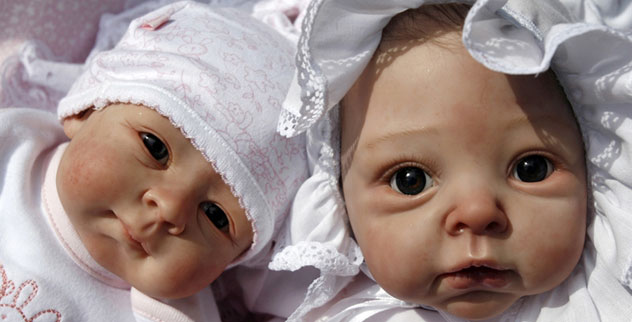
Children have a magical ability to look at a toy shaped like a screaming spider, a bubbling cauldron, or a plastic toilet that sprays water and say, “Yes. This is exactly what my childhood needs.” Adults, meanwhile, stare at the same toy and wonder whether civilization has peaked or slipped on a banana peel. Welcome to the wonderfully weird world of bizarre toys for kids.
The best bizarre toys are not simply strange for the sake of being strange. They surprise children, trigger laughter, invite pretend play, and sometimes teach patience, cause-and-effect, sensory exploration, or social turn-taking. They also tend to make grandparents ask, “What happened to blocks?” which is usually a sign that the toy is doing its job.
This list focuses on real toys and toy categories that have appeared in stores, toy awards, parenting guides, or official product lines. Some are gross. Some are noisy. Some are oddly charming. A few look like they were invented during a very long staff meeting after someone said, “What if the puppy pooped?” Still, many of these weird kids’ toys have genuine play value when chosen according to age labels, safety guidance, and a child’s personality.
What Makes a Toy “Bizarre” but Still Worth Playing With?
A bizarre toy usually has one or more unusual features: it reacts to sound, makes gross noises, changes texture, reveals a surprise, involves toilet humor, mimics a pet, or turns a normal activity into a miniature circus. For children, that weirdness is often the hook. It breaks routine. It makes play feel like an event.
Parents should still use common-sense toy safety rules. Read the age label, avoid small parts for children under 3, inspect batteries and seams, supervise messy play, and be extra careful with toys that contain magnets, button batteries, gel, water, or projectiles. “Bizarre” should mean funny and imaginative, not risky. A good strange toy makes kids giggle; it should not make anyone search “how to remove slime from ceiling fan” at midnight.
Top 10 Bizarre Toys for Kids
1. Yellies! Voice-Activated Spider Pets
Yellies! are fuzzy little spider-like toys that move when children talk, clap, sing, or yell. The louder the sound, the faster the toy scuttles. That is either brilliant interactive design or a direct challenge to every parent who has ever whispered, “Inside voices, please.”
What makes Yellies! bizarre is the way they reward noise. Most toys try to entertain children quietly. This one hears chaos and says, “Excellent. More.” Kids quickly learn cause and effect: sound creates motion, motion creates excitement, and excitement creates even more sound. For children who love active play, the toy can become a silly race, chase, or obstacle-course companion.
The parent angle is simple: this toy is best for households that can tolerate sudden bursts of joyful shrieking. It is a funny choice for playrooms, not necessarily for apartments with thin walls and neighbors named Mrs. Patterson.
2. Toilet Trouble Flushdown
Toilet Trouble Flushdown is exactly what it sounds like: a game built around a toy toilet that may spray water. Players spin, flush, and hope they are not the unlucky person who gets splashed. It is suspense, hygiene-adjacent comedy, and bathroom humor wrapped in one plastic throne.
Children love it because it has a simple emotional formula: anticipation plus surprise equals screaming laughter. The rules are easy, the stakes are low, and the water spray makes every turn feel dramatic. Nobody needs a spreadsheet to play. You flush and pray.
For parents, the appeal is that it encourages turn-taking and group play. The caution is equally clear: use clean tap water, keep towels nearby, and do not place the game on a surface that treats moisture like a personal insult. It is a bizarre family game, but in the right setting, it can be genuinely hilarious.
3. Pimple Pete
Pimple Pete is one of the grossest family games ever to sit proudly on a toy shelf. Players carefully remove squishy “pimples” from a cartoon face while trying not to trigger the “mega-zit,” which can spray water. If your reaction is “Absolutely not,” congratulationsyou are probably over the age of 12.
The toy taps into the same weird fascination that made pimple-popping videos popular online, but it turns the concept into a suspense game rather than a skin-care mistake. Kids practice fine motor control because pulling too quickly or too roughly can set off the spray. The result is a combination of concentration, laughter, and mild disgust.
Pimple Pete is a great example of a bizarre toy that works because it transforms “eww” into play. It is not elegant. It is not refined. It will not appear in a museum exhibit titled “The Graceful Arts of Childhood.” But for family game night, it can deliver the kind of belly laughs that make everyone forget the toy is about fake pus.
4. Pop the Pig
Pop the Pig is a preschool game where children feed a pig hamburgers, press down on its chef hat, and watch its belly grow until it pops. It is a lesson in anticipation, counting, and possibly why balanced nutrition matters.
The game is bizarre because the central activity is basically overfeeding a cartoon pig until his stomach dramatically expands. Yet the mechanics are perfect for young children. The rules are simple, the rounds are quick, and kids get to practice color recognition, number matching, and turn-taking without feeling like they are doing homework.
The “pop” moment is the highlight. Children wait for it with the seriousness of scientists monitoring a volcano. When it finally happens, the reaction is usually laughter, shock, and an immediate demand to reset the pig and do it again. It is strange, yes, but it also shows how a toy can turn basic game mechanics into a memorable shared experience.
5. Furby
Furby has been confusing adults and charming children since the late 1990s, and newer versions keep the oddball spirit alive. Modern Furby toys can respond with hundreds of phrases, songs, sounds, lights, and interactive modes. It is part plush, part robot, part mysterious roommate.
What makes Furby bizarre is its personality. It does not feel like a standard stuffed animal. It talks, reacts, sings, dances, and sometimes behaves as if it knows more than it should. Earlier generations even had a reputation for feeling strangely alive, which helped make Furby a cultural phenomenon.
For kids, Furby offers companionship and imaginative play. For parents, it offers a useful test: can the family handle a chatty toy that may become a child’s new best friend? The good news is that newer smart-style toys often pay more attention to parent-friendly controls. Still, any interactive toy with sound should be considered carefully if a child is sensitive to noise or if the home already has enough beeping objects auditioning for attention.
6. Fingerlings
Fingerlings are tiny interactive pets that cling to a child’s finger and respond to touch, sound, motion, and being turned upside down. They blink, make monkey sounds, move their heads, and behave like miniature robotic sidekicks. They are small enough to feel personal, but animated enough to feel alive.
The bizarre charm comes from the way children interact with them. A toy monkey gripping your finger like a tiny emotional support acrobat is not exactly traditional. But the design encourages nurturing play, conversation, and experimentation. What happens if you pet it? What happens if you rock it? What happens if you whisper to it like a secret agent? Kids find out through play.
Fingerlings became popular because they combined collectibility with personality. They are less messy than slime, less loud than some sound-activated toys, and less likely to spray water in your face than toilet games. In the bizarre toy universe, that makes them practically polite.
7. Magic Mixies Magical Misting Cauldron
Magic Mixies takes the classic surprise toy idea and adds theatrical flair. Children mix pretend ingredients in a cauldron, follow magical prompts, watch mist rise, and reveal an interactive plush creature. It is part toy, part magic show, part “please do not spill that potion on the carpet.”
The bizarre factor is high because the toy turns unboxing into a full performance. Kids are not simply opening a package. They are casting spells, waiting for mist, and discovering a character they helped “create.” That sense of ceremony can make the play experience feel bigger and more memorable.
For imaginative children, the cauldron format is fantastic. It supports storytelling, fantasy role-play, and repeated pretend scenarios after the reveal. Parents should follow instructions carefully, supervise younger users, and remember that any toy involving mist, water, or powder-like components deserves a controlled play area. Magic is fun; mystery residue on furniture is less enchanting.
8. Gelli Baff and Slime Bath Toys
Gelli Baff and similar slime bath products turn bathwater into colorful goo, then back into drainable liquid when used as directed. For kids who think a normal bath is boring, this is basically spa day on Planet Slime.
The bizarre appeal is obvious: children get to sit in a tub full of jelly-like texture. It is sensory play at maximum wobble. For some kids, the texture is hilarious and calming. For others, it may be too strange. That is part of why sensory toys are so personal; one child’s dream goo is another child’s “get me out immediately.”
Parents should always read the package, supervise use, avoid eyes and mouths, and rinse the tub properly. These products are meant for controlled bath play, not for carpeting, pets, siblings’ hair, or scientific experiments involving the family sink. Used responsibly, though, slime bath toys can turn routine hygiene into a memorable sensory adventure.
9. NeeDoh Sensory Squish Toys
NeeDoh toys are squishy, stretchy, dough-like fidget toys that children can squeeze, pull, smush, and watch return to shape. They look simple, but their tactile appeal is powerful. The bizarre part is that a blob can become a child’s favorite object simply because it feels satisfying to squish.
Sensory toys like NeeDoh can help children focus, calm their hands, or take a break from screens. They are especially popular because they are portable and easy to use. No rules. No score. No batteries. Just squeeze, release, repeat, and pretend you are a tiny stress-management coach.
However, gel-filled or squishy toys should be used properly. Children should not bite, cut, microwave, freeze, or intentionally damage them. Parents should buy from reputable retailers and watch for leaks, tears, or counterfeit products. A squish toy is great when it stays a squish toy. It is less great when it becomes a mystery puddle with emotional baggage.
10. Pets Alive Pooping Puppies
Pets Alive Pooping Puppies bring pet care into the toy aisle with a very specific feature: children feed the puppy and watch it poop with color-changing magic. The puppy also makes sounds, including barks and silly bathroom noises. Yes, this is a real toy concept. Yes, children find it hilarious.
Its bizarre value comes from turning pet responsibility into comedy. Kids feed, wait, react, clean up, and repeat. The process can support nurturing play and may even help some children understand routines involved in caring for pets or toilet training. Of course, it does so with fart sounds, because childhood is a democracy and bathroom jokes always win elections.
Parents should pay attention to age recommendations and small-parts warnings. This is typically not a toy for children under 3. For the right age group, though, it combines plush comfort, interactive sound, surprise, and gross-out humor in one very memorable package.
How to Choose a Bizarre Toy Without Regret
Before buying any strange toy, ask three questions. First, is it age-appropriate? Age labels are not about whether a child is “smart enough.” They are based on safety issues such as choking hazards, small parts, batteries, magnets, projectiles, sound level, and complexity.
Second, does it fit the child’s temperament? A child who loves noise and action may adore Yellies! or Furby. A child who prefers calm tactile input may prefer NeeDoh. A child with strong sensitivity to mess may not love bath slime, no matter how many glittery promises appear on the package.
Third, can the household handle the toy? Some toys require supervision, towels, batteries, cleanup, or patience. A bizarre toy should create funny memories, not parental regret with a shipping label attached.
Experience Notes: What Happens When Bizarre Toys Enter Real Life
The real test of bizarre toys happens after the packaging is gone and the child starts inventing their own rules. That is when a toy stops being a product and becomes part of family folklore. A voice-activated spider is no longer just a spider; it becomes the villain in a hallway race, the “pet” in a cardboard-box zoo, or the creature that mysteriously appears under Dad’s chair during dinner.
One common experience with weird toys is that children rarely use them exactly as advertised. A toilet spray game may become a tournament. A squish toy may become a “calm-down potato.” A Fingerling may become a student in a pretend classroom. A Magic Mixies cauldron may turn a child into a full-time wizard with strong opinions about potion etiquette. The toy provides the spark, but the child supplies the story.
Another experience parents often notice is that bizarre toys are social magnets. A simple puzzle can be played quietly alone, but a toy that pops, sprays, talks, poops, or changes texture attracts an audience. Siblings gather. Cousins lean in. Adults pretend not to be interested and then ask, “Wait, what happens if you press that?” These toys are built for reactions, and reactions are contagious.
There is also the important cleanup reality. Strange toys often come with strange aftermaths. Water games need drying. Slime toys need boundaries. Squish toys need inspection. Interactive pets need batteries. Parents who set rules early usually have a better experience: slime stays in the bathroom, water games stay on wipeable surfaces, sound toys get quiet-time limits, and anything with small accessories goes back into a container after play.
From a child’s perspective, the best bizarre toys feel a little magical because they break the normal rules of objects. A toy should not yell back, but Furby does. A bath should not become jelly, but Gelli Baff makes it happen. A puppy toy should not poop, but here we are, living in the future. That surprise is powerful. It creates laughter, and laughter makes play memorable.
The most successful bizarre toys also give kids a sense of control. They can make the spider move by clapping. They can trigger the pig’s belly by feeding it. They can reveal a plush creature by following potion steps. That cause-and-effect loop helps children feel capable. Even when the toy is silly, the play pattern can support confidence, patience, and curiosity.
For parents, the secret is not to reject weird toys automatically. Some of them are ridiculous in the best possible way. The better approach is to choose wisely, supervise when needed, and let children enjoy the harmless absurdity. Childhood should have room for blocks, books, art supplies, outdoor play, and occasionally a plastic toilet that sprays water. Balance is the goal. Weirdness is just the seasoning.
Conclusion
The top bizarre toys for kids prove that play does not have to be polished to be meaningful. Sometimes the toy that looks the strangest on the shelf becomes the one children remember most. Yellies! turn sound into motion. Toilet Trouble turns suspense into laughter. Pimple Pete makes gross-out humor oddly strategic. Pop the Pig turns counting into comedy. Furby and Fingerlings give children interactive companions. Magic Mixies adds wonder. Gelli Baff and NeeDoh explore sensory play. Pets Alive Pooping Puppies turns pet care into giggles.
The key is choosing unusual toys that are age-appropriate, well-made, and matched to the child’s interests. Bizarre toys should invite curiosity, not chaos. When selected carefully, they can encourage storytelling, social play, sensory discovery, fine motor practice, and family laughter. And if a toy also makes an adult say, “Who invented this?” that is not always a bad thing. Somewhere, a child is already laughing.










