
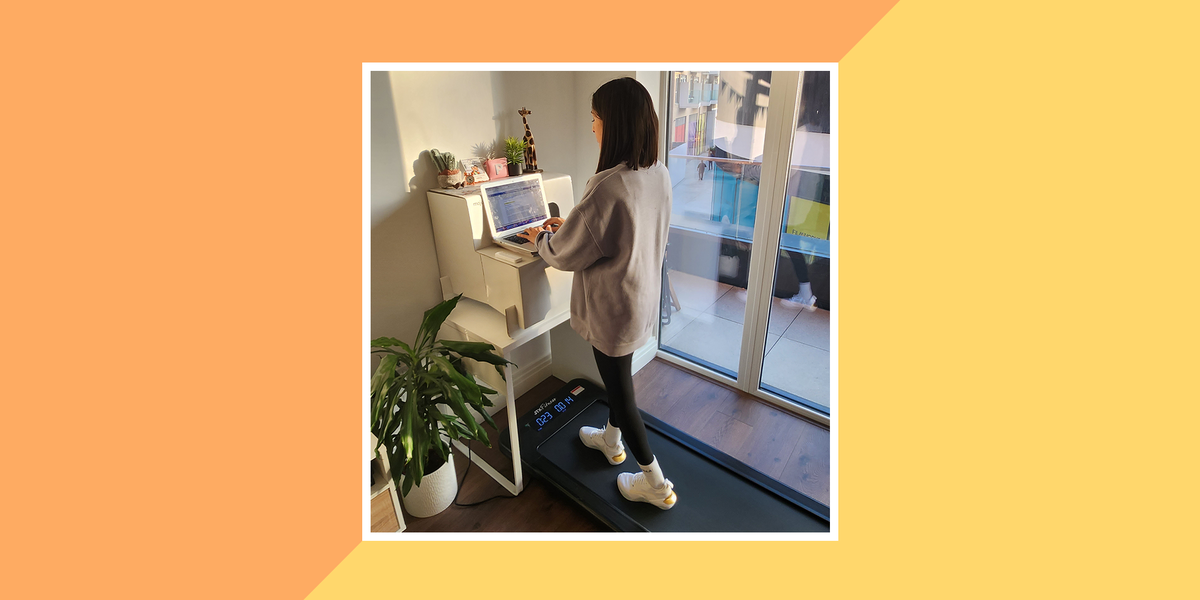
If your home office currently involves a chair, a laptop, three cups of coffee, and the posture of a question mark, an under-desk treadmill might be the upgrade your workday has been quietly begging for. Also known as a walking pad, this compact machine slides under a standing desk and lets you walk while answering emails, joining meetings, editing spreadsheets, or pretending that inbox zero is a real place humans can visit.
For UK shoppers in 2025, the walking pad market has become crowded in the best and most confusing way. Some models are simple, flat, and made only for slow desk walking. Others are 2-in-1 machines with fold-up handrails, higher speeds, app tracking, and enough ambition to call themselves treadmills without blushing. The trick is not buying the loudest, fastest, shiniest machine. The trick is buying the one that fits your room, your desk, your stride, and your tolerance for remote controls that mysteriously vanish under the sofa.
This under-desk treadmill review breaks down the best walking pads UK buyers should consider, what features actually matter, and how to choose a model that helps you move more without turning your office into a budget gym from a sitcom.
What Is an Under-desk Treadmill?
An under-desk treadmill is a slim treadmill designed mainly for walking while you work. Unlike a traditional running treadmill, it usually has a lower profile, a smaller motor, a shorter belt, and either no handrail or a foldable one. Most walking pads are built for light to moderate walking, not sprint training, marathon prep, or dramatic movie-style running while looking over your shoulder.
The appeal is simple: many people sit too long during the workday. A walking pad makes movement easier to fit into normal life. Instead of blocking off an hour for exercise, you can walk slowly during routine tasks. It is not magic. It will not answer your emails, fix your Wi-Fi, or make Monday meetings charming. But it can make your day feel less stiff, less sleepy, and less glued to the chair.
Best Walking Pads UK 2025: Quick Picks
Best Overall: JTX MoveLight
The JTX MoveLight is one of the strongest choices for UK buyers who want a dedicated walking pad rather than a full treadmill pretending to be tiny. It is designed for walking, stores under a sofa or bed, and keeps the setup refreshingly simple. Plug it in, grab the remote, and walk. No engineering degree required.
Its biggest advantage is practicality. The flat design means there is no handlebar to fold down, no bulky frame dominating the room, and no “fitness equipment has eaten my office” feeling. The JTX MoveLight is especially appealing for remote workers who want a stable daily-use walking pad from a UK-focused brand with proper delivery and support.
The trade-off is speed. It is not built for serious running, and that is perfectly fine. For typing, reading, calls, and gentle movement, slower is usually better anyway. At a desk, the goal is smooth walking, not arriving at your Zoom meeting looking like you just escaped a bear.
Best Foldable 2-in-1 Option: WalkingPad R2
The WalkingPad R2 is ideal for anyone who wants both under-desk walking and occasional faster sessions. With the handrail lowered, it works as a walking pad. Raise the handrail, and it becomes more like a compact treadmill for jogging or running. This makes it one of the most versatile options for small UK homes where every piece of equipment must earn its floor space.
The R2’s vertical folding design is a major selling point. It can fold down into a more compact shape for storage, which is useful if your office is also your bedroom, guest room, laundry staging area, or “where did I put that parcel?” zone.
It is not the cheapest walking pad, and it is heavier than many flat models. But for buyers who want a premium, space-saving, 2-in-1 treadmill, the WalkingPad R2 is one of the most compelling picks.
Best Stylish Walking Pad: UREVO SpaceWalk E4W
The UREVO SpaceWalk E4W proves that a walking pad does not have to look like it was designed by a committee of gray filing cabinets. Its wood-grain finish gives it a softer, more furniture-friendly appearance, which matters if your treadmill lives in your living room instead of a garage or spare room.
It is slim, portable, and built for walking rather than running. The UREVO model also includes shock absorption features, an LED display, and app or remote controls, depending on the version. For users who want a good-looking, approachable walking pad for everyday steps, it hits a sweet spot between style and function.
The limitation is top speed. Like many under-desk models, it is best for walking and light movement. If your plan is to train hard, this is not the machine. If your plan is to walk through a podcast, clear your head, or survive a long spreadsheet, it makes much more sense.
Best for Walk-and-Run Flexibility: Mobvoi Home Treadmill SE
The Mobvoi Home Treadmill SE is a strong option for buyers who want more than a pure walking pad. It has a foldable handrail and can shift between under-desk walking and faster treadmill-style use. This makes it useful for people who want one compact machine for workday walking and off-hours exercise.
The belt size is generous compared with many under-desk units, which helps if you have a longer stride or feel cramped on smaller walking pads. It also includes smart features and app-friendly tracking, although some users may prefer a simpler, less connected machine. Not everyone wants their treadmill to have a digital relationship with their phone.
Choose this if you want flexibility and do not mind a slightly bulkier setup. Skip it if you only need slow, quiet walking under a desk.
Best Budget-Friendly Pick: Bluefin Fitness Task 2.0
The Bluefin Fitness Task 2.0 has long been popular with buyers looking for a lower-cost under-desk treadmill. It is compact, fairly straightforward, and designed for home or office walking. It also includes features such as app connectivity and Bluetooth speakers on some versions, which sounds fancy until you remember you will probably still listen through headphones.
The Bluefin’s main appeal is value. It gives you the core walking-pad experience without the premium price of more polished models. The downside is that its belt can feel narrower than some rivals, and the top speed is limited. For relaxed walking, that is not a disaster. For larger users or faster walkers, it is worth checking belt width, weight capacity, and warranty details carefully before buying.
Best Heavy-Duty Desk Treadmill: LifeSpan TR1200-DT3
The LifeSpan TR1200-DT3 is not the trendiest walking pad, nor is it usually the cheapest or easiest to find in the UK. But it deserves mention because it represents the more serious end of the under-desk treadmill category. It is built for desk walking rather than occasional novelty use and is often considered by people who want a more office-grade machine.
The main drawback is size and cost. Compared with slim walking pads, it feels more like dedicated equipment. If you have a permanent standing desk setup and plan to walk frequently, that may be worth it. If you live in a small flat and need to hide the machine before dinner guests arrive, a slimmer walking pad will be more realistic.
How to Choose the Best Under-desk Treadmill
1. Measure Your Space Before You Fall in Love
Walking pads look compact in product photos because they are photographed in rooms suspiciously free of cables, laundry baskets, pets, and real human clutter. Before buying, measure the floor space under and behind your desk. Check the treadmill’s full length, width, and storage height. Also measure where it will go when not in use.
If you want to slide it under a sofa, confirm the clearance. If you want to stand it upright, check whether the model is designed for vertical storage. If you plan to move it between rooms, look at the machine weight and whether it has transport wheels.
2. Think About Belt Size
Belt width and length matter more than many first-time buyers expect. A narrow belt can make walking feel careful and tense, especially while typing or looking at a screen. A longer belt is helpful for taller users or anyone with a longer stride.
For under-desk walking, you do not need a huge running deck, but you do need enough room to move naturally. If every step feels like threading a needle, you will not use the treadmill for long. Comfort is not a luxury here; it is the difference between a useful habit and a very expensive dust shelf.
3. Check the Noise Level
Noise is one of the biggest real-world issues with walking pads. A treadmill that sounds quiet in a product listing may still hum, thump, or vibrate on hard floors. If you take calls, live in a flat, or share a wall with someone who already dislikes your blender, noise matters.
A treadmill mat can help reduce vibration and protect flooring. Softer shoes can also make a difference. Walking slowly during calls is usually quieter than marching at top speed. For most desk work, a pace between 1 and 2.5 mph is often more usable than a faster walk.
4. Match Speed to Your Real Use
It is tempting to buy the fastest walking pad because bigger numbers feel better. But under a desk, speed is not everything. Many people type comfortably only at slower speeds. Reading, video calls, and admin tasks are easier while walking gently. Fast walking is better saved for breaks or screen-free time.
If you want walking only, a model that tops out around 3.7 to 4 mph may be enough. If you also want jogging or running, look for a 2-in-1 machine with a handrail, higher speed range, and better stability.
5. Do Not Ignore Weight Capacity
Always check the stated user weight capacity, but also think about durability. If you plan to use the walking pad daily for long sessions, a more robust model may be smarter than the cheapest ultra-slim option. Motors, belts, and rollers work harder under repeated use.
A walking pad should feel stable, not fragile. If the machine struggles, smells hot, slips, or makes unusual noises, stop using it and check the manual. Regular belt alignment and lubrication are part of ownership, not optional wizardry.
Under-desk Treadmill Benefits
The biggest benefit of an under-desk treadmill is that it lowers the barrier to movement. You do not need perfect weather, a gym commute, or a heroic burst of motivation. You can simply walk while doing tasks you already had to do.
Walking may support general fitness, energy, mood, and focus when used sensibly. It can also help break up long sitting periods. Health guidance generally encourages adults to aim for regular moderate-intensity activity across the week, and brisk walking can count toward that goal. A walking pad can be one practical tool, especially during dark winters, rainy days, or very busy work schedules.
That said, an under-desk treadmill should not be your entire fitness plan. Strength training, mobility, outdoor movement, rest, and proper breaks still matter. The walking pad is best seen as a daily movement helper, not a miracle rectangle.
Common Mistakes to Avoid
Walking Too Fast While Working
Start slower than you think. If your typing turns into keyboard percussion and your mouse accuracy disappears, reduce the speed. Desk walking should feel calm and sustainable.
Using It for Every Task
Some work pairs beautifully with walking: reading, calls, planning, email sorting, light admin. Other tasks, such as detailed design work or intense writing, may be easier while sitting or standing still. Use the treadmill when it helps, not when it makes you feel like a confused flamingo.
Forgetting Maintenance
Walking pads need basic care. Keep the belt clean, check alignment, lubricate as recommended, and avoid storing it somewhere damp. A neglected treadmill can become noisy, uneven, or less safe.
Buying Only on Price
A cheap walking pad can be a good buy, but the lowest price is not always the best value. Look at warranty, returns, replacement parts, reviews, belt size, weight capacity, and whether the brand has reliable UK support.
My Practical Experience With Under-desk Treadmills
The most surprising thing about using an under-desk treadmill is how quickly it becomes normal. The first five minutes feel odd, as if your office has quietly joined a gym without asking permission. You think about every step. You wonder whether your desk is too high. You notice that drinking coffee while walking requires slightly more coordination than civilization prepared you for.
Then something changes. At a slow pace, walking becomes background movement. Emails feel less like a swamp. Long calls feel less draining. The afternoon slump still appears, but it no longer arrives wearing steel boots. A gentle 20-minute walk during a routine meeting can make the day feel lighter without turning the room into a workout studio.
The best sessions are usually the boring ones. A slow walk while clearing emails. A gentle pace during a webinar. Ten minutes after lunch instead of sinking into the chair like a sleepy pancake. These small windows add up. The key is to avoid treating the walking pad like a challenge. It is not about proving anything. It is about making movement easier to choose.
Comfort matters more than speed. A good standing desk setup should let your elbows rest naturally, your screen sit near eye level, and your shoulders stay relaxed. If the desk wobbles, the treadmill slides, or the belt feels too narrow, the experience becomes annoying fast. A treadmill mat, cable clips, and a sensible shoe choice can make the setup feel much more polished.
Noise also becomes obvious in real life. On carpet, some machines feel quieter but less stable. On hard floors, they may roll better but transmit more vibration. During video calls, slower speeds are usually best. Nobody wants to be the person whose microphone broadcasts “thump-thump-thump” while discussing quarterly targets.
There is also a learning curve for productivity. Walking works beautifully for calls, reading, brainstorming, and low-pressure admin. It is less ideal for tasks requiring precision, such as photo editing, detailed spreadsheet formulas, or writing sentences that do not look like they were assembled during turbulence. Many users end up creating a rhythm: walk for easy tasks, sit for deep work, stand for quick transitions.
The biggest win is not dramatic fitness transformation. It is reducing friction. When the walking pad is already under the desk, movement stops being an event. You do not need to change clothes, plan a route, or negotiate with the weather. You press a button and begin. That simplicity is why walking pads have become so popular with remote workers.
The biggest annoyance is storage. Even slim models take up space. Before buying, decide exactly where it will live. “I’ll just move it somewhere” is not a storage plan; it is how equipment ends up leaning against a wall like modern art. Choose a model that matches your real home, not the imaginary minimalist apartment in the product photos.
Overall, the best under-desk treadmill is the one you will actually use. For many UK buyers, that means quiet operation, easy storage, a comfortable belt, reliable support, and a speed range suited to walking while working. Fancy features are nice, but daily convenience wins.
Final Verdict: Which Walking Pad Should You Buy?
If you want a straightforward UK-focused walking pad for daily desk use, the JTX MoveLight is the best overall choice. It is simple, practical, and designed around the exact thing most people need: walking more during the workday.
If you want a premium foldable machine that can handle both walking and faster sessions, the WalkingPad R2 is the better investment. If style and slim storage matter most, the UREVO SpaceWalk E4W is a smart, attractive choice. If you want a flexible walk-and-run setup, consider the Mobvoi Home Treadmill SE. If budget is the priority, the Bluefin Fitness Task 2.0 remains a reasonable entry point.
Buy for your actual routine, not your fantasy routine. If you plan to walk slowly while working, choose quiet, compact, and stable. If you want running, buy a proper 2-in-1 treadmill with a handrail. And if you only want something to make rainy UK workdays less chair-shaped, a good walking pad may be exactly the tiny treadmill rebellion your office needs.
Note: Always follow the manufacturer’s setup and safety instructions, use a pace that feels controlled, and speak with a qualified health professional before changing your activity routine if you have health concerns, pain, balance issues, or are returning after injury.














