
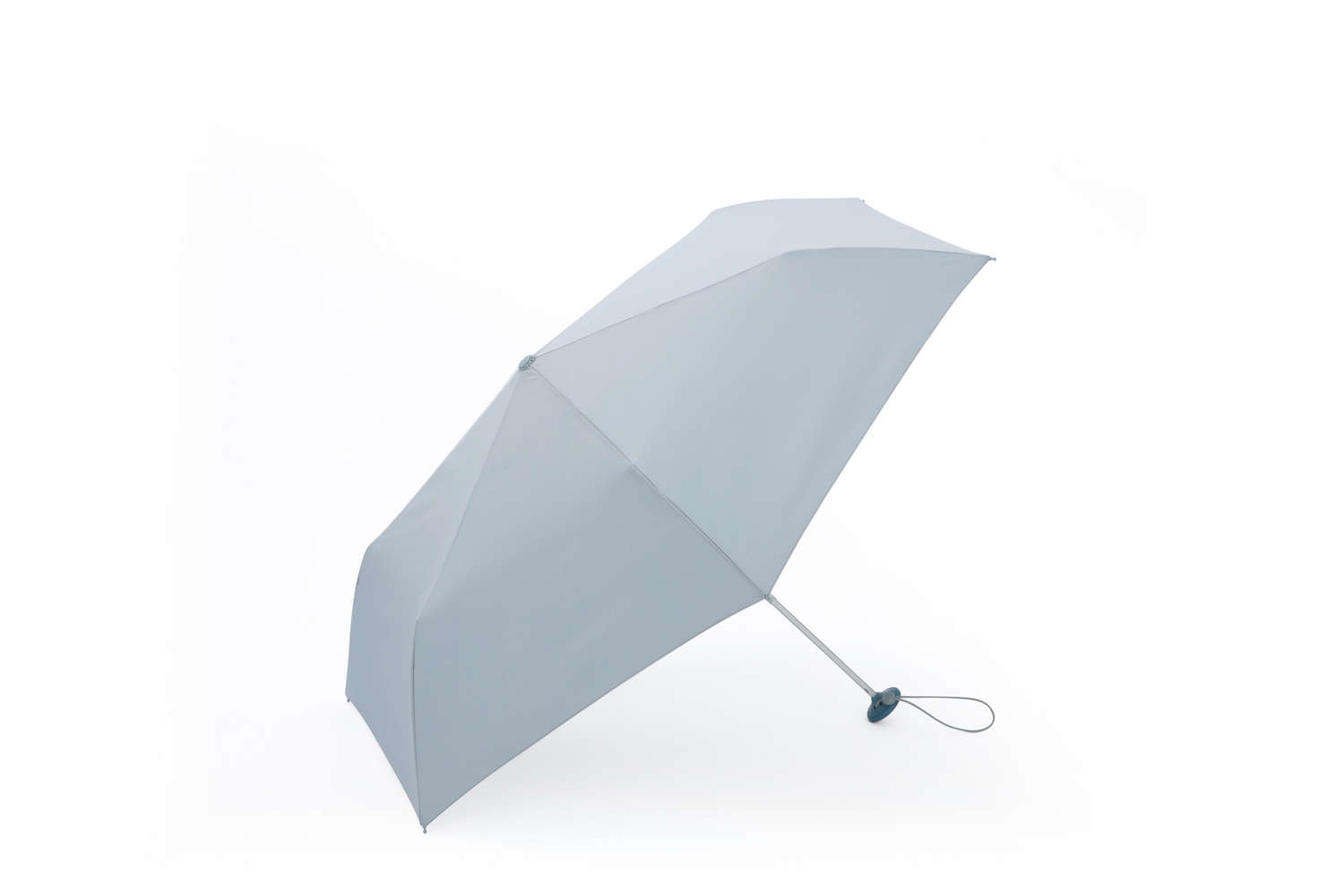
Rain has a special talent for making everyone look slightly less put-together. Your hair goes rogue, your shoes develop trust issues, and your umbrellasupposedly the hero of the storyoften becomes a dripping, awkward, sidewalk-sized wet mop the second you step indoors. That is exactly where the unnurella water-repellent umbrella enters the scene with a quiet Japanese-design flex: it is built to shed water fast, stay cleaner, and make rainy commutes feel less like a soggy obstacle course.
The unnurella, sometimes written as Unnurella, is not just another umbrella with a cute name. It is a design-focused, water-repellent umbrella associated with Japanese rain-gear brand Wpc., designer Kazuya Koike of Doogdesign, and advanced fabric technology developed with Komatsu Seiren, now known as Komatsu Matere. Its core promise is simple: raindrops bead up and roll away so effectively that one good shake can leave the canopy surprisingly dry. In other words, it is the umbrella equivalent of saying, “Rain? I barely know her.”
For city dwellers, students, commuters, travelers, and anyone who has ever placed a wet umbrella on a café floor and silently apologized to society, this kind of fast-drying design matters. The unnurella is made for real-life rain: crowded trains, office lobbies, grocery runs, backpacks, elevators, and that mysterious moment when the weather app says “light drizzle” but the sky chooses drama.
What Is the unnurella Water-Repellent Umbrella?
The unnurella water-repellent umbrella is a Japanese-designed umbrella created around one big idea: reduce the wet mess that follows you after the rain stops. Traditional umbrellas block rainfall while open, but many of them hold water on the canopy after closing. That leftover water drips on floors, car seats, bags, pants, shoes, and occasionally the innocent stranger standing too close in an elevator.
The unnurella addresses that problem with a high-density water-repellent fabric. Rather than soaking into the textile, water gathers into droplets on the surface. When the umbrella is shaken, those droplets fall away more easily than they would from a standard umbrella canopy. The result is a cleaner, faster-drying experience that feels especially useful in urban life.
The name itself is part of the charm. It plays on the idea of an “un-wet” umbrellaan umbrella that does not cling to rainwater like a sad sponge. It is a clever product concept because it solves a tiny daily annoyance that turns out not to be tiny at all when you experience it every rainy season.
Why Water Repellency Matters More Than You Think
At first, “water-repellent umbrella” sounds like a phrase that belongs on every umbrella. After all, if an umbrella does not repel water, what exactly is it doingfreelancing as a decorative stick? But there is a difference between simply blocking rain and actively shedding water.
A regular umbrella may keep rain off your head while open, but its canopy can remain wet for a long time after use. That becomes annoying when you need to fold it, store it, or carry it indoors. A more advanced fast-drying umbrella reduces that problem by encouraging water to bead and roll away. This makes the umbrella easier to handle after use and helps keep nearby surfaces drier.
Water repellency also affects convenience. If you commute by bus or subway, a wet umbrella can become a social hazard. If you drive, it can soak the floor mat or passenger seat. If you carry a bag, the umbrella sleeve may become a tiny swamp. With a water-repellent umbrella like the unnurella, the goal is to make the transition from rainy outdoors to dry indoors less clumsy.
The Technology Behind the unnurella
The unnurella’s standout feature is its high-density fabric and water-repellent surface treatment. The fabric was developed in collaboration with Komatsu Seiren, a Japanese textile company known for advanced materials. The design has been described as having a high level of water repellency based on Japanese industrial testing standards, which helps explain why the umbrella became a favorite among design blogs and practical-gear fans.
Water-repellent materials work by reducing how much water spreads across or penetrates the surface. Instead of flattening into a wet layer, droplets keep a rounder shape and move off the canopy more easily. This effect is often associated with hydrophobic surface behavior. The unnurella uses that principle in a very everyday object, turning fabric engineering into something you can appreciate while standing outside a coffee shop in a downpour.
Some versions of the Unnurella line are also promoted as umbrellas for both rain and sun, with UV-cut performance commonly listed above 90 percent on certain product pages. That does not mean an umbrella replaces sunscreen, sunglasses, or sun-protective clothing, but it does add practical value. A rain umbrella that can also serve as a parasol is useful for travel, summer walks, and unpredictable weather days when the forecast appears to have been written by a confused raccoon.
Design: Minimal, Practical, and Surprisingly Thoughtful
The unnurella is not loud. It does not need a giant logo or a canopy covered in neon lightning bolts to make its point. Its appeal comes from simple design, practical colors, and a clear focus on function. Depending on the model, Unnurella umbrellas have appeared in long and folding versions, including compact options designed to fit into a bag.
The long umbrella style is useful for people who want a classic everyday rain umbrella with a stable feel. Folding models are better for commuters, travelers, and people who prefer to keep an umbrella in a backpack, tote, or office drawer. Some versions include a case, which is especially helpful when the umbrella is mostly dry after a shake but still needs to be packed away neatly.
Another clever feature mentioned in product descriptions is the anti-slip handle. Anyone who has leaned an umbrella against a wall only to watch it perform a slow, dramatic slide to the floor knows why this matters. A handle with better grip helps the umbrella stay put when resting against a desk, wall, or café table.
Who Is the unnurella Best For?
Commuters
The unnurella is especially useful for people who move between outdoors and indoors several times a day. Think train stations, buses, office towers, school buildings, parking garages, and apartment lobbies. A fast-drying, water-repellent canopy makes those transitions easier because you are not dragging a trail of droplets behind you like a budget rain cloud.
Travelers
A compact folding water-repellent umbrella is a smart travel companion. Rainy destinations can be beautiful, but packing a wet umbrella into luggage or a day bag is nobody’s idea of vacation glamour. A water-shedding canopy reduces the chance of damp travel chaos. It also helps if you are moving quickly between hotels, trains, museums, restaurants, and outdoor sightseeing.
Minimalists
People who like clean, useful products will appreciate the unnurella’s directness. It does not try to be a gadget. It simply improves the umbrella’s most annoying weakness: staying wet after use. That is practical minimalism at its finest.
Gift Buyers
An umbrella may sound like a boring gift until it is a good umbrella. The unnurella has enough design credibility and real-world usefulness to feel thoughtful. It is the kind of gift that says, “I care about your comfort,” without saying, “I bought this at the gas station during a storm.”
unnurella vs. Regular Umbrellas
A regular umbrella is usually judged by three basic questions: Does it open? Does it cover your head? Did it survive the wind without turning into a satellite dish? The unnurella adds another important question: What happens after you close it?
With many standard umbrellas, the post-rain experience is messy. Water sticks to the canopy, drips from the tips, and makes storage inconvenient. The unnurella’s water-repellent surface is designed to solve that specific problem. After a shake, more water leaves the canopy, so the umbrella becomes easier to carry and store.
That does not mean the unnurella is magic. It is still an umbrella, not a force field. Strong wind can challenge any umbrella. Heavy rain may still leave some moisture on the fabric. And like any water-repellent textile, performance can depend on care, age, abrasion, and dirt buildup. But compared with a basic umbrella, the unnurella offers a noticeably more refined experience.
Features to Look For in a Water-Repellent Umbrella
If you are shopping for an Unnurella umbrella or any premium water-repellent umbrella, look beyond the marketing words. A good umbrella should balance fabric performance, frame strength, weight, size, and ease of use.
1. High-Density Fabric
The canopy fabric matters. High-density polyester is common in quality umbrellas because it can be lightweight, durable, and suitable for water-repellent treatment. A tight weave also helps reduce water penetration and improves the umbrella’s clean appearance.
2. Strong Water Repellency
Look for terms like “super water-repellent,” “fast-drying,” or “easy-dry.” These usually indicate that the canopy has been treated to make water bead and roll off. The best designs do not simply keep water out while open; they also reduce dripping after use.
3. Practical Size
A large canopy gives better coverage but can be heavier and harder to manage in crowds. A compact umbrella is easier to carry but may provide less protection in side rain. The best choice depends on your routine. For daily commuting, a folding model may be ideal. For neighborhood walks or office use, a long umbrella may feel sturdier and more comfortable.
4. Reliable Ribs
Umbrella ribs shape the canopy and help the umbrella resist wind. Many compact umbrellas use eight ribs, while some wind-focused designs use more. Material also matters. Fiberglass is often valued for flexibility, while metal can feel sturdy but may bend under stress depending on design.
5. Comfortable Handle
A handle seems simple until you use an uncomfortable one for twenty minutes in rain and wind. A good handle should feel secure, resist slipping, and make the umbrella easy to carry. The unnurella’s anti-slip handle idea is small but genuinely useful.
How to Care for an unnurella
Even a premium water-repellent umbrella needs care. The surface treatment works best when the canopy is clean and free from oily residue, dust, and grime. A dirty canopy can reduce beading performance because water has more places to cling.
After using the umbrella, shake off excess water before closing it. If possible, open it at home or in a safe indoor spot until it dries fully. Storing any umbrella while wet can lead to odors, mildew, wrinkles, or reduced fabric performance. This is not the umbrella being dramatic; moisture trapped in folded fabric simply has bad manners.
For cleaning, use gentle methods. Wipe the canopy with a soft damp cloth or rinse lightly if the care instructions allow it. Avoid harsh detergents, bleach, rough brushes, and aggressive scrubbing. Some water-repellent fabrics may respond to careful heat reactivation, such as low-temperature ironing through a cloth, but you should only do this if the product’s official care instructions permit it. When in doubt, treat the umbrella like a nice jacket: clean gently, dry fully, and do not punish it for doing its job.
Is the unnurella Worth It?
The unnurella is worth considering if you value convenience, clean design, and better rain-day habits. It is not the cheapest umbrella category, and if you only need emergency coverage once a year, a basic umbrella may be enough. But if rain is part of your weekly life, a fast-drying umbrella can feel like a small luxury that earns its place quickly.
The biggest benefit is not just staying dry while walking. It is what happens afterward. You step into a store, office, train, classroom, or car, shake the umbrella, and it behaves itself. That one detail can make a surprising difference. A less-drippy umbrella means fewer wet floors, fewer damp bags, and fewer awkward moments where you are holding a closed umbrella at arm’s length like it is a suspicious fish.
For frequent commuters, students, city workers, and travelers, the unnurella offers a smart combination of Japanese product design and material innovation. It solves a common problem with elegance rather than gimmicks. That is why the product has continued to attract attention years after its original design coverage.
Common Questions About the unnurella Water-Repellent Umbrella
Does the unnurella stay completely dry?
No umbrella stays perfectly dry in every condition. The unnurella is designed to shed water quickly, so it can feel much drier after a shake than a regular umbrella. However, heavy rain, dirt, fabric wear, and storage habits can affect results.
Can the unnurella be used as a sun umbrella?
Some Unnurella models are marketed for both rain and sun use, with UV-cut performance listed on product pages. Still, an umbrella should be part of a broader sun-protection routine, especially during long outdoor exposure.
Is a folding model better than a long model?
A folding model is better for portability. A long model may feel more comfortable for daily walks and can be easier to open quickly. Choose based on where you will carry it, how often you use it, and how much coverage you want.
How long does the water-repellent effect last?
Durability depends on the model, use, cleaning, and storage. Dirt and abrasion can reduce water beading over time. Gentle cleaning and proper drying help preserve performance.
Real-Life Experience: Living With a Water-Repellent Umbrella
The first thing you notice about a water-repellent umbrella like the unnurella is not during the storm. During the storm, nearly every decent umbrella feels like a hero. The real difference appears when you reach the doorway.
Imagine walking through downtown on a gray Monday morning. The sidewalk is shiny, cars are hissing through puddles, and everyone is moving with that rainy-day speed that says, “I am late, damp, and emotionally unavailable.” You arrive at a coffee shop, close your umbrella, and prepare for the usual routine: drip, shake, drip again, accidentally wet your shoe, apologize to the floor, and try to balance the umbrella against the wall where it immediately falls over.
With a water-repellent umbrella, the moment feels different. You give the canopy a firm shake outside, and most of the water jumps off in beads. Not politely. Enthusiastically. The droplets roll away as if the fabric just rejected them from an exclusive club. When you step inside, the umbrella is still not bone-dry, but it is far less messy. You can close it without feeling like you are folding a wet towel.
That difference becomes even more noticeable on public transportation. A wet umbrella on a crowded train is a tiny social disaster. It touches someone’s bag. It drips onto the floor. It leans against your leg and leaves one mysterious cold stripe on your pants. A fast-drying umbrella reduces that awkwardness. You still need to be considerate, but you are no longer carrying a portable puddle.
The same benefit applies in cars. Most people have tossed a wet umbrella onto the floor mat and accepted the consequences. Later, the car smells like damp fabric and regret. A water-repellent canopy makes it easier to shake off rain before getting in. The umbrella sleeve or case is less likely to become soaked, and the interior of the car stays cleaner.
Another underrated experience is storage. With a standard umbrella, putting it in a bag after use feels risky. You know the umbrella is going to betray your notebook, tablet sleeve, receipts, or emergency snack. With the unnurella-style concept, storing the umbrella becomes less stressful because the canopy releases water quickly. It is not an invitation to throw it directly onto electronics, of course. Common sense still has a job. But it does make daily carry more practical.
There is also a psychological benefit. A better umbrella changes how you feel about rain. Instead of treating the forecast like bad news, you feel prepared. You do not have to sprint between buildings or hover under awnings with strangers. You simply open the umbrella, walk normally, and close it without creating a puddle ceremony afterward.
That may sound small, but good everyday design often works that way. It does not shout. It quietly removes friction from ordinary life. The unnurella is not exciting because it reinvents the umbrella into something unrecognizable. It is exciting because it improves the exact part of umbrella ownership everyone secretly dislikes.
After using a genuinely water-repellent umbrella, it becomes hard to go back to a cheap one. The old umbrella suddenly feels heavier, wetter, and more dramatic than necessary. You start noticing how long it takes to dry. You become aware of every drip. You may even begin judging umbrella fabric in stores like a tiny rainwear scientist. This is normal. Once you experience a canopy that sheds water properly, the bar rises.
For daily life, the unnurella’s biggest achievement is simple: it makes rain less annoying. Not romantic. Not cinematic. Just less annoying. And frankly, on a wet Tuesday morning, that is more valuable than poetry.
Conclusion
The unnurella water-repellent umbrella proves that even an everyday object can be improved with thoughtful design and better materials. Its appeal comes from a practical promise: less dripping, faster drying, easier carrying, and a cleaner transition from rainy streets to indoor spaces. Built around high-density water-repellent fabric and minimalist Japanese design, the unnurella is ideal for commuters, travelers, design lovers, and anyone tired of treating a closed umbrella like a wet mop with ribs.
It will not stop storms from happening, and it will not make you enjoy stepping into ankle-deep puddles. But it can make rainy days smoother, neater, and less frustrating. Sometimes innovation is not about adding more features. Sometimes it is about solving one ordinary problem so well that you wonder why every umbrella does not work that way.














