
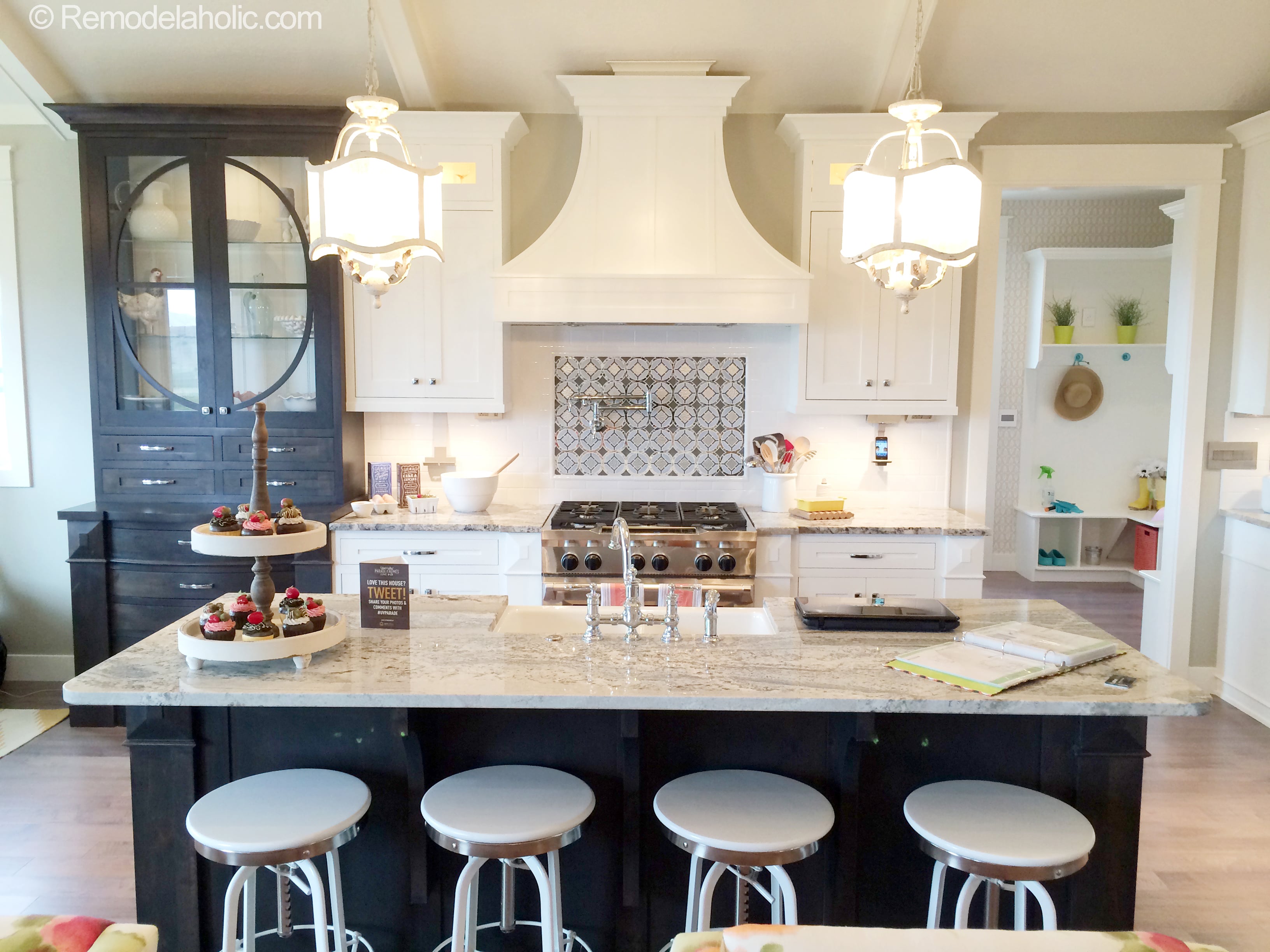
The Utah Valley Parade of Homes is what happens when house hunting, desigscroll on Pinterest decide to take a road trip together. Each year, the self-guided showcase opens the doors to newly built homes across Utah County and beyond, inviting visitors to study everything from mountain-view great rooms to pantries so organized they may cause you to apologize to your own snack cabinet.
It is easy to mistake the Parade for a parade of expensive square footage. Yes, there are statement staircases, dreamy kitchens, and garages that could host a small regional conference. But the more useful takeaway is practical: this is a live laboratory for floor plans, materials, storage, outdoor living, lighting, and the building decisions that make a house work after the novelty wears off.
What Is the Utah Valley Parade of Homes?
Produced by the Utah Valley Home Builders Association, the event is a ticketed, self-guided tour of newly completed homes by local and regional builders, designers, trade partners, and developers. Instead of viewing one model home and being politely offered a brochure, guests can compare a wide range of architecture and finishes in real spaces, on a route that crosses multiple communities.
The latest 2026 edition ran June 4 through June 20. It featured 39 homes stretching from Alpine to Nephi, with homes ranging from 2,241 to 26,573 square feet. That spread matters. A visitor can move from a more attainable new build to a fully customized estate and still come away with ideas that fit a normal-life budgetassuming “normal life” does not include a two-lane bowling alley in the basement.
For 2026, tickets covered the physical tour and a virtual option. Visitors could enter each home once and return to up to two homes of their choice, while virtual viewing allowed more time to revisit details that were easy to miss in person. Addresses, maps, magazines, and navigation tools are typically released when the event opens, which is a sensible way to prevent eager decorators from treating a stranger’s driveway like a campground.
Why the Parade Matters Beyond the Pretty Pictures
A home show can influence how people talk about housing. The Utah Valley Parade of Homes introduces consumers to the people behind a project: builders, architects, cabinetmakers, landscapers, lighting specialists, and trades whose work is often invisible once the rugs arrive. It turns “I like that kitchen” into better questions: What is the cabinet construction? How does the ventilation work? Where do backpacks go? How much daylight reaches the room in winter?
The event also gives builders a high-visibility stage for craftsmanship and problem-solving. A parade home may use premium materials and dramatic features, but it can still demonstrate transferable lessonsclear circulation, layered lighting, durable surfaces, mudroom storage, efficient mechanical systems, and outdoor spaces that are useful rather than merely photogenic.
There is a community angle, too. The association says Parade proceeds help support scholarships and programs connected to the building industry. That means a ticket is not only a passport to walk-in closets; it also supports training and future talent in a field that needs capable carpenters, designers, project managers, and skilled tradespeople.
Design Ideas Worth Watching at Utah Valley Parade Homes
Warm Materials Are Replacing the All-White Autopilot
Bright kitchens are still popular, but the most memorable spaces tend to have contrast and texture. Think white oak or stained wood, honed stone, plaster-like finishes, fluted details, aged metal, and tile with a little character. The goal is not to make every room look like a luxury hotel lobby. It is to build visual warmth without creating a maintenance plan worthy of a museum curator.
When touring, look at the “quiet” surfaces: door profiles, ceiling treatments, trim depth, wall texture, and hardware. These are often the details that make a room feel tailored instead of assembled from a very enthusiastic cart of samples.
Kitchens Are Becoming Command Centers, Not Just Photo Backdrops
A parade kitchen often has a large island, but its real value is in the workflow. Notice the distance between refrigerator, sink, cooktop, pantry, and cleanup zone. Look for appliance garages, beverage stations, concealed outlets, drawer organizers, secondary prep areas, and walk-in pantries with enough shelf depth to hold both bulk groceries and the mysteries purchased at warehouse stores.
Borrow the concept, not necessarily the scale. A compact kitchen can benefit from a landing zone near the entry, pullout storage, dedicated recycling, under-cabinet lighting, and a pantry plan that does not require spelunking gear.
Wellness Spaces Have Moved Beyond the Fancy Tub
Luxury homes increasingly use quiet zones for recovery, exercise, and unplugging. Depending on the house, that may mean a sauna, gym, cold-plunge area, meditation room, reading nook, or a primary suite designed to feel calm rather than cavernous. The best wellness feature is often less glamorous: good daylight, thoughtful acoustics, clean air, and a bathroom layout that lets two people get ready without negotiating international borders.
Outdoor Living Needs a Utah-Smart Plan
Utah Valley views make outdoor spaces an obvious priority. Covered patios, fire features, outdoor kitchens, pools, and flexible seating areas can extend the usable season, but a beautiful yard should also respond to the region’s water realities. Water-wise planting, hydrozones, shade, efficient irrigation, and turf used where people actually play can deliver a landscape that looks intentional rather than thirsty.
On the tour, ask yourself whether an outdoor feature serves a real habit. A fire pit earns its keep when it will host friends. An elaborate outdoor kitchen is less useful if the household mostly orders takeout and considers a lemon wedge advanced culinary technique.
High Performance Is the New Quiet Luxury
The most valuable building upgrades are not always obvious in a photograph. A well-designed enclosure, quality windows, insulation, air sealing, balanced ventilation, and right-sized heating and cooling can improve comfort, durability, and operating costs. A high-performance home should feel steady and comfortable, not drafty in January or overheated when the summer sun is working overtime.
Ask builders about the systems behind the drywall: insulation approach, window specifications, fresh-air strategy, HVAC zoning, solar readiness, electrical capacity, and the plan for charging an electric vehicle. These questions are not glamorous, but neither is discovering that a beautiful room has one lonely outlet exactly where a lamp cannot reach it.
How to Tour the Utah Valley Parade of Homes Like a Pro
- Build a realistic route. Homes can be spread across a broad area, so group stops by location instead of attempting a heroic, traffic-defying zigzag.
- Wear easy-on, easy-off shoes. Many homes require shoe covers or shoes off. Choose footwear that does not turn every doorway into a yoga pose.
- Take notes by category. Use headings such as kitchen, storage, lighting, baths, exterior, landscape, and mechanical features. A hundred photos without notes become a digital casserole of confusion.
- Photograph solutions, not just pretty rooms. Capture drawer interiors, closet layouts, charging stations, pantry shelving, laundry folding counters, and transitions between indoor and outdoor areas.
- Ask practical questions. Find out which finishes are durable, what requires regular maintenance, how long custom items took to arrive, and what features owners value after move-in.
- Use re-entry and virtual access wisely. Return to the two homes that match your goals, then compare them slowly. First visits inspire; second visits reveal whether the refrigerator blocks a walkway.
Turning Parade Inspiration Into a Home Plan
The temptation after a Parade visit is to want every feature at once: the exposed beams, the hidden door, the pool, the scullery, the built-in bunks, and a laundry room that could qualify for its own ZIP code. Resist the urge to turn a wish list into an architectural hostage situation.
Instead, make three lists. The first is must-have function: bedroom count, storage, work-from-home space, aging-in-place considerations, budget, and neighborhood. The second is high-impact design: the finishes or architectural details that will make the home feel personal. The third is nice someday: features that can be added later without tearing apart the entire structure.
Then compare every admired feature against cost, maintenance, daily use, and resale flexibility. A custom built-in may be smart. A room built around a very specific hobby may be wonderful, toobut it deserves a plan. The best Utah Valley Parade of Homes idea is the one that improves daily life long after the magazine is recycled.
The Utah Valley Parade of Homes Experience: of What It Feels Like
Attending the Utah Valley Parade of Homes is less like shopping for a house and more like stepping inside a series of carefully edited lifestyles. You arrive with a map, a ticket, a phone that is already low on battery, and the firm belief that you are “just looking.” By the third home, you are quietly evaluating whether your current living room has ever truly supported your personal growth. It has a couch, so probably yes, but the Parade has a way of making a floating staircase feel emotionally persuasive.
The rhythm of the day is part of the fun. One house may greet you with a crisp modern exterior, glass doors, and a kitchen that could make meal prep feel like a televised competition. The next may lean traditional, with millwork, layered lighting, and a front porch that practically asks for cider, a blanket, and someone who knows how to use the word “veranda” without giggling. Because the homes vary so widely, the experience becomes a game of discovering what your eye keeps returning to.
You also learn quickly that photographs flatten everything. In person, you notice ceiling height, sightlines, the way a hallway opens into a kitchen, the warmth of wood against stone, and whether an enormous room feels welcoming or like it is expecting a formal diplomatic summit. You notice how far it is from the garage to the pantry. You notice where wet towels might actually go. You notice that a dramatic chandelier is wonderful until you imagine changing its bulbs from a ladder with the confidence of a mountaineer.
For couples, families, friends, and design-minded neighbors, the Parade is a surprisingly good conversation starter. One person falls in love with a moody office; another thinks it resembles a very expensive cave. Someone wants the outdoor kitchen; someone else asks who will clean it after a windstorm. These are not arguments. They are free design consultations disguised as snack-deprived road trips.
The experience can be useful even when you are not building or buying soon. Renters can collect ideas for a future renovation. New homeowners can learn how to improve storage, lighting, or landscaping one project at a time. Industry professionals can see how materials are being combined and what buyers respond to. Visitors from outside Utah can appreciate how the region’s mountain views, bright sunlight, family life, and outdoor culture shape the homes themselves.
The secret is to leave the fantasy at the door and take the lessons home. Maybe you do not need a wine wall, a putting green, or a primary closet larger than your first apartment. But you may need better entry storage, a comfortable patio, a kitchen layout that works on a Tuesday, and rooms that make daily routines easier. That is the lasting charm of the Utah Valley Parade of Homes: it gives people permission to dream big, then hands them a notebook and asks them to dream smarter.
Final Thoughts
The Utah Valley Parade of Homes is a design event, a builder showcase, and a practical field trip rolled into one. It celebrates bold ideas, but its most useful lessons are often modest: better storage, stronger materials, thoughtful daylight, sensible circulation, water-aware landscapes, and systems that make a home comfortable in every season. Tour it for the spectacular moments, then borrow the details that make your own home easier to live in.
Note: Parade dates, ticket prices, participating homes, maps, and visitor rules can change each year. Confirm the current details with the official Utah Valley Parade of Homes before planning a visit.













