
Note: This guide is written for home growers using nursery-propagated Venus flytraps. Never collect Venus flytraps from the wild, where native populations are vulnerable and legally protected in many areas.
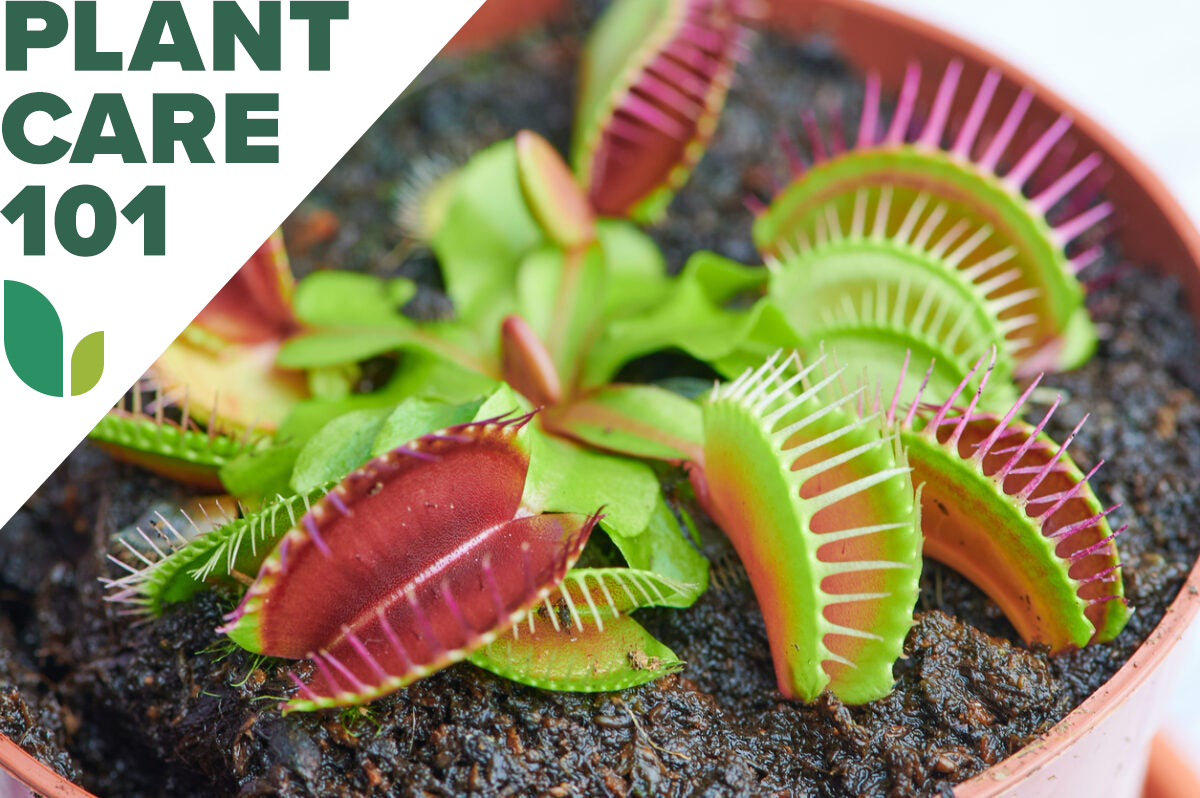
The Venus flytrap is the houseplant that looks like it read a comic book, joined a tiny wrestling league, and decided ordinary plant life was too boring. Officially known as Dionaea muscipula, this carnivorous perennial is famous for its jaw-like traps, toothy edges, and dramatic ability to catch insects. But despite the plant’s theatrical personality, Venus fly trap care is not about feeding it cheeseburger crumbs or poking the traps for entertainment. It is about recreating a very specific bog environment: bright light, wet mineral-free conditions, acidic soil, and a seasonal winter rest.
Many beginners kill Venus flytraps with kindness. They water with tap water, tuck the plant into regular potting mix, fertilize it “just a little,” or keep it in a dim room because it looks delicate. Unfortunately, Venus flytraps are not tropical ferns, succulents, or leafy office companions that forgive neglect and fluorescent sadness. They are sun-loving bog plants native to coastal North Carolina and a small part of South Carolina, where they evolved in poor, wet, acidic soils. Once you understand that, the care routine becomes much less mysterious.
This Venus flytrap care guide explains how to grow a healthy carnivorous houseplant indoors, on a sunny windowsill, under grow lights, or seasonally outdoors. We will cover light, water, soil, feeding, dormancy, repotting, common problems, and practical growing experience so your plant can do more than survive in a plastic cube from the checkout aisle.
Venus Flytrap Care at a Glance
- Common name: Venus flytrap, Venus fly trap
- Botanical name: Dionaea muscipula
- Plant type: Carnivorous perennial
- Native range: Coastal North Carolina and northeastern South Carolina
- Light: Full sun or very bright grow light
- Water: Rainwater, distilled water, or reverse-osmosis water only
- Soil: Acidic, nutrient-poor carnivorous plant mix
- Fertilizer: Do not fertilize
- Food: Small insects, occasionally, during active growth
- Dormancy: Cool winter rest is strongly recommended for long-term health
- Pet safety: Generally considered nontoxic, though still not a salad bar
What Makes Venus Flytraps Different From Other Houseplants?
The first rule of Venus fly trap care is simple: stop treating it like a normal houseplant. A pothos wants decent potting soil and occasional watering. A snake plant can survive in a forgotten corner like it is training for a desert survival show. A Venus flytrap wants conditions closer to a sunny wetland than a living room shelf.
In nature, Venus flytraps grow in nutrient-poor boggy areas. Because the soil offers limited nitrogen and minerals, the plant evolved traps that supplement its diet with insects and spiders. However, the plant does not “eat bugs” the way animals eat food. It still uses photosynthesis to make energy from sunlight. Insects are more like nutritional supplements than dinner plates. Think of bugs as the plant’s multivitamin, not its breakfast, lunch, and dinner.
Each trap is a modified leaf. Inside the trap are sensitive trigger hairs. When prey touches the hairs in the right sequence, the trap snaps shut. The plant then seals around the insect, releases digestive enzymes, absorbs nutrients, and eventually reopens. The process is brilliant, but also energy-intensive. That is why poking the traps for fun is one of the fastest ways to annoy your plant into decline.
How Much Light Does a Venus Flytrap Need?
Bright light is the engine behind a healthy Venus flytrap. For best growth, give the plant at least six hours of direct sun daily, with more bright light whenever possible. Outdoors, a sunny patio, deck, or bog garden can be excellent during the growing season. Indoors, a south-facing windowsill is usually the best natural-light option in the United States. East or west windows may work if the light is strong enough, but a dim north-facing window is usually a one-way ticket to weak, stretched leaves.
A flytrap that needs more light often looks pale, floppy, or stretched. The traps may stay small, green, and slow. Many varieties develop red or pink interiors when they receive strong light, although color varies by cultivar. If your plant looks like it is reaching desperately toward the window, it is not being dramatic for attention. It wants more light.
Using Grow Lights Indoors
If your home lacks strong sun, use a full-spectrum LED grow light. Keep the light close enough to be effective but not so close that it overheats the plant. Many indoor growers run grow lights for 12 to 14 hours per day during active growth. A simple timer helps because plants appreciate consistency, and humans are famously bad at remembering tiny daily chores.
Under artificial light, observe the plant rather than relying only on packaging claims. If new growth is compact, upright, colorful, and trap production is steady, the light setup is working. If leaves become long, thin, and weak, increase light intensity or duration.
The Right Water: Why Tap Water Can Kill a Venus Flytrap
Water quality is one of the most important parts of Venus flytrap care. These plants are highly sensitive to dissolved minerals and salts. Tap water, bottled drinking water, softened water, and many filtered waters can contain minerals that gradually build up in the soil and damage the roots. The plant may not die overnight, but it can slowly decline until it looks crispy, tired, and deeply betrayed.
Use rainwater, distilled water, or reverse-osmosis water. If you collect rainwater, use a clean container and avoid runoff from treated roofs when possible. Distilled water is widely available and is often the easiest option for indoor growers. Reverse-osmosis water works well if you already have a system at home.
How to Water a Venus Flytrap
Venus flytraps like consistently moist soil. The tray method is popular because it mimics boggy conditions and keeps the root zone evenly damp. Place the pot in a shallow saucer with about half an inch to one inch of pure water during the active growing season. Refill when the water level drops. The soil should stay moist, but the crown of the plant should not be buried or constantly flooded with stagnant water.
During winter dormancy, reduce watering slightly. The soil should remain damp, never bone-dry, but the plant will use less water when it is resting. Cold, soggy, airless conditions can encourage rot, so dormancy watering should be careful rather than enthusiastic.
Best Soil for Venus Flytraps
Regular potting soil is a Venus flytrap villain. Most houseplant mixes contain fertilizer, compost, minerals, or wetting agents that are wonderful for many plants and terrible for flytraps. A Venus flytrap needs acidic, nutrient-poor, moisture-retentive media with good aeration.
A common mix is sphagnum peat moss blended with perlite or silica sand. Many growers use a 1:1 ratio of peat moss to perlite or sand. Others use long-fiber sphagnum moss, especially for smaller plants. If you use sand, choose horticultural silica sand rather than beach sand or play sand, which may contain salts or unwanted minerals.
Before potting, rinse perlite or sand with distilled or rainwater to remove dust and loose minerals. The goal is a clean, acidic, low-nutrient medium. Do not add compost. Do not add slow-release fertilizer. Do not add garden soil. The plant did not ask for a luxury buffet; it asked for a bog.
Choosing the Right Pot
Use a plastic or glazed ceramic pot with drainage holes. Avoid unglazed terracotta because it can wick moisture away and may leach minerals into the growing medium. A deeper pot is helpful because Venus flytraps produce surprisingly long roots for their size. A pot around four to six inches deep works well for many mature plants.
Repot every year or two, preferably in late winter or early spring before strong new growth begins. Repotting refreshes the medium and prevents mineral buildup. Be gentle with the rhizome, the white bulb-like base of the plant. If the rhizome is firm and white or pale, that is a good sign. If it is mushy, brown, and smelly, rot may be present.
Should You Feed a Venus Flytrap?
Yes, but less often than most people think. Outdoor Venus flytraps usually catch enough insects on their own. Indoors, where prey is limited, you can feed the plant occasionally during active growth. Feed only healthy, open traps, and use insects small enough for the trap to close completely. A good rule is to choose prey no larger than one-third the size of the trap.
Suitable foods include small flies, tiny crickets, mealworms, or other small insects. Live prey naturally triggers the trap. If using a dried or dead insect, you may need to gently stimulate the trap after it closes so the plant recognizes the food as prey. Use tweezers carefully and avoid damaging the trap.
What Not to Feed a Venus Flytrap
Do not feed hamburger, bacon, sausage, cheese, fruit, candy, or leftover chicken. A Venus flytrap is carnivorous, but it is not a tiny garbage disposal with teeth. Human food can rot inside the trap, encourage bacteria, and kill that leaf. Also avoid overfeeding. One trap every two to four weeks during active growth is usually plenty for an indoor plant.
Never trigger traps just to watch them close. Each trap can open and close only a limited number of times before it dies. Closing without food wastes energy. It is fun once, expensive for the plant, and slightly rude.
Temperature, Humidity, and Indoor Comfort
During active growth, Venus flytraps generally do well in warm conditions similar to a sunny spring and summer day. Many indoor environments are acceptable if light and water are correct. Humidity can help, but it is not a substitute for proper water, soil, and sun. A plant sitting in mineral-rich soil under weak light will not be saved by misting.
Good airflow matters, especially if the plant is grown in a terrarium. Closed terrariums often become too humid, stagnant, and warm. They may look attractive, but they can create fungal problems. If you use a terrarium, keep it ventilated and provide strong light without overheating the glass enclosure.
Winter Dormancy: The Care Step Beginners Often Miss
Venus flytraps are not true tropical houseplants. They naturally experience a winter rest period. As days shorten and temperatures cool, growth slows. Traps may turn black, leaves may shrink, and the plant may look like it is packing its bags for the afterlife. In many cases, this is normal dormancy, not death.
For long-term health, provide a cool dormancy period of at least 10 weeks, and often three to four months. Many growers aim for temperatures around 35 to 50 degrees Fahrenheit during dormancy. Outdoor plants in suitable climates may handle this naturally. Windowsill plants may also slow down as winter light decreases. Under strong year-round grow lights, some growers keep plants active, but beginners usually have better results by allowing a seasonal rest.
How to Care for a Dormant Venus Flytrap
During dormancy, reduce feeding, reduce water slightly, and keep the soil damp rather than sitting in deep water all the time. Remove fully dead black leaves with clean scissors if they become moldy or messy. Do not panic if the plant looks smaller. In spring, increase light and warmth gradually. Healthy rhizomes will push out fresh traps when active growth resumes.
Common Venus Flytrap Problems and Fixes
Black Traps
Individual traps naturally turn black after catching several meals or aging out. This is normal. If the whole plant is turning black during winter, it may be dormancy. If it happens during active growth, check water quality, soil type, light levels, and rot.
Small or Weak Traps
Small traps often mean insufficient light. Move the plant to stronger sun or improve the grow light setup. Weak growth can also occur after shipping, repotting, or skipping dormancy for too long.
Brown Crispy Edges
Crispy edges can result from mineral buildup, drying out, excessive heat, or sudden sun exposure. Confirm that you are using distilled, rain, or reverse-osmosis water. If the plant was grown in low light, introduce full sun gradually.
Mold or Fungus
Mold often appears when dead leaves sit in cool, wet, stagnant conditions. Trim dead material, increase airflow, and avoid sealing the plant in a swampy glass box with no ventilation.
Aphids or Fungus Gnats
Venus flytraps can attract pests, even though they eat insects. Aphids may hide on new growth, and fungus gnats may appear in wet media. Isolate affected plants and treat carefully with carnivorous-plant-safe methods. Avoid harsh fertilizers or oily sprays that can damage traps.
Ethical Buying: Choose Nursery-Propagated Plants
Because Venus flytraps have a limited native range and face pressure from habitat loss and poaching, responsible buying matters. Purchase from reputable nurseries that sell nursery-propagated plants. Avoid suspiciously cheap or wild-collected specimens. A healthy plant from an ethical grower is better for your collection and better for the species.
Popular cultivars include red forms such as ‘Red Dragon,’ large-trap types such as ‘B52,’ and vigorous beginner-friendly varieties such as ‘King Henry.’ Cultivar choice is fun, but the basic care requirements remain the same: bright light, pure water, poor acidic media, no fertilizer, and seasonal rhythm.
Practical Experience: What Growing a Venus Flytrap Teaches You
The first experience many people have with Venus flytrap care begins with excitement and ends with confusion. The plant arrives in a little plastic dome, looking like a botanical monster from a Saturday morning cartoon. For a few days, everyone in the house wants to see it snap. Then the traps start blackening, the soil smells strange, or the plant seems to stop growing. The owner wonders, “Did I kill it?” Sometimes yes. Often, not yet.
The biggest lesson is that Venus flytraps reward observation. For example, a beginner might place the plant on a kitchen counter because that is where fruit flies appear. The logic seems perfect: bugs live there, the plant eats bugs, case closed. But the counter may receive almost no direct sun. After a few weeks, new leaves grow long and floppy, and traps become smaller. Moving the plant to a sunny windowsill or under a grow light usually makes a visible difference. The plant becomes tighter, sturdier, and more colorful. In other words, the flytrap was not hungry for flies first; it was hungry for light.
Water is the second “aha” moment. Many houseplant owners are proud of their watering routine, but Venus flytraps do not care about your confidence. They care about dissolved minerals. A plant watered with tap water may decline even if the schedule is perfect. Switching to distilled water can prevent further damage, although badly affected plants may need repotting into fresh carnivorous plant media. This is where growers learn that “water” is not always just water. To a bog plant, chemistry matters.
Feeding is another area where experience quickly corrects enthusiasm. A healthy indoor flytrap does not need a daily insect buffet. Overfeeding can exhaust traps, and oversized prey can rot before digestion finishes. The best feeding routine is boring: one small insect in one trap occasionally during active growth. Outdoor plants usually handle this themselves, which is both convenient and slightly humbling. The plant has been catching bugs longer than we have been making care spreadsheets.
Dormancy may be the scariest stage for new growers. In late fall or winter, the plant slows down and looks worse. Traps blacken. Growth shrinks. The dramatic beginner response is to add heat, fertilizer, food, and emotional support. The better response is restraint. Keep it cool, damp, and bright enough, then wait. When spring growth returns, the lesson becomes clear: sometimes good plant care means doing less, not more.
After a year with a Venus flytrap, many growers become better plant parents overall. They learn to match care to habitat instead of using one routine for every plant. They learn that fertilizer is not always helpful, that sunlight is not optional, and that a plant can look dead while simply resting. Most importantly, they learn patience. A Venus flytrap is not difficult because it is fragile. It is difficult because it is specific. Give it what it evolved to need, and this tiny carnivorous oddball can become one of the most rewarding plants in the collection.
Conclusion: Growing a Venus Flytrap Without the Drama
Venus flytrap care becomes much easier when you stop thinking of the plant as a novelty and start treating it like a sun-loving bog perennial. Give it strong light, mineral-free water, acidic nutrient-poor soil, and a cool winter rest. Skip fertilizer, avoid regular potting mix, feed only small insects when needed, and resist the urge to snap the traps for fun. With the right routine, this carnivorous houseplant can grow for years, producing fresh traps season after season and adding a little harmless weirdness to your windowsill.
The Venus flytrap may look like a tiny green monster, but its needs are refreshingly logical. It wants sun on its leaves, clean water around its roots, poor soil beneath it, and enough peace to do its strange little job. Meet those needs, and your plant will not just survive. It will perform the quiet miracle of turning bog life into living theater.













