
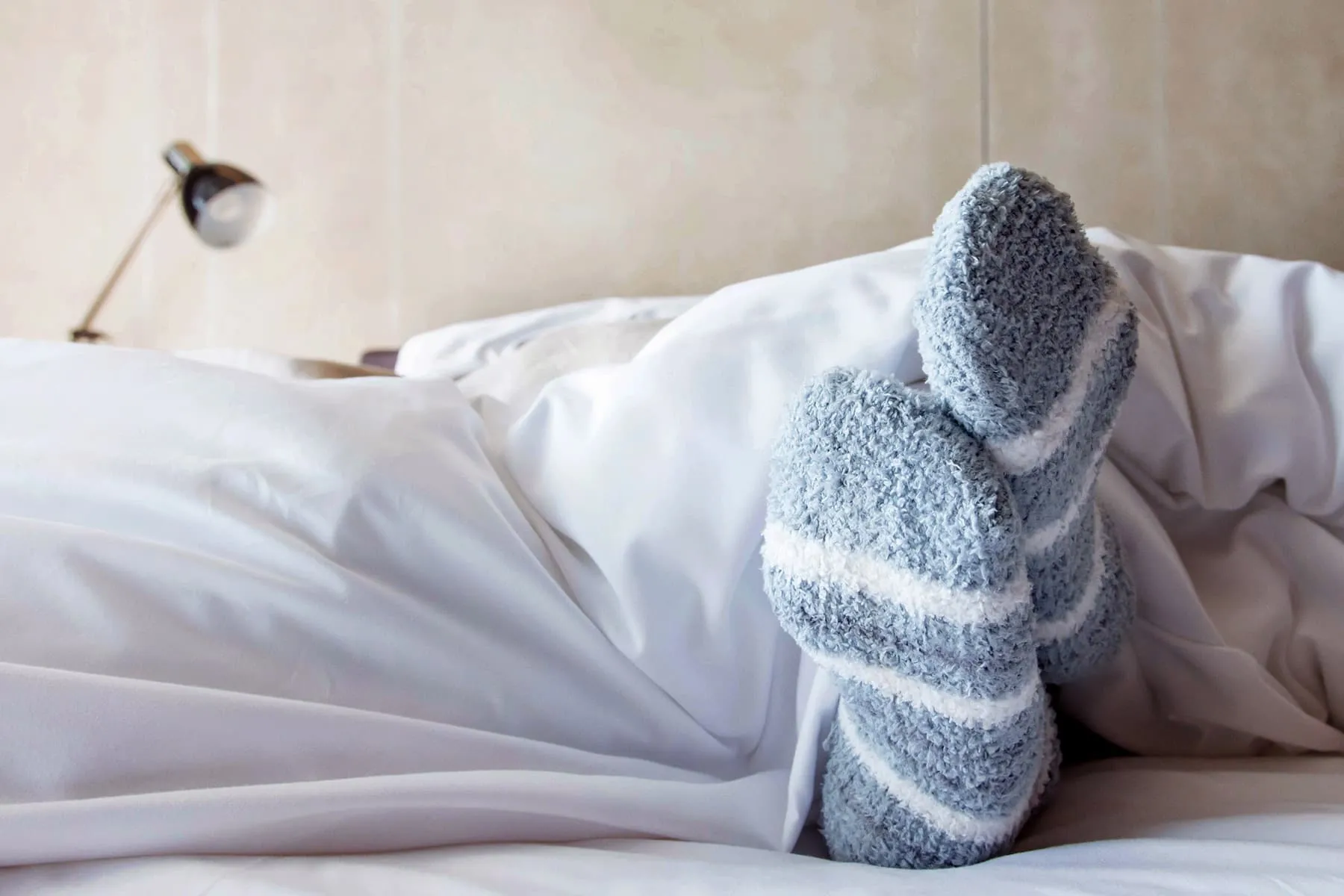
Some people walk into an air-conditioned room and feel pleasantly refreshed. Others immediately begin searching for a cardigan, a blanket, and possibly a small dragon to sit beside. If you are always cold while everyone around you seems perfectly comfortable, you are not imagining it. People vary in how they perceive temperature, but persistent cold sensitivity can also be influenced by clothing, nutrition, activity levels, circulation, medications, body composition, or an underlying health condition.
The good news is that many practical habits can help you feel warmer without turning your home into a tropical greenhouse. The key is to warm your core, reduce unnecessary heat loss, support your body’s natural heat production, and recognize when your constant chill deserves medical attention.
Why Are You Always Cold?
Your body works continuously to keep its internal temperature within a safe range. When the environment cools, blood vessels near the skin narrow to reduce heat loss. Muscles may also contract through shivering to generate additional warmth. Some people notice these responses sooner than others.
Being naturally sensitive to cool temperatures does not automatically mean something is wrong. A smaller body size, lower muscle mass, limited physical activity, aging, inadequate sleep, or simply sitting still for hours can leave you feeling chilly. However, cold intolerance can sometimes be connected to anemia, an underactive thyroid, nutritional deficiencies, circulation problems, nerve damage, diabetes, Raynaud phenomenon, significant weight loss, or certain medications.
Pay Attention to Changes in Your Normal Pattern
The most useful question is not whether you occasionally need an extra sweater. It is whether your sensitivity to cold has changed. If you used to be comfortable in a room but now need three layers and a personal negotiation with the thermostat, take note of when the change began and whether other symptoms appeared at the same time.
1. Dress in Smart, Loose Layers
Layering is one of the simplest ways to stay warm because it traps pockets of air close to your body. Those pockets act as insulation. Several light or medium layers are often more effective than one enormous sweater that makes you look like a decorative couch cushion.
Build a Three-Layer System
Start with a base layer that moves moisture away from your skin. Synthetic moisture-wicking fabric, silk, or lightweight wool can work well. Cotton may feel comfortable when dry, but it loses much of its insulating ability after absorbing moisture.
Add a middle layer made from fleece, wool, or another insulating material. Finish with an outer layer that blocks wind or rain when you are outdoors. Your clothing should fit comfortably rather than squeezing your arms, legs, hands, or feet. Tight clothing can restrict circulation and leave your fingers and toes feeling even colder.
Do Not Forget Your Head, Neck, Hands, and Feet
A warm hat, scarf, thick socks, and mittens can make a noticeable difference. Mittens generally retain warmth better than gloves because your fingers share heat instead of living in five tiny fabric apartments. Change damp socks quickly, and make sure shoes have enough room for both insulation and circulation.
2. Warm Your Core Before Chasing Cold Fingers
When your body senses cold, it protects vital organs by reducing blood flow to the skin and extremities. That is why your hands and feet may feel like they belong in the frozen-food aisle. Warming your chest, abdomen, neck, and upper back can help your entire body feel more comfortable.
Try adding a vest beneath your outer layer, wrapping yourself in a blanket, or placing a comfortably warm pack over clothing near your torso. Never apply an extremely hot object directly to your skin. People with diabetes, neuropathy, reduced sensation, or circulation problems should be especially cautious because they may not notice a burn developing.
3. Get Up and Move Regularly
Muscles produce heat when they work. You do not need to complete a heroic workout every time your toes become chilly. A few minutes of safe movement can increase circulation and make a cold room feel more manageable.
Walk around the house, climb a flight of stairs, perform gentle bodyweight squats, stretch your shoulders, or march in place. At a desk, set a reminder to stand and move every 30 to 60 minutes. Even simple ankle circles, heel raises, and opening and closing your hands can help after long periods of sitting.
Regular exercise may also improve cardiovascular fitness, muscle mass, sleep, and general temperature comfort over time. Choose activities appropriate for your health and fitness level, and speak with a healthcare professional before beginning a demanding exercise program if you have heart, lung, balance, or circulation concerns.
4. Eat Regular, Balanced Meals
Your body requires energy to produce heat. Skipping meals or consistently eating too little may leave you tired and cold, particularly if you are already sensitive to temperature changes. Build meals around a combination of complex carbohydrates, protein, and healthy fats.
For example, oatmeal with fruit and nut butter makes a more sustaining breakfast than coffee alone. Lunch might include rice, beans, vegetables, and chicken or tofu. A warming dinner could feature soup, whole-grain bread, and a protein source. The goal is not to eat enormous portions simply to feel warmer; it is to provide steady energy rather than running your internal furnace on fumes.
Include Iron-Rich Foods
Iron is needed to produce hemoglobin, which helps red blood cells carry oxygen. Iron deficiency can contribute to fatigue, pale skin, shortness of breath, dizziness, and cold hands or feet. Food sources include lean meat, poultry, seafood, beans, lentils, fortified cereals, spinach, and other leafy greens.
Plant-based iron is generally absorbed better when eaten with vitamin C-rich foods such as citrus fruit, strawberries, tomatoes, or bell peppers. Do not begin high-dose iron supplements just because you feel cold. Excess iron can be harmful, and a blood test may be needed to determine whether a deficiency is actually present.
5. Choose Warm Drinks Without Expecting Magic
A mug of tea, broth, warm milk, or hot water with lemon can provide immediate comfort. Holding the cup warms your hands, while sipping the drink creates a pleasant warming sensation. The effect may be temporary, but temporary warmth still counts when your office air conditioner appears to have been designed for penguins.
Stay hydrated throughout the day because dehydration can affect circulation and physical performance. Be cautious with excessive caffeine if it makes you jittery or seems to worsen cold, pale, or color-changing fingers. Alcohol is not a safe warming strategy. It may create a sensation of warmth by widening blood vessels near the skin while allowing the body to lose heat more quickly.
6. Take a Warm Shower or Bath
A warm shower can quickly raise skin temperature and relax tense muscles. Keep the water comfortably warm rather than painfully hot. Extremely hot water may irritate dry skin, cause lightheadedness, or lead to burns.
After bathing, dry off completely and dress before your skin cools. Put on warm socks, a robe, or layered sleepwear immediately. This small timing detail matters: stepping out of a warm shower and wandering around wet is an efficient way to undo the entire project.
7. Use Heating Products Carefully
Heating pads, heated throws, hot-water bottles, and electric blankets can provide targeted comfort, but they must be used according to the manufacturer’s directions. Choose a moderate setting, use a protective fabric layer, inspect cords and surfaces for damage, and avoid leaving electric heating products unattended.
Do not fall asleep with a standard heating pad turned on. Prolonged contact can cause burns even at settings that initially feel mild. Heated products may be unsuitable for infants or anyone who cannot reliably sense heat, move away from it, or operate the controls safely.
A microwaveable heat pack can also become dangerously hot or develop uneven hot spots. Test it carefully with your hand before placing it near your body, and never exceed the recommended heating time.
8. Make Your Home Hold On to Heat
Sometimes the problem is not your body; it is a drafty room quietly stealing warmth like a very polite burglar. Check windows and exterior doors for gaps. Weatherstripping, draft stoppers, insulated curtains, and properly sealed windows can reduce cold-air leaks.
Use rugs on cold floors and close curtains after sunset to reduce heat loss through windows. During the day, open curtains on sunny windows to let natural warmth in. Keep furniture away from heating vents and radiators so warm air can circulate through the room.
Use space heaters only on stable, level surfaces with plenty of clearance from bedding, paper, curtains, clothing, and furniture. Plug them directly into an appropriate wall outlet and follow all safety instructions. Never use a cooking oven, outdoor grill, or other unapproved fuel-burning device to heat a room. Working smoke and carbon-monoxide alarms are essential in homes with fuel-burning equipment.
9. Create a Warmer Sleep Routine
It is difficult to fall asleep when your feet feel as though they have been stored beside the ice cream. Warm the bed before climbing in with an approved electric blanket or heated mattress product, then follow its directions for overnight use. A safer low-tech option is a warm hot-water bottle wrapped in fabric and placed near the foot of the bed.
Wear clean, dry socks and breathable pajamas. Use several lighter blankets instead of one extremely heavy blanket so you can adjust your temperature during the night. A warm shower shortly before bedtime may also help you feel comfortable as you settle down.
Avoid piling on so many layers that you sweat. Damp sleepwear can eventually make you colder, and waking up wrapped like a steamed burrito is not the restful outcome anyone planned.
10. Manage Stress and Sudden Temperature Changes
Stress can affect breathing, muscle tension, and blood-vessel responses. In people with Raynaud phenomenon, emotional stress or cold exposure may trigger fingers or toes to become pale, blue, numb, painful, or unusually cold.
Keep gloves nearby when handling refrigerated or frozen items. Warm your car gradually, wear layers in heavily air-conditioned buildings, and avoid moving suddenly from a very warm environment into intense cold without protection. Slow breathing, gentle stretching, and other stress-management habits may help reduce stress-related episodes, although they do not replace medical treatment.
11. Review Medications and Health Changes
Some medicines can affect circulation, metabolism, alertness, or temperature regulation. Do not stop a prescription medication on your own. Instead, tell your healthcare professional when the cold sensitivity started and provide a full list of prescription drugs, over-the-counter products, and supplements.
Also mention recent dietary changes, major weight loss, heavy menstrual bleeding, pregnancy, recent illness, new exercise habits, or changes in sleep. These details can help a clinician decide whether tests for anemia, thyroid function, blood sugar, vitamin deficiencies, circulation problems, or another condition are appropriate.
When Feeling Cold May Need Medical Attention
Schedule a medical appointment if you regularly feel cold in temperatures that seem comfortable to others, particularly when the problem is new, persistent, or getting worse. Additional symptoms that deserve attention include:
- Ongoing fatigue, weakness, dizziness, or frequent headaches
- Pale skin, shortness of breath, chest discomfort, or a rapid heartbeat
- Unexplained weight gain or weight loss
- Constipation, dry skin, thinning hair, or slowed thinking
- Heavy or unusually frequent menstrual bleeding
- Numbness, tingling, burning sensations, or poor balance
- Fingers or toes that turn white, blue, purple, or intensely red
- Wounds on the feet or hands that heal slowly
Seek emergency assistance for possible hypothermia when cold exposure is followed by confusion, slurred speech, unusual drowsiness, severe clumsiness, slowed breathing, loss of consciousness, or a body temperature below 95°F. Shivering that suddenly stops while the person remains very cold can also signal a dangerous situation.
An Illustrative Experience: A Week of Learning to Stay Warmer
Consider the experience of an office worker named Jamie, an illustrative example based on common cold-weather challenges. Jamie spent most workdays sitting beneath an air-conditioning vent, drinking coffee instead of eating breakfast, and wearing one thick cotton sweatshirt. By midmorning, Jamie’s hands were cold, concentration had disappeared, and the office thermostat had become a personal enemy.
On the first day of a new routine, Jamie replaced the bulky sweatshirt with three lighter layers: a moisture-wicking shirt, a thin wool sweater, and a zippered vest. The difference was immediate. The vest kept the torso warm without restricting movement, and each layer could be removed when the room became warmer. A pair of loose wool-blend socks also worked better than two pairs of tight cotton socks, which had previously squeezed the feet without providing much insulation.
The next change involved movement. Jamie set a quiet reminder to stand every 45 minutes, walk to the farthest water station, and complete a minute of calf raises while waiting for the kettle. These breaks were not dramatic enough to qualify as a fitness montage, but they warmed the hands and feet while reducing afternoon stiffness.
Breakfast was the third experiment. Instead of relying on coffee, Jamie ate oatmeal with berries, yogurt, and nut butter. Lunch became a balanced meal rather than a tiny snack eaten at the keyboard. Energy felt steadier, and the intense late-morning chill became less frequent. Jamie also switched one afternoon coffee for warm herbal tea and kept a water bottle nearby.
At home, a quick inspection revealed cold air entering beneath the front door and around an older window. An inexpensive draft stopper, heavier curtain, and small rug made the living room noticeably more comfortable. Jamie began warming the bed briefly before sleep and turning the heating product off before getting in. Dry socks and layered blankets replaced the old strategy of leaving a heating pad on for hours.
By the end of the week, Jamie was warmer, but not completely comfortable. The cold sensitivity had also been accompanied by unusual tiredness and shortness of breath while climbing stairs. Instead of buying another sweater and hoping for the best, Jamie scheduled a medical appointment. A clinician reviewed the symptoms, diet, menstrual history, and medications before ordering appropriate blood tests.
The most valuable lesson was that warming strategies and medical evaluation are not competing choices. Clothing, movement, meals, and a less drafty home can improve everyday comfort. At the same time, persistent coldness can be useful information from the body. Jamie’s routine did not attempt to diagnose the cause; it made daily life easier while leaving the important detective work to a qualified professional.
This experience also showed that the best solutions were surprisingly ordinary. No expensive heated wardrobe was required. The biggest improvements came from warming the core, avoiding tight clothing, moving regularly, eating consistently, staying dry, and changing the environment. In other words, staying warm was less about one miracle product and more about several small habits working together.
Conclusion
If you are always cold, begin with practical steps: dress in loose layers, keep your core warm, move throughout the day, eat balanced meals, stay hydrated, and reduce drafts at home. Warm showers, beverages, blankets, and approved heating products can provide additional comfort when used safely.
However, do not assume constant coldness is merely a personality trait. A noticeable or persistent change may be associated with anemia, thyroid problems, inadequate nutrition, circulation disorders, nerve conditions, medication effects, or another health issue. Pay attention to accompanying symptoms and seek professional advice when something feels different from your normal pattern.
You may always be the person who carries a sweater in July. That is perfectly fine. The goal is not to win an argument with the thermostat; it is to stay comfortable, safe, and alert to what your body may be telling you.














