
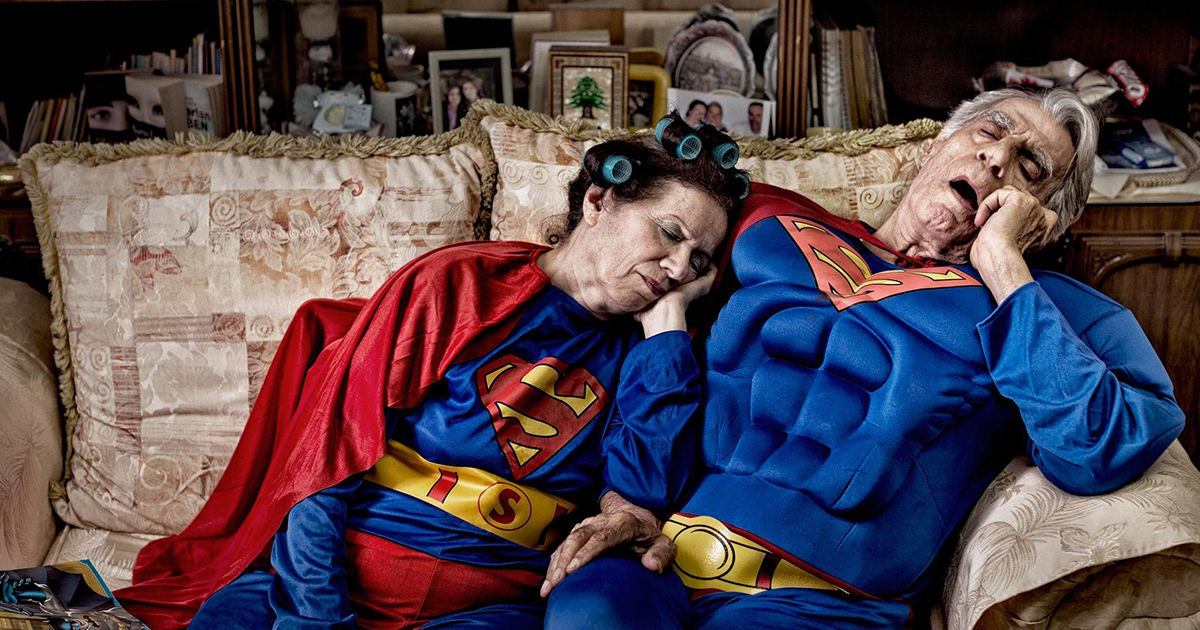
When most people hear the word hero, they picture capes, laser eyes, or at minimum a dramatic breeze that knows exactly when to hit. Real life is less cinematic. Heroes often wear work boots, grocery-store name tags, library lanyards, scrubs, school backpacks, or the same sweatshirt they have owned since 2009.
They are the neighbor who checks on an elderly resident during a heat wave. The volunteer who fills a trunk with food pantry boxes before sunrise. The teenager who notices a classmate eating lunch alone and decides, without making a speech about it, to sit down. They do not wait for a swelling orchestra. They see a need, then move.
That is the powerful idea behind We Can Be Heroes: heroism is not an exclusive club for celebrities, soldiers, athletes, or people who somehow manage to look excellent while running toward danger. A photographer can make this truth visible by framing ordinary people with the dignity, intensity, and presence usually reserved for the famous.
Photographer Platon’s work offers a striking example. Best known for portraits of public figures, he has also spent years documenting human-rights defenders and activists whose courage is rooted in persistence rather than fame. His book The Defenders presents photo essays created over 15 years in Myanmar, Egypt, Russia, the United States, and the Democratic Republic of the Congo.
The lesson is refreshingly simple: heroes do not always arrive from somewhere else. Quite often, they are already standing beside us, holding a clipboard, a mop, a camera, a blood-donation appointment card, or a bag of canned beans.
A Photographer’s Superpower: Making Us Look Again
Photography has always had a suspiciously effective trick up its sleeve: it can stop us mid-scroll. A strong portrait does more than show a face. It makes the viewer wonder what that person has survived, built, protected, or refused to ignore.
In Platon’s portraits, human-rights advocates are not presented as helpless symbols of suffering. They appear direct, self-possessed, and deeply human. The visual message is clear: power is not limited to people with security details, giant offices, or an alarming number of microphones. It can belong to someone who keeps speaking, organizing, helping, documenting, or defending others when silence would be easier.
That approach matters because the public is trained to notice spectacle. We know how to recognize a headline-making rescue. We are less practiced at recognizing the quiet labor that keeps a community from fraying at the edges.
A photograph can correct that blind spot. It can elevate the school custodian who stays late to prepare classrooms after a storm. It can honor the volunteer translator helping families understand medical paperwork. It can show the firefighter, yes, but also the person sorting donated socks at a shelter two streets away.
The camera does not create courage. It reveals courage that was already there, usually while the courageous person insists that they were “just doing what anyone would do.” That sentence may be the unofficial motto of everyday heroes everywhere.
Heroes Have Always Lived in Ordinary Places
The belief that images can spotlight overlooked people is not new. American documentary photography has a long history of placing everyday lives at the center of public attention.
Lewis Hine used photography to expose child labor conditions in the early twentieth century. He documented children working in mines, mills, canneries, and other industries, helping transform individual faces into a broader call for reform.
Later, photographer Russell Lee documented coal-mining families and communities with attention not only to dangerous working conditions, but also to resilience, connection, dignity, and the details of everyday home life. The National Archives notes that his work captured both hardship and the strength of communities built around shared labor.
These examples remind us that a heroic portrait is not always about a single dramatic act. Sometimes it is about survival. Sometimes it is about endurance. Sometimes it is about waking up every morning, doing demanding work, caring for others, and refusing to let difficult circumstances erase your humanity.
The Library of Congress describes documentary photography collections as a visual record of both noteworthy and everyday events. That phrase matters. A society is not only shaped by landmark moments. It is also shaped by a thousand unglamorous acts: the meals packed, the rides given, the petitions signed, the lessons taught, the gardens watered, and the phone calls made when someone simply needs to hear another human voice.
What Everyday Heroes Actually Look Like
The modern hero is not one personality type. There is no official haircut, no mandatory jawline, and thankfully no required leather pants. Everyday heroes appear in every generation, profession, neighborhood, and tax bracket.
The First Responder Who Arrives Before the Applause
Emergency workers, volunteer firefighters, nurses, dispatchers, paramedics, and disaster-response teams often meet people on the worst day of their lives. Their work requires training, composure, and a willingness to step into uncertainty when everybody else wants to step away from it.
The American Red Cross responds to more than 65,000 disasters each year, and volunteers make up roughly 90% of its workforce. Those volunteers help staff shelters, support blood services, provide disaster education, and assist families after crises large and small.
That is heroism without a movie trailer: a volunteer bringing coffee, blankets, forms, directions, and calm to people who have suddenly lost the normal shape of their lives.
The Neighbor Who Notices
Not every heroic act involves saving someone from a burning building. Some involve noticing that the new parent down the street has not slept in days. Some involve checking on a widow after a storm. Some involve carrying groceries up three flights of stairs because the elevator has decided it deserves a personal day.
Small acts are easy to dismiss because they do not look dramatic from far away. Up close, though, they can be life-changing. Help is often most valuable before a crisis becomes visible to everyone else.
The Volunteer Who Turns Concern Into a Calendar Entry
Concern is a feeling. Service is concern with shoes on.
Across the United States, volunteers support food banks, schools, shelters, community gardens, veteran programs, literacy efforts, animal rescues, and disaster recovery. AmeriCorps defines its mission around improving lives, strengthening communities, and encouraging civic engagement through service and volunteering.
One example comes from New Jersey, where disabled veteran Dionisio Cucuta organized food distribution during the pandemic and helped provide more than 250,000 meals to people in need through his Table to Table Tuesdays initiative.
That kind of impact rarely begins with a giant master plan. It often begins with one person thinking, “This should not be happening,” followed by the far more useful question: “What can I do by Friday?”
The Young Person Who Chooses Kindness in Public
Young people are frequently told they are the future, which is flattering but also a sneaky way for adults to avoid giving them credit in the present. In reality, many students already lead peer-support efforts, volunteer in their communities, organize donation drives, care for animals, and speak up when something is unfair.
Even photography can become a service tool. National Geographic has suggested that volunteers with photography skills can help animal shelters by taking appealing photos of adoptable pets, while other volunteers help animals become more comfortable around people.
One decent photo can help a shelter animal get noticed. One introduction can help a lonely student feel included. One honest question can change the direction of a conversation. Heroism has a surprisingly low barrier to entry.
Why We Need to See Everyday Heroes
There is a practical reason to tell these stories: recognition encourages repetition.
When a community celebrates courage, compassion, and service, it sends a message about what counts. The American Red Cross regularly recognizes local people whose actions range from lifesaving interventions to long-term community support. Its 2026 Real Heroes program in Southern California specifically highlights people who help others, save lives, or strengthen their communities through both bold action and quiet courage.
That recognition is not merely a gold star with better catering. It makes service visible. It gives people examples to follow. It reminds the next potential volunteer, donor, mentor, or neighborly helper that their contribution does not have to be perfect to matter.
Photography plays a special role here because it gives a face to an idea. “Community resilience” can sound like something printed on a conference tote bag. A portrait of a flood volunteer standing beside a ruined street makes the phrase real. “Compassion” can feel abstract. A portrait of a food-bank organizer with tired eyes and a flour-smudged apron explains it immediately.
When viewers see ordinary people portrayed with respect, they may begin to see their own potential differently. The question changes from “Who are the heroes?” to “Where am I needed?”
How to Photograph Heroes Without Turning Them Into Props
Photographing people who serve their communities requires more than a good lens and the ability to say, “Just one more.” It requires respect.
Tell the Person’s Story, Not Just the Photographer’s Story
A meaningful hero portrait should center the subject’s voice. Ask what they do, why they do it, what they wish people understood, and what support their work needs. A compelling image is stronger when paired with context.
Show Dignity, Not Pity
Good documentary work avoids reducing people to their hardest moment. A person receiving help is still a complete person with humor, intelligence, history, preferences, and agency. The goal is not to make suffering look beautiful. The goal is to make humanity impossible to ignore.
Include the Work, Not Just the Smile
A portrait can be powerful, but action photographs add another layer. Show the librarian arranging donated books. Show the mutual-aid team loading cars. Show the nurse preparing supplies. Show the volunteer kneeling beside a nervous shelter dog that is about to receive its close-up and possibly become a tiny internet celebrity.
Ask Before Sharing
Consent matters, particularly when stories involve children, trauma, medical situations, housing insecurity, immigration status, domestic violence, or grief. A photograph may raise awareness, but it should never cost a subject their privacy or safety.
How to Be an Everyday Hero Without Waiting for a Crisis
The good news is that no one needs a dramatic origin story. You do not need to be bitten by a radioactive spider, recruited by a secret agency, or handed a mystical hammer by a suspiciously confident wizard.
You can start closer to home:
- Learn CPR, first aid, or basic emergency preparedness.
- Volunteer one recurring hour each month instead of making impossible promises.
- Donate blood, supplies, skills, or professional knowledge where it is needed.
- Check on someone who may be isolated, overwhelmed, grieving, or new to the neighborhood.
- Support local teachers, shelters, food banks, libraries, and community groups.
- Use your phone camera to spotlight a volunteer, nonprofit, or local helper doing good work.
- Speak up when someone is being excluded, ignored, or treated unfairly.
The most sustainable heroism is not a grand gesture performed once for a photo opportunity. It is a habit of paying attention. It is showing up again. It is choosing usefulness over applause.
Experience Lens: The Heroism You May Already Recognize
Note: The following scenes are composite vignettes inspired by common forms of volunteerism and community care. They are not profiles of specific individuals.
Picture a Saturday morning at a local food pantry. The building is not glamorous. The fluorescent lights are doing their best, which is not much. Folding tables line the room, cardboard boxes are stacked against the wall, and somebody has brought a speaker that plays cheerful music at a volume best described as “optimistic.”
At the check-in table, an older volunteer remembers the names of nearly everyone who comes through the door. She asks about a grandson’s new job. She notices when a regular visitor seems unusually quiet. She does not call herself a hero. She would probably laugh at the idea and tell you she is only there because “someone has to keep the list straight.” But the list is not just a list. It is a small bridge between people and the help they need.
Across town, a high school student spends an afternoon photographing adoptable dogs at a shelter. The student expected the job to be mostly cute ears and sloppy kisses. It includes those things, thankfully, but it also includes patience. One frightened dog refuses to look at the camera. Another is convinced that the lens must be investigated with the full power of its nose.
After several tries, the student captures a photo of a shy mixed-breed dog sitting upright, ears tilted forward, looking curious instead of scared. The shelter posts the image. A family sees it. The dog gets adopted. No one builds a monument. No one releases confetti from a cannon. But one animal sleeps in a home that night because somebody gave up an afternoon and brought a camera.
Then there is the apartment-building hero: the person who notices the elderly tenant on the third floor has not collected her mail for several days. They knock. They call the building manager. They wait. They make sure she is okay. This is not a story designed for a superhero franchise. It is better. It is the kind of care that keeps people safe because someone refused to assume that “someone else” would handle it.
Another familiar scene unfolds after a storm. A group of volunteers unloads bottled water, batteries, diapers, and cleaning supplies from cars in a parking lot. Nobody has matching uniforms. One person is wearing rain boots with cartoon ducks on them. Another has brought homemade sandwiches in a cooler. The work is messy, tiring, and awkwardly organized. It is also exactly what communities look like when they decide not to abandon one another.
These experiences reveal something important: everyday heroes are not fearless people who never feel tired, uncertain, or inconvenienced. They are people who feel all of those things and still choose to help. They understand that courage is not always a thunderclap. Sometimes it is a text message. A ride. A meal. A donated hour. A truthful photograph. A hand extended before anyone asks twice.
The next hero portrait may not hang in a gallery. It may live in a family group chat, a school newsletter, a neighborhood Facebook post, or a volunteer organization’s bulletin board. That does not make it less meaningful. It may be the image that reminds someone else to step forward.
Conclusion: The Cape Is Optional
We Can Be Heroes is more than a catchy phrase. It is a useful reminder that courage is not reserved for people with fame, authority, or exceptional cheekbones. Photographer Platon’s portraits of human-rights defenders show how visual storytelling can honor people whose power comes from conviction, resilience, and service.
That same lens belongs in every neighborhood. The heroes among us are the people who respond after disasters, advocate for others, organize supplies, teach skills, protect vulnerable people, volunteer when nobody is watching, and make room at the table.
Look around. Someone is probably doing heroic work within walking distance of where you are sitting. They may not wear a cape. They may be wearing a stained apron, a safety vest, a school hoodie, or a name badge with a coffee stain on it.
Take the photo. Tell the story. Say thank you. Then find your own small way to join them.













