
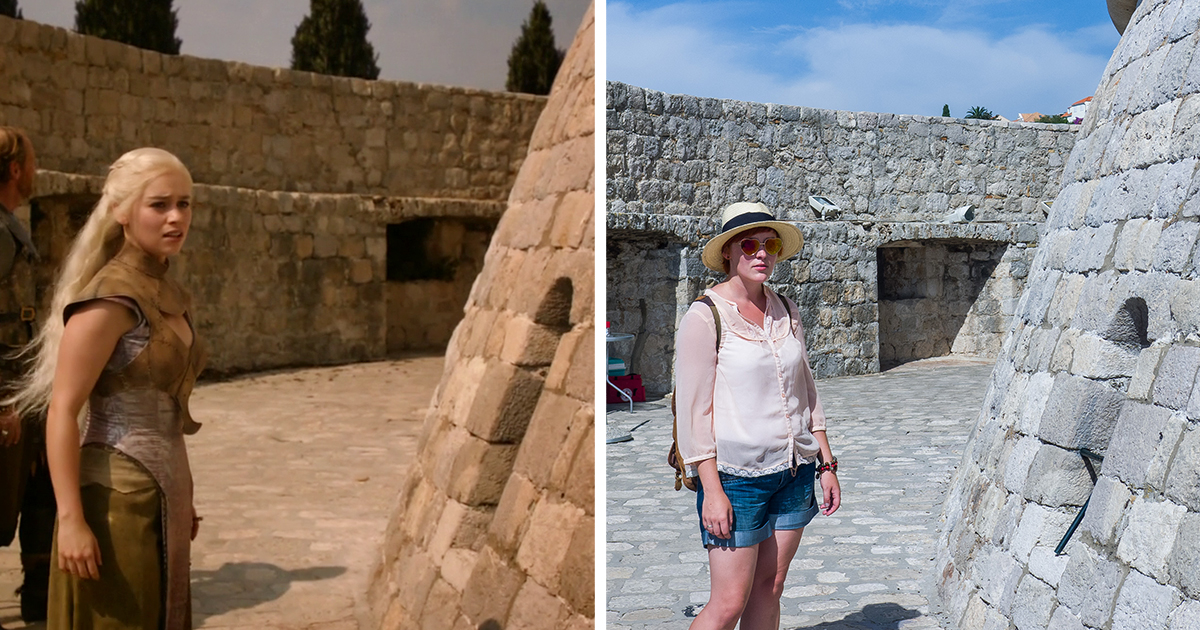
Note: This article is based on real-world filming-location information from reputable travel, entertainment, tourism, and culture sources, rewritten in original language for web publication.
For years, Game of Thrones made us believe that Westeros was a land of dragons, ice zombies, suspiciously dramatic staircases, and people who should never accept a wedding invitation. But here is the delicious secret: many of the show’s most unforgettable places are very real, very visitable, and thankfully much safer than attending dinner with the Freys.
The series was filmed across several countries, including Northern Ireland, Croatia, Iceland, Spain, Malta, Morocco, and Scotland. These locations did more than provide pretty backgrounds. They shaped the personality of the Seven Kingdoms. The cliffs of Northern Ireland became the Iron Islands. Dubrovnik’s sun-baked walls turned into King’s Landing. Iceland’s glaciers gave the North its brutal beauty. Spain supplied the golden elegance of Dorne and the ancient drama of Dragonstone.
So, whether you are planning a full Game of Thrones filming locations itinerary or simply want to know where your favorite scenes came to life, sharpen your Valyrian steel travel planner. We found the real-life places where Westeros stepped out of fantasy and into the passport line.
Why Game Of Thrones Filming Locations Feel So Real
One reason Game of Thrones looked so convincing is that the production relied heavily on real landscapes, castles, coastlines, and medieval cities instead of building everything from scratch. Yes, dragons were added later. Sadly, airport security still frowns upon those.
Real locations gave the show texture. A studio set can imitate stone, but it cannot fake centuries of weather, salt air, worn staircases, and walls that look like they have seen several dynasties behave badly. The result was a fantasy world that felt ancient, lived-in, and geographically huge.
For travelers, that realism is the fun part. You can stand in the same old town where Cersei plotted, walk the same forest paths where Stark children found their direwolves, and stare at the same black beaches where Dragonstone looked moody enough to need therapy.
Dubrovnik, Croatia: The Real King’s Landing
If Game of Thrones has one superstar filming location, it is Dubrovnik. This Croatian city on the Adriatic Sea became the primary stand-in for King’s Landing, the capital of the Seven Kingdoms. With its massive stone walls, orange rooftops, blue water, and dramatic cliffs, Dubrovnik already looked like it had been designed by a fantasy novelist with a generous architecture budget.
Dubrovnik Old Town Walls
The ancient city walls of Dubrovnik are among the most recognizable Game of Thrones locations. In the series, they helped create the fortified look of King’s Landing. Walk along the walls today and you can see why the show used them so often: the view is all stone, sea, and power. It is easy to imagine royal guards marching by, although modern visitors are more likely to be holding iced coffee than spears.
Fort Lovrijenac: The Red Keep And Blackwater Bay
Fort Lovrijenac, perched on a rocky cliff just outside the city walls, served as part of the Red Keep and appeared in scenes around Blackwater Bay. Its height and position make it feel like the kind of fortress where someone would absolutely give a dramatic speech before making a terrible decision.
The fort is one of the best places for fans to visit because it offers both a strong connection to the show and a spectacular view of Dubrovnik. Even if you are not a superfan, it is worth visiting for the history, the sea breeze, and the chance to say, “I drink and I know things” with a completely unnecessary amount of confidence.
The Jesuit Stairs: Cersei’s Walk Of Atonement
The Baroque Jesuit Stairs in Dubrovnik became famous as the setting for Cersei Lannister’s walk of atonement. In real life, the staircase is elegant, photogenic, and usually much less humiliating. It is also one of the easiest filming spots to find in the Old Town, which explains why it can get crowded.
Go early in the morning if you want a clean photo. Go midday if you enjoy photobombing, tour groups, and the exciting sport of trying not to appear in fourteen strangers’ vacation reels.
Trsteno Arboretum: The Gardens Of The Red Keep
About a short drive from Dubrovnik, Trsteno Arboretum doubled as the lush gardens of the Red Keep. This is where many quieter political conversations unfoldedbecause in Westeros, even a beautiful garden is basically a conference room for betrayal.
The arboretum is a peaceful change from the busy Old Town. With old trees, stone paths, fountains, and views of the Adriatic, it feels like a place where Olenna Tyrell would deliver a perfect insult and then ask for more lemon cakes.
Split, Croatia: Meereen, Palaces, And Underground Drama
Dubrovnik may get the crown, but Split also played an important role in the world of Game of Thrones. The city’s Roman architecture and nearby fortresses helped create scenes connected to Daenerys Targaryen’s rule in Essos.
Diocletian’s Palace
Diocletian’s Palace in Split is not just a palace. It is a sprawling Roman complex that now forms part of the city’s living historic center. In Game of Thrones, parts of the palace cellars were used for scenes associated with Daenerys and her dragons.
The underground chambers are atmospheric, cool, and slightly spookyin other words, excellent dragon-storage energy. Visitors can walk through the same kind of stone corridors that helped make Meereen feel ancient and powerful.
Klis Fortress
High above Split, Klis Fortress served as another major filming location for Meereen. The fortress has a commanding view over the region, which makes it easy to understand why producers chose it. It looks like a city made for conquerors, speeches, and the occasional fire-breathing reptile.
Klis is especially rewarding for fans because it combines recognizable filming angles with genuine Croatian history. It is not just a TV backdrop; it is a real fortress with centuries of strategic importance.
Northern Ireland: Winterfell, The Iron Islands, And The Kingsroad
Northern Ireland is arguably the heart of Game of Thrones production. Many interior scenes were filmed around Belfast, while the region’s forests, coastlines, castles, and roads became some of the show’s most iconic outdoor settings.
Castle Ward: Winterfell
Castle Ward in County Down is one of the most beloved real-life Game of Thrones filming locations. Its farmyard and surrounding landscape were used to represent Winterfell in early seasons. This is where the Stark family’s world began before everything went, to use the academic term, extremely sideways.
Today, visitors can explore the area and even join themed experiences inspired by the show. The site is especially fun because it feels less like a distant landmark and more like stepping into the Stark family’s front yardminus the direwolves, unfortunately.
Tollymore Forest Park: The Haunted Forest
Tollymore Forest Park appeared in early scenes north of Winterfell, including the discovery of the direwolf pups. With mossy stones, old bridges, twisting trees, and misty paths, the forest already has a fantasy mood. The show barely had to ask it to act.
It is a perfect location for hikers and fans who want atmosphere rather than crowds. Walk quietly enough and you can almost hear the theme music. Or a squirrel. In Northern Ireland, both can be dramatic.
The Dark Hedges: The Kingsroad
The Dark Hedges became the Kingsroad, most famously seen when Arya Stark escaped King’s Landing disguised as a boy. The road is lined with twisting beech trees that lean over the lane like nature decided to build a gothic cathedral.
This location has become extremely popular, so respectful travel matters. Visitors should stay on designated areas, avoid damaging tree roots, and remember that no photo is worth treating a historic landscape like a personal movie set.
Ballintoy Harbour: The Iron Islands
Ballintoy Harbour on the Causeway Coast stood in for parts of the Iron Islands, including scenes connected to Theon Greyjoy’s return. The rugged rocks and restless sea make the location feel harsh, remote, and perfectly suited to people who say cheerful things like “We do not sow.”
In real life, Ballintoy is much friendlier. The coastal views are stunning, the air is fresh, and nobody requires you to prove yourself by making questionable family decisions.
Cushendun Caves
Cushendun Caves appeared in one of the show’s darker magical moments involving Melisandre. The caves are naturally dramatic, shaped by the sea and time. Even without the fantasy storyline, they have an eerie beauty that makes them unforgettable.
They are also a reminder that Game of Thrones often used locations that already had strong emotional character. The caves did not need much decoration. They arrived ready for trouble.
Iceland: Beyond The Wall And Into The Ice
When the story moved beyond the Wall, Iceland gave the series its frozen grandeur. The country’s glaciers, lava fields, black sand, and volcanic landscapes made the North feel dangerous and otherworldly.
Thingvellir National Park
Thingvellir National Park appeared in scenes connected to the Vale and journeys through wild landscapes. It is also a UNESCO World Heritage Site and one of Iceland’s most important historic and geological locations. Here, the earth feels visibly alive, with dramatic rifts and rugged terrain.
For fans, Thingvellir offers that rare combination of screen recognition and real-world significance. You come for Westeros, then stay because the planet itself appears to be showing off.
Grjótagjá Cave
Grjótagjá, a small lava cave with a geothermal pool, is widely associated with Jon Snow and Ygritte’s famous cave scene. The pool looks magical, but visitors should follow local rules carefully, as bathing is not always allowed and conditions can be unsafe.
It is a beautiful stop, but also a good example of responsible set-jetting. Just because a scene looked romantic on television does not mean travelers should ignore safety signs. The Night’s Watch may know nothing, but you can do better.
Kirkjufell: Arrowhead Mountain
Kirkjufell, one of Iceland’s most photographed mountains, appeared as Arrowhead Mountain in the series. Its distinctive pointed shape made it easy for viewers to recognize. In real life, it is even more striking, especially when paired with nearby waterfalls and shifting Icelandic light.
If you visit, prepare for weather that changes its mind faster than a Westerosi alliance. Layers are not optional. They are survival with zippers.
Spain: Dorne, Dragonstone, Braavos, And The Dragonpit
Spain gave Game of Thrones some of its most visually rich locations. From royal palaces to ancient amphitheaters and rugged coastlines, Spanish filming sites brought warmth, color, and architectural drama to the series.
Royal Alcázar Of Seville: The Water Gardens Of Dorne
The Royal Alcázar of Seville became the Water Gardens of Dorne, home to House Martell. With its ornate arches, tiled courtyards, pools, and gardens, the palace needed very little transformation. It already looked like somewhere a prince would lounge while saying something poetic and politically dangerous.
This is one of the most beautiful Game of Thrones travel destinations because it offers both fan recognition and extraordinary real history. The architecture blends Islamic, Gothic, Renaissance, and Mudéjar influences, making it far more than a television backdrop.
Itálica: The Dragonpit
The ancient Roman amphitheater of Itálica, near Seville, was used as the Dragonpit in later seasons. This is where major characters gathered for one of the show’s tense political meetings. In classic Westeros fashion, everyone brought arguments, grudges, and approximately zero healthy communication skills.
The amphitheater’s scale made it ideal for the scene. Even without CGI dragons, it feels monumental. Visitors can walk through the ruins and imagine the uneasy silence before everyone starts threatening everyone else.
Gaztelugatxe: Dragonstone
San Juan de Gaztelugatxe in Spain’s Basque Country became the dramatic approach to Dragonstone. The real site features a stone bridge, a winding staircase, and a small hermitage at the top. On screen, visual effects added the Targaryen fortress, but the path itself is real.
The climb is worth it, but comfortable shoes are essential. Nobody looks powerful limping up ancient stairs in flip-flops. Not even a Targaryen.
Girona: Braavos, Oldtown, And King’s Landing Details
Girona’s medieval streets appeared in several storylines, including scenes representing Braavos, Oldtown, and parts of King’s Landing. Its narrow lanes, stone staircases, and historic Jewish Quarter made it an ideal filming location for urban scenes.
For travelers, Girona is especially rewarding because the filming spots are woven into the city. You can wander without feeling like you are chasing one single attraction. Every alley seems ready for a mysterious assassin, a scholarly debate, or a very expensive gelato.
Malta: The First King’s Landing
Before Dubrovnik became the show’s main King’s Landing, Malta played an important role in Season 1. The island’s walled cities, palaces, and sea cliffs helped introduce viewers to the capital and other early settings.
Mdina
Mdina, Malta’s ancient fortified city, appeared as parts of King’s Landing in the first season. Its narrow streets and grand gates gave the early show a strong medieval atmosphere. Mdina is often called the Silent City, which sounds peaceful until you remember that in Westeros silence usually means someone is plotting.
Fort Manoel
Fort Manoel was used for the Great Sept of Baelor, one of the most significant locations in the first season. The fort’s open courtyard and historic architecture helped create the setting for major political and personal turning points.
The Azure Window
The Azure Window on Gozo appeared in the wedding scene of Daenerys Targaryen and Khal Drogo. The natural limestone arch collapsed in 2017, so visitors can no longer see it as it appeared on screen. Still, the surrounding coastline remains beautiful and reminds fans that even famous filming locations can change over time.
Morocco: Slaver’s Bay And The Cities Across The Narrow Sea
Morocco supplied some of the show’s most memorable Essos locations. Its fortified cities and coastal settings helped create the world Daenerys encountered as she rose from exile to conqueror.
Aït Benhaddou
Aït Benhaddou, a historic fortified village, appeared as one of the cities of Slaver’s Bay. With earthen buildings rising from the desert landscape, it has a cinematic quality that existed long before Game of Thrones. The site has also appeared in many other films and television productions.
Its layered walls, towers, and warm tones made it ideal for the show’s depiction of ancient cities beyond Westeros. It looks like a place where history, heat, and ambition all arrived early and refused to leave.
Essaouira
The coastal city of Essaouira was used for Astapor, where Daenerys acquired the Unsullied. Its sea walls, harbor, and old medina gave the scenes a distinctive look. In real life, Essaouira is known for ocean breezes, artsy streets, and a much better visitor experience than negotiating with slave masters.
Scotland: Doune Castle And The Original Winterfell
Doune Castle in Scotland was used for Winterfell in the original pilot. While the show later relied heavily on Northern Ireland for Stark territory, Doune Castle remains an important piece of Game of Thrones history.
The castle has a long screen career beyond Westeros, and fans of medieval architecture will enjoy it even if they cannot name every Stark child in birth order. Its thick walls, courtyard, and towers make it easy to see why it was chosen as an early version of the Stark stronghold.
How To Plan A Game Of Thrones Filming Locations Trip
Planning a trip around real-life Game of Thrones locations can be as simple or as epic as you want. You could spend a weekend in Dubrovnik, take a day tour from Belfast, or build a multi-country itinerary across Europe and North Africa. The key is not trying to conquer the entire map in one trip unless you have unlimited vacation days and a dragon.
Best Starter Trips For First-Time Fans
For first-time fans, Dubrovnik is the easiest choice if King’s Landing is your priority. Many locations are walkable within or near the Old Town, and guided tours are widely available. Northern Ireland is another excellent option because several major locations sit within day-trip distance of Belfast.
Spain is ideal for travelers who want a mix of filming sites, food, architecture, and sunshine. Seville alone gives you the Water Gardens and the Dragonpit nearby. Iceland is best for nature lovers who want landscapes that feel genuinely supernatural.
Travel Tips For Set-Jetting Like A Responsible Lord Or Lady
First, check access rules before you go. Some locations require tickets, reservations, or seasonal planning. Second, respect local communities. Many of these places are historic sites, protected landscapes, or active neighborhoods, not theme parks with better stonework.
Third, bring the right shoes. This cannot be overstated. Medieval cities and cliffside paths were not designed for fashion sneakers with the grip of a banana peel. Fourth, go early when visiting popular spots like Dubrovnik’s Old Town, the Dark Hedges, or Gaztelugatxe.
Finally, remember that the best trips leave room for surprise. The show may bring you to a destination, but the destination itself should be allowed to steal the scene.
Extra Travel Experiences: What It Feels Like To Visit Real-Life Game Of Thrones Filming Locations
Visiting Game of Thrones filming locations is not exactly like stepping into the show, and that is a good thing. Nobody is poisoning your wine, the horses are usually optional, and most cities have excellent bakeries. But there is a strange thrill in recognizing a place your imagination already knows.
The first experience many fans describe is the shock of scale. On television, locations are edited, color-graded, expanded with visual effects, and wrapped in music. In real life, they are both smaller and larger than expected. The Jesuit Stairs in Dubrovnik may feel more compact than the scene suggests, but the city walls around them feel even more impressive when you are sweating your way up stone steps under the Croatian sun.
Then there is the fun of comparison. You stand at Fort Lovrijenac and remember the Red Keep, but you also notice kayakers below, restaurant terraces nearby, and gulls behaving with the confidence of minor nobility. The fantasy layer sits on top of the real world, not instead of it. That overlap is what makes set-jetting so satisfying.
In Northern Ireland, the experience is moodier. The weather often contributes free special effects. A little mist over Tollymore Forest can make the place feel instantly cinematic. The Dark Hedges, even without Arya on the run, has an atmosphere that makes people lower their voices. Ballintoy Harbour feels raw and elemental, the kind of coast that convinces you the Ironborn were not exaggerating about the sea.
Iceland offers a different kind of awe. It is less about recognizing one exact scene and more about understanding why the production chose the country. The landscape looks ancient, unfinished, and wildly alive. Lava fields, glaciers, steaming earth, black beaches, and sudden weather changes create a sense that nature is the main character. In a place like that, the idea of going “beyond the Wall” stops sounding like fantasy and starts sounding like a packing challenge.
Spain brings beauty and elegance to the journey. The Royal Alcázar of Seville is so detailed and ornate that fans may forget to look for camera angles because the real architecture is already overwhelming. The gardens feel peaceful, but if you know the show, every pool and archway carries a little extra drama. At Itálica, the Roman amphitheater gives you that rare feeling of standing inside both ancient history and modern pop culture at once.
One of the best parts of visiting these locations is discovering that they are not only famous because of television. Dubrovnik has maritime history and UNESCO-listed beauty. Seville has layers of cultural influence and magnificent architecture. Northern Ireland has coastal roads, castles, forests, and local hospitality. Morocco’s fortified cities and medinas are rich with history far beyond their screen roles. The show becomes an entry point, not the whole story.
There is also a practical lesson: filming-location travel works best when you slow down. Racing from one photo spot to another can make the trip feel like a scavenger hunt with jet lag. Instead, choose a few meaningful places and spend time with them. Walk the walls in Dubrovnik near sunset. Take a quiet forest trail in Tollymore. Sit somewhere in Girona and let the old streets do their work. Not every travel memory needs to be captioned immediately.
And yes, take the fan photos. Recreate the serious stare. Point dramatically at the horizon. Whisper “winter is coming” even if it is 86 degrees and you are holding gelato. Travel should have room for ridiculous joy. Just be courteous, move aside for locals, and do not block a staircase for twenty minutes while perfecting your royal expression.
In the end, real-life Game of Thrones filming locations are special because they prove that fantasy is often built from real places. The dragons were digital, the kingdoms were fictional, and many characters made choices that would alarm any reasonable HR department. But the cliffs, castles, forests, deserts, and city walls are real. You can walk them. You can photograph them. You can feel the wind off the sea and understand why these landscapes made the story feel so enormous.
Conclusion: Westeros Is Closer Than You Think
The magic of Game of Thrones was never only about dragons, battles, or shocking plot twists. It was also about place. The series turned real cities, forests, castles, coastlines, caves, and deserts into a fantasy world that millions of viewers could believe in.
From Dubrovnik’s King’s Landing to Northern Ireland’s Winterfell, from Iceland’s frozen wilderness to Spain’s sunlit palaces, the real-life Game of Thrones filming locations are more than fan attractions. They are historic, beautiful, culturally rich destinations that deserve attention beyond the screen.
So if you have ever wanted to walk the Kingsroad, climb toward Dragonstone, wander the Water Gardens, or stare dramatically across Blackwater Bay, good news: you do not need a raven, a royal decree, or a questionable alliance. You just need a travel plan, comfortable shoes, and maybe the wisdom not to schedule your trip during a wedding.














