
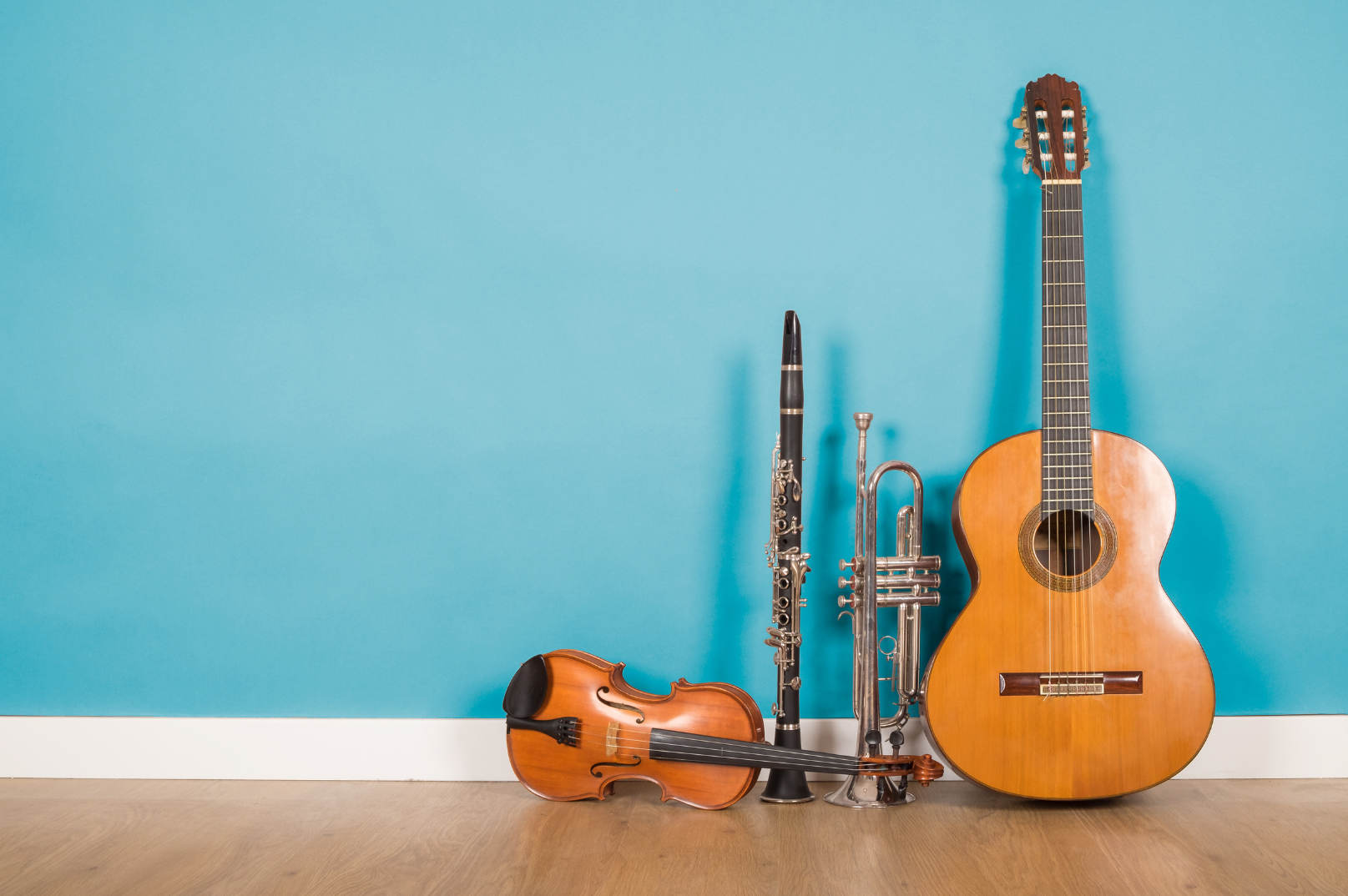
Choosing a musical instrument should feel exciting, not like selecting a mortgage with strings attached. Yet once you compare piano, guitar, drums, violin, saxophone, trumpet, bass, ukulele, voice, and music-production gear, the decision can become surprisingly complicated.
This What Instrument Should I Play Quiz matches instruments to your musical taste, preferred role, available space, budget, physical comfort, and goals. It is not a scientific personality test, and no quiz can hear the soundtrack inside your head. Think of it as a practical shortcut to a smart first trial.
Why the Right Instrument Is the One You Want to Pick Up
Beginners often ask which instrument is easiest. A better question is, “Which instrument makes me curious enough to practice?” Every instrument has an easy doorway and a difficult upper floor. You can learn a basic drum groove quickly, but advanced coordination is demanding. You can strum a few ukulele chords in an afternoon, yet polished rhythm still takes work. A piano makes a clear note immediately, although coordinating two hands can eventually feel like asking two squirrels to complete separate tax returns.
Your best match should combine the sound you love, the role you want in music, and the realities of daily life. Someone who dreams about acoustic drums but lives above a light-sleeping baby may need an electronic kit. A traveler who loves orchestral strings may find a violin more practical than a cello. You are not choosing your identity forever; you are choosing a good place to begin.
What Instrument Should I Play Quiz: How to Score It
Choose one answer for each question and record its letter. Your most frequent letter is your leading result. A tie means you have two strong options worth testing in person.
1. What part of a song grabs you first?
- The chords and harmony
- The guitar riff or strummed rhythm
- The beat
- The deep bass groove
- The expressive string melody
- The bright horn or woodwind line
- The singer’s words and phrasing
- The loops, textures, effects, and production
2. Which musical role sounds most satisfying?
- Building harmony while playing melody and accompaniment
- Supporting songs and stepping forward for riffs or solos
- Controlling tempo, energy, and dynamics
- Connecting rhythm and harmony without needing the spotlight
- Carrying emotional melodies with fine control
- Projecting a distinctive tone through an ensemble
- Communicating directly through words and vocal expression
- Designing complete sound worlds with technology
3. What practice setup fits your life?
- A digital piano or keyboard, preferably with headphones
- A portable instrument that fits beside a chair
- A dedicated area or an electronic kit
- A compact amplified instrument with quiet-practice options
- A quiet room for careful, repetitive work
- A place where breath-driven sound is acceptable
- Enough privacy to sing without apologizing to the furniture
- A computer, headphones, and a controller
4. Which learning process appeals to you?
- Seeing notes arranged logically from low to high
- Learning chord shapes, riffs, and familiar songs
- Building coordination through physical patterns
- Locking into grooves and making a group sound tighter
- Developing precise pitch, bowing, and finger control
- Training breath support, fingering, embouchure, and tone
- Improving breathing, pitch, diction, and confidence
- Experimenting first, then learning technical concepts as needed
5. What would be a satisfying first-month goal?
- Playing a melody and simple chords
- Strumming a complete song
- Holding a steady groove with a recording
- Playing the bass line to a favorite track
- Producing a clean, expressive beginner melody
- Playing a recognizable scale, fanfare, or tune
- Singing a full song with better control
- Building a short original track from beats and layers
6. Which musical setting can you picture joining?
- A songwriting session, jazz combo, worship group, or solo performance
- A rock band, acoustic duo, cover group, or casual jam
- A rock group, marching ensemble, jazz band, or percussion section
- A band with a tightly connected rhythm section
- An orchestra, chamber group, folk ensemble, or film-score project
- A concert band, jazz band, orchestra, or brass group
- A choir, musical, studio session, cover band, or solo stage
- A home studio, electronic act, live-looping set, or production team
Your Quiz Results
Mostly A: Piano or Keyboard
You may be a natural keyboard player if you enjoy patterns, harmony, and musical independence. Piano lets you play melody, chords, and bass, while its visual layout makes theory easier to understand. A digital keyboard adds headphones, recording tools, and a much friendlier moving-day experience than a grand piano.
Best for: songwriters, composers, accompanists, and learners seeking a broad foundation.
Mostly B: Guitar or Ukulele
You want something portable, social, and connected to songs you already love. Guitar fits rock, pop, folk, blues, country, jazz, and more. Ukulele is smaller and often offers a quick route to accompaniment. Do not assume acoustic guitar is the only proper beginning; electric guitar can be comfortable and quiet with headphones.
Best for: singers, riff lovers, casual jammers, and song-focused learners.
Mostly C: Drums or Percussion
You hear pulse first. Drum set rewards timing, listening, coordination, and physical energy. An electronic kit reduces volume, while a practice pad offers an inexpensive start. Percussion can also include hand drums, mallet instruments, snare drum, timpani, and cymbals.
Best for: energetic learners, natural timekeepers, and people who enjoy shaping a group’s intensity.
Mostly D: Bass Guitar
Bass sits between rhythm and harmony. You may play fewer notes than the lead guitarist, but one well-placed note can transform a song. Short-scale basses can help smaller players, and headphone amps make quiet practice possible.
Best for: patient listeners, groove-focused musicians, collaborative players, and understated leaders.
Mostly E: Violin, Viola, Cello, or Another Bowed String
You are attracted to expressive melody and fine control. Bowed strings can whisper, sing, ache, sparkle, and produce the occasional beginner squeak that alarms nearby wildlife. Proper size and setup are especially important for children, so ask a teacher or reputable rental shop to check the fit.
Best for: patient, detail-oriented learners who love lyrical tone and ensemble playing.
Mostly F: Woodwind or Brass Instrument
Your match may be flute, clarinet, saxophone, trumpet, trombone, French horn, or euphonium. Each uses a different sound-producing method and feels different in the hands and mouth. Try several with a teacher before deciding, especially when joining a school band.
Best for: ensemble-minded players, melody lovers, and learners willing to develop breath control.
Mostly G: Voice
Your voice may be your first instrument. Singing builds pitch awareness, breath control, listening, phrasing, and communication. Healthy training is not about copying a celebrity; it is about developing a reliable and expressive version of your own sound.
Best for: storytellers, performers, lyric lovers, choir members, and direct communicators.
Mostly H: Music Production, Synthesizer, or Electronic Digital Instrument
You think like a producer: part musician, part designer, part delighted button-pusher. A laptop, digital audio workstation, headphones, and MIDI controller can support composing, sampling, arranging, recording, and performance. Rhythm, ear training, keyboard skills, and theory still help, but experimentation begins immediately.
Best for: beatmakers, composers, technology fans, and creators who want to build complete tracks.
How to Confirm Your Result Before Spending Money
Listen With Intent
Make a playlist featuring your top two results. Focus on the instrument itself. Can you imagine practicing its sound slowly, including basic exercises, or do you enjoy it only when a professional plays at full speed? Loving the result matters; liking the process matters more.
Try Before You Buy
Visit a music store, school program, community group, or teacher. Hold the instrument, make a sound, and ask about sizing. Some beginning programs let students hear, see, and try several instruments. A short hands-on session can reveal more than a dozen online quizzes.
Price the Complete Setup
Include accessories and maintenance. Guitars may need a tuner, case, cable, or amplifier. Woodwinds need cleaning supplies and often reeds. Strings may require a bow, rosin, rest, and adjustment. Drummers need sticks, hearing protection, and a noise plan. Keyboards may need a stand, bench, pedal, and headphones. Renting is sensible for children, uncertain beginners, and expensive band or orchestra instruments.
Check Comfort and Practice Reality
Size, weight, hand span, posture, breathing, dental structure, mobility, and previous injuries can affect comfort. Adaptations and alternative sizes may help, but pain is not a rite of passage. Use correct setup and shorter, regular sessions. Fifteen focused minutes on most days usually builds a stronger habit than one heroic Sunday marathon.
What If You Tie Between Two Instruments?
A tie often reveals compatible interests. Piano and voice suit songwriters. Guitar and bass share fretboard ideas but serve different roles. Drums and production both reward rhythmic thinking. Saxophone and clarinet have related fingering concepts. You can start with one and add the other later.
Borrow or rent each choice, complete three beginner sessions, and notice which one you voluntarily return to. Do not score yourself by how talented you sound. Score curiosity, comfort, and the desire to try again tomorrow.
Experiences Related to Taking a “What Instrument Should I Play?” Quiz
Instrument quizzes work best when they begin a conversation rather than issue a final verdict. Sometimes the result confirms a long-standing attraction. A person who has spent years tapping rhythms on desks gets drums and thinks, “Yes, obviously; my coffee table has known this for years.” That recognition can provide the small push needed to schedule a first lesson.
The more interesting experience is an unexpected result. A rock fan may assume guitar is the only logical choice, then discover that bass better matches a love of groove, teamwork, and low-pressure leadership. After trying both, the player may realize that guitar riffs are enjoyable to hear, but bass lines are more satisfying to perform. The quiz did not uncover a secret genetic identity as a bassist. It simply asked better questions about musical role.
Parents often experience another version. A child chooses the largest, loudest instrument because it looks impressive. A supervised trial then reveals that the child loves the sound but dislikes carrying, assembling, or practicing it at home. A rental period can prevent an expensive object from becoming decorative furniture. In other cases, holding the instrument makes the child even more excited, proving that inconvenience is sometimes worth solving.
Adult beginners frequently worry that they started too late. The first lesson replaces that worry with a more useful problem: fingers that do not yet obey instructions. Progress feels awkward because the listener in your head is far more experienced than the beginner in your hands. Record a simple exercise during week one and repeat it a month later. Even modest improvement becomes audible, and modest progress is surprisingly addictive.
Another common lesson is that the “easiest” instrument is not easiest for everyone. One learner loves the visual layout of piano keys. Another finds two-handed coordination frustrating but enjoys strumming guitar. A third struggles with both yet reproduces rhythms accurately on a practice pad. Personal fit changes the difficulty curve.
Hands-on trials also reveal sensory preferences that a quiz cannot fully capture. Some people love the vibration of a cello against the body. Some enjoy the breath resistance of a wind instrument. Others prefer the clean feedback of piano keys or the snap of drumsticks. Practice is a repeated physical experience, not merely an intellectual project.
The best outcome may not be one perfect instrument but a musical direction. A keyboard result can lead to songwriting. Voice can lead to choir or theater. Production can create interest in piano, rhythm, and sound design. Many musicians eventually play several instruments because each one teaches them to hear music from a different angle.
Community matters as much as equipment. A supportive teacher, ensemble, church group, community band, class, or patient friend can turn frustrating practice into a shared adventure. The fanciest instrument cannot cheer when you finally play the difficult measure correctly. People can. Choose an instrument that fits you, then find a setting that helps you continue.
Final Answer: Which Instrument Should You Play?
Play the instrument whose sound attracts you, whose physical demands feel manageable, and whose practice requirements fit your real life. Use the quiz to narrow the field, then trust a hands-on trial before making a major purchase. You are not choosing a permanent identity. You are choosing the next doorway.
The right instrument makes you lose track of time, forgive the ugly beginner noises, and return for another attempt. Pick it up, make one honest sound, and begin.














