
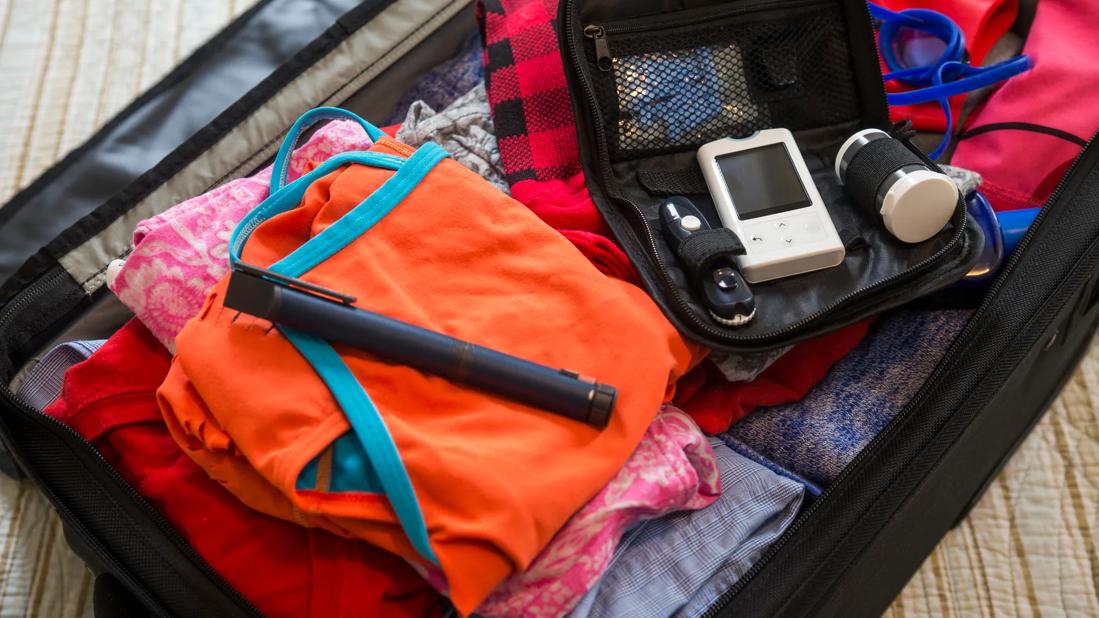
Traveling with type 2 diabetes does not mean your suitcase needs its own medical degree. It does mean your trip works better when you plan ahead, pack smart, and keep your blood sugar routine from wandering off like a missing boarding pass. Whether you are flying across the country, taking a road trip, cruising, visiting family, or finally booking that beach vacation your calendar has been quietly begging for, diabetes can come along safely.
The trick is not perfection. Travel is famous for delays, surprise meals, long security lines, weather mood swings, and hotel breakfasts where the “healthy option” is sometimes a lonely banana next to a waffle machine. The goal is preparation: knowing how to carry medications, store insulin or injectables, handle airport security, manage time zones, choose food on the go, prevent lows and highs, and protect your feet while you explore.
This guide covers what to know about traveling with type 2 diabetes in practical, real-world language. Bring your checklist, your sense of humor, and maybe a snack that does not melt into modern art.
Why Travel Changes Diabetes Management
Type 2 diabetes is strongly affected by routine. Your usual schedule may include familiar meals, medication timing, sleep, exercise, hydration, and glucose checks. Travel rearranges all of that. You may wake up earlier than normal, sit for hours, walk more than expected, eat at odd times, drink less water, or try foods with ingredients you cannot easily estimate.
That does not mean travel is dangerous by default. It simply means your blood glucose may react differently than it does at home. Some travelers notice higher readings because of stress, dehydration, poor sleep, or larger restaurant meals. Others experience lower blood sugar because they are walking more, delaying meals, or taking medications at their usual dose while eating less than usual.
The best approach is to expect some variation. Pack supplies, check glucose more often if recommended by your care team, and keep quick carbohydrates nearby if you use insulin or medications that can cause hypoglycemia. Your diabetes plan should be flexible enough to enjoy the trip without turning every meal into a math exam with silverware.
Talk With Your Diabetes Care Team Before You Go
Before a longer trip, international trip, cruise, or destination with limited medical access, schedule a conversation with your healthcare provider, diabetes educator, or pharmacist. This is especially important if you use insulin, sulfonylureas, GLP-1 medications, SGLT2 inhibitors, a continuous glucose monitor, or an insulin pump.
Ask About Medication Timing
Time zones can make medication schedules confusing. A pill you normally take at 8 a.m. may suddenly collide with a red-eye flight, an airport breakfast, and a local clock that insists it is tomorrow. Ask your provider how to adjust timing, especially if you take insulin or medicines that can lower blood sugar.
Request Documentation
Carry a medication list that includes generic and brand names, doses, and prescribing clinician information. For international travel, ask for a medical letter explaining that you have diabetes and need to carry medications, injectable supplies, sensors, glucose testing equipment, and snacks. Keep prescriptions and medication labels with you. Some countries have strict rules about medicines, even when those medicines are legal in the United States.
Discuss Emergency Supplies
If your medication plan creates a risk of severe low blood sugar, ask whether you should carry a glucagon emergency kit. If you travel with a companion, teach them how and when to use it. This is not dramatic; it is smart. Think of it as the diabetes version of knowing where the exits are.
Pack More Diabetes Supplies Than You Think You Need
A good rule for traveling with type 2 diabetes is to pack extra. Many diabetes educators recommend taking about twice as much medication and testing equipment as you expect to use. Flight cancellations, lost bags, storms, missed connections, and “we decided to stay two extra days” moments happen.
Your Diabetes Travel Kit Checklist
Keep essential items in your personal bag or carry-on, not in checked luggage. Your kit may include:
- Oral diabetes medications
- Insulin pens, vials, syringes, or pen needles if used
- GLP-1 or other injectable medications if prescribed
- Blood glucose meter, test strips, lancets, and lancing device
- Continuous glucose monitor sensors and charger or receiver if used
- Insulin pump supplies and backup injection supplies if used
- Extra batteries, charging cables, and power bank
- Glucose tablets, gels, hard candy, or another fast-acting carbohydrate
- Nonperishable snacks such as nuts, crackers, peanut butter packets, or protein bars
- Medical ID bracelet, necklace, or wallet card
- Prescription labels, medication list, and healthcare provider letter
- Small sharps container or puncture-resistant container for used needles
- Insurance card and emergency contact information
Separate your supplies logically. Keep a small “right now” kit within reach and a backup kit in another bag. If you travel with someone you trust, consider splitting supplies between two carry-ons. That way, one misplaced bag does not become a full-blown travel thriller.
Airport Security and Flying With Diabetes Supplies
In the United States, diabetes-related medications, supplies, and equipment are generally allowed through airport security after screening. This can include insulin, syringes, pen needles, insulin pumps, CGMs, meters, test strips, lancets, and medically necessary liquids. Declare medical items before screening begins and separate them from other belongings when requested.
Prescription labels are not always required by TSA, but having medication in its original labeled packaging can make the process smoother. Insulin and related supplies should be clearly identified. If you wear a CGM or pump, tell the TSA officer before screening. You can ask for a private screening if needed.
Do Not Put Essential Supplies in Checked Bags
Checked luggage can be lost, delayed, or exposed to temperature extremes. Insulin and some diabetes devices can be damaged by heat or freezing temperatures. Your carry-on is the safer place for medications and glucose monitoring tools. Also, if your blood sugar drops mid-flight, your glucose tablets will not help much from the cargo hold. They are loyal, but not that loyal.
Plan for Long Flights
Long flights can disrupt meals, hydration, movement, and medication timing. Bring snacks even if the airline says food will be served. “Will be served” and “will be served when your body needs it” are not always the same thing. Check your glucose as advised, drink water, and move your legs when safe. On longer flights, walking the aisle or doing ankle circles may help circulation.
Storing Insulin, Injectables, and Diabetes Devices
Temperature matters. Do not leave insulin, injectable medications, test strips, meters, pumps, or CGM supplies in a hot car, trunk, beach bag, or direct sunlight. Also avoid placing insulin directly on ice or a frozen gel pack. Too much heat or cold can affect medication and device performance.
Use an insulated medication travel case when needed. If a medication requires refrigeration, follow the storage instructions from the manufacturer and ask your pharmacist how to manage it during travel. For hotels, request a room refrigerator if necessary, but do not assume the mini fridge is set correctly. Hotel refrigerators can behave like tiny mysterious caves: sometimes chilly, sometimes frozen, sometimes just decorative.
Managing Food, Snacks, and Restaurant Meals
Food is one of the great joys of travel. You do not have to skip local cuisine because you have type 2 diabetes. Instead, use moderation, balance, and timing. Try to include protein, fiber, and healthy fats with meals when possible. These can help slow digestion and support steadier blood sugar.
Better Choices at Airports and Road Stops
Airport food courts and roadside restaurants can be workable. Look for grilled chicken or fish, salads with protein, eggs, whole-grain sandwiches, fresh fruit with nuts, broth-based soups, lettuce-wrapped burgers, or fajitas without the extra rice and tortillas. Watch creamy dressings, oversized portions, sugary drinks, and “coffee” drinks that are basically milkshakes wearing business attire.
Carry Backup Snacks
Always carry snacks, especially if you take insulin or medication that can cause low blood sugar. A delayed tour, traffic jam, missed connection, or long museum line can push meals later than expected. Good travel snacks include nuts, low-sugar protein bars, whole-grain crackers, peanut butter packets, cheese crisps, roasted chickpeas, or dried fruit in small portions.
Enjoy Treats With Strategy
Vacation is not a punishment. If you want dessert, consider sharing it, choosing a smaller portion, pairing it with a balanced meal, or taking a walk afterward. The aim is not to eat like a spreadsheet. The aim is to enjoy yourself without letting every meal become a glucose roller coaster.
Hydration, Heat, and Sun Exposure
Hydration is a big deal for people with type 2 diabetes. Dehydration can contribute to higher blood sugar, and high blood sugar can increase fluid loss through urination. Travel makes dehydration easier because people often drink less to avoid bathroom stops, sit in dry airplane cabins, spend time in hot climates, or walk more than usual.
Carry water and sip regularly. In hot destinations, increase fluids and take breaks in the shade. Sunburn and heat stress can affect blood sugar, so use sunscreen, wear a hat, and avoid overdoing it during the hottest hours of the day. If you are traveling somewhere with questionable water safety, use sealed bottled water or properly treated water, and avoid ice unless you know it was made safely.
Preventing and Treating Low Blood Sugar While Traveling
Not everyone with type 2 diabetes is at high risk for low blood sugar. The risk is higher if you use insulin or certain medications that stimulate insulin release. Travel can increase the risk because of missed meals, extra walking, alcohol, or schedule changes.
Know your symptoms. Low blood sugar may cause shakiness, sweating, hunger, dizziness, confusion, headache, fast heartbeat, or irritability. Some people feel “off” before they can explain why. Carry fast-acting carbohydrates such as glucose tablets, glucose gel, regular soda, or juice. Many diabetes educators teach treating low blood sugar with about 15 grams of fast-acting carbohydrate, then rechecking after about 15 minutes, but follow your personal medical plan.
Tell your travel companion what low blood sugar looks like for you. This is particularly helpful if you become confused or unable to treat yourself. It is much better to explain the plan during breakfast than during an emergency in a train station.
Watching for High Blood Sugar
High blood sugar can happen during travel because of stress, illness, dehydration, large meals, reduced sleep, missed medication, or less activity. Symptoms may include thirst, frequent urination, fatigue, blurry vision, or feeling generally unwell. If you monitor glucose, check more often when your routine changes, when you are sick, or when readings feel unpredictable.
If you use insulin, follow your provider’s instructions for correction doses. If you take medications such as SGLT2 inhibitors, ask your care team about sick-day rules before travel, because dehydration, vomiting, or reduced food intake may require special precautions. Never make major medication changes on your own because a vacation buffet got ambitious.
Foot Care: The Underrated Travel Essential
Travel often means more walking than usual. That charming old town, giant theme park, airport terminal, or “just a short hike” can put your feet through a marathon they did not approve in advance.
Wear comfortable, broken-in shoes. Pack moisture-wicking socks. Avoid walking barefoot at beaches, pools, hotels, or shared showers. Check your feet daily for blisters, cuts, redness, swelling, or hot spots. If you have neuropathy or reduced sensation, foot checks are even more important because a small injury can go unnoticed.
Road Trips, Cruises, and Adventure Travel
Road Trips
For road trips, keep supplies inside the climate-controlled part of the car, not in the trunk or glove compartment. Plan stops for meals, movement, bathroom breaks, and glucose checks. Map pharmacies and urgent care centers along your route if you are traveling far from home. Pack a cooler with water, balanced snacks, and meals that do not depend on gas station roulette.
Cruises
Cruises can be wonderful for people with type 2 diabetes, but buffets require strategy. Walk through the options before filling your plate. Choose lean protein, vegetables, salad, and controlled portions of starches or sweets. Carry glucose treatment during excursions and bring more supplies than you think you need, because replacing medications at sea is not simple.
Adventure Travel
If your trip includes hiking, skiing, snorkeling, biking, or long walking tours, ask your healthcare provider how activity may affect medication and glucose. Carry snacks, water, identification, and emergency supplies. Let someone know your route and schedule. Nature is beautiful, but it rarely has a pharmacy next to the waterfall.
International Travel With Type 2 Diabetes
International travel adds a few extra steps. Check medication rules for every country you will visit or pass through, including layover countries. Some places restrict medications that are common in the United States. Keep medicines in original containers with labels, carry copies of prescriptions, and bring a doctor’s letter listing your diagnosis and medications by generic name.
Research local emergency numbers, nearby hospitals, and pharmacy access before you leave. Consider travel medical insurance and medical evacuation coverage, especially for remote destinations. Learn a few key phrases in the local language, such as “I have diabetes,” “I need sugar,” “I need a doctor,” and “Where is the pharmacy?” Even if your accent is heroic in the wrong direction, the effort can help.
Technology Tips: CGMs, Meters, Apps, and Alarms
Technology can make diabetes travel easier, but only if it is charged, backed up, and accessible. Bring extra sensors, test strips, batteries, chargers, and a power bank. If you use a CGM, still consider carrying a traditional meter and strips as backup. Sensors can fail, phones can die, and hotel outlets can hide behind furniture like they are in witness protection.
Use phone alarms for medication timing, especially across time zones. Take photos of prescriptions, device settings, insurance cards, and emergency contacts. Store copies in a secure cloud folder and offline if possible. For insulin pump users, keep pump settings written down or saved somewhere accessible.
What To Do If You Get Sick While Traveling
Illness can raise blood sugar and make diabetes harder to manage. Traveler’s diarrhea, vomiting, fever, or infection can also cause dehydration. Before leaving, ask your provider about sick-day rules: how often to check glucose, when to check ketones if advised, what fluids to drink, what medications to pause or continue, and when to seek medical help.
Pack basic first-aid and stomach illness supplies recommended by your care team. If you develop severe vomiting, confusion, signs of dehydration, chest pain, trouble breathing, very high blood sugar that does not improve, or symptoms of severe low blood sugar, seek urgent medical care.
A Practical Travel Day Routine
On travel day, keep things simple. Eat a balanced breakfast if your schedule allows. Put medications, snacks, glucose treatment, meter, and documents in a bag you can reach without unpacking half your life in public. Check glucose based on your usual plan and your provider’s guidance. Drink water before you feel thirsty. Move when you can. Set medication alarms. Confirm where your supplies are before boarding, driving, or leaving the hotel.
Most importantly, do not let diabetes management become the villain of the vacation. It is part of the logistics, like passports, chargers, and figuring out why rental car buttons have multiplied since the last time you drove one.
Extra Experiences and Real-Life Lessons About Traveling With Type 2 Diabetes
One of the most useful lessons about traveling with type 2 diabetes is that the little decisions matter more than the dramatic ones. Most travel challenges are not cinematic emergencies. They are small moments: the flight is delayed, the only food nearby is a cinnamon roll the size of a throw pillow, your water bottle is empty, the walking tour runs long, or dinner reservations move from 6:30 to “whenever the table opens.” These moments are easier when you have a backup plan.
Experienced travelers with diabetes often build routines that feel almost boring, and that is exactly why they work. They keep glucose tablets in the same pocket every time. They pack medications first, not last. They bring a snack even for a short outing because “we’ll be back soon” is one of travel’s most suspicious sentences. They check where the nearest pharmacy is before they need one. They carry water because dehydration is sneaky, especially in airports, deserts, tropical climates, and sightseeing days when every photo stop turns into another mile.
Another common experience is learning that restaurant meals can be managed without turning the trip into a nutrition lecture. A traveler might order grilled fish, vegetables, and a small serving of rice, then share dessert instead of skipping it entirely. Someone else may choose eggs and fruit at a hotel breakfast instead of stacking pancakes like a delicious architectural project. The key is consistency over perfection. A single indulgent meal does not ruin a trip. A series of unplanned meals, missed medications, and no glucose checks can make you feel lousy fast.
Walking is another surprise. Many people are more active on vacation than they are at home, even if they do not call it exercise. Museums, airports, markets, old city streets, national parks, and theme parks can add thousands of steps. Extra activity may improve glucose for some people, but it can also increase the risk of low blood sugar for those taking insulin or certain diabetes medications. That is why snacks, monitoring, and comfortable shoes matter. A blister on day one can turn the rest of the trip into a slow-motion hobble.
Time zones teach patience. Even organized people can feel confused when a medication schedule crosses the International Date Line or when a long flight turns breakfast into dinner and dinner into a packet of pretzels. Alarms help, but personalized guidance from a healthcare professional helps more. The smartest travelers ask before they go, especially when insulin is involved.
Finally, confidence grows with practice. The first trip after a type 2 diabetes diagnosis may feel intimidating. The second usually feels easier. By the third, you know which bag works, which snacks survive heat, which shoes are trustworthy, and which airport food choices keep you feeling steady. Diabetes may require planning, but it does not cancel adventure. With the right supplies, flexible habits, and a calm backup plan, you can travel well, eat well, move safely, and come home with better souvenirs than a blood sugar mystery.
Conclusion
Traveling with type 2 diabetes is completely possible with preparation, awareness, and a little flexibility. The essentials are simple: talk with your care team before major trips, pack extra supplies, keep medications in your carry-on, protect insulin and devices from temperature extremes, carry snacks and fast-acting glucose, stay hydrated, check your feet, and monitor your blood sugar when routines change.
You do not need to plan every bite, step, and minute. You do need a reliable system for the predictable surprises of travel. When your supplies are organized and your plan is clear, diabetes becomes part of the packing listnot the boss of the vacation.













