
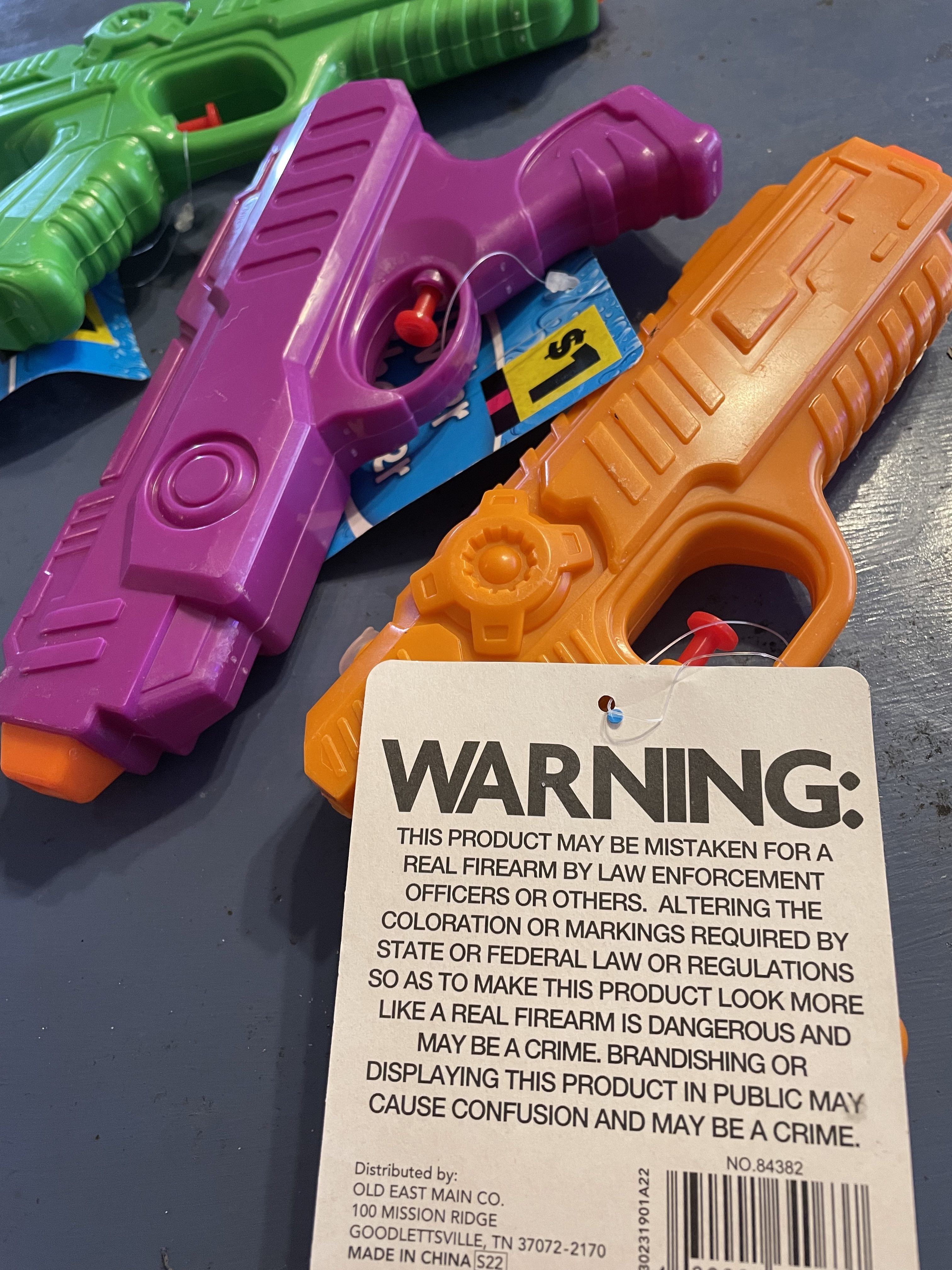
Some warning labels are helpful. Some are lifesaving. And some make you stop in the middle of a store aisle and wonder, “Who exactly made this necessary?” A coffee cup that reminds you coffee is hot. A costume cape that basically says, “This will not turn you into a superhero.” A steam iron warning people not to iron clothes while wearing them. Somewhere, a lawyer, a product designer, and a very tired customer-service team all sighed at the same time.
The weirdest warning labels are funny because they feel painfully obvious. But they also reveal something fascinating about modern life: companies are trying to prevent injuries, meet regulations, reduce lawsuits, and communicate danger to people who may be distracted, rushed, exhausted, or holding a product upside down while ignoring the instructions. In other words, warning labels are tiny public-service announcements from the universe.
This article explores why strange warning labels exist, what makes them so memorable, and why even the silliest ones often have a serious reason hiding behind the comedy. So, what’s the weirdest warning label you’ve seen? Let’s read the fine printpreferably before operating heavy machinery, swallowing batteries, or blow-drying your hair with a heat gun.
Why Do Warning Labels Exist in the First Place?
Warning labels exist to help people understand risk before using a product. That sounds simple, but real-world safety is messy. A product might be safe when used correctly and dangerous when used creatively. And humans, as a species, are extremely creative at the worst possible moments.
In the United States, warning labels can come from several directions. Some are required by law or regulation. Others are added because of industry standards, past accidents, customer complaints, product recalls, or legal advice. Labels on toys may warn about choking hazards. Food packaging must identify major allergens. Chemical products often use pictograms and signal words. Raw meat and poultry packages include safe-handling instructions. Button and coin batteries need clear warnings because swallowing them can cause severe injuries, especially in children.
Then there are labels that are not strictly about physical danger but still protect consumers. “Made in USA” claims, for example, must be truthful and properly supported. That is not a warning label in the slapstick sense, but it is still part of the larger labeling world: words on packaging shape what buyers believe.
What Makes a Warning Label Weird?
A warning label becomes weird when it feels too obvious, too specific, too dramatic, or too unintentionally funny. The best examples sound like they were written after a product meeting that began with the words, “You are not going to believe what happened.”
1. It States the Obvious
“Do not eat” on silica gel packets is a classic. Most people do not look at a tiny packet inside a shoebox and think, “Snack time.” Yet the warning exists because the packet is small, unfamiliar, and sometimes found near food-like packaging. The label may seem silly, but it prevents confusion.
2. It Imagines an Absurd Use
A heat gun warning that says not to use it as a hair dryer sounds ridiculous until you remember that both devices blow hot air. One styles your bangs. The other can strip paint. That distinction is important unless you want a hairstyle known as “insurance claim.”
3. It Feels Like a Legal Panic Button
Some labels are broad because companies want to cover every possible misuse. A label that says “Danger: Avoid Death” is memorable not because it is unclear, but because it is so blunt it feels like a fortune cookie written by a safety inspector.
4. It Appears on Everyday Products
The stranger the warning, the funnier it becomes when placed on something ordinary. A ladder, a stroller, a pillow tag, a coffee cup, a toy, or a household cleaner can suddenly become comedy material when the label sounds like it was written for someone having the worst day of their life.
Real Examples of Weird Warning Labels
Many strange warning labels have circulated online, but some have also been reported by media outlets covering “wacky warning label” contests and consumer-safety stories. Here are several examples that show the full range from hilarious to genuinely important.
“Do Not Iron Clothes While Wearing Them”
This warning has been reported as a famous example from a steam iron. It sounds like a joke, but it also makes sense. Irons are designed to press fabric on a flat board, not to become a personal branding device. The warning is funny because the danger is immediate, visual, and painfully easy to imagine.
“Danger: Avoid Death”
A small tractor label with this dramatic wording became one of the most quoted “wacky warning label” examples. It is technically good advice. In fact, it may be the most universally applicable warning ever printed. Still, as labels go, it feels less like product guidance and more like a life philosophy.
“Do Not Use As Hair Dryer”
This warning has appeared in reports about heat guns. A heat gun may resemble a hair dryer from across the garage, especially to someone in a hurry, but it can reach temperatures far beyond anything your scalp wants to experience. The label is weird because it compares two objects that look similar but belong in completely different danger categories.
“Harmful If Swallowed” on a Fishing Lure
A fishing lure with hooks being “harmful if swallowed” feels like an understatement wearing a tiny hat. Of course it is harmful. It has hooks. But labels often have to be direct, even when the product itself is already screaming, “Please do not put me in your mouth.”
“Do Not Use for Writing Checks” on a Vanishing Ink Marker
This one is oddly practical. A marker designed to disappear from fabric should not be used for signatures, checks, contracts, or anything that needs to continue existing after lunch. It is funny because the warning turns a craft tool into a miniature financial-crime prevention lecture.
“Shin Guards Cannot Protect Any Part of the Body They Do Not Cover”
This warning is technically perfect. It is also deeply funny because it explains how physical objects work. A shin guard protects your shin. It does not protect your elbow, your pride, or your questionable decision to slide tackle someone twice your size.
Why “Obvious” Warnings Are Not Always Dumb
It is easy to laugh at strange warning labels, but “obvious” is not the same for everyone. A first-time user, a child, an elderly person, a non-native English speaker, or someone using a product under stress may not interpret risks the same way an expert would.
Consider food allergens. A cookie package that says it contains milk might seem obvious if the ingredient list includes butter or chocolate. But for someone with a severe milk allergy, that clear label can prevent a medical emergency. The same goes for sesame, peanuts, shellfish, soy, wheat, eggs, tree nuts, and other major allergens. A label that looks repetitive to one shopper may be essential to another.
Or think about button batteries. To an adult, a tiny battery may look like a harmless metal coin. To a child, it may look swallowable. If ingested, it can cause severe internal injury. That is why battery warnings must be clear, visible, and direct. Sometimes the shortest warning carries the biggest meaning: keep away from children.
The Serious Side of Silly Labels
Behind every funny warning label is a serious design question: how do you get people to notice danger before something goes wrong?
Regulators and safety organizations classify risks in categories such as choking, burns, fire, poisoning, falls, entrapment, ingestion, and safety-equipment failure. Those categories are not theoretical. They show up in real recalls and consumer warnings. A toy with small parts can become a choking hazard. A treadmill can create a fall hazard. A poorly designed bottle may create a poisoning risk if a child can open it. A chemical product can burn skin or damage eyes.
Warning labels do not replace safe product design. A product should be built as safely as possible before a label is added. But labels still matter because no design can control every environment. A ladder cannot stop someone from placing it on wet grass during a thunderstorm while wearing flip-flops and confidence. A label can at least try to interrupt that plan.
When Warning Labels Become Noise
The downside is warning fatigue. If everything screams “WARNING,” people may stop listening. This is especially true when labels are too vague, too common, or too disconnected from the specific risk.
California Proposition 65 warnings are a famous example. They inform consumers about possible exposure to chemicals associated with cancer, birth defects, or reproductive harm. The intent is consumer awareness. But because the warnings appear on many products and in many places, some people begin treating them like wallpaper. That creates a communication problem: a warning that appears everywhere can feel like it means nothing, even when the underlying risk deserves attention.
Good warning labels need balance. They should be visible without being hysterical, specific without becoming a novel, and serious without sounding like a haunted-house sign. The best labels tell you three things quickly: what the hazard is, what could happen, and what action you should take.
How to Read Warning Labels Without Panicking
You do not need to treat every warning label like a prophecy. Instead, read it like a tiny risk map.
Look for the Signal Word
Words like “Danger,” “Warning,” and “Caution” are not interchangeable decorations. “Danger” usually points to a more severe or immediate hazard. “Warning” suggests a serious risk that may occur under certain conditions. “Caution” often signals a lower-level hazard, though still one worth respecting.
Find the Action Step
A good label tells you what to do: keep away from children, unplug before cleaning, cook thoroughly, wear eye protection, do not mix with bleach, or use only in a ventilated area. If you remember nothing else, remember the action.
Respect Labels Around Kids
Labels involving choking, batteries, cords, small parts, magnets, medicine, and chemicals deserve extra attention. Children explore the world with curiosity, speed, and very little commitment to reading comprehension.
Do Not Improvise With Dangerous Products
The weirdest labels often involve people using products for the wrong purpose. A heat gun is not a hair dryer. A lawn mower is not a hedge trimmer. A shopping cart is not a skateboard. A washing machine is not a spa. Innovation is wonderful, but not every household item wants to be part of your experiment.
The Comedy of Human Behavior
Weird warning labels are funny because they expose the gap between how products are designed and how people actually behave. Designers imagine clean countertops, responsible adults, bright lighting, and careful reading. Reality offers sleep-deprived parents, distracted shoppers, bored teenagers, ambitious DIYers, and one uncle who insists instructions are “just suggestions.”
The label is where those two worlds collide. It is the voice of caution trying to speak over the sound of someone saying, “I’m sure it’ll be fine.”
That is why the internet loves strange labels. They are tiny stories. “Do not iron clothes while wearing them” gives us a character, a setting, a bad decision, and a moral in seven words. “Avoid death” gives us the entire human condition. “Do not use as hair dryer” gives us a bathroom mirror, a heat gun, and a scream we can hear without being there.
Experiences Related to Weird Warning Labels
The weirdest warning labels tend to appear when you least expect them. You are not hunting for comedy; you are buying socks, opening a kitchen gadget, or assembling a bookshelf with directions that look like ancient cave art. Then, suddenly, there it is: a label so oddly specific it turns a normal errand into a philosophical event.
One of the funniest experiences is discovering a warning that sounds like it was written after a meeting no one wanted to attend. Imagine opening a new appliance and seeing a caution that says not to use it while sleeping. You immediately picture someone attempting to combine rest and productivity in the most dangerous way possible. Was this label added because someone tried it? Was it added because a lawyer imagined someone might try it? Either way, the label has done its job: you are awake now.
Another classic moment happens with food packaging. You pick up a jar of peanut butter and see an allergy warning that says it contains peanuts. At first, it feels absurd. Peanut butter contains peanuts? Shocking. Alert the newspapers. But then you remember that food labels are not written for comedy; they are written for clarity. A parent shopping for a child with allergies, a school cafeteria worker, or someone quickly checking ingredients needs the information to be unmistakable. The label is funny only because it is obvious to most people. To someone with a serious allergy, obvious is exactly the point.
Travel also creates excellent warning-label encounters. Rental cars, hotel hair dryers, pool gates, elevator doors, luggage tags, and airport signs all compete to remind us not to do things that should already be clear. Do not block the elevator doors. Do not dive into shallow water. Do not leave bags unattended. Do not place children on luggage carts and race them through the lobby like tiny Olympic bobsledders. The warnings may sound excessive, but public spaces serve thousands of people, and every day brings a fresh batch of questionable decisions.
DIY projects are another gold mine. Anyone who has bought power tools has seen warnings that feel like they were written by someone who has witnessed true chaos. Wear eye protection. Keep hands away from blades. Do not operate while tired. Do not remove guards. Do not use the tool in rain. These are not jokes. They are the printed equivalent of a very experienced contractor saying, “Please do not make me explain this twice.” Still, when a label has to clarify which end of a sharp tool not to grab, the comedy writes itself.
The best personal rule is simple: laugh first, then read again. Weird warning labels are entertaining, but they are also little reminders that common sense is not evenly distributed at every moment. We all have tired days. We all rush. We all do something slightly foolish and hope no one saw it. Warning labels are there for the version of us who is distracted, overconfident, or trying to open packaging with a steak knife at midnight.
Final Thoughts: The Weirdest Warning Labels Are Funny Because They Are Human
So, what’s the weirdest warning label u seen? Maybe it was on a toy, a tool, a snack, a ladder, a costume, or a bottle of cleaner. Maybe it made you laugh because it seemed unnecessary. Maybe it made you wonder what bizarre incident inspired it. Or maybe it quietly saved someone from making a painful mistake.
The truth is, weird warning labels are not just about lawsuits or overcautious companies. They are about communication. They translate danger into a few words small enough to fit on a package and clear enough to interrupt a bad idea. Some labels are clumsy. Some are hilarious. Some are genuinely vital. And some deserve a place in the Museum of Human Decisions, right next to “I can fix that myself” and “Hold my drink.”
Laugh at the strange labels. Share the funny ones. But read the important ones, especially when they involve children, food allergies, batteries, chemicals, heat, blades, vehicles, or anything that spins faster than your common sense can react. The weirdest warning label may be ridiculous, but the smartest response is still the same: notice it before you become the reason for the next one.














