
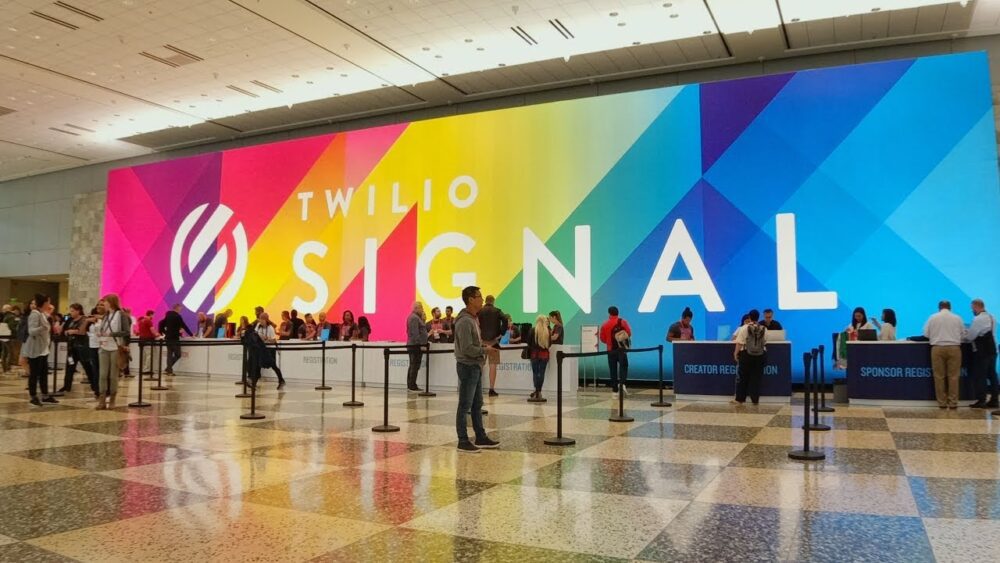
Every fall, B2B professionals open their calendars and discover a familiar little surprise: SaaStr Annual, Dreamforce, INBOUND, Workday Rising, Oracle AI World, Zoomtopia, HR Tech, and half the known universe have somehow decided to throw a conference at nearly the same time. It feels less like event planning and more like a Silicon Valley group chat got out of hand.
But this crowding is not an accident. Major SaaS conferences and business technology events cluster in a tight window because the calendar, sales cycle, weather, venue availability, and executive psychology all point in the same direction. For B2B companies, September and October are not just “nice months.” They are the final big stage before year-end revenue targets, budget renewals, product announcements, and next-year planning collide like caffeinated bumper cars.
So, why do SaaStr Annual, Dreamforce, INBOUND, and other major SaaS events seem to happen at the same time? The simple answer is that fall is the most valuable moment for influencing pipeline. The fuller answer is more interesting: these events sit at the intersection of marketing strategy, enterprise buying behavior, travel logistics, investor attention, and the emotional reset that happens after summer. Let’s unpack the calendar chaos.
The Fall Conference Pileup Is Really a Pipeline Strategy
In B2B SaaS, timing is everything. A conference is not just a party with lanyards, although some expo halls do make you wonder whether badge scanning has become a competitive sport. These events are designed to move business forward. They bring prospects, customers, partners, analysts, investors, product teams, and executives into one place when decisions are starting to matter most.
For many software companies, the third and fourth quarters are where sales teams push hard to close annual goals. Big events in September and October help companies influence open deals, accelerate late-stage opportunities, announce product updates, and create urgency before the year ends. A customer who attends a keynote, meets an executive, sees a roadmap, and has dinner with peers may suddenly become much warmer than a lead sitting quietly in a CRM, collecting digital dust.
That is why Dreamforce has historically been such a powerful sales and ecosystem moment for Salesforce. It is not merely a conference; it is a giant live operating system for the Salesforce community. Similarly, HubSpot’s INBOUND has served as a major gathering for marketers, sales leaders, customer success teams, and growth professionals. SaaStr Annual became a must-attend event for SaaS founders, executives, revenue leaders, and investors because it sits close to the beating heart of B2B company building.
September Is the Sweet Spot for B2B Events
September has a strangely magical quality in business. Summer vacations are mostly over. Kids are back in school. Executives return from beach mode, ideally with fewer sand-related laptop incidents. Teams are ready to make decisions again. The calendar reopens after the slower summer months, and the final stretch of the fiscal year becomes real.
For conference organizers, September offers a rare combination of energy and urgency. Attendees are available, companies are looking at pipeline, and teams are starting to shape plans for the following year. It is late enough to present meaningful product updates, but early enough to influence Q4 deals and budget conversations.
October is nearly as attractive. It keeps the same strategic advantages while giving companies a little more runway to prepare announcements, polish demos, and organize large-scale logistics. That is why events such as Dreamforce, Workday Rising, Oracle AI World, Zoomtopia, and HR Tech often live somewhere in the September-to-October neighborhood.
Big Conferences Are Built Around Enterprise Buying Cycles
Enterprise software buying is rarely spontaneous. Nobody wakes up on a Tuesday, drinks half a latte, and says, “Let’s casually buy a seven-figure CRM platform before lunch.” B2B purchases involve discovery, demos, security reviews, procurement, legal teams, finance approvals, implementation plans, and a cast of stakeholders large enough to qualify for a group discount.
Major conferences help compress that messy process. A buyer can compare vendors, attend product sessions, meet account teams, hear from customers, and bring internal stakeholders into the same conversation. For vendors, the event becomes a high-density sales accelerator. Instead of trying to book twenty separate meetings across three months, they can meet prospects, partners, and customers in three days.
This is especially important near year-end. Many companies are finalizing budgets, renewing contracts, evaluating vendors, or deciding which platforms deserve investment in the next fiscal year. A well-timed fall event can shape those decisions before the budget door closes with the cheerful thud of corporate finance.
Product Announcements Need an Audience
Another reason SaaS conferences cluster together is that product launches need attention. A company can announce a new AI feature in a blog post, but a live keynote gives that feature drama, context, applause, and a chance to trend across LinkedIn before everyone returns to posting pictures of airport coffee.
Dreamforce is known for major Salesforce announcements. HubSpot uses its flagship event to frame its product direction and go-to-market philosophy. Oracle AI World, Workday Rising, and Zoomtopia all serve as launchpads for new platform capabilities, especially as AI reshapes enterprise software. SaaStr Annual, while broader and more community-driven, gives founders and operators a forum to understand where SaaS, AI, revenue strategy, and venture capital are heading.
Fall is ideal for these announcements because the market is listening. Buyers are planning. Analysts are tracking. Partners are building roadmaps. Sales teams need fresh stories before Q4. A strong keynote in September or October can become fuel for months of sales conversations.
Venue Availability Is a Hidden Boss Battle
Anyone who has organized a large conference knows the truth: the venue calendar is not your friend. Major events require enormous spaces, hotel blocks, production crews, security, catering, Wi-Fi infrastructure, transportation planning, sponsor areas, expo halls, meeting rooms, and enough signage to direct a small civilization.
Large venues such as Moscone Center in San Francisco, major Las Vegas convention properties, Boston convention facilities, and Bay Area event centers are booked far in advance. Organizers do not simply choose the perfect date and receive a golden calendar invite from the venue fairy. They negotiate around availability, citywide events, hotel rates, holidays, union labor schedules, sponsor needs, and competitor conferences.
This is why dates sometimes shift. Dreamforce has historically appeared in September, but it can move depending on San Francisco logistics and venue constraints. SaaStr Annual has also adjusted its timing over the years, including moving into May for some editions. Even when a company wants the perfect September slot, the real world may say, “Lovely idea. How about the week before three other giant events?”
The “Back to Business” Psychology Is Powerful
Fall carries a cultural reset in the United States. Even for adults who have not bought a pencil case in decades, September still feels like the start of a new chapter. Teams return from summer, leaders reset priorities, and employees start thinking seriously about what must happen before the year ends.
Conference organizers understand this. A fall event benefits from the mental energy of a fresh season. People are more willing to travel, learn, network, and make decisions. The weather is generally more cooperative in many cities, and there are fewer conflicts with major family vacation periods.
Spring also works well for conferences, which is why many events choose March, April, or May. But fall has a sharper business edge. Spring is about education, planning, and inspiration. Fall is about execution, pipeline, budget, and closing the year strong. In SaaS terms, spring says, “Let’s explore.” Fall says, “Let’s get this into the forecast.”
Why So Many Tech Companies Choose the Same Cities
The calendar is crowded, but so is the map. San Francisco, Las Vegas, Boston, New York, and Orlando show up again and again because they offer the infrastructure that large conferences need. These cities have major airports, convention centers, hotel capacity, restaurants, sponsor-friendly venues, and local ecosystems that support business events.
San Francisco remains a natural choice for software, cloud, AI, and venture-backed companies because the Bay Area is still deeply connected to the technology industry. Boston is a strong fit for HubSpot’s community and the broader marketing and business ecosystem. Las Vegas has become a conference machine thanks to its hotel inventory, entertainment options, and ability to absorb massive crowds without looking particularly surprised.
When the same industries prefer the same cities during the same season, overlap becomes inevitable. It is not always poor planning. Sometimes it is simply the result of many rational decisions producing one chaotic outcome.
The Ecosystem Effect: Events Attract More Events
Big conferences create gravity. When Dreamforce comes to San Francisco, dozens of side events, partner dinners, investor breakfasts, customer meetups, and unofficial happy hours appear around it. The same happens with SaaStr Annual, INBOUND, Oracle AI World, and other major gatherings.
This ecosystem effect can make the week feel even more crowded. A company may not sponsor the main conference but still host a dinner nearby. A venture firm may organize founder meetings. A startup may run a small customer event because its target buyers are already in town. Consultants, agencies, integration partners, and media companies all try to ride the wave.
In other words, the big event is only the sun. Around it orbit many smaller planets, moons, and the occasional networking asteroid with an open bar.
Why Overlap Is Annoying but Not Always Bad
For attendees, overlapping events can be frustrating. A revenue leader might want to attend SaaStr Annual for tactical SaaS growth lessons, Dreamforce for Salesforce ecosystem updates, and INBOUND for marketing strategy. A founder may want investor access, customer meetings, and product education all in the same month. Travel budgets, time, and human stamina are not unlimited, despite what some conference agendas seem to believe.
However, overlap can also create efficiency. If multiple events happen in the same region or timeframe, attendees can combine trips. A partner team might schedule meetings around Dreamforce, then attend a SaaS dinner or investor gathering the same week. A buyer traveling to San Francisco or Las Vegas may get more value from one trip because the entire ecosystem is activated.
For vendors, overlap forces prioritization. Not every company should exhibit everywhere. Smart teams choose events based on where their customers actually are, not where the loudest LinkedIn posts are coming from. The goal is not to collect the most tote bags. The goal is to create qualified conversations that move revenue, partnerships, hiring, or investor relationships forward.
How Companies Should Decide Which SaaS Events to Attend
The best event strategy starts with a simple question: who are you trying to reach? If your buyers live inside the Salesforce ecosystem, Dreamforce may be essential. If you sell to SaaS founders, revenue leaders, or B2B operators, SaaStr Annual may offer a better fit. If your audience includes marketers, sales teams, RevOps leaders, and customer growth professionals, INBOUND or its newer evolution may be highly relevant. If you sell enterprise applications, infrastructure, HR technology, finance systems, or collaboration tools, events such as Workday Rising, Oracle AI World, HR Tech, and Zoomtopia may matter more.
Companies should also consider the role of the event in the funnel. Some conferences are excellent for brand awareness. Others are better for customer expansion, partner development, analyst relationships, or executive meetings. A booth can work, but only when supported by pre-booked meetings, clear messaging, trained staff, fast follow-up, and a reason for people to care. “Come see our platform” is not a strategy; it is a sentence wearing a lanyard.
What the Timing Tells Us About the SaaS Market
The fall conference cluster reveals something important about SaaS: the market still values in-person trust. Even in an era of AI demos, virtual webinars, automated nurture sequences, and self-serve buying journeys, people still want to meet the teams behind the software. They want to hear product direction directly from leadership. They want proof that other customers are succeeding. They want to compare notes with peers who are facing the same messy, real-world problems.
This is especially true as AI changes the software landscape. Buyers are flooded with claims, roadmaps, and promises. Conferences help separate credible execution from polished noise. A live session, customer panel, hands-on workshop, or executive conversation can build trust faster than another downloadable PDF titled something like “The Ultimate Guide to Transformational AI-Driven Synergy.” We have enough of those. Possibly too many.
The Future: More AI, More Community, More Calendar Collisions
As AI becomes central to SaaS, the conference calendar may become even busier. Every major platform wants to show how it is using AI agents, automation, data, and workflow intelligence to reshape business. That means more product launches, more executive keynotes, more partner ecosystems, and more pressure to own the conversation before competitors do.
At the same time, events are becoming more community-driven. Attendees want practical workshops, peer discussions, curated networking, and smaller sessions where they can ask real questions. The giant keynote still matters, but the hallway conversation may matter more. The future of SaaS events will likely blend big-stage announcements with high-intent micro-communities.
Will that solve the timing problem? Probably not. As long as B2B companies care about Q4 pipeline, fiscal-year planning, product announcements, and buyer attention, September and October will remain crowded. The fall calendar will continue to look like someone spilled alphabet soup made of SaaS acronyms.
Experience-Based Insights: What It Feels Like When Every SaaS Event Happens at Once
Anyone who has lived through the fall SaaS conference season knows it has its own rhythm. First comes the innocent planning phase. You tell yourself you will attend one event, maybe two. You will be selective. Strategic. Calm. Then invitations arrive. A customer wants to meet at Dreamforce. A partner is hosting a dinner near INBOUND. Your CEO asks whether anyone is going to SaaStr Annual. A VC sends a breakfast invite. Suddenly your calendar looks less like a plan and more like a complicated board game with airport codes.
The first real lesson is that the best event experience starts before the event. People who simply show up and wander the expo floor usually leave with sore feet and a vague memory of three impressive booths. The people who get value book meetings early, study the agenda, identify priority sessions, and decide what outcomes matter. Are you trying to find customers, partners, investors, talent, product ideas, or market intelligence? Each goal requires a different schedule.
The second lesson is that side events can be as valuable as official sessions. Some of the best conversations happen at small breakfasts, founder dinners, partner meetups, or casual coffee meetings near the venue. The main conference creates the gravity, but the smaller gatherings often create the trust. This is where people speak more openly about what is working, what is overhyped, which tools are actually useful, and which “revolutionary” platforms are mostly a dashboard with confidence.
The third lesson is that energy management matters. A three-day SaaS conference can feel like running a marathon while answering Slack messages and pretending hotel coffee is a food group. Smart attendees leave breathing room. They do not schedule every fifteen-minute block. They wear comfortable shoes. They know when to skip a session and take a meeting that could become a real opportunity. They also understand that the best follow-up happens quickly. Waiting three weeks to email someone after a conference is like watering a plant after it has become a decorative stick.
The fourth lesson is that event ROI depends on follow-through. Many companies proudly return from conferences with hundreds of scanned badges, then dump those leads into a generic email sequence. That is how good conversations go to sleep. Better teams segment leads immediately, personalize follow-up, connect notes to CRM records, and assign ownership while the memory is still fresh. The event is not the finish line. It is the opening handshake.
Finally, the conference pileup teaches a useful truth about the SaaS industry: attention is scarce, but community still matters. People attend these events because they want more than product updates. They want context. They want confidence. They want to know how other operators are adapting to AI, tighter budgets, changing buyer behavior, and competitive pressure. When SaaStr Annual, Dreamforce, INBOUND, and other events crowd the same season, it can be exhausting. But it also shows that B2B technology is still built through relationships, shared learning, and live conversations that cannot be fully replaced by another webinar tab quietly playing in the background.
Conclusion
SaaStr Annual, Dreamforce, INBOUND, and other major SaaS conferences seem to happen at the same time because fall is the business calendar’s power zone. It is when buyers return from summer, sales teams push toward year-end targets, companies announce products, and executives begin shaping next-year priorities. Venue constraints, city logistics, ecosystem gravity, and the need for live community all add to the overlap.
For attendees and sponsors, the answer is not to panic-book every badge in sight. The smarter move is to choose events based on audience fit, business goals, and follow-up capacity. The fall SaaS calendar may always be crowded, but with the right strategy, it can become less of a scheduling headache and more of a growth opportunity. Bring a plan, bring comfortable shoes, and maybe bring a second phone charger. The lanyards are coming.
Note: This article is written for web publishing and is based on current public event schedules, SaaS conference patterns, and real B2B event marketing practices. No inline source links or unnecessary citation placeholders are included.














