
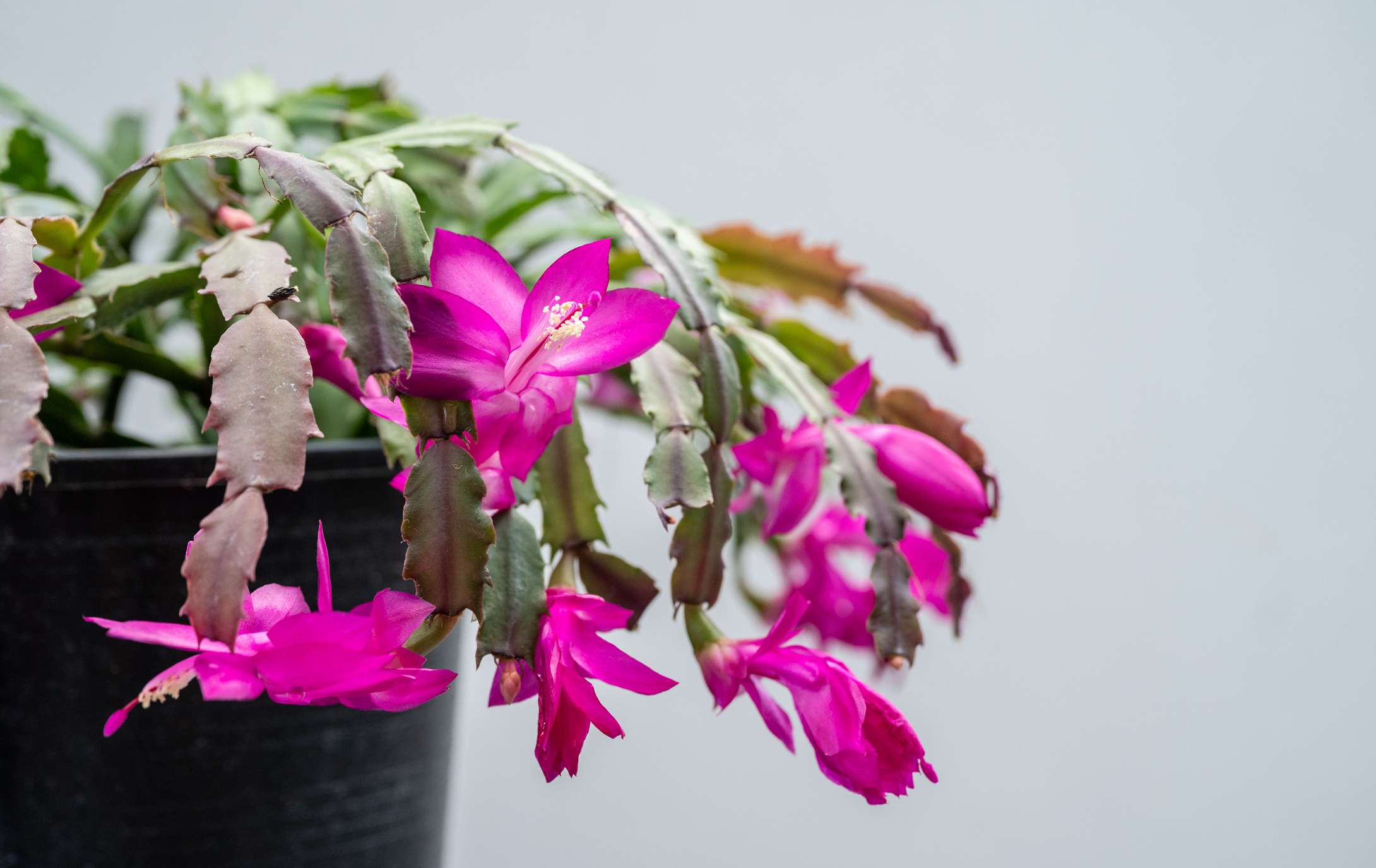
Your Christmas cactus is supposed to bring cheerful blooms, not a surprise color makeover that makes you squint and ask, “Why are you blushing, buddy?” If the flat green segments on your plant are turning red, pinkish-red, or purplish, the good news is this: your plant usually is not dying. The bad news is that it is almost certainly complaining.
In most cases, a Christmas cactus turning red is a stress signal. Too much direct sunlight, watering mistakes, root problems, temperature swings, and dry indoor air are the usual suspects. Think of it as your plant’s passive-aggressive way of sending a strongly worded email.
The fix is often simple and fast once you know what caused the color change. Below, we’ll break down the real reasons a Christmas cactus turns red, how to tell which one is happening in your home, and the fastest way to get those segments back to healthy green. We’ll also cover what to do if your plant is actually a Thanksgiving cactus, because surprise: many “Christmas cacti” sold in stores aren’t true Christmas cacti at all.
The Quick Answer: Why Is a Christmas Cactus Turning Red?
If the stem segments of your Christmas cactus are turning red, the plant is usually under stress. The most common cause is too much direct sun. Other likely causes include overwatering, underwatering, root stress, temperature extremes, or environmental shock. In some cases, a plant that is blooming heavily can also look stressed and redden temporarily.
If only the flower buds are red, pink, or purple, that is normal. If the flat “leaf-like” pads are changing color, that is your cue to investigate.
First Things First: It’s Probably Not a Desert Cactus
This is where a lot of well-meaning plant parents get tricked. A Christmas cactus may have “cactus” in its name, but it is not a sun-baked desert diva. It is a tropical, epiphytic cactus from the forests of Brazil, where it naturally grows in tree crotches and rocky crevices with filtered light, decent humidity, and regular moisture.
That means the usual “just stick it in blazing sun and ignore it for a month” cactus advice can backfire. Holiday cacti prefer bright, indirect light, well-drained soil, moderate moisture, and a stable environment. So when the stems turn red, your plant is often reacting to care that is a little too desert and not enough rainforest.
1) Too Much Direct Sun Is the Most Common Cause
If your Christmas cactus sits in a hot west-facing window or gets blasted by afternoon sun, this is the first thing to check. Excessive direct light can stress the segments, bleach them, scorch them, or push them into a reddish or purplish tone. In plain English: your plant is getting a sunburn.
How to tell if sun stress is the problem
- The red color is strongest on the side facing the window.
- The stems may also look pale, washed out, or slightly yellowish-green.
- The plant sits in several hours of harsh direct sun, especially afternoon sun.
- The redness appeared after moving the plant outdoors or closer to a brighter window.
How to fix it fast
Move the plant to bright, indirect light. An east-facing window is often ideal. If you only have a south- or west-facing window, pull the plant back a few feet or soften the light with a sheer curtain. Do not yank it from full sun into a dark corner like it is being grounded; just reduce the intensity. The damaged segments may not turn fully green again right away, but new growth should look healthier.
2) Watering Problems Can Turn a Christmas Cactus Red
Christmas cactus care gets weirdly dramatic around watering because both too much water and too little water can stress the plant. Overwatering is one of the biggest long-term problems, but underwatering can also trigger stress, especially if it happens along with too much light.
Signs of underwatering
- Soil feels bone dry well below the surface.
- Segments look thinner, softer, or slightly wrinkled.
- The plant looks dull and tired, not plump.
- Redness shows up during hot, bright weather.
Signs of overwatering
- Soil stays wet for days.
- The plant looks limp, droopy, or shriveled even though the pot is wet.
- The stems may feel mushy at the base.
- There may be a sour smell, fungus gnats, or blackened roots.
How to fix it fast
If the plant is too dry, water it thoroughly until excess drains out, then let the top layer dry slightly before watering again. If the plant is too wet, stop watering immediately, empty any saucer, and let the mix dry out. If the soil stays soggy or smells funky, unpot the plant, trim rotten roots, and repot it in a fresh, well-drained mix.
The sweet spot is simple: keep the plant lightly and evenly moist during active growth and bloom, but never soggy. When it is not actively blooming, let the soil dry slightly between waterings. Not bone dry for ages. Not swampy. We are aiming for “pleasantly hydrated,” not “forgotten in the attic” or “growing in soup.”
3) Root Stress and Poor Drainage Can Trigger Red Stems
A Christmas cactus that is root-bound, sitting in exhausted soil, or planted in a mix that holds too much water can start showing stress through color changes. If roots cannot breathe, drain, or absorb moisture properly, the plant may turn reddish while also looking generally annoyed.
Clues that the roots are the issue
- Water runs straight through the pot and the soil shrinks from the sides.
- The plant dries out extremely fast or stays soggy forever.
- Roots are circling heavily inside the pot.
- The mix feels compacted, old, or peat-heavy and airless.
How to fix it fast
Repot if needed, but size up only a little. Christmas cacti like being somewhat pot-bound, so do not move them into a giant “luxury penthouse” container. Choose a pot with drainage and use a loose, airy mix. A blend that drains well but still holds some moisture is ideal. Think potting mix plus perlite or coarse materialnot heavy mud, not pure desert grit.
4) Heat, Cold, and Drafts Can Cause Color Changes
Holiday cacti like moderate temperatures. They are not fans of hot air blasting from a vent, icy drafts from a door, or that one windowsill that becomes a tiny oven all afternoon and a tiny freezer all night.
Stress from temperature extremes can contribute to reddening, especially when combined with watering issues or direct sun. The plant may also drop buds, stall out, or look limp.
How to fix it fast
Keep the plant in a stable spot with moderate room temperatures. Avoid placing it near heat vents, fireplaces, radiators, exterior doors, or drafty windows. During bloom season, consistency matters a lot. A Christmas cactus likes routine almost as much as a dad likes not touching the thermostat.
5) Dry Air and Environmental Shock Don’t Help
Because these plants come from humid forest environments, very dry indoor air can add stressespecially in winter when heating systems are running nonstop. Dry air alone may not always turn a Christmas cactus red, but it can make every other problem worse.
How to fix it fast
Raise humidity gently with a pebble tray or by grouping plants together. Keep the pot above the water line if using a tray, so the roots are not sitting in water. Avoid dramatic changes, like moving the plant from a dim corner to hot full sun in one heroic but misguided afternoon.
How to Diagnose the Problem in 5 Minutes
- Check the light. Is the plant getting direct midday or afternoon sun?
- Check the soil. Is it soaked, dusty dry, or pulling away from the pot?
- Check the pot. Does it have drainage? Is water sitting in a saucer?
- Check the roots if needed. Healthy roots are firm. Rotten roots are dark, mushy, or smelly.
- Check the location. Any vents, fireplaces, cold drafts, or recent moves?
Usually, one of those five checks gives you the answer.
How to Fix a Red Christmas Cactus Fast
Step 1: Move it out of harsh sun
Give it bright, indirect light right away. This is the fastest correction if the stems are reddening from sun stress.
Step 2: Correct your watering routine
Water thoroughly only when the top portion of the mix starts to dry. Never let the pot sit in water. If the mix is bone dry, rehydrate it fully. If it is soggy, let it dry and improve drainage.
Step 3: Stabilize the environment
Keep it away from drafts, heaters, and sudden temperature swings. Avoid moving it around repeatedly.
Step 4: Inspect for root trouble
If the plant stays limp or red despite improved light and watering, check the roots and repot if necessary.
Step 5: Be patient with damaged segments
Once stressed tissue changes color, it may not bounce back immediately. Judge recovery by the quality of new growth, not by whether every old segment returns to perfect green overnight.
When Redness Is Not a Full-Blown Emergency
If your plant is still firm, rooted, and producing healthy new growth, a red blush is usually manageable. It is often a warning, not a funeral announcement. Correct the environment and monitor it for two to four weeks.
However, if the plant is mushy, collapsing at the base, smelling bad, or losing segments rapidly, you are dealing with more than cosmetic stress. In that case, remove healthy cuttings and propagate them as insurance while you troubleshoot the original plant.
How to Prevent Your Christmas Cactus From Turning Red Again
- Keep it in bright, indirect light.
- Use a pot with excellent drainage.
- Water when the mix begins to dry, not on a rigid calendar.
- Use a loose, well-drained potting mix.
- Protect it from direct summer sun, hot vents, and cold drafts.
- Repot only when necessary, usually every few years.
- Increase humidity slightly in very dry homes.
- Do not assume it wants harsh desert treatment just because it is called a cactus.
Christmas Cactus vs. Thanksgiving Cactus: Does It Matter?
Yesbut mostly for trivia night and plant bragging rights. Many plants sold as Christmas cactus are actually Thanksgiving cactus. Thanksgiving cactus segments usually have more pointed, claw-like teeth, while true Christmas cactus segments are more rounded and scalloped. Their basic care is very similar, so if your “Christmas cactus” turns red, the fix is generally the same either way.
The real takeaway is this: whatever label came with it at the store, holiday cacti prefer filtered light, moderate moisture, good drainage, and a stable environment. They are not difficult plants, but they are very good at sulking when ignored or overmanaged.
Real-World Christmas Cactus Experiences: What Plant Owners Usually Notice First
One of the most common experiences people describe is this: a Christmas cactus looks fine for months, then suddenly starts turning red on the side nearest a sunny window. Nothing else seemed to change, so the color shift feels mysterious. In reality, the sunlight probably changed before the owner noticed. As seasons shift, the angle and intensity of sun can become much stronger, especially in late spring and summer. A plant that was perfectly happy in January can get fried by June without ever leaving the same windowsill.
Another very typical situation happens after a well-intentioned move outdoors. Someone thinks, “Fresh air! Sunshine! My plant will love this!” Then a week later, the stem segments are red, thinner, or slightly scorched. Holiday cacti can enjoy time outside, but they need filtered light and a gentle transition. Going from indoor light to outdoor sun too quickly is like sending a sleepy office worker straight into a triathlon.
Watering confusion is another huge theme. Many owners panic when the plant looks wrinkled and water more, only to discover the roots were already struggling from staying too wet. That is why a Christmas cactus can fool people: overwatered plants and underwatered plants can both look wilted. The difference is in the soil and roots. Experienced growers eventually learn to stop guessing and start checking. Touch the mix. Lift the pot. Look for drainage. Smell the soil. The plant usually tells the truth if you ask the right questions.
Then there is the “holiday drama” scenario. The cactus is loaded with buds, looking spectacular, and suddenly the stems blush red or the buds start dropping. This often happens when the plant is moved, blasted with heat from a vent, or allowed to dry too much during bloom development. Owners often think they ruined everything permanently, but many plants recover beautifully once the environment is stabilized. Holiday cacti can be dramatic, but they are also resilient.
Long-time growers often say the biggest lesson is consistency. Their healthiest plants are not the ones getting fancy treatment every weekend. They are the ones in a stable spot, in the right light, watered sensibly, and mostly left alone. In fact, many family heirloom holiday cacti survive for decades because somebody found the right routine and then did not get creative.
There is also a comforting pattern in how these plants recover. After the light is softened, watering is corrected, and the roots are protected from soggy soil, new growth usually comes in greener and healthier. The old red segments may stay tinted for a while, but the plant begins to look fuller, firmer, and more balanced. That is often the turning point when worried owners realize the plant is not doomed at allit was just stressed and needed better conditions.
So if your Christmas cactus is turning red, you are not alone, and you are definitely not the first person to accidentally treat a rainforest cactus like a tiny desert warrior. Most people who fix the light, the water, and the drainage end up with a plant that rebounds nicely. And once you crack the code, a holiday cactus can become one of the easiest, longest-lived houseplants in your home.
Conclusion
A Christmas cactus turning red is usually not a disaster, but it is a message. Most often, that message is: too much direct light, inconsistent watering, or root stress. The fastest path back to a healthy plant is to move it into bright, indirect light, correct the watering routine, and make sure the roots are in a loose, well-drained mix.
In other words, do less guessing and more observing. Your holiday cactus does not need a miracle. It needs a better seat in the house, a smarter watering rhythm, and a little environmental peace and quiet. Give it that, and there is a very good chance it will reward you with greener segments, better growth, and flowers that show up on time like the overachiever it was always meant to be.













