
Note: This article is based on established U.S. public health, indoor air quality, consumer safety, and fire-prevention guidance. It is for general information and should not replace medical advice for allergies, asthma, chemical sensitivity, or lead-exposure concerns.
A fake Christmas tree seems like the clean, sensible, low-maintenance cousin of the real tree. It does not shed needles like a dramatic golden retriever. It does not need watering. It does not arrive with mystery bugs, sap, or that one branch that makes the whole thing lean like it had too much eggnog. You pull it from storage, fluff the branches, plug in the lights, and boom: instant holiday cheer.
But here is the less sparkly truth: an artificial Christmas tree can still affect your health and home environment. The concern is not that every fake tree is a tiny plastic villain plotting against your sinuses. The real issue is that many artificial trees are made from plastic materials, stored for months in dusty spaces, handled by children and pets, wrapped in lights, and placed in warm rooms where indoor air quality can already be struggling.
In other words, your fake Christmas tree may be reusable, convenient, and beautifulbut it is not automatically risk-free. Dust, mold, volatile organic compounds, older PVC materials, possible lead contamination in vintage trees, flame retardants, and electrical hazards can all turn your festive centerpiece into a sneaky source of irritation. The good news? You do not have to cancel Christmas or decorate a houseplant in protest. With a little knowledge and a few practical habits, you can enjoy your artificial tree while reducing the health risks.
What Is a Fake Christmas Tree Usually Made Of?
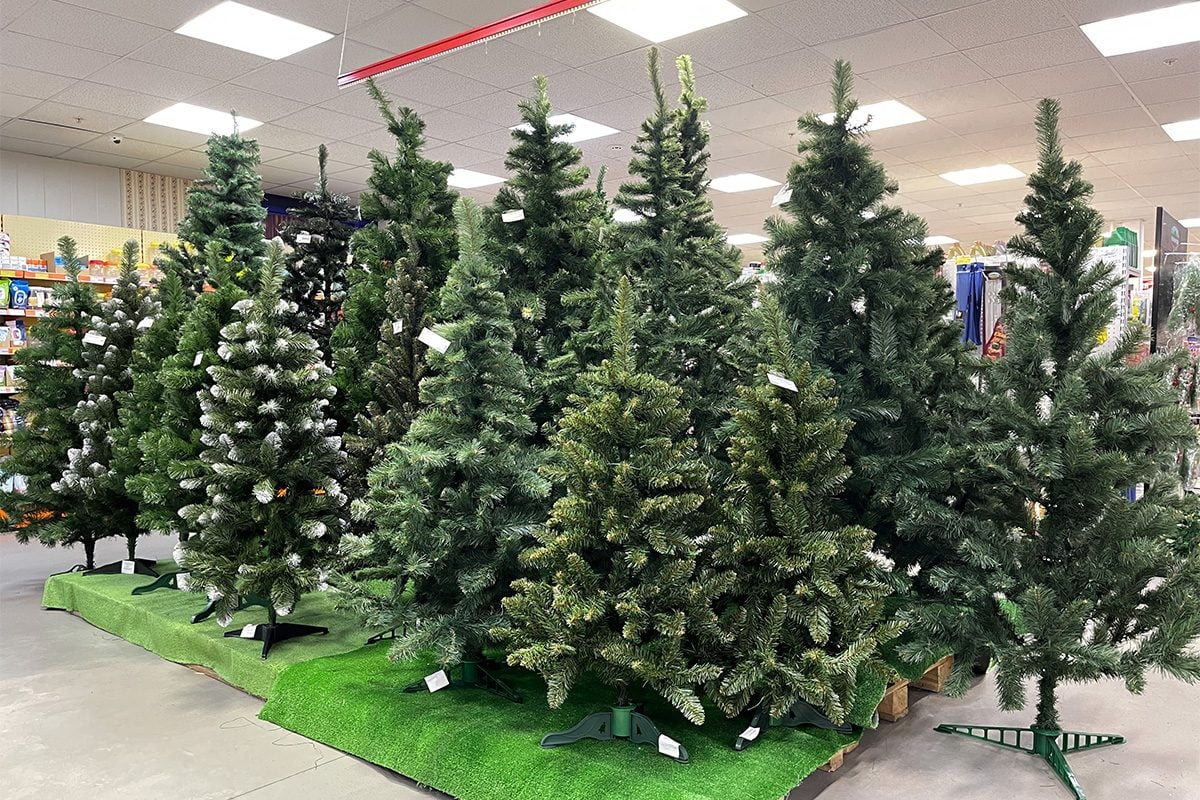
Most artificial Christmas trees are made from plastic, metal, and wiring. The “needles” are often made from PVC, short for polyvinyl chloride, or PE, short for polyethylene. PVC trees are typically more affordable and have flat, papery needles. PE trees are often molded to look more realistic, usually cost more, and may be marketed as a higher-end option.
The metal frame gives the tree structure. Pre-lit artificial trees also contain wiring, bulbs, plugs, connectors, and sometimes control boxes for light settings. Flocked trees add another layer: artificial snow, adhesives, and fine particles that can loosen during setup. None of this automatically makes a tree unsafe. But materials matter because plastics can contain additives, older products may not meet newer safety expectations, and anything stored in a basement, attic, garage, closet, or mystery “holiday bin” can collect dust and allergens.
The Biggest Health Risks Linked to Artificial Christmas Trees
1. Dust Buildup Can Trigger Allergies and Asthma
The most common problem with fake Christmas trees is not dramatic chemistry. It is dust. After spending 10 or 11 months in storage, your tree can collect dust, dust mites, pet dander, pollen, insect debris, and other tiny irritants. When you drag the box into the living room and start fluffing branches like a holiday stylist under pressure, those particles can become airborne.
For many people, this means sneezing, coughing, itchy eyes, a runny nose, or a scratchy throat. For people with asthma, allergic rhinitis, or sensitive lungs, dust can do more than annoy. It can trigger wheezing, chest tightness, or an asthma flare. Children may be especially sensitive because they breathe faster than adults and spend plenty of time close to the floor, where dust settles.
The fix is simple but often skipped: clean the tree before decorating. Take it outside or into a well-ventilated area, gently shake it, vacuum it with a brush attachment, and wipe branches with a slightly damp microfiber cloth. Let it dry completely before adding lights or ornaments. Yes, it adds time. But so does sneezing into your gingerbread cookie tray.
2. Mold Can Hide in Storage Boxes
Artificial trees do not grow mold the way a damp natural tree might, but storage conditions can create problems. If the tree box sits in a humid basement, damp garage, leaky attic, or storage closet with poor airflow, mold can grow on dust, cardboard, fabric tree skirts, old packaging, or decorations packed with the tree.
Mold exposure can irritate the eyes, nose, throat, skin, and lungs. People with mold allergies or asthma may react more strongly. A musty smell when you open the box is a warning sign. So are visible spots, damp cardboard, or ornaments that feel tacky or smell stale.
If the tree smells musty, do not set it up immediately in the living room and hope cinnamon candles will “handle it.” They will not. Remove the tree from the box, inspect it outdoors, and clean it carefully. If mold is heavy, deeply embedded, or the tree cannot be cleaned without spreading particles, replacing it may be safer than trying to rescue it like a holiday science project.
3. Older PVC Trees May Raise Lead Concerns
Lead is one of the more serious concerns associated with some older artificial Christmas trees, especially older PVC trees. Lead compounds were historically used as stabilizers in certain PVC products. Over time, PVC can degrade, and small amounts of lead-containing dust may collect on branches or surfaces. The risk is generally higher with older, deteriorating, imported, or unknown-origin treesnot every modern artificial tree.
This matters most for homes with young children. Children touch branches, crawl under trees, play with ornaments, and put their hands in their mouths. Even low levels of lead exposure can be harmful to children’s development, so lead dust is not something to shrug off with a festive “oops.”
Warning signs include a tree that is very old, brittle, sticky, shedding plastic flakes, leaving residue on hands, or missing clear product information. If your fake tree has been in the family since the era of VHS tapes and shoulder pads, it may deserve retirement. A newer tree labeled as lead-safe, PVC-free, or made from PE may reduce concern, though labels should still be read carefully.
4. Plastic Additives May Affect Indoor Air Quality
Many artificial trees are made with plastics that can include additives such as plasticizers, stabilizers, pigments, and flame-retardant chemicals. Some plastic products can release low levels of volatile organic compounds, often called VOCs, especially when new. That “new plastic smell” is not holiday magic. It is a sign that materials are off-gassing.
For most healthy adults, a new artificial tree may simply smell unpleasant for a few days. But for people with asthma, migraines, chemical sensitivity, respiratory conditions, or small children in the home, strong odors and poor ventilation can be more bothersome. VOCs from household products can contribute to headaches, throat irritation, dizziness, nausea, or respiratory discomfort in sensitive people.
If you buy a new fake Christmas tree, open it outside or in a garage first. Let it air out for several days before bringing it into your main living space. This is especially smart for flocked trees, heavily scented trees, or trees with a strong plastic odor. Your living room should smell like cookies, pine candles, or absolutely nothingnot like a freshly opened pool float.
5. Flocked Trees Can Shed Irritating Particles
Flocked artificial trees look like they were kissed by a snowstorm. Unfortunately, they can also shed fine particles when assembled, moved, or brushed against. Depending on the product, flocking may include adhesive, paper fiber, plastic particles, flame-retardant treatments, or other materials. When these particles become airborne, they can irritate the nose, throat, and lungs.
Flocked trees are not automatically dangerous, but they do require extra care. Set them up slowly. Avoid aggressive shaking. Keep toddlers and pets from chewing or pulling at branches. Vacuum around the tree regularly using a vacuum with strong filtration if possible. If the flocking sheds heavily every time someone walks by, the tree may be more mess than magic.
6. Pre-Lit Trees Can Become Electrical Hazards
A pre-lit artificial Christmas tree is wonderfully convenient until one section goes dark and your living room becomes an electrical puzzle. The health risk here is not inhalationit is fire, shock, and burns. Older lights, damaged wires, loose bulbs, overloaded outlets, cheap extension cords, and poorly stored pre-lit trees can create hazards.
Holiday fire-safety guidance consistently emphasizes checking lights, cords, and plugs before use. Look for fraying, exposed wires, cracked sockets, scorch marks, buzzing, flickering, or plugs that feel hot. Use lights tested by recognized safety organizations, avoid overloading outlets, and turn lights off before bed or when leaving home. LED lights are generally cooler and more energy-efficient than old incandescent strands, but even LEDs should be treated with respect. They are decorations, not emotional support appliances.
Who Is Most Vulnerable?
Artificial tree health risks are not equal for everyone. A healthy adult may set up a dusty tree and feel nothing more than mild annoyance. But some groups should be more cautious.
People with asthma, allergies, chronic obstructive pulmonary disease, or other respiratory conditions may react to dust, mold, fragrance, flocking particles, and VOCs. Young children are more vulnerable to dust and possible lead exposure because they touch everything and put their hands near their mouths. Pregnant people may choose to reduce unnecessary chemical exposure when possible. Older adults and people with compromised immune systems may also be more sensitive to poor indoor air quality.
Pets deserve a mention too. Cats climb, dogs sniff, and both may chew branches, lights, cords, or flocking. A tree that sheds plastic, glitter, fake snow, or wire bits can create choking or digestive risks for animals. Also, a cat launching itself into a pre-lit tree is not just a meme; it is a full household safety event.
How to Make Your Fake Christmas Tree Safer
Clean It Before It Comes Inside
Before decorating, give your artificial tree a basic cleaning. If weather allows, assemble it outdoors or in a garage. Wear a mask if you are sensitive to dust. Shake sections gently, vacuum branches, and wipe surfaces with a damp cloth. Avoid soaking electrical parts on pre-lit trees. For pre-lit models, follow the manufacturer’s cleaning instructions and keep moisture away from plugs and wiring.
Let New Trees Air Out
A new tree with a strong plastic smell should be aired out before entering the home. Open the box in a ventilated area, separate the branches, and give the materials time to release odors. Increase ventilation indoors during the first few days after setup by opening windows when weather permits or running an air purifier with a HEPA filter and activated carbon if you have one.
Retire Old or Deteriorating Trees
If the tree is brittle, sticky, shedding plastic, leaving dust on your hands, or older than your favorite holiday movie marathon tradition, consider replacing it. This is especially important in homes with young children. A tree does not have to last forever to be a good purchase. Sometimes “we have used it for 25 years” is not a badge of honorit is a gentle warning from the storage closet.
Choose Safer Materials When Buying
When shopping, look for clear product information. Consider trees made with PE rather than mostly PVC, especially if chemical exposure is a concern. Look for labels such as flame-resistant, lead-safe, and indoor-use lighting certification. Be cautious with ultra-cheap trees from unknown sellers, vague listings, or products without safety information. A bargain tree is less charming if it smells like a tire shop and arrives with wires thinner than spaghetti.
Store It the Right Way
Storage is one of the easiest ways to prevent future problems. Do not put the tree back into a damp cardboard box and banish it to a humid basement. Use a sealed plastic storage bin or a quality tree storage bag. Store it in a dry, cool place away from moisture, pests, and extreme heat. Make sure the tree is clean and completely dry before packing it away. Add a label with the purchase year so you are not forced to guess later whether it is “pretty new” or “possibly from the Clinton administration.”
Control Indoor Air During the Holidays
Your tree is only one part of holiday indoor air quality. Candles, fireplaces, scented sprays, cleaning products, cooking smoke, and crowded rooms can all add irritants. If someone in your home has asthma or allergies, go easy on scented products and keep ventilation in mind. Vacuum regularly, dust surfaces, wash tree skirts, and avoid letting decorations gather grime all season.
Check Lights Like You Mean It
Before plugging anything in, inspect lights and cords carefully. Replace damaged strands instead of repairing them with tape and optimism. Use indoor-rated lights for indoor trees. Do not run cords under rugs, pinch them behind furniture, or connect too many strands together. Turn lights off before sleeping or leaving the house. A timer can help if you are the kind of person who remembers holiday cookies but forgets outlets.
Real Tree vs. Fake Tree: Which Is Healthier?
The healthier choice depends on your household. Real trees can bring pollen, mold spores, fragrance compounds, insects, and fire risks if they dry out. Artificial trees can bring dust, plastic odors, chemical concerns, possible lead issues in older PVC models, and electrical risks in pre-lit versions. Neither option gets a perfect halo.
If someone in your home reacts strongly to pine scent or mold, a cleaned artificial tree may be better. If you are concerned about plastic materials and have good ventilation, a fresh real tree from a reputable grower may feel preferable. If you already own a high-quality artificial tree and use it for many years, the environmental and financial balance may also make sense. The best choice is not about winning the tree debate. It is about choosing the option you can maintain safely.
A Practical Safety Checklist
- Clean the tree before bringing it into the main living space.
- Air out new artificial trees before decorating.
- Replace trees that are brittle, sticky, crumbling, or very old.
- Keep toddlers and pets from chewing branches, flocking, or cords.
- Use certified indoor lights and inspect them every year.
- Turn lights off before bed or when leaving home.
- Store the tree in a dry, sealed container after the holidays.
- Vacuum around the tree regularly during the season.
- Avoid heavy fragrance sprays if anyone has asthma or chemical sensitivity.
- Keep the tree away from fireplaces, heaters, candles, and blocked exits.
When Should You Throw Away an Artificial Christmas Tree?
It may be time to replace your fake Christmas tree if it sheds heavily, smells musty after cleaning, has visible mold, has damaged wiring, contains old incandescent pre-lit strands you cannot safely remove, or has branches that are cracking or sticky. You should also consider replacing it if you do not know its age, it appears to be older PVC, and you have young children in the home.
Do not donate a tree that may be unsafe. If the wiring is damaged or the plastic is deteriorating, passing it along simply moves the risk to someone else. Check your local waste or recycling rules, because artificial trees often contain mixed materials that may not be accepted in regular recycling bins.
Conclusion: Keep the Cheer, Lose the Risk
Your fake Christmas tree does not need to be treated like a hazardous waste site wearing ornaments. But it should be treated like a household product that affects indoor air, dust levels, fire safety, and family health. The biggest problems usually come from neglect: storing the tree in damp places, skipping cleaning, ignoring damaged lights, keeping a deteriorating tree too long, or assuming “artificial” means “automatically safe.”
A safer holiday setup is refreshingly doable. Clean the tree. Ventilate the room. Retire old PVC trees when they start breaking down. Buy from reputable brands. Use certified lights. Store everything dry. Keep curious kids and pets from turning the tree into a snack bar. These steps protect your lungs, reduce dust, lower chemical exposure, and help prevent electrical problemswithout stealing one ounce of sparkle from the season.
So yes, your artificial Christmas tree might be a health risk. But with smart care, it can also be what you wanted in the first place: a festive, reusable, low-drama centerpiece that does not shed needles into your socks until March.
Personal Experiences and Real-Life Lessons About Fake Christmas Tree Health Risks
Many families do not realize their artificial Christmas tree is causing problems until the pattern becomes impossible to ignore. The tree comes out of storage, everyone gets excited, the ornaments go up, and within 24 hours someone starts sneezing like they just challenged a dust bunny to a duel. At first, it is easy to blame cold weather, school germs, holiday stress, or the neighbor’s aggressively scented peppermint candle. But when the symptoms repeat every December, the tree deserves a closer look.
One common experience is the “storage closet surprise.” A tree may look clean while packed away, but once the branches are unfolded, a gray cloud of dust appears. People who are sensitive to dust often notice symptoms while fluffing branches: itchy eyes, a tickle in the throat, coughing, or a stuffy nose. The person doing the setup may suffer the most because they are closest to the branches and handling every section. A simple mask, outdoor shake-out, and vacuuming routine can make a huge difference. It is not glamorous, but neither is blowing your nose through the entire gift exchange.
Another real-life issue is the musty tree. This often happens when decorations are stored in a basement or garage where humidity sneaks in. The box may feel slightly soft. The tree skirt may smell stale. The ornaments may have a faint basement odor that no amount of holiday music can redeem. Families sometimes set everything up anyway because traditions are powerful and nobody wants to be the person who says, “Actually, this smells like mold.” But musty decorations can irritate sensitive lungs. In these cases, cleaning and drying items before setup is worth the effort. If the smell remains, replacement may be the healthier choice.
Parents of toddlers often learn another lesson: the lower half of the tree is basically a hands-on exhibit. Small children touch branches, tug ornaments, crawl underneath, and sometimes put fallen bits in their mouths. That is why deteriorating plastic matters. A tree that sheds green flakes, leaves residue on fingers, or has unknown age and materials should not be treated casually. If a tree is old enough to have witnessed multiple generations of family drama, it may also be old enough to retire.
Pet owners have their own version of the fake tree health story. Cats may climb branches, dogs may chew low limbs, and both may investigate cords. Flocked trees can be especially tempting because fake snow looks like something that should be sniffed, licked, or attacked at 2 a.m. For homes with pets, a less-shedding tree, covered cords, stable tree stand, and pet-safe decorating plan can prevent both health concerns and chaos. The goal is a Christmas tree, not an indoor obstacle course with electrical accessories.
Finally, many people discover that a new artificial tree needs breathing room. That strong plastic smell may fade, but bringing the tree straight from the box into a closed living room can cause headaches or irritation for sensitive people. Airing it out first feels like a small step, yet it can make the first week of decorating much more comfortable. A few days of ventilation can turn “why does the house smell like a shower curtain?” into “look, the tree is pretty and nobody needs a sinus rinse.”
The best lesson from these experiences is simple: holiday decorating should not make people feel worse. If symptoms show up every year around tree setup, pay attention. Clean more carefully, store smarter, ventilate better, and replace products that are past their prime. Traditions are wonderful, but the healthiest traditions are the ones that let everyone breathe easily while enjoying them.














