
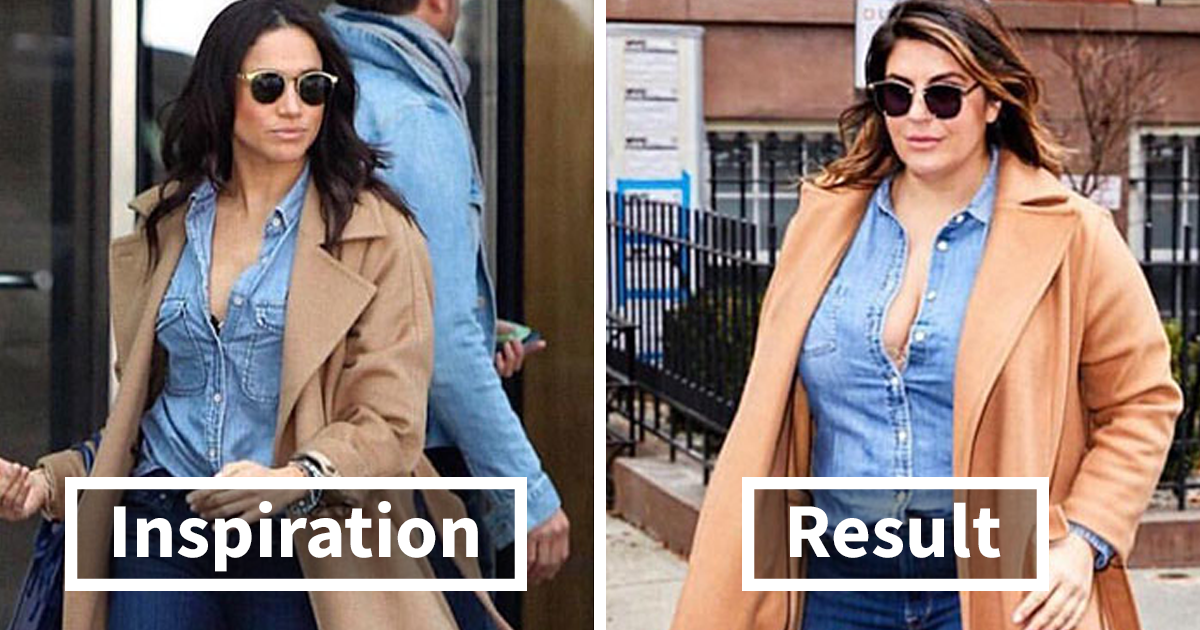
Celebrity style can feel like a beautiful museum exhibit: inspiring, polished, and guarded by the invisible sign that says, “Do not touch unless you are sample size.” But body acceptance advocate Katie Sturino has spent years cheerfully ignoring that sign. Through her viral social media series, often known as #SuperSizeTheLook, she recreates outfits worn by celebrities and proves a point that should not be revolutionary, yet somehow still needs a megaphone: you do not have to be skinny to look good.
The idea is brilliantly simple. Sturino finds a celebrity outfit, recreates it on her own body, and posts the two looks side by side. The result is not a “who wore it better” contest. It is more like a fashion translation service. A denim-on-denim Blake Lively moment? Translated. A polished street-style outfit? Translated. A breezy vacation look that fashion magazines sometimes act like only exists below a certain waist measurement? Translated with confidence, color, and zero apology.
Her message lands because millions of women have had the same tiny fitting-room crisis: loving a look online, then immediately thinking, “That would never work on me.” Sturino answers with a stylish shrug: “Why not?” And honestly, she has a point. Clothes are fabric, not a moral exam.
Who Is Katie Sturino?
Katie Sturino is a New York-based entrepreneur, author, influencer, and body acceptance advocate. Before becoming widely known for her fashion content, she worked in public relations. Later, she started a style platform focused on women who felt left out of mainstream fashion coverage, especially those wearing sizes that magazines and luxury brands often ignored.
She is also the founder of Megababe, a personal care brand that tackles everyday body concerns such as thigh chafing, sweat, and skin comfort. That matters because Sturino’s work is not only about looking cute in a blazer. It is about making the entire experience of living in a body feel less embarrassing. Her fashion series, product line, and book Body Talk all circle the same core idea: bodies are not problems to solve before life begins.
That philosophy gives her celebrity outfit recreations extra power. They are not costume changes for clicks. They are small visual arguments against the belief that style belongs only to thin bodies, tall bodies, young bodies, or perfectly edited bodies.
Why Her Celebrity Outfit Recreations Went Viral
The genius of the project is its visual clarity. Sturino does not write a 4,000-word essay explaining that fashion should be size-inclusive. She simply shows it. A celebrity wears an outfit; she wears a similar version; the viewer instantly understands. The barrier was never the body. The barrier was imagination, access, and a fashion industry that too often designs as if most customers are imaginary runway interns.
Her recreations work because they remove the intimidation factor from celebrity fashion. A look worn by Blake Lively, Meghan Markle, Katie Holmes, Tracee Ellis Ross, or another style icon may appear unreachable at first glance. But when Sturino breaks it down, the outfit becomes a formula: wide-leg jeans plus structured coat, monochrome suit plus bold accessories, slip skirt plus sweater, oversized blazer plus boots. Suddenly the magic is not a size. It is styling.
That is an important distinction. Thinness is not a styling technique. Proportion is. Tailoring is. Confidence is. Knowing where a jacket should hit, choosing a fabric that moves well, balancing volume, and wearing colors that make you feel alive are all actual style skills. The scale in your bathroom has never once taught someone how to accessorize.
The Bigger Message: Style Has No Size
For decades, women have been told to wait. Wait until you lose weight to buy the dress. Wait until your arms look different to wear the sleeveless top. Wait until your stomach is flatter to tuck in your shirt. Wait until some imaginary future version of yourself appears before participating in fashion.
Sturino’s work says the opposite: get dressed now. Wear the dress now. Try the trend now. Take the picture now. Your current body is not a rough draft.
This message matters because body image is shaped by repetition. If women repeatedly see only one body type presented as stylish, elegant, desirable, or worthy of attention, it becomes easy to confuse visibility with value. Sturino’s side-by-side photos interrupt that pattern. They show that the same outfit concept can look chic on different bodies when fit, styling, and attitude are considered.
Why “Celebrity Style” Often Feels Exclusionary
Celebrity fashion is fun, but it can also be wildly unrealistic. Celebrities often have stylists, tailors, glam teams, gifted designer pieces, professional lighting, and photographers who understand angles better than most of us understand our phone storage settings. So when a regular person compares herself to a red-carpet image, she is not comparing body to body. She is comparing Tuesday morning laundry reality to a full production team.
On top of that, many designer and contemporary brands still offer limited size ranges. A style may appear in magazines, on influencers, and on celebrities, but not be available to shoppers above a certain size. This creates a strange loop: larger women are told to be fashionable, but then offered fewer fashionable options. It is like inviting someone to dinner and serving them a picture of soup.
Sturino’s recreations expose that gap. When she finds alternatives in extended sizing, she proves demand exists. When she cannot find them, the absence becomes part of the message. Her related campaign, often associated with asking brands to “make my size,” highlights a practical truth: women do not lack interest in fashion; fashion often lacks interest in serving women.
What We Can Learn From Her Styling Approach
1. Copy the Outfit Formula, Not Every Exact Piece
The goal is not to find the identical $2,000 coat or celebrity-only handbag that holds one lip gloss and a prayer. Instead, identify the structure of the look. Is it a white button-down with relaxed denim? A sleek black dress with statement earrings? A trench coat over a fitted base layer? Once you understand the formula, you can recreate the mood in your own size, budget, and lifestyle.
2. Fit Is More Important Than the Number on the Tag
One of the most useful lessons from body-positive fashion is that sizing is inconsistent. A size 14 in one brand may fit like a 12 in another and an 18 somewhere else, because apparently clothing labels were designed by people who enjoy chaos. Instead of treating the number as a verdict, treat it as a starting point. The best size is the one that lets you breathe, sit, walk, dance, and eat tacos without negotiating with a waistband.
3. Proportion Creates Polish
Celebrity outfits usually look intentional because proportions are balanced. If the top is oversized, the bottom may be sleek. If the pants are wide-leg, the shirt might be tucked or cropped. If the coat is dramatic, the base outfit is often simple. These tricks work on every size. The body does not need to shrink; the styling just needs to make visual sense.
4. Color and Print Are Not Reserved for Thin People
One outdated fashion rule says curvy women should wear black because it is “slimming.” Black is great. Black is chic. Black also should not be a life sentence. Sturino often embraces color, pattern, stripes, texture, and bold accessories, showing that joyful dressing belongs to everybody. A bright suit or printed dress is not a privilege earned by dieting. It is clothing. Put it on.
5. Confidence Often Comes After Action
People talk about confidence as if it must arrive before the outfit. In real life, it often works the other way around. You try the blazer. You survive. You tuck in the shirt. The ceiling does not collapse. You wear the bright dress. Someone compliments you in the coffee line. Confidence grows because you gave yourself evidence that you could do the thing.
Body Positivity vs. Body Acceptance: What Is the Difference?
The internet often uses “body positivity” as a catch-all phrase, but Sturino’s work frequently leans toward body acceptance. That distinction is useful. Body positivity can sometimes sound like you must adore every inch of yourself every second of the day, which is a lot to ask before 9 a.m. Body acceptance is more flexible. It says you do not have to love everything about your body to treat it with respect.
You can have a bad body-image day and still wear a good outfit. You can feel insecure and still deserve clothes that fit. You can want to improve your health without punishing yourself with shame. The goal is not constant mirror fireworks. The goal is peace, practicality, and the freedom to stop postponing your life.
The Fashion Industry Still Has Work to Do
While size-inclusive fashion has improved, it remains uneven. Many brands now use inclusive language in marketing, but their size charts still stop too early. Others offer extended sizes online but not in stores, which makes shopping feel like a scavenger hunt with fluorescent lighting. Some brands technically carry larger sizes but fail to adjust proportions properly, resulting in clothes that are bigger but not better designed.
True size inclusivity is not just adding inches. It requires fit testing on different bodies, thoughtful grading, quality fabrics, and models who reflect real customers. It also requires showing larger women in the same fashion categories as everyone else: workwear, swimwear, bridal, luxury, streetwear, activewear, and trend-driven pieces. Curvy shoppers do not only need emergency cardigans and black tunics. They need options, including impractical fun ones, because fashion is allowed to be silly sometimes.
Why Representation Changes the Way We Shop
Seeing an outfit on a body similar to yours can completely change the shopping experience. It answers questions a flat product photo cannot: Where does the waistband sit? Does the fabric cling? Can the jacket close? Does the dress look elegant while standing and while existing as a human who occasionally sits down?
That is why Sturino’s side-by-side images resonate. They give viewers permission to imagine themselves in styles they may have mentally rejected. For many women, that small spark of imagination is the difference between scrolling past a look and trying it.
How to Recreate Celebrity Looks at Any Size
If you want to borrow Sturino’s method for your own closet, start with a celebrity outfit you genuinely like. Do not choose something only because it is trending. If you hate low-rise jeans, no celebrity can save them for you. Next, identify the main elements: silhouette, color palette, layers, shoes, and accessories. Then shop your closet before buying anything new.
For example, if a celebrity wears a cream blazer, straight-leg jeans, white tee, and loafers, you do not need the exact designer blazer. You need a structured light jacket, denim that fits comfortably, a clean base layer, and a polished shoe. If the look features a satin skirt and chunky sweater, focus on contrast: soft shine on the bottom, cozy volume on top. If it is a monochrome outfit, match tones rather than brands.
Most importantly, adjust the look for your actual life. A celebrity may wear stilettos to walk twelve feet from a car to a restaurant. You may need to commute, carry groceries, or chase a toddler who has decided pants are optional. Style should serve your day, not sabotage it.
Examples of Celebrity-Inspired Looks That Work Beautifully on Curvy Bodies
Denim-on-Denim
A denim trench, jean jacket, or chambray shirt paired with jeans creates a confident, modern look. The trick is mixing shades or adding a strong accessory, such as a belt, structured bag, or bold earring. Curvy bodies often look fantastic in denim when the pieces fit at the waist and skim rather than squeeze.
The Power Suit
A matching blazer and trousers set is one of the easiest ways to look expensive, even when your bank account is quietly whispering, “Please be reasonable.” Choose a blazer that fits the shoulders and pants that allow movement. Add a simple tank or tee underneath and let the suit do the talking.
The Slip Dress With Layers
A slip dress can be styled with a cardigan, blazer, tee underneath, or sweater over it. This makes it adaptable for different comfort levels. The key is fabric weight and drape. A slightly heavier satin or bias-cut style often feels more forgiving and elegant than a flimsy clingy version.
The Oversized Shirt
An oversized button-down can look crisp with bike shorts, relaxed jeans, trousers, or a midi skirt. Roll the sleeves, open the collar, and add jewelry. The result says “effortless,” even if you spent fifteen minutes deciding which side of the shirt should do the casual half-tuck.
What This Movement Says to Women
At its heart, this trend is not just about dressing like celebrities. It is about breaking the mental link between thinness and permission. For too long, women have been taught that beauty is a finish line and style is a reward for discipline. Sturino’s work flips that script. Style is not a trophy. It is a tool. It helps people express identity, mood, creativity, humor, ambition, softness, boldness, and all the other things that make a person more interesting than a clothing size.
That is why these recreations feel joyful rather than preachy. They do not scold viewers for insecurity. They simply offer another possibility. Maybe the outfit can work. Maybe the body was never the problem. Maybe the rulebook was written by someone who desperately needed a hobby.
Experiences Related to Dressing Like Celebrities at Any Size
Many women know the emotional roller coaster of seeing a celebrity outfit online. First comes admiration: the perfect coat, the perfect boots, the perfect “I just threw this on” look that definitely required a stylist, a tailor, and possibly three assistants named Chloe. Then comes the second thought: “Cute, but not for my body.” That tiny sentence can shut down creativity before it even reaches the closet.
One common experience is the fear of being “too much.” A woman may love a bright pink suit or a dramatic trench coat, but worry that a larger body already attracts attention, so bold fashion will invite judgment. Sturino’s approach challenges that fear. Taking up visual space is not rude. Wearing color is not a public disturbance. A confident outfit does not require an apology note.
Another familiar experience is the fitting-room spiral. You bring in six pieces, none fit the way they did online, and suddenly you are questioning your body instead of the garment. But clothes are mass-produced objects with inconsistent sizing, not sacred judges in zipper form. A dress that pulls at the hips or gaps at the bust is giving information about the dress, not your worth. Sometimes the solution is a different cut, a different size, or a tailor. Sometimes the solution is leaving the store and buying a pretzel because emotional support carbs are real.
Women also talk about the first time they wore something they thought was “off-limits.” A tucked-in shirt. White jeans. A bikini. A bodycon dress. A crop top. At first, it can feel like walking into a room with a marching band behind you. But then life continues. Friends smile. Strangers do not faint. The world keeps spinning. That experience can be quietly transformative because it teaches the body that fear is not always fact.
Celebrity-inspired dressing can also become a practical confidence exercise. Instead of asking, “Can I pull this off?” try asking, “How can I make this work for me?” That question shifts the power back to the wearer. Maybe the mini skirt becomes a midi. Maybe the heel becomes a platform sneaker. Maybe the cropped jacket becomes a waist-length blazer. The inspiration stays, but the outfit becomes livable.
The best part is that these experiments often create community. When women see someone with a similar body wearing a look beautifully, they share it, save it, and send it to friends with messages like, “Wait, we can wear this.” That “we” is powerful. Fashion stops being a private insecurity contest and becomes a group chat with better lighting.
In real life, dressing well at any size is not about copying celebrities perfectly. It is about refusing to disappear. It is about letting your closet support the life you already have, not the body you were told to chase. It is about trying the look, laughing when the first version fails, adjusting the proportions, and trying again. Great style is not reserved for skinny people. It belongs to anyone willing to get dressed with curiosity, comfort, and a little nerve.
Conclusion
The woman showing herself dressing like celebrities to prove you do not have to be skinny to look good is doing more than recreating outfits. She is recreating possibility. Katie Sturino’s work reminds women that celebrity style is not a locked room. It can be adapted, translated, and enjoyed by bodies of many sizes.
Her message is refreshingly practical: stop waiting for a different body to wear the clothes you love. Learn proportions, demand better sizing, ignore outdated rules, and treat style as something you are allowed to participate in today. Skinny does not own chic. Confidence does not come in sample size. And the best outfit is not the one that makes you look smaller; it is the one that makes you feel fully present.
Note: This article is written from synthesized public information about Katie Sturino, #SuperSizeTheLook, body acceptance, size-inclusive fashion, celebrity outfit recreations, and broader reporting on representation in American fashion and media.













